
Persian cats are absolutely stunning. That luxurious coat catches everyone’s eye. But here’s the thing — that gorgeous fur doesn’t maintain itself. If you’ve ever wondered why your Persian’s coat looks less fluffy and more matted after just a few days without brushing, you’re not alone. Persian cat grooming isn’t just about keeping your cat looking pretty. It’s about maintaining skin health, preventing painful mats, and catching potential health issues early.
I’ve worked with Persian cats for over fifteen years, and I can tell you this with certainty : the difference between a healthy, shining coat and a tangled mess comes down to daily commitment. Don’t worry — once you understand the routine, it becomes second nature. Your cat will come to expect it, maybe even enjoy it. And you’ll spend less time dealing with emergency mat removal at the vet.
Why Persian Coats Need Special Attention
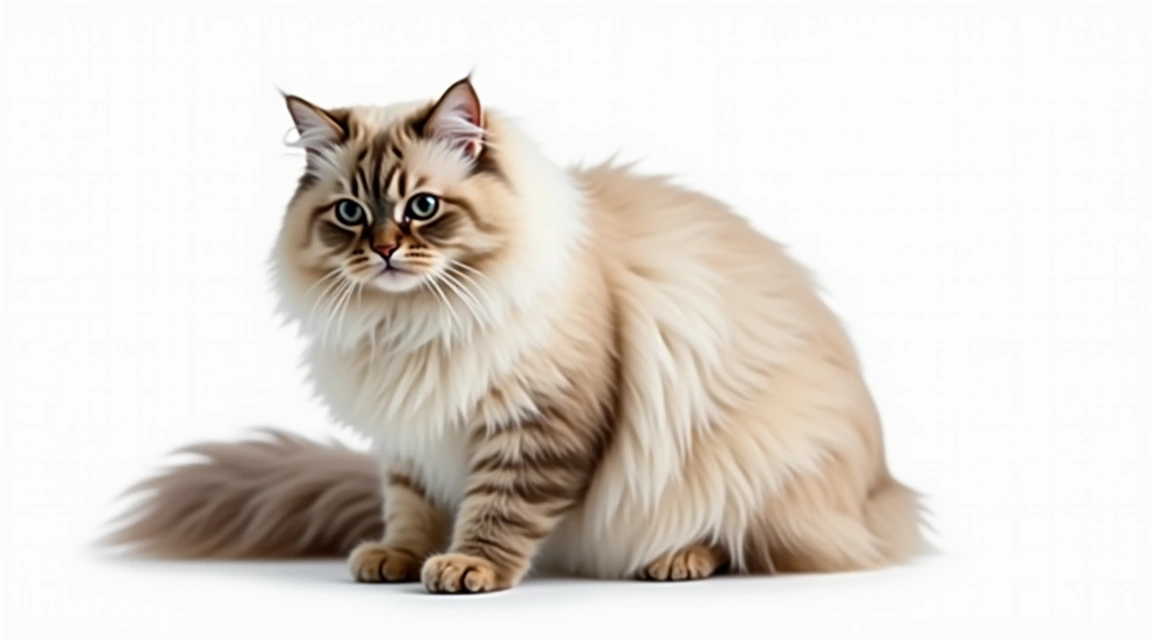
Persian cats have what breeders call a double coat. There’s a soft, dense undercoat beneath the long, flowing outer layer. This combination creates that signature fluffy appearance everyone loves. But it also means the hair tangles easily, especially in areas where your cat moves a lot — under the arms, behind the ears, around the neck.
The texture matters too. Persian fur is fine and silky, which sounds wonderful until you realize fine hair mats faster than coarser breeds. Add in natural oils from the skin, a bit of dust from around the house, and you’ve got the perfect recipe for knots. A single missed day can turn into a grooming nightmare by the end of the week. I’ve seen cats come in with mats so tight they pull on the skin, causing discomfort and even skin infections underneath.
What Daily Grooming Actually Looks Like
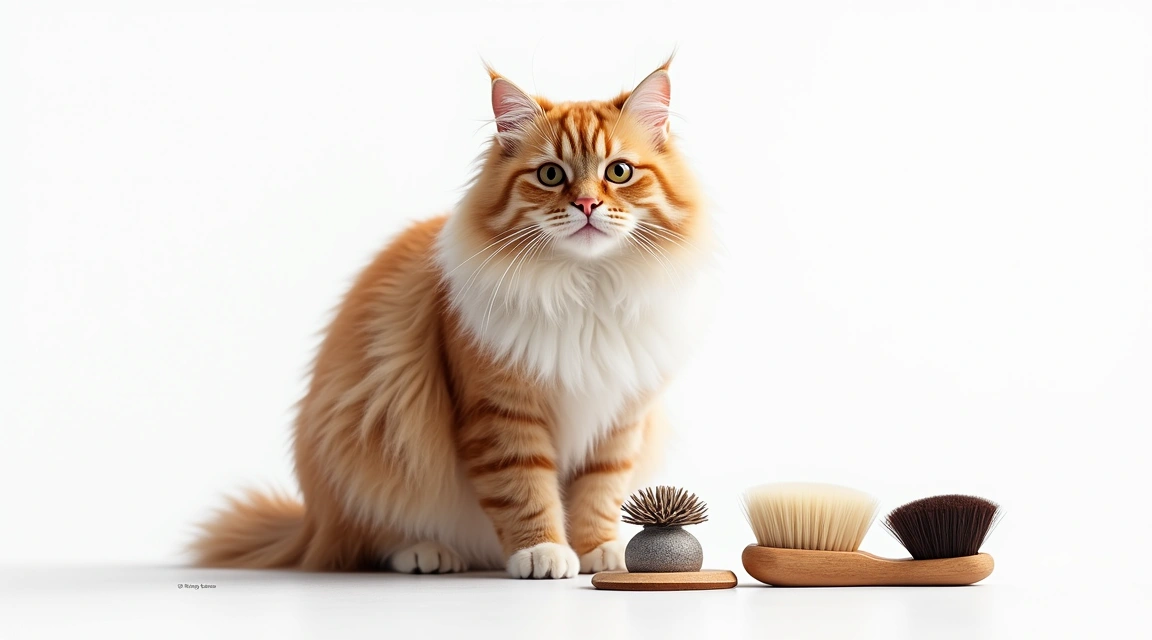
So what does a real daily routine involve? Honestly, it’s simpler than most new Persian owners expect. You’re looking at about ten to fifteen minutes each day. Start with a wide-toothed metal comb — not a brush initially. Work through the coat in sections, starting from the head and moving toward the tail. Comb gently in the direction of hair growth.
Pay special attention to high-friction zones. Behind the ears, under the front legs, the belly, and around the hindquarters where your cat sits — these areas mat first. If you hit a tangle, don’t force the comb through. Hold the hair at the base near the skin with one hand and gently work the knot out with the other. This prevents painful pulling. After combing, you can use a slicker brush to fluff and distribute natural oils. But the comb does the real work of preventing mats.
The Impact of Skipping Even One Day
Here’s what happens when you skip grooming. The undercoat starts to shed naturally — all cats shed, even Persians. But instead of falling away, those loose hairs get trapped in the longer outer coat. They twist around existing hairs. Within twenty-four to forty-eight hours, you’ve got the beginning of a mat.
By day three or four, that mat tightens. It pulls closer to the skin. Your cat might start avoiding being touched in that area because it’s uncomfortable. I’ve had clients tell me their Persian suddenly became less affectionate, only to discover the cat had developed painful mats they didn’t realize were there. Prevention through daily grooming is infinitely easier than dealing with established mats. And it keeps your relationship with your cat positive — no one wants grooming time to become a battle.
Setting Up Your Grooming Toolkit
You don’t need a professional grooming salon in your home. But you do need the right basic tools. A quality metal comb with both wide and narrow teeth works for most situations. The wide teeth tackle the bulk of the coat, while narrow teeth catch smaller tangles near the skin. A slicker brush with fine, bent wire bristles helps with the finishing touches.
Some Persian owners swear by grooming sprays or detanglers. Fair enough — they can help, especially with particularly dry coats. But start with the basics first. You’ll also want nail clippers, as overgrown nails can catch in that long fur. And keep a damp cloth handy for wiping around the eyes. Persians often have tear staining due to their facial structure, and daily eye cleaning prevents buildup that can matt the facial fur.
Building a Routine Your Cat Actually Tolerates
The truth is, most cats don’t naturally love being groomed. But they can learn to accept it, even appreciate it, if you approach it correctly. Start when your cat is calm — maybe after a meal or during their usual relaxed time of day. Pick a consistent spot, somewhere comfortable for both of you.
Keep early sessions short. Five minutes is fine when you’re both learning. Reward your cat with a treat afterward. Talk in a calm, reassuring voice throughout. If your cat gets agitated, stop before it escalates into a negative experience. You want grooming to become part of the daily rhythm, not something your cat dreads. Over time, you’ll be able to extend sessions as your Persian becomes accustomed to the routine. Some cats I’ve worked with actually start purring during grooming once they realize how much better they feel with a tangle-free coat.
Recognizing When You Need Professional Help
Sometimes despite your best efforts, mats develop. Maybe you went on vacation and the pet sitter didn’t groom as thoroughly. Maybe your Persian had an upset stomach and soiled the fur. It happens. When mats become too tight or widespread, it’s time to call a professional groomer or your vet.
Trying to cut out severe mats yourself risks cutting your cat’s skin — their skin is thin and can tent up inside a mat. Professional groomers have the training and tools to safely remove mats or perform a sanitary clip if needed. There’s no shame in asking for help. The goal is always your cat’s comfort and health. After professional intervention, you can get back to your daily routine and prevent future problems.
Establishing a daily grooming routine for your Persian cat isn’t about perfection. It’s about consistency. Those ten to fifteen minutes each day protect your cat from discomfort, keep their skin healthy, and give you regular opportunities to check for any lumps, bumps, or skin issues that might need veterinary attention. Your Persian’s coat is their signature feature — and with the right daily care, it’ll stay healthy and beautiful for years to come.
Editorial Tips & Advertising Inquiries : cats@steeplechasecattery.com