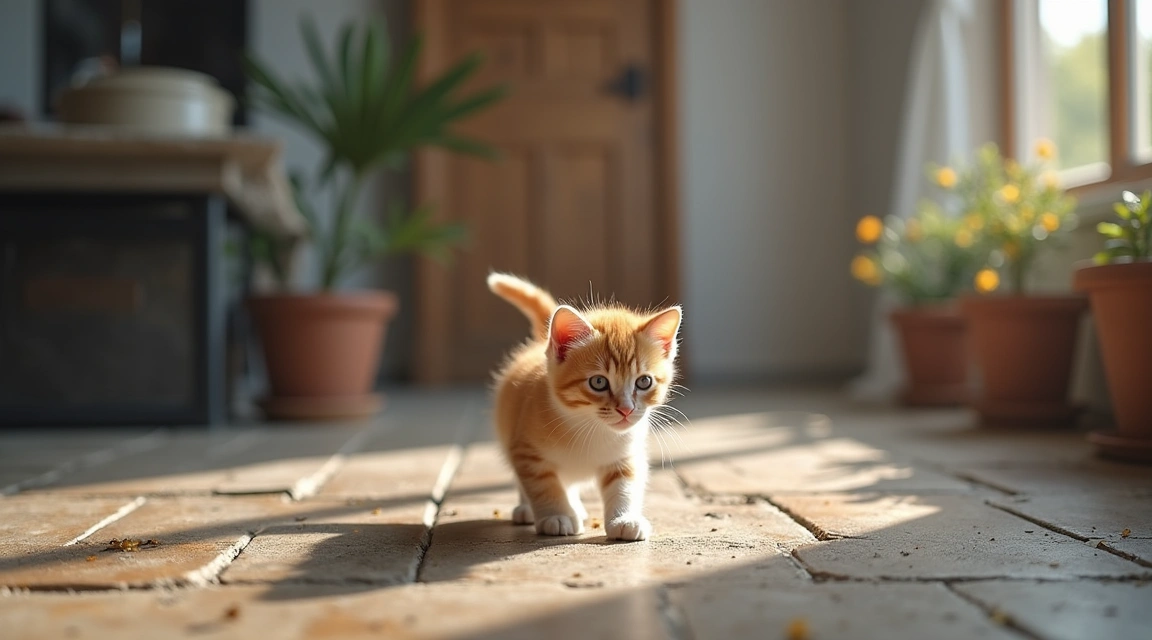
Understanding the Basics of Kitten Litter Training

Bringing home a new kitten is an exciting experience, but one of the first challenges you’ll face is litter training. Fortunately, cats have a natural instinct to bury their waste, which makes the process considerably easier than house-training a puppy. Most kittens begin learning litter box habits from their mothers as early as three to four weeks old, so by the time you adopt your furry friend, they often have a head start.
However, successful litter training still requires patience, the right setup, and an understanding of your kitten’s needs. This comprehensive guide will walk you through proven strategies to ensure your kitten becomes reliably litter trained, helping you avoid common pitfalls and creating a stress-free environment for both you and your new companion.
Essential Criteria for Successful Litter Training
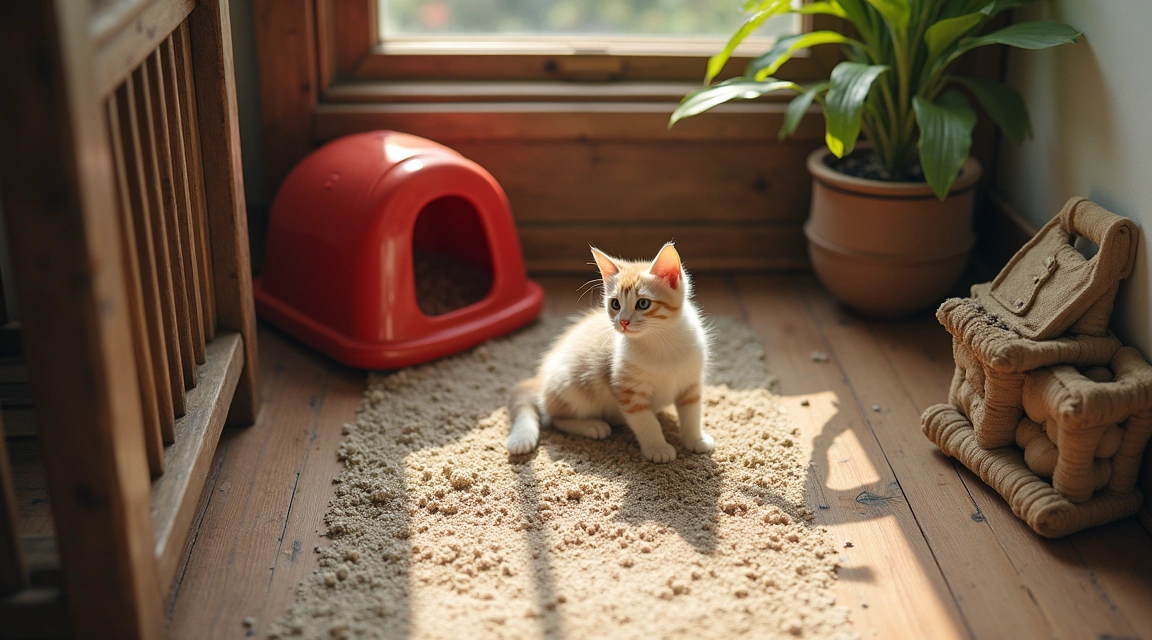
Before diving into specific techniques, it’s important to understand the key factors that contribute to effective litter training:
Location and Accessibility: The litter box should be placed in a quiet, low-traffic area where your kitten feels safe but can easily access it at all times. Avoid placing it near their food and water bowls, as cats naturally prefer to keep these areas separate. For multi-level homes, consider having one litter box per floor during the training period.
Appropriate Litter Box Size: Your kitten needs a box that’s easy to enter and exit. The general rule is that the box should be at least one and a half times the length of your cat. For young kittens, boxes with lower sides (around 2-3 inches) make entry easier, though you’ll need to upgrade as they grow.
Litter Type Selection: Unscented, clumping litter is typically the best choice for kittens. Avoid heavily perfumed varieties, as these can be overwhelming to a kitten’s sensitive nose and may discourage use. The texture should be fine-grained, similar to sand, which appeals to their natural digging instincts.
Quantity and Cleanliness: The standard recommendation is to have one litter box per cat, plus one extra. For a single kitten, two boxes are ideal. Maintain about 2-3 inches of litter depth, and scoop waste at least once daily. Complete litter changes should occur weekly or bi-weekly, depending on usage.
Positive Reinforcement Environment: Never punish a kitten for accidents. Positive reinforcement—gentle praise when they use the box correctly—works far better than scolding, which can create anxiety and worsen house soiling problems.
Comparing Litter Training Approaches

Different training methods work better for different situations. Here’s a comparison of the most effective approaches:
| Method | Best For | Time Required | Success Rate | Key Advantage |
|---|---|---|---|---|
| Natural Discovery | Kittens already exposed to litter boxes by their mother | 1-3 days | 90%+ | Leverages instinct; minimal intervention needed |
| Scheduled Placement | Young kittens (under 8 weeks) or those new to litter boxes | 1-2 weeks | 85-90% | Creates routine and reinforces habit through repetition |
| Confined Space Training | Rescue kittens or those with previous accidents | 2-3 weeks | 80-85% | Provides controlled environment; reduces errors |
| Multi-Box Strategy | Larger homes or multi-level spaces | 1 week | 85-95% | Ensures accessibility; reduces accidents due to distance |
Natural Discovery works when you simply provide access to a clean litter box and allow the kitten’s instincts to take over. Place your kitten in the box after meals and naps, gently scratch the litter with their paw to demonstrate, then leave them to explore.
Scheduled Placement involves proactively placing your kitten in the litter box at predictable times: after waking up, after eating, after play sessions, and before bedtime. This creates a routine and catches them at moments when they’re most likely to need to eliminate.
Confined Space Training starts your kitten in a smaller area (like a bathroom or large crate) with their bed, food, water, and litter box. Once they’re reliably using the box in this space, gradually expand their territory. This method works especially well for kittens who’ve had accidents elsewhere in the home.
Multi-Box Strategy simply provides multiple litter box options throughout your home, making it nearly impossible for your kitten to be too far from an appropriate elimination spot during the learning phase.
Step-by-Step Training Recommendations by Kitten Type

For Standard Kittens (8-12 Weeks, From Responsible Breeders)
These kittens typically have the easiest transition. Start with the natural discovery method:
1. Show your kitten the litter box location as soon as they arrive home 2. Place them in the box after meals and naps 3. Provide gentle praise when you observe box usage 4. Keep the box scrupulously clean 5. Maintain the same litter type they used at the breeder’s facility, if possible
Most kittens in this category will be fully trained within three to five days.
For Very Young Kittens (Under 8 Weeks or Orphaned)
If you’re caring for a very young kitten who hasn’t learned from their mother, you’ll need to be more hands-on:
1. Use shallow boxes with low entry sides 2. Place them in the box every 1-2 hours during waking periods 3. Gently stimulate elimination by softly scratching the litter surface 4. Use unscented, soft litter to protect sensitive paws 5. Keep them confined to a small area initially to prevent overwhelm
Expect this process to take 10-14 days for consistent results.
For Rescue or Previously Outdoor Kittens
Kittens from uncertain backgrounds may need extra patience:
1. Start with confined space training in one room 2. Consider mixing in a small amount of soil with the litter initially to bridge familiarity 3. Watch for elimination signals (sniffing, circling, squatting) and quickly place them in the box 4. Clean any accidents thoroughly with enzymatic cleaners to remove odor 5. Gradually transition to 100% standard litter over 1-2 weeks
Allow 2-3 weeks for reliable training with these kittens.
Troubleshooting Common Litter Training Problems
Avoidance of the Litter Box: If your kitten suddenly stops using the box, first rule out medical issues by consulting your veterinarian. Urinary tract infections and digestive problems can cause litter box avoidance. If health isn’t the issue, evaluate cleanliness, litter type, box location, and whether something scared them while using it.
Going Next to the Box: This often indicates the box is too small, too dirty, or the litter depth is wrong. Some kittens also develop texture preferences—try offering a second box with different litter to see if they show a preference.
Preference for Inappropriate Surfaces: If your kitten repeatedly eliminates on soft surfaces like bedding or carpets, temporarily restrict access to these areas and make the litter more appealing by keeping it extremely fresh. Placing a litter box directly on the preferred inappropriate surface can sometimes redirect the behavior.
Stress-Related Accidents: Changes in the household, new pets, or loud noises can disrupt training. Provide extra litter boxes, create quiet spaces, and consider using feline pheromone diffusers to reduce anxiety during adjustment periods.
The Verdict: Setting Your Kitten Up for Success
Successful kitten litter training combines understanding feline instincts with providing the right environment and gentle guidance. The overwhelming majority of kittens will naturally gravitate toward using a litter box when given appropriate options. Your role is simply to make the correct choice the easiest and most appealing option.
Start with the basics: clean boxes in quiet locations, unscented clumping litter, and multiple box options if you have the space. Use scheduled placement for the first week to establish routine, then trust your kitten’s instincts to take over. Remember that accidents during the first few weeks are normal learning experiences, not failures.
Most importantly, patience and positive reinforcement will always outperform punishment or frustration. Your kitten wants to be clean and will naturally prefer the litter box once they understand it’s available and acceptable. By following these evidence-based tips and tailoring your approach to your kitten’s specific background and needs, you’ll establish good bathroom habits that last a lifetime—typically within just one to three weeks of bringing your new family member home.
—
WordPress Metadata:
json { "title": "Kitten Litter Training Tips: A Complete Guide for New Cat Parents", "meta_description": "Master kitten litter training with expert tips, comparison of training methods, and troubleshooting advice. Learn the best approach for your new cat in 1-3 weeks.", "category": "Cats & Pet Care", "tags": ["kitten training", "litter box training", "cat behavior", "new kitten care", "pet parenting", "kitten tips", "house training cats"] }