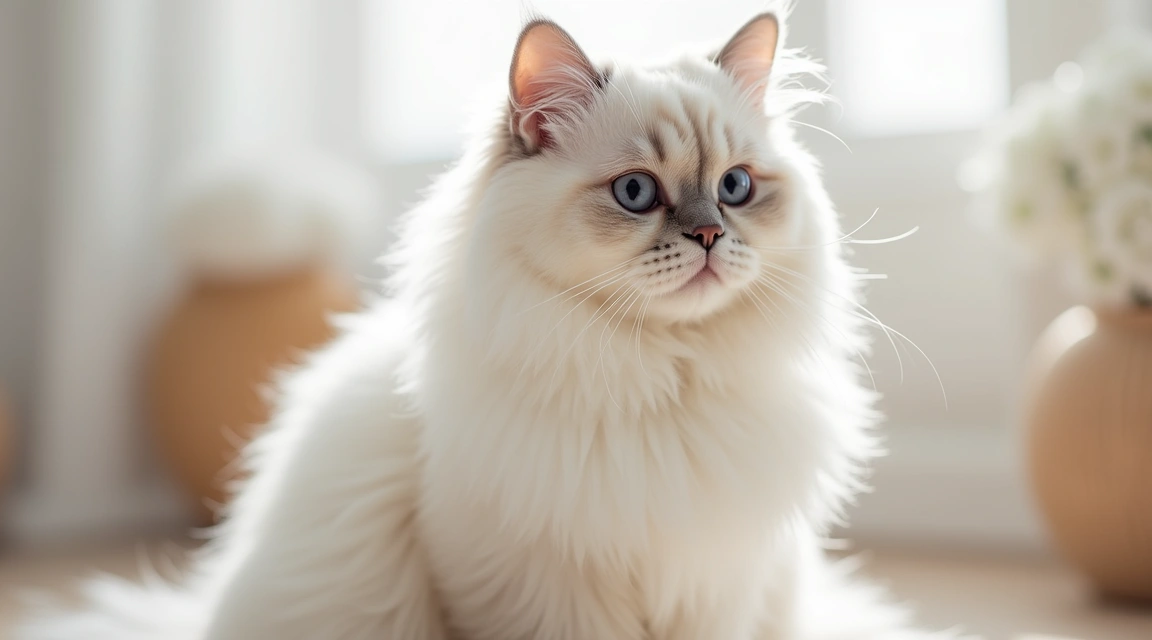
If you’ve ever shared your home with a Persian cat, you know that their luxurious, flowing coat is both their most striking feature and their biggest grooming challenge. I’ve spent years caring for Persians at our cattery, and I can tell you that establishing a consistent grooming routine isn’t just about keeping them beautiful—it’s essential for their health and comfort. A well-groomed Persian is a happy Persian, and while the commitment is significant, the rewards of maintaining that gorgeous coat far outweigh the effort once you develop the right system.
Persian cats possess a dense double coat that can easily mat and tangle without daily attention. Unlike short-haired breeds that manage most of their grooming independently, Persians genuinely need human help to stay comfortable. Through trial and error, I’ve discovered what works and what creates unnecessary frustration for both cat and caretaker. Let me walk you through the practical operating tips that have transformed grooming from a dreaded chore into a manageable part of our daily routine.
The Benefits of a Structured Persian Grooming Routine
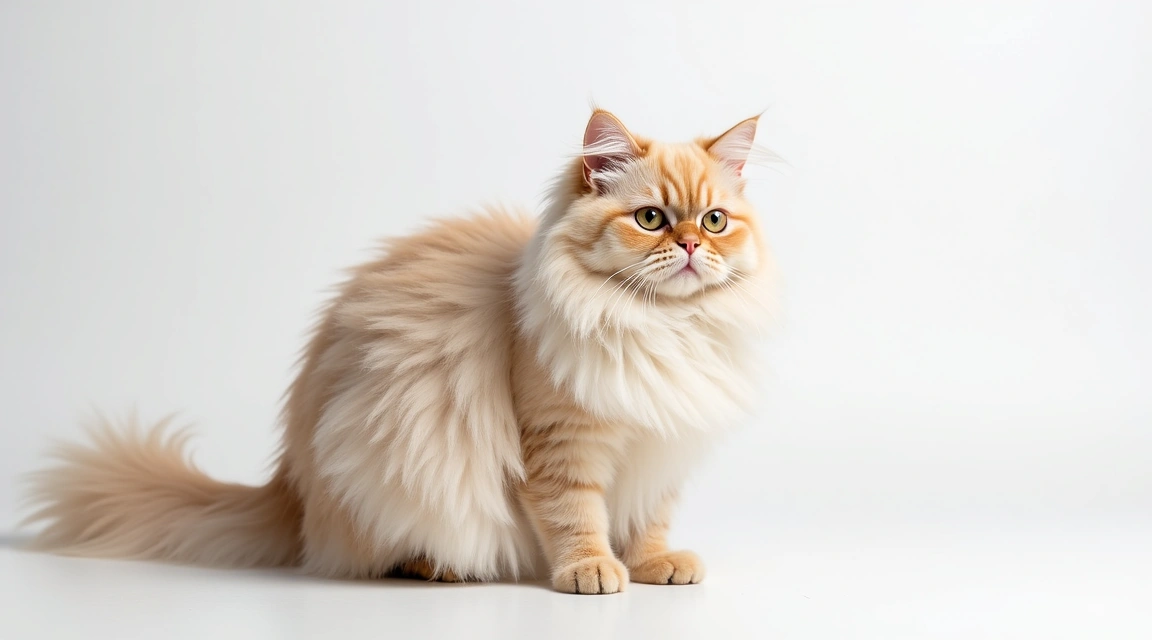
When you commit to a proper grooming schedule, the advantages extend far beyond aesthetics. First and foremost, daily brushing prevents painful mats from forming close to the skin. I’ve seen rescue Persians arrive with severe matting that required veterinary sedation to remove safely—a stressful and expensive situation that’s entirely preventable with consistent care.
Regular grooming sessions also give you early detection opportunities for skin issues, parasites, lumps, or other health concerns. During your daily brush-through, you’re essentially conducting a mini health check. I’ve caught ear infections, dental problems, and even early-stage skin conditions simply because I was handling my cats thoroughly each day. This hands-on time strengthens your bond and helps your Persian associate your touch with positive experiences.
The reduction in hairballs is another significant benefit. Persians ingest substantial amounts of fur during self-grooming, and without your intervention, this can lead to digestive blockages or frequent vomiting. By removing loose undercoat before your cat swallows it, you’re protecting their gastrointestinal system and saving yourself considerable cleanup.
A well-groomed Persian also means a cleaner home. While no long-haired cat is truly low-maintenance, staying ahead of shedding through daily brushing dramatically reduces the amount of fur that ends up on your furniture, clothes, and floors. The time invested in grooming actually saves time you’d otherwise spend vacuuming and lint-rolling.
The Challenges You’ll Face with Persian Grooming
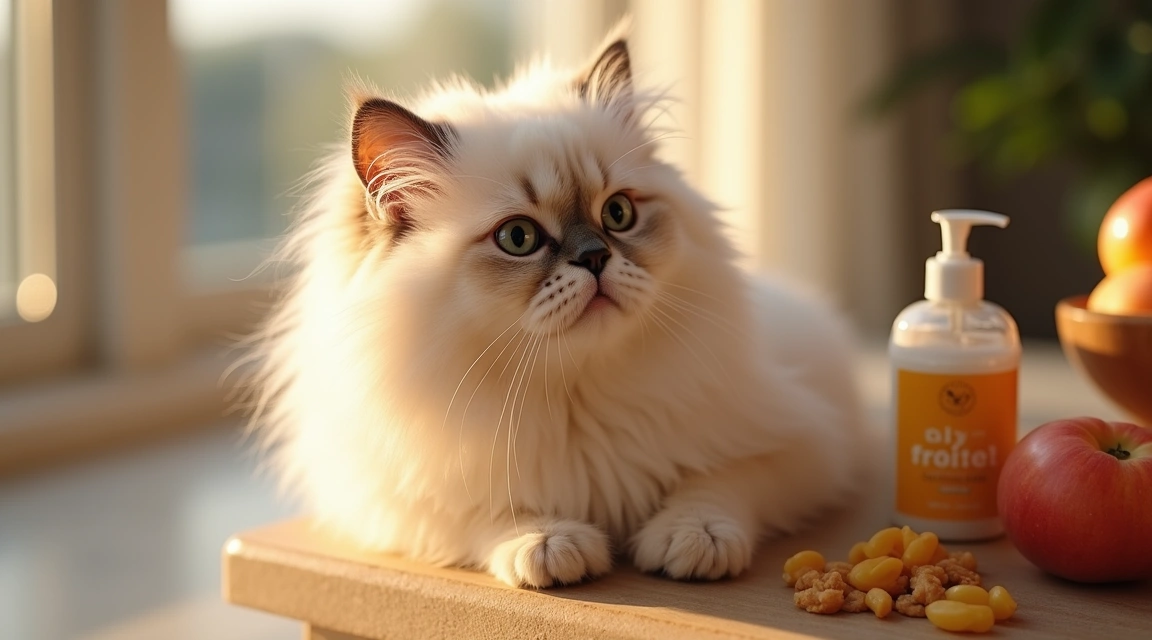
Let’s be honest about the commitment required. Daily grooming isn’t optional for Persians—it’s a necessity that demands 15 to 30 minutes every single day. If you travel frequently or have an unpredictable schedule, maintaining this consistency becomes genuinely difficult. I’ve learned that even skipping two or three days can result in tangles that take an hour to work through carefully.
The financial investment is also worth considering upfront. Quality grooming tools aren’t cheap, and Persians require several specialized items: a stainless steel comb with both wide and narrow teeth, a slicker brush designed for long coats, grooming scissors for sanitary trims, nail clippers, and a good tearstain remover. Budget at least $100 to $150 for your initial toolkit, plus ongoing costs for grooming powder, detangling spray, and replacement tools as they wear out.
Not all Persians cooperate willingly, especially if they weren’t accustomed to handling as kittens. I’ve worked with cats who needed weeks of patient desensitization before they’d tolerate a full grooming session. Some Persians remain forever skeptical of the process, turning what should be a peaceful routine into a wrestling match. This requires extra patience and sometimes creative solutions like breaking sessions into shorter intervals throughout the day.
The eye and face care particular to Persians adds another layer of complexity. Their flat faces and large eyes produce excessive tearing that stains the fur and can harbor bacteria. Cleaning around the eyes daily without stressing your cat takes practice and a gentle touch. I’ve accidentally poked more than one cat in the eye during my learning curve, which understandably made them less enthusiastic about face-cleaning sessions afterward.
Bathing represents perhaps the biggest challenge for many Persian owners. While some cats tolerate water reasonably well, others react as though you’re attempting murder. Yet Persians typically need bathing every four to six weeks to prevent their coat from becoming greasy and matted. This means developing a bathing strategy that minimizes stress while thoroughly cleaning a substantial amount of fur—not a simple task.
Who Should Commit to a Persian Grooming Routine
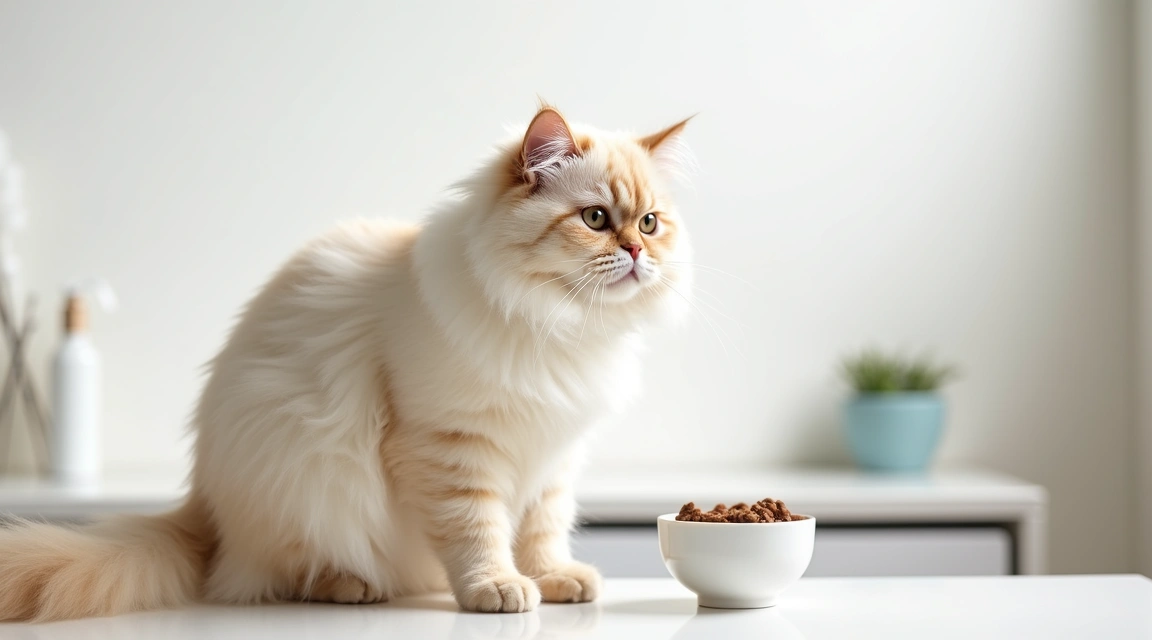
Persian cats thrive with owners who genuinely enjoy hands-on animal care and have predictable daily schedules. If you find grooming meditative rather than tedious, and if you’re home most evenings to maintain consistency, you’re an ideal Persian caretaker. Retirees, remote workers, and homebodies often manage Persian grooming successfully because they’re present for the daily sessions.
This breed suits people who appreciate structure and routine in their own lives. The grooming schedule needs to happen at roughly the same time each day, and Persians respond well to this predictability. If you’re already the type who follows morning and evening routines faithfully, incorporating cat grooming becomes a natural extension of your existing habits.
However, frequent travelers, people with demanding variable schedules, or anyone hoping for a low-maintenance pet should honestly reconsider. I’ve seen too many Persians surrendered to rescues because their owners underestimated the grooming commitment. If you work long hours with an unpredictable schedule, or if you travel for business regularly, even the most devoted intention often isn’t enough to maintain the required consistency.
Families with young children can successfully keep Persians, but someone responsible must be clearly designated as the primary groomer. Children can help and learn responsibility through participation, but the ultimate accountability can’t rest on a child’s shoulders. Similarly, elderly owners should realistically assess whether they have the physical stamina and dexterity for daily grooming sessions, as arthritis or reduced mobility can make the repetitive motions challenging.
Frequently Asked Questions
How long does it actually take to groom a Persian cat each day?
For a healthy, well-maintained Persian with no existing mats, plan on 15 to 20 minutes daily for brushing, combing, and face cleaning. If you’re working through tangles or your cat is shedding heavily, sessions can extend to 30 to 40 minutes. Monthly baths add another hour to 90 minutes, depending on your cat’s cooperation level and how thorough you are with drying. The time investment decreases once you and your cat establish a smooth routine, but it never becomes truly quick.
Can I skip days if my Persian’s coat looks fine?
This is tempting but generally unwise. The undercoat continues to shed and can begin forming small tangles even when the surface coat appears smooth. I’ve made this mistake myself—skipping a few days when I was busy, only to discover hidden mats near the skin that took far longer to remove than the grooming sessions I’d skipped. Consistency is significantly easier than catch-up grooming. If you absolutely must skip a day occasionally, do a quick five-minute check of high-mat areas like behind the ears, under the arms, and around the rear legs.
What’s the single most important tool for Persian grooming?
While you need several tools, a high-quality stainless steel comb with varying tooth widths is your most essential investment. A slicker brush removes surface tangles and loose fur, but only a metal comb reaches down to the skin to detect and remove forming mats. I use the comb as my final check after brushing—if the comb glides smoothly from skin to tip throughout the entire coat, I know the job is done properly. Cheap combs with uneven teeth can catch and pull, making grooming uncomfortable for your cat and less effective for you.
Establishing a Persian grooming routine requires honest assessment of your lifestyle and genuine commitment to daily care. The process becomes easier and more enjoyable as both you and your cat adapt to the rhythm, but the time requirement remains constant. For those willing to make this investment, the reward is a healthy, comfortable cat with a stunning coat that showcases the breed at its magnificent best.