
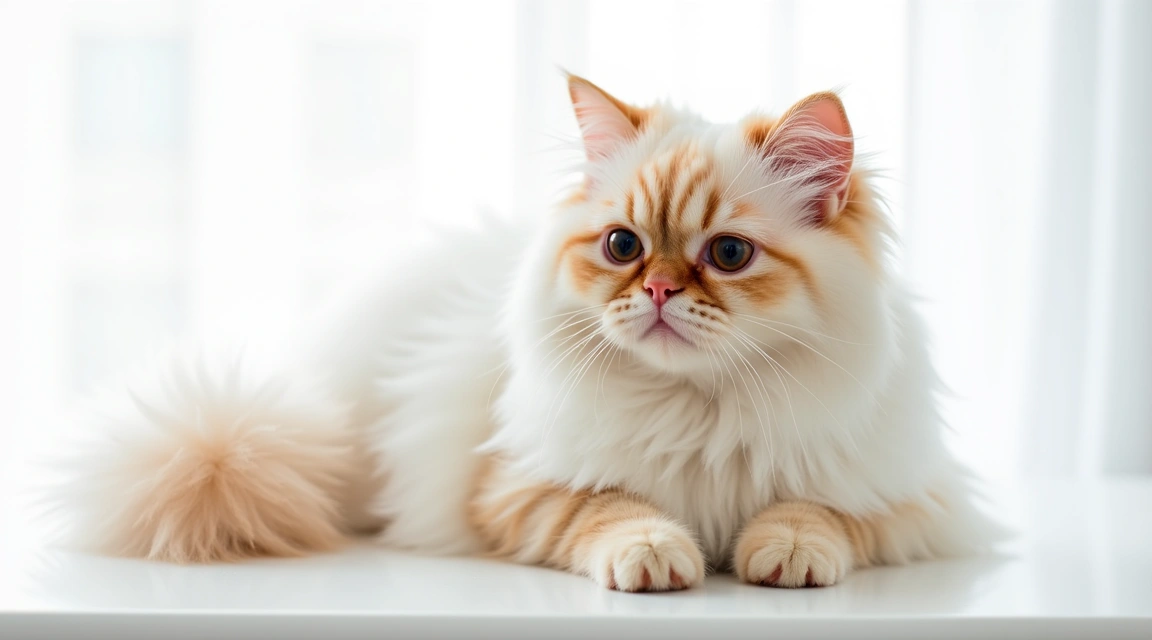
Persian cats are among the most recognizable and beloved breeds, known for their luxurious long coats, sweet personalities, and distinctive flat faces. However, their stunning appearance comes with significant grooming responsibilities. Unlike short-haired breeds that can largely maintain their own coats, Persians require daily attention to prevent matting, skin problems, and discomfort. For beginners, establishing a proper grooming routine may seem overwhelming, but with the right approach and tools, it becomes a manageable and even enjoyable bonding experience with your feline companion.
This guide breaks down the essential grooming tasks every Persian cat owner should master, from daily brushing techniques to facial care, bathing schedules, and nail maintenance. Whether you’ve just brought home your first Persian kitten or adopted an adult cat, understanding these fundamental practices will help keep your pet healthy, comfortable, and looking their best.
Essential Grooming Tools and Supplies
Before establishing your routine, assembling the right toolkit makes every grooming session more effective and less stressful for both you and your cat. Quality tools are an investment that pays off in easier maintenance and better results over time.
A wide-toothed metal comb is your primary tool for working through the dense Persian coat, reaching down to the skin to prevent mats from forming at the base. Follow this with a finer-toothed comb for finishing work. A slicker brush helps remove loose undercoat during shedding seasons, though it should be used gently to avoid irritating the skin. Many Persian owners also appreciate a bristle brush for distributing natural oils and creating that show-quality shine.
For facial care, keep unscented pet-safe wipes or a soft cloth specifically for cleaning around the eyes and nose folds. The flat facial structure of Persians means tear staining and discharge accumulation are daily concerns that require gentle, consistent attention.
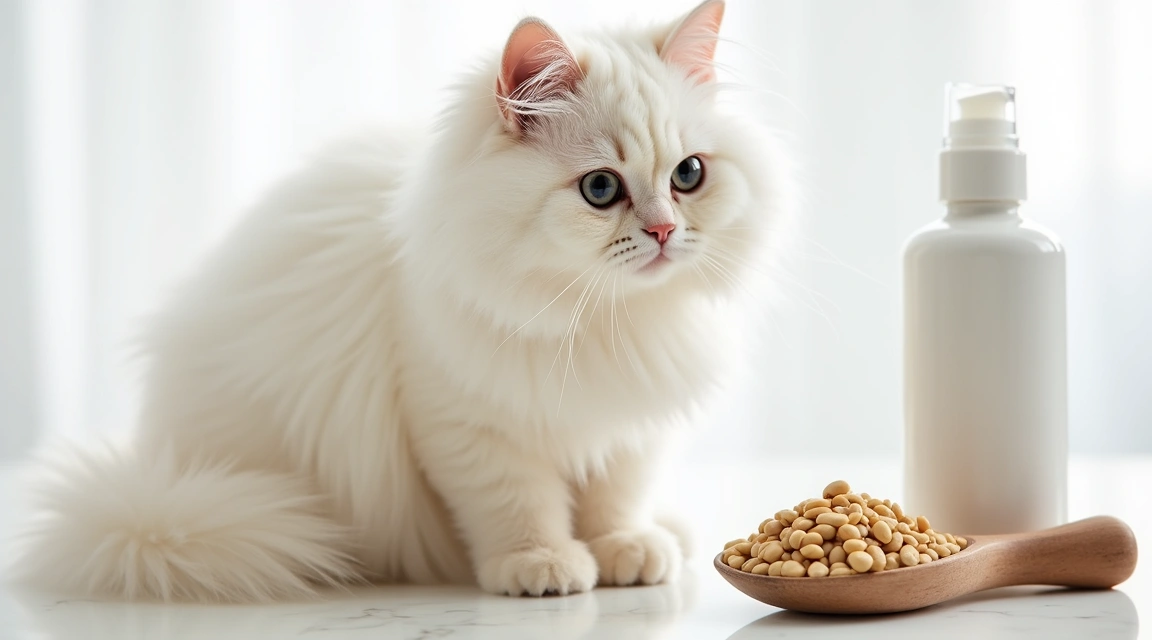
Additional supplies include cat-specific nail clippers or a grinder, a gentle cat shampoo formulated for long coats, cotton balls for ear cleaning, and pet-safe eye cleaning solution. Having treats nearby helps create positive associations with grooming time, especially when introducing new tools or procedures.
Daily Brushing: The Foundation of Persian Care
Daily brushing is non-negotiable for Persian cats. Their double coat consists of a soft, dense undercoat beneath long guard hairs, and without daily attention, these layers quickly tangle into painful mats that can pull on the skin and create breeding grounds for bacteria or parasites.
Begin each session by gently combing through the coat in sections, working from head to tail. Start with areas that mat most easily: behind the ears, under the legs, the armpits, and the belly area. Many cats are sensitive in these spots, so approach them gradually as your pet becomes accustomed to the routine. Use the wide-toothed comb first to work through any tangles, holding the fur at the base to avoid pulling on the skin if you encounter resistance.
Work in the direction of hair growth, using short, gentle strokes rather than long pulls. If you find a small mat, try to tease it apart with your fingers or the comb tip, working from the outside edge inward. For stubborn mats, a mat splitter tool can help, but if mats become severe or cover large areas, consult a professional groomer rather than risking injury to your cat.
A typical daily brushing session should take between ten and twenty minutes once both you and your cat are comfortable with the process. Early morning or evening, when your cat is naturally calmer, often works best. Some owners find their Persians enjoy grooming so much it becomes a treasured ritual, while others need to approach it in shorter, more frequent sessions.
Facial Care and Eye Cleaning
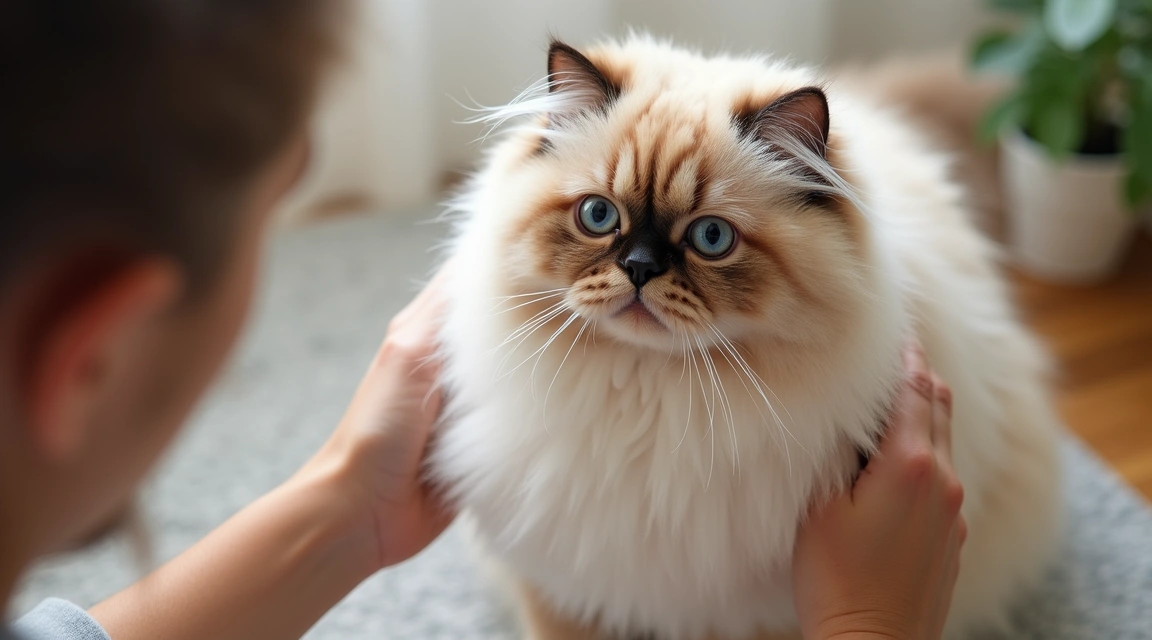
The brachycephalic (flat-faced) structure that gives Persians their distinctive appearance also creates grooming challenges, particularly around the eyes and nose. Their shortened nasal passages and prominent eyes lead to increased tearing, and the facial folds can trap moisture and debris.
Check your Persian’s face daily, ideally in natural light where you can clearly see any discharge buildup. Using a clean, damp cloth or pet-safe wipe, gently clean the corners of the eyes and the creases around the nose. Work outward from the eye, using a fresh section of cloth for each eye to prevent spreading any potential infection. Some tear staining is normal in light-colored Persians and may leave reddish-brown marks, but excessive discharge, greenish color, or signs of eye irritation warrant a veterinary visit.
The fur around the face should also be kept trimmed or carefully combed to prevent it from irritating the eyes. Many owners prefer to have a professional groomer handle facial trims to avoid the risk of scissors near sensitive areas, especially while still learning proper techniques.
For cats who develop significant tear staining, maintaining a dry, clean face becomes even more important. Some owners find that switching to ceramic or stainless steel food and water bowls reduces staining, as plastic can harbor bacteria. Consult your veterinarian if staining worsens or is accompanied by squinting, redness, or behavioral changes, as underlying health issues may need attention.
Bathing Schedule and Technique
Unlike many cat breeds, Persians benefit from regular baths to keep their long coats clean and manageable. Most Persian owners establish a bathing schedule of once every four to six weeks, though this can vary based on the individual cat’s lifestyle, coat condition, and whether they attend shows.
Before bathing, always brush your Persian thoroughly to remove loose hair and work out any tangles or mats. Bathing a matted coat can tighten the mats, making them worse and harder to remove. Prepare your bathing area in advance with lukewarm water, shampoo, towels, and a non-slip mat in the sink or tub.
Wet the coat gradually using a handheld sprayer or cup, avoiding the face initially. Apply a diluted cat-specific shampoo, working it through the coat in the direction of hair growth. Pay particular attention to areas where oils accumulate, such as the base of the tail and around the neck. Rinse thoroughly—leftover shampoo can cause skin irritation and attract dirt.
For the face, use a damp washcloth rather than direct water spray, carefully cleaning around the eyes and muzzle. After rinsing completely, gently squeeze excess water from the coat before wrapping your cat in a towel. Most Persians tolerate blow-drying on a low, cool setting, which helps prevent the undercoat from staying damp and developing mildew odor. Brush continuously while drying to prevent new tangles from forming in the wet coat.
Nail, Ear, and Dental Maintenance
Beyond coat care, a complete grooming routine includes attention to nails, ears, and teeth. Persian cats typically need nail trims every two to three weeks. Examine the paws regularly for any debris caught in the long fur between the toe pads, as this can cause discomfort when walking.
When trimming nails, work in a well-lit area where you can clearly see the quick—the pink area inside the nail containing blood vessels and nerves. Trim only the clear, curved tip, using sharp cat nail clippers and cutting at a slight angle. If your cat resists, try doing just a few nails per session rather than completing all four paws at once.
Check ears weekly for signs of wax buildup, debris, or odor. Persians don’t typically have more ear issues than other breeds, but regular inspection helps catch problems early. Clean only the visible outer ear with a cotton ball dampened with veterinarian-approved ear cleaner, never inserting anything into the ear canal itself.
Dental care is equally important, as Persians can be prone to dental disease. Ideally, brush your cat’s teeth several times weekly using cat-specific toothpaste and a soft brush or finger brush. Start gradually, letting your cat become accustomed to having their mouth handled before introducing the brush. Many owners find that incorporating dental treats and annual professional cleanings helps maintain oral health alongside home care. For more comprehensive health guidance, explore our Cat Health resources.
Building a Sustainable Routine
The key to successful Persian grooming is consistency and patience. Start with short sessions when your cat is young or newly adopted, gradually increasing duration as they become comfortable with handling. Always end on a positive note with treats, play, or affection, even if you didn’t complete everything you planned.
Many beginners find it helpful to create a weekly checklist: daily brushing and facial cleaning, weekly ear and nail checks, and monthly or bi-monthly baths. Keeping grooming supplies in a designated basket or drawer makes it easier to maintain the routine without having to search for tools each time.
Watch for signs that grooming is causing stress—excessive vocalization, hiding afterward, or aggressive behavior during sessions. If these occur, slow down, break tasks into smaller pieces, or consult with your veterinarian about whether there might be an underlying pain or health issue making grooming uncomfortable.
Remember that professional grooming is always an option, either for full-service appointments or specific tasks you find challenging, such as sanitary trims or bathing. Many Persian owners develop a hybrid approach, handling daily maintenance themselves while scheduling professional grooming every few months for more intensive care.
With commitment and the right approach, grooming your Persian cat becomes less of a chore and more of a special time that strengthens your bond. Their coat will remain healthy and beautiful, and you’ll quickly learn to spot any skin issues, parasites, or health changes during your regular grooming sessions. The time invested in proper grooming pays dividends in your Persian’s comfort, health, and the stunning appearance that makes this breed so admired.