
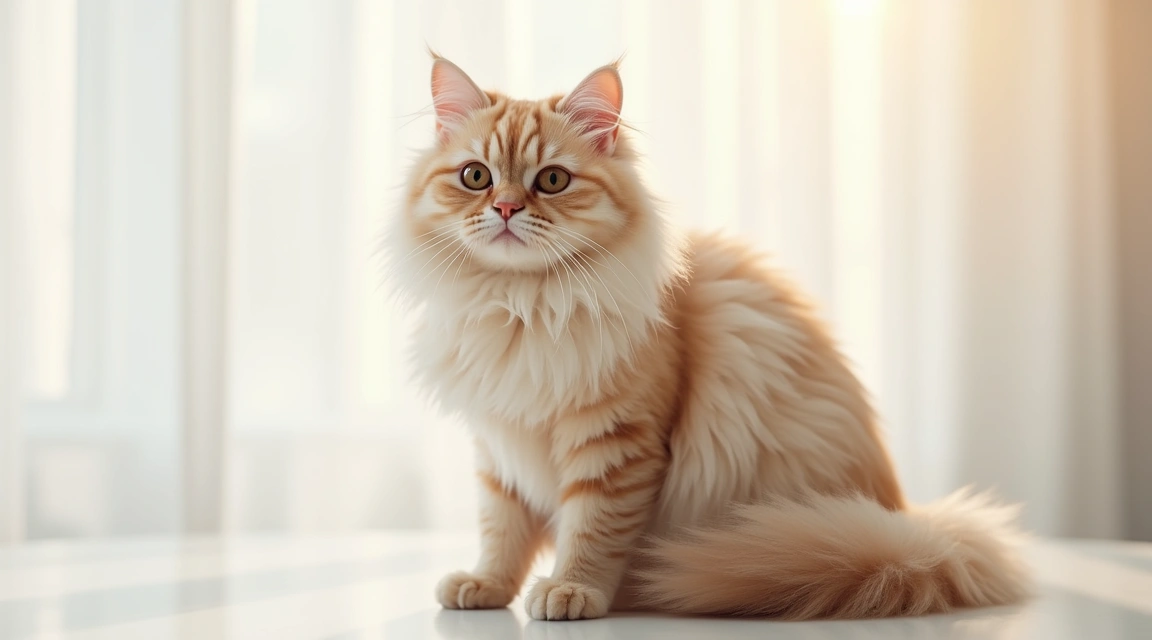
Persian cats require consistent, methodical grooming to maintain their health and signature appearance—an essential commitment that every owner must understand before bringing one of these luxurious felines home. Their dense, flowing coats can mat within days without proper care, leading to skin infections and discomfort that compromise their quality of life. Establishing a structured grooming routine transforms what seems like an overwhelming task into a manageable daily practice that strengthens the bond between owner and cat while preventing costly veterinary interventions.
The distinctive feature of Persian cats—their long, silky double coat—demands attention that far exceeds the needs of short-haired breeds. This coat structure traps shed hair, oils, and debris close to the skin, creating an environment where mats form rapidly if left unattended. Understanding the practical standards for Persian grooming means recognizing that this isn’t optional maintenance but a health necessity comparable to regular dental care or nutrition monitoring. Owners who commit to these standards find that their Persians remain comfortable, active, and free from the painful tangles that plague neglected long-haired cats.
Daily Brushing Protocol
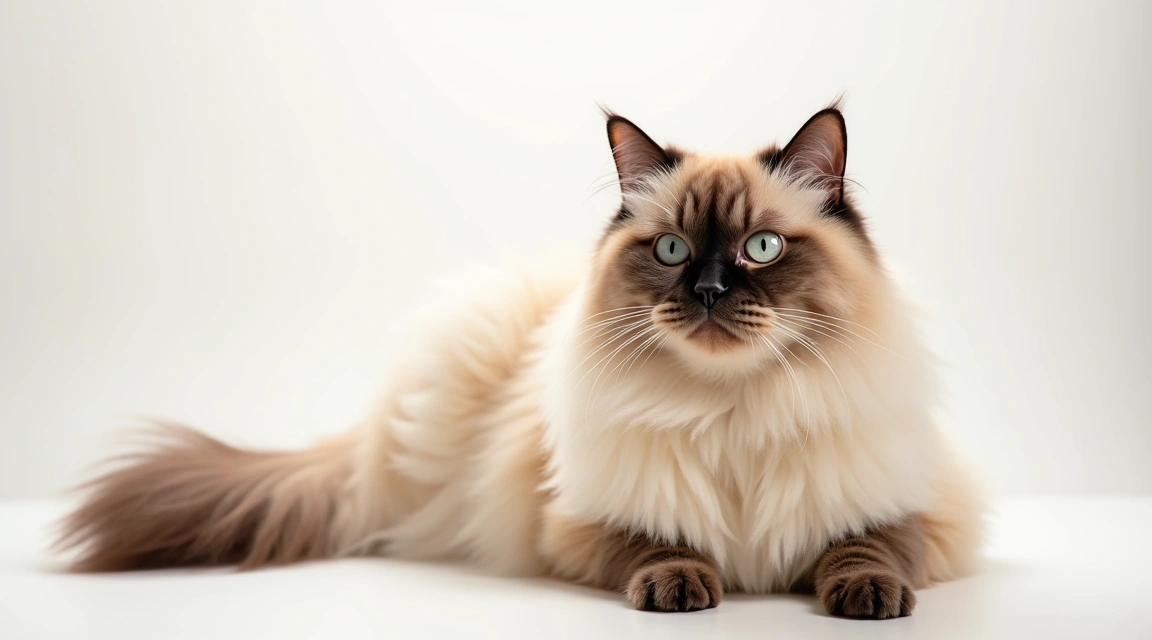
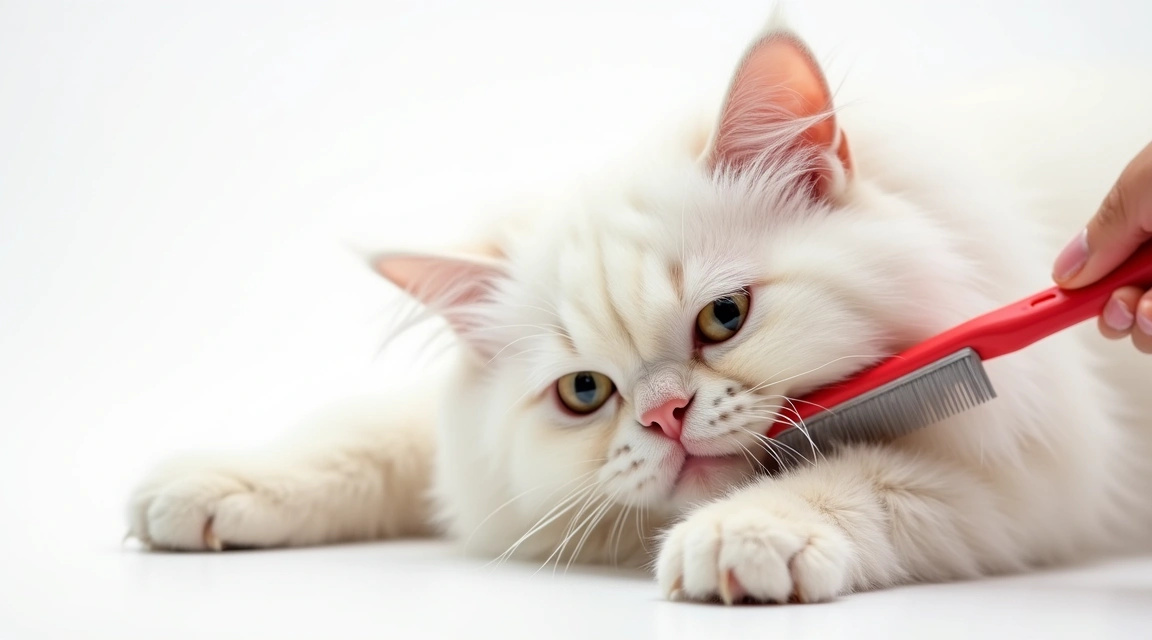
The cornerstone of Persian cat grooming is daily brushing, ideally performed at the same time each day to establish routine. Use a wide-toothed metal comb first to work through the coat systematically, starting at the head and moving toward the tail in sections. Pay particular attention to high-friction areas where mats develop fastest: behind the ears, under the front legs, in the groin area, and along the belly. A common mistake among new Persian owners is brushing only the visible outer coat while neglecting the undercoat where tangles actually originate.
After combing, follow with a slicker brush to remove loose undercoat and distribute natural oils throughout the fur. This two-tool approach takes approximately fifteen to twenty minutes for an adult Persian with a full coat. Cats introduced to this routine as kittens generally tolerate it well, while adult rescues may need gradual desensitization with shorter sessions and treats. The investment in quality grooming tools pays dividends—cheap combs with rough seams can snag and hurt, creating negative associations that make future grooming sessions difficult.
During brushing, inspect the skin for redness, flaking, or parasites. The close contact also allows early detection of lumps, wounds, or abnormalities that might otherwise go unnoticed beneath the thick coat. This preventive monitoring aspect makes grooming sessions doubly valuable as routine health checks.
Bathing Standards and Technique
Unlike most cats, Persians benefit from regular bathing every four to six weeks, a practice that removes excess oil and prevents the greasy buildup that weighs down their coat. Proper bathing technique matters significantly—using lukewarm water and a cat-specific shampoo formulated for long coats prevents skin irritation while effectively cleaning. Always brush thoroughly before bathing, as water sets mats into nearly impossible tangles.
The bathing process begins with gentle pre-wetting, avoiding the face initially to reduce stress. Apply diluted shampoo and work it through the coat in the direction of hair growth, using your fingers to reach the skin without harsh scrubbing. Rinse completely, as residual shampoo causes itching and attracts dirt. Many Persian owners find that a second, lighter shampoo application followed by a conditioning treatment reduces static and makes post-bath brushing easier.
Drying requires patience and proper tools. Towel-blot excess water, then use a pet-safe blow dryer on a low, cool setting while continuously brushing. High heat damages coat texture and can burn sensitive skin. The drying process often takes longer than the bath itself, but thorough drying prevents the dampness that encourages bacterial growth and hot spots. Never allow a Persian to air-dry completely, as the dense coat holds moisture against the skin for hours.
Facial Maintenance and Tear Staining
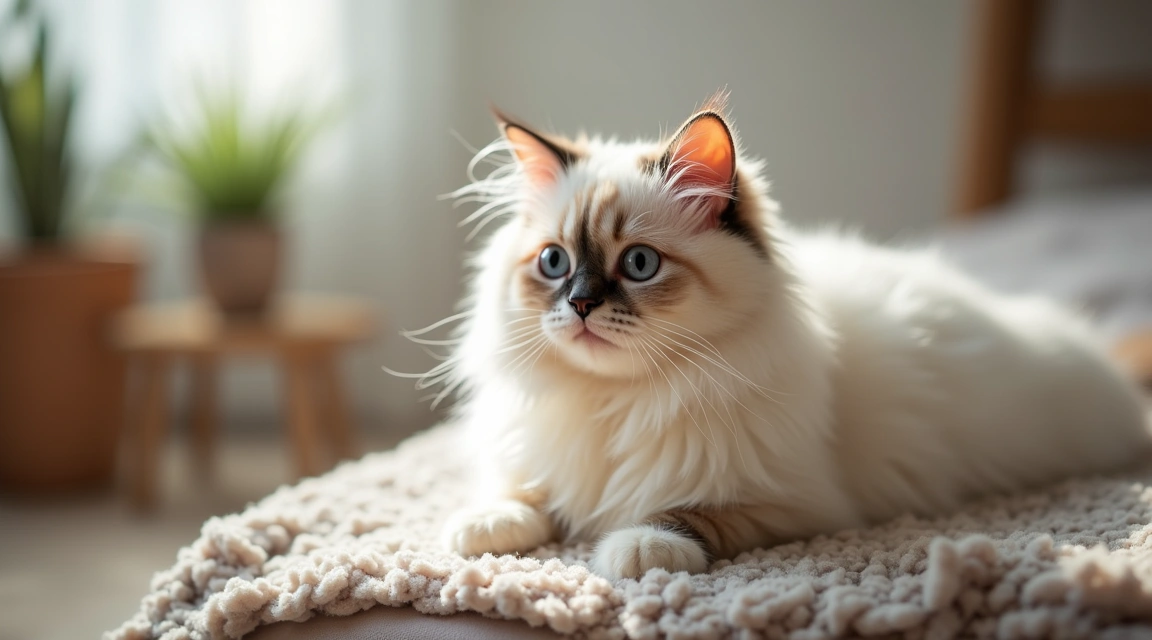
The brachycephalic (flat) facial structure of Persians creates unique grooming challenges, particularly around the eyes. Their shortened tear ducts cause normal eye discharge to overflow onto facial fur, creating the characteristic tear stains that range from light brown to rust-colored. Daily facial cleaning prevents this discharge from hardening into crusty buildup that irritates skin and harbors bacteria.
Use a soft, damp cloth or commercial tear-stain wipe to gently clean the area under each eye, working from the inner corner outward. Some owners prefer separate cloths for each eye to prevent cross-contamination if an infection develops. For persistent staining, specialized tear-stain removers formulated for cats can help, though addressing underlying causes—such as diet, water quality, or blocked tear ducts—often proves more effective than topical treatments alone.
The nose fold above the nose leather also requires attention, as debris accumulates in this crevice and can cause infections if neglected. A cotton swab dampened with warm water cleans this area safely when done gently. Regular facial grooming becomes second nature with practice and significantly improves the Persian’s comfort and appearance. For more comprehensive information about maintaining your cat’s overall health, visit our Cat Health section.
Nail, Ear, and Sanitary Trimming
Complete Persian grooming extends beyond coat care to include nail trimming every two to three weeks. Long nails not only damage furniture but can curl into paw pads, causing pain and mobility issues. Use sharp, cat-specific nail clippers and trim only the clear tip, avoiding the pink quick that contains blood vessels and nerves. If uncertain about the technique, ask a veterinarian or professional groomer to demonstrate proper positioning and cutting angle.
Ear cleaning should occur monthly or as needed, using a veterinarian-approved ear cleaner and cotton balls—never cotton swabs, which can damage the ear canal. The heavy coat around Persian ears traps dirt and wax, making regular checks important. Healthy ears appear pink with minimal odor and light wax. Dark, crumbly debris may indicate ear mites, while redness and strong odor suggest infection, both requiring veterinary attention.
Sanitary trimming of the fur around the rear end prevents fecal matter from clinging to long coat hairs, a common hygiene issue in Persians. Using blunt-tipped scissors, carefully trim the fur in this area to about one inch length, creating a cleaner zone that reduces mess and odor. This practical modification doesn’t affect appearance from normal viewing angles but dramatically improves daily cleanliness.
Professional Grooming Considerations
Even dedicated owners may benefit from professional grooming services every few months, particularly for thorough sanitary clips, difficult mat removal, or the specialized lion cut that some owners choose during hot weather. Professional groomers possess tools and techniques for handling resistant cats and can address problems like severe matting that home grooming cannot safely resolve.
When selecting a groomer, look for experience specifically with Persians and long-haired breeds. Tour the facility beforehand, observing cleanliness and how staff handle cats. A quality groomer will ask about your cat’s temperament, health issues, and grooming history rather than offering one-size-fits-all service. Establishing a relationship with a trusted groomer provides backup for times when home grooming falls behind or when health issues require professional expertise.
The cost of professional grooming varies by region and service level but represents a worthwhile investment in your Persian’s wellbeing. Many owners alternate between home maintenance and professional sessions, creating a sustainable routine that keeps their cat in optimal condition without overwhelming their schedule or budget.
Common Grooming Mistakes to Avoid
The most damaging mistake Persian owners make is attempting to cut out mats with scissors, a practice that frequently results in painful skin cuts requiring veterinary care. Mats sit closer to skin than they appear, and cats move unpredictably. Instead, work mats out gradually with a mat splitter or dematting comb, or seek professional help for severe cases.
Another common error is grooming only when mats appear, by which point the problem has progressed significantly. Prevention through daily maintenance requires far less time and effort than remediation. Skipping grooming sessions “just this once” quickly becomes a pattern that leaves cats uncomfortable and creates exponentially more work later.
Using human grooming products on cats causes problems ranging from skin irritation to toxicity, as cat skin has a different pH than human skin and cats groom themselves, ingesting whatever coats their fur. Always use products specifically formulated and labeled safe for cats. Similarly, essential oils, which appear in many natural grooming products, can be toxic to cats even in small amounts.
The practical reality of Persian cat grooming is that it demands significant time but becomes manageable through consistent routine and proper technique. Owners who embrace these standards as non-negotiable care requirements find that their Persians thrive, displaying the breed’s gentle temperament and stunning appearance without the health complications that neglected grooming inevitably produces. The commitment to daily grooming distinguishes responsible Persian ownership from well-intentioned but ultimately inadequate care that leaves these magnificent cats suffering preventable discomfort.