
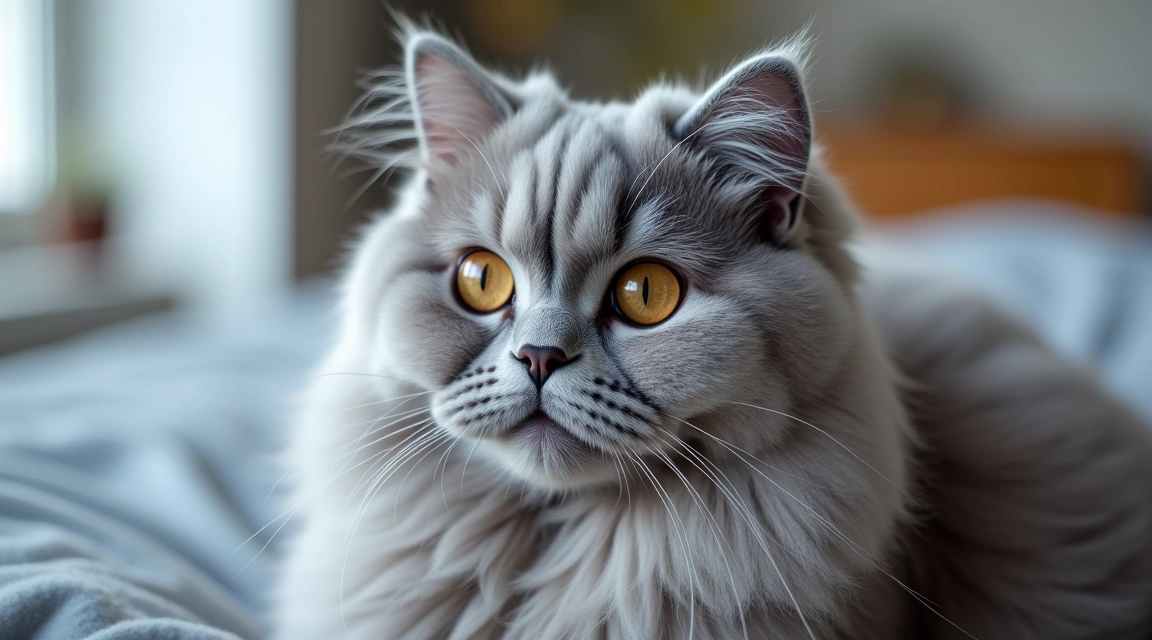
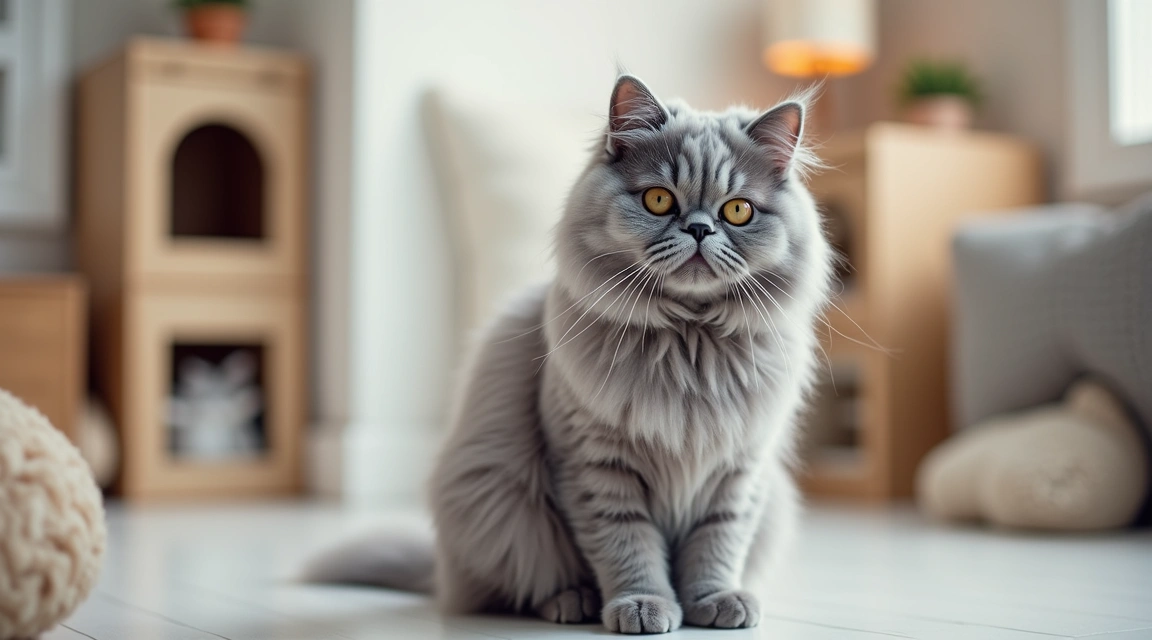
The Blue Persian cat stands as one of the most recognizable and sought-after color variations within the Persian breed. With their distinctive slate-gray coat, copper or deep orange eyes, and luxurious fluffy appearance, these felines embody elegance and refinement. Blue Persians have captured the hearts of cat enthusiasts for generations, combining the breed’s characteristic gentle temperament with a striking aesthetic that photographs beautifully and commands attention in any home.
For prospective owners considering a Blue Persian, understanding the breed’s specific needs, grooming requirements, and personality traits is essential. These cats require significant daily care and thrive in calm, stable environments where their affectionate nature can flourish. This comprehensive overview explores what makes the Blue Persian unique, what potential owners should know before bringing one home, and how to provide the best possible care for these magnificent animals.
History and Development of the Blue Persian
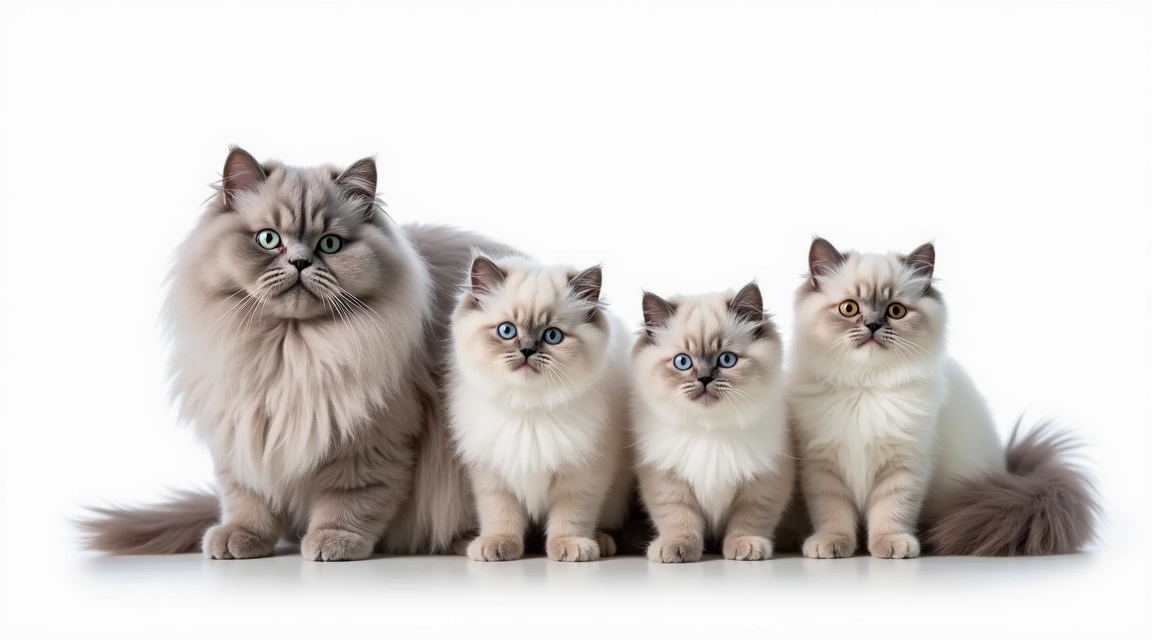
The Persian cat breed itself has ancient roots, with longhaired cats from Persia (modern-day Iran) being introduced to Europe in the 1600s. However, the Blue Persian as a distinct color variety gained particular prominence during the Victorian era in England, where selective breeding programs focused on refining coat colors and body type. Queen Victoria’s affection for Blue Persians helped elevate the variety’s status among aristocratic circles.
The “blue” designation refers to a dilute form of black, creating a coat that ranges from light silver-gray to deeper slate tones. This coloration results from a specific genetic combination where the dilution gene affects black pigment production. Breeders worked deliberately to establish consistent blue coloring while maintaining the Persian’s signature features: a round head, short muzzle, small ears, and a cobby body type.
Throughout the twentieth century, Blue Persians became fixtures at cat shows and breeding programs worldwide. The Cat Fanciers’ Association and other major registries recognize blue as one of the solid color divisions within the Persian breed standard. Today’s Blue Persians are the product of careful lineage management designed to preserve both their distinctive appearance and gentle temperament.
Exploring different cat breeds helps potential owners understand how the Blue Persian compares to other varieties in terms of care requirements and personality.
Physical Characteristics and Appearance Standards
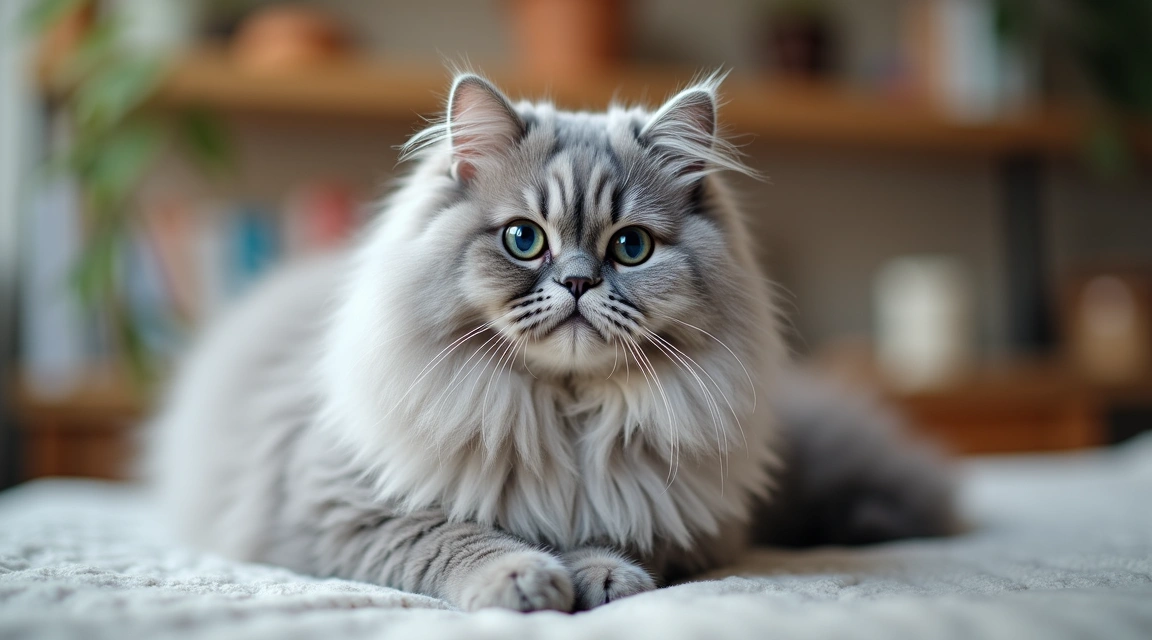
Blue Persians exhibit the classic Persian body structure: a substantial, well-balanced build with a broad chest, short legs, and a full, flowing tail. Their heads are notably round with full cheeks, creating the “sweet expression” that Persian fanciers prize. The nose is short and snubbed, positioned between the eyes in what breeders call a “break,” though the degree of flatness varies among bloodlines.
The coat is the breed’s most defining feature. Blue Persians possess a dense double coat with a soft, woolly undercoat and longer guard hairs that create a luxurious texture. The blue coloration should ideally be even throughout, from roots to tips, though lighter shades on the undercoat are common. Kittens may show faint tabby markings that typically fade as the adult coat develops. The coat requires substantial maintenance to prevent matting and maintain its signature appearance.
Eye color in Blue Persians typically ranges from copper to deep orange, creating a striking contrast against the gray-blue fur. Green or blue-green eyes occasionally appear but are considered faults in show standards for solid blue cats. The eyes are large, round, and set wide apart, contributing to the breed’s characteristically sweet facial expression.
Adult Blue Persians typically weigh between seven and twelve pounds, with males generally larger than females. Their compact, muscular build gives them surprising heft despite their moderate size. The overall impression should be one of power and substance balanced with refinement and grace.
Temperament and Personality Traits
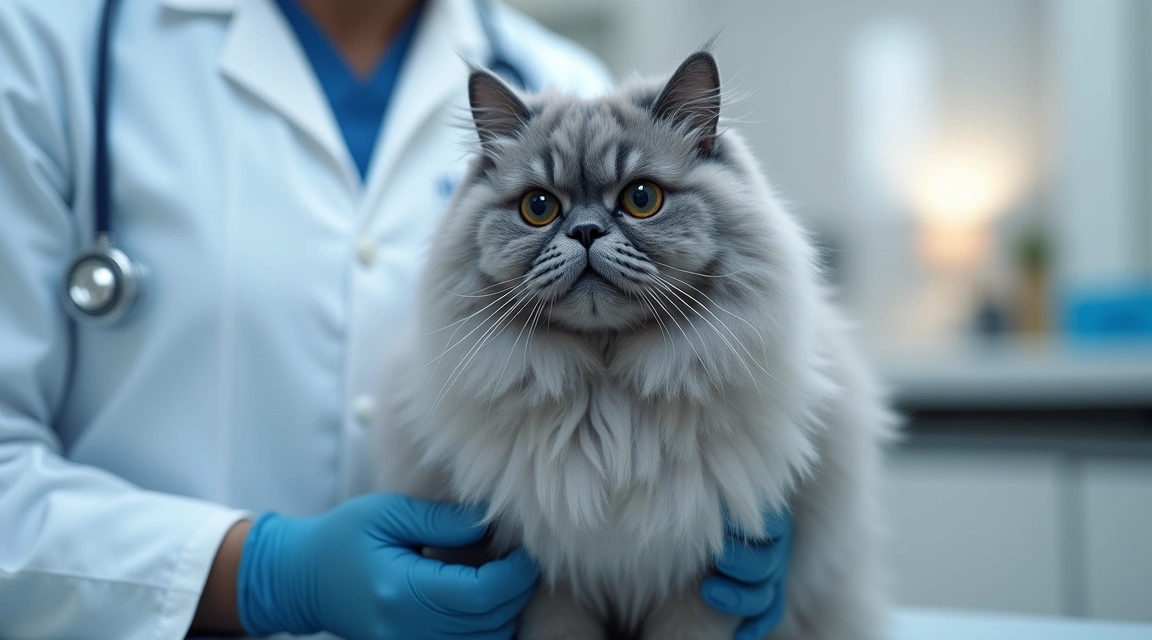
Blue Persians are renowned for their calm, gentle dispositions. These cats typically prefer serene environments and form strong bonds with their human families. Unlike more active breeds, Persians generally enjoy lounging in comfortable spots, observing their surroundings with quiet dignity rather than engaging in constant play or exploration.
These cats often show affection through proximity rather than demanding constant interaction. A Blue Persian might choose to sit near you rather than on your lap, though many do enjoy gentle petting sessions and will seek attention on their own terms. They communicate with soft, melodious voices and are not typically vocal cats, preferring quiet companionship to constant conversation.
Blue Persians adapt well to indoor living and generally show less interest in outdoor exploration than many other breeds. This tendency, combined with their need for coat protection from weather and debris, makes them ideal strictly indoor companions. They coexist peacefully with other calm pets but may become stressed by overly energetic animals or chaotic households.
With children, Blue Persians can be excellent companions when interactions remain gentle and respectful. These cats appreciate predictable routines and may retreat from rough play or excessive noise. Teaching children appropriate handling and respecting the cat’s need for quiet time creates the foundation for positive relationships.
Grooming Requirements and Daily Care
Grooming represents the most significant commitment for Blue Persian owners. The luxurious coat that defines the breed requires daily brushing to prevent mats and tangles from forming in the dense undercoat. Most owners find that spending ten to fifteen minutes each day with a metal comb and slicker brush maintains coat health and prevents the painful mats that can develop quickly in neglected Persian fur.
Bathing is typically necessary every few weeks to keep the coat clean and manageable. The sebaceous oils that protect the skin can accumulate in the dense fur, leading to greasiness if not regularly washed. Using a quality cat shampoo formulated for longhaired breeds helps maintain coat texture and color vibrancy. Many owners develop a regular bathing schedule that their cats gradually accept as routine.
Facial care requires particular attention due to the Persian’s flat face structure. The shortened nasal passages can lead to tear staining around the eyes, requiring daily wiping with a damp cloth or specialized tear-stain remover. Some Blue Persians are more prone to excessive tearing than others, often related to individual facial structure and eye placement.
Routine nail trimming, ear cleaning, and dental care round out the grooming regimen. Persian ears can accumulate wax more readily than some breeds, requiring periodic gentle cleaning. Dental hygiene is particularly important, as Persian cats can be prone to periodontal issues; regular tooth brushing or dental treats help maintain oral health.
Professional grooming services can supplement home care, particularly for owners who struggle with bathing or find their cat’s coat becoming unmanageable. Some owners opt for a “lion cut” during warmer months, though this removes the coat’s natural insulation and should be discussed with a veterinarian first.
Health Considerations and Genetic Factors
Blue Persians, like all Persian cats, face certain breed-specific health considerations related to their distinctive physical structure. The brachycephalic (flat-faced) conformation can lead to breathing difficulties, particularly during exercise or in warm weather. Owners should monitor their cats for labored breathing and ensure they have access to cool, well-ventilated spaces.
Polycystic kidney disease (PKD) has historically affected Persian lines, though responsible breeders now routinely test breeding stock and have significantly reduced its prevalence. Prospective owners should ask breeders about PKD testing and request documentation showing that parent cats tested negative. This genetic condition causes fluid-filled cysts to develop in the kidneys and can lead to kidney failure.
Dental issues occur more frequently in Persians due to their jaw structure, which can cause crowding and misalignment of teeth. Regular dental examinations and professional cleanings help prevent periodontal disease, which can affect overall health beyond just oral comfort.
Eye conditions, including progressive retinal atrophy and entropion (inward-rolling eyelids), appear with some frequency in Persian lines. Regular veterinary check-ups that include eye examinations help catch these issues early when interventions are most effective.
Hypertrophic cardiomyopathy, a heart condition that affects various cat breeds, has been documented in some Persian lines. Reputable breeders screen breeding cats through cardiac ultrasound examinations to reduce transmission of this condition.
With proper care, regular veterinary attention, and selection from health-tested lines, Blue Persians can enjoy healthy lives. Prospective owners should prioritize breeders who conduct comprehensive health testing and provide documentation of their breeding cats’ health clearances.
Choosing a Blue Persian: Breeder Selection and Considerations
Finding a responsible breeder is crucial when seeking a Blue Persian kitten. Reputable breeders prioritize health, temperament, and breed standards over producing large numbers of kittens. They conduct genetic health testing on breeding cats, provide clean and enriching environments for kittens, and screen potential owners to ensure good matches.
Questions to ask breeders include their testing protocols for PKD and other genetic conditions, their socialization practices for kittens, what health guarantees they provide, and whether they offer ongoing support after purchase. Responsible breeders willingly answer questions, show you where kittens are raised, and allow you to meet at least the mother cat.
Visiting the breeding facility provides insight into how cats are cared for and whether conditions are clean and appropriate. Healthy kittens should be active, curious, and free from discharge around eyes or nose. The environment should be clean without overwhelming odors, and adult cats should appear well-groomed and comfortable.
Adoption represents another option for finding a Blue Persian. Breed-specific rescues occasionally have purebred Persians available, including blue color variations. While adult rescue cats may require adjustment time, they can make wonderful companions and often come spayed or neutered with initial veterinary care completed.
Timing matters when bringing home a kitten. Most responsible breeders keep kittens with their mothers and littermates until at least twelve weeks of age, allowing for crucial socialization and development. Kittens separated too early may develop behavioral issues or have inadequate immune system development.
Living with a Blue Persian: Daily Life and Environmental Needs
Blue Persians thrive in calm, stable households where routines remain relatively consistent. These cats appreciate designated lounging spots near family activity but away from heavy foot traffic. Providing comfortable beds in multiple locations allows your Persian to choose preferred resting areas throughout the day.
While not highly active, Blue Persians benefit from gentle play sessions that provide mental stimulation and light exercise. Feather toys, soft balls, and puzzle feeders engage their hunting instincts without requiring intense physical exertion. Short play periods several times daily suit their energy levels better than long, vigorous sessions.
Litter box maintenance requires particular attention with longhaired cats. The flowing coat can trap litter particles, leading some owners to choose low-dust, larger-granule litters or even pellet-style options. Keeping the fur around the hindquarters trimmed (often called a “sanitary clip”) helps maintain cleanliness and prevents litter from clinging to the coat.
Nutrition plays a fundamental role in maintaining coat quality and overall health. High-quality cat food formulated for coat health, with appropriate protein levels and omega fatty acids, supports the luxurious fur that defines the breed. Some Persian owners find that foods designed for hairball control help manage the increased hair ingestion that occurs with self-grooming in longhaired breeds.
Environmental enrichment should balance stimulation with the Persian’s preference for tranquility. Cat trees with padded platforms, window perches for bird-watching, and scratching posts provide activity options without overwhelming your cat with chaos. Blue Persians particularly enjoy warm, sunny spots where they can lounge while surveying their domain.
Cost Considerations and Long-Term Commitment
Acquiring a Blue Persian from a reputable breeder involves financial investment that reflects the health testing, quality care, and selective breeding that produce healthy kittens. Costs vary based on breeder reputation, bloodlines, and whether the kitten is destined for showing or pet companionship.
Beyond initial acquisition, ongoing expenses include premium cat food formulated for coat health and specific dietary needs, regular veterinary care including annual examinations and vaccinations, grooming supplies such as quality brushes and combs, and potentially professional grooming services. Emergency veterinary care for breed-specific conditions represents another financial consideration that responsible owners should anticipate.
Pet insurance can help manage unexpected veterinary costs, though policies vary in coverage for hereditary or congenital conditions. Reviewing policy details carefully ensures you understand what situations are covered and what exclusions apply to Persian-specific health issues.
Time commitment extends beyond financial considerations. Daily grooming, litter box maintenance, and attentive care for a breed with specific needs require consistent dedication. Blue Persians can live well into their teens with proper care, representing a long-term commitment that prospective owners should carefully consider before bringing one home.
Blue Persian Care Checklist
| Care Category | Considerations | Frequency |
|---|---|---|
| Coat brushing | Use metal comb and slicker brush to prevent mats; work through entire coat systematically | Daily |
| Facial cleaning | Wipe around eyes to remove tear stains; keep facial folds clean and dry | Daily |
| Bathing | Use quality cat shampoo; ensure thorough rinsing and complete drying | Every 2-4 weeks |
| Nail trimming | Trim sharp tips to prevent snagging in coat or furniture | Every 2-3 weeks |
| Ear cleaning | Check for wax buildup; clean gently with appropriate solution when needed | As needed, typically monthly |
| Dental care | Brush teeth or provide dental treats; monitor for signs of periodontal disease | Several times weekly |
| Veterinary check-ups | Comprehensive examination including eye and dental health assessment | Annually or as recommended |
| Environmental enrichment | Provide calm play opportunities, comfortable lounging spots, and mental stimulation | Daily interaction |
| Diet monitoring | Feed quality food appropriate for coat health; adjust portions to maintain healthy weight | Daily feeding routine |
Conclusion
The Blue Persian cat offers companionship wrapped in elegance, combining stunning appearance with a gentle, affectionate personality. These cats suit owners who appreciate a calm feline presence and can commit to the substantial grooming and care requirements that maintain the breed’s signature luxurious coat. When their needs are met consistently, Blue Persians reward their families with years of quiet devotion and graceful beauty.
Prospective owners should approach Blue Persian ownership with realistic expectations about daily grooming demands, potential health considerations specific to the breed’s structure, and the financial investment required for quality care. Choosing a kitten from health-tested lines through responsible breeders or exploring breed-specific rescue options provides the best foundation for a successful relationship.
For those prepared to meet their needs, Blue Persians make exceptional indoor companions. Their serene temperament, moderate activity level, and striking appearance have earned them devoted followings among cat enthusiasts worldwide. With proper care, attention to grooming, and regular veterinary support, these magnificent cats thrive as cherished family members who bring both beauty and affection to their homes.