
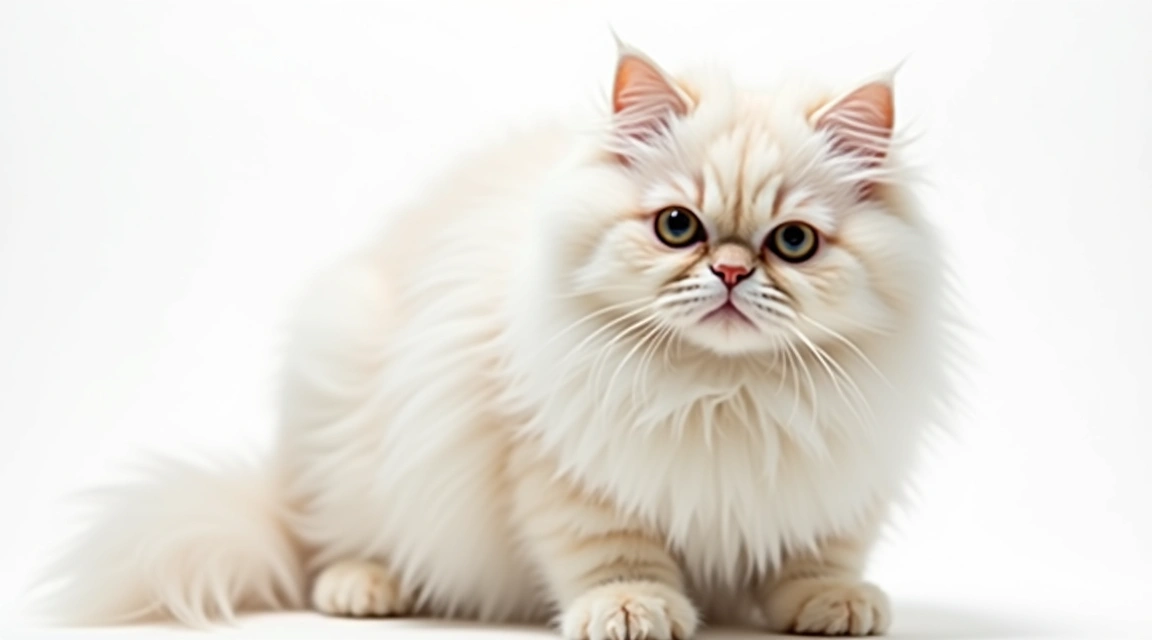
Persian cats typically live between 12 and 17 years, making them a long-term companion for dedicated owners. With proper veterinary care, a nutritious diet, and a safe indoor environment, many Persians reach the upper end of this range or even beyond. Understanding the factors that influence their lifespan can help prospective and current owners provide the best care for these elegant, flat-faced felines.
The Persian breed’s distinctive appearance—characterized by a round face, short muzzle, and luxurious coat—comes with specific health considerations that directly affect longevity. While their gentle temperament and affectionate nature make them beloved pets, their brachycephalic (flat-faced) structure can predispose them to respiratory challenges and other conditions that require attentive management throughout their lives.
Genetic Health Factors That Shape Persian Longevity

Persian cats face several breed-specific health issues that can influence how long they live. Polycystic kidney disease (PKD) is one of the most serious inherited conditions in the breed, affecting a significant portion of the Persian population. This genetic disorder causes fluid-filled cysts to develop in the kidneys over time, potentially leading to kidney failure. Responsible breeders now screen breeding cats for PKD to reduce its prevalence in future generations.
Brachycephalic airway syndrome is another concern unique to flat-faced breeds like Persians. The shortened nasal passages and elongated soft palate can make breathing more difficult, especially during exercise, stress, or in hot weather. Cats with severe respiratory compromise may experience reduced quality of life and require surgical intervention to improve airflow. Owners should monitor their Persian’s breathing patterns and seek veterinary advice if they notice persistent labored breathing or exercise intolerance.
Hypertrophic cardiomyopathy (HCM), a heart condition where the heart muscle thickens abnormally, also occurs in Persians. Regular cardiac screening with echocardiography can help detect HCM early, allowing for management strategies that may extend life and improve comfort. Dental disease is another common issue in the breed, and untreated periodontal problems can lead to systemic infections that affect overall health and longevity.
Progressive retinal atrophy and other eye conditions may also affect Persians, though these typically impact quality of life more than lifespan directly. Working with a veterinarian familiar with breed-specific concerns and maintaining a schedule of regular health screenings can help catch problems early when they are most treatable.
Daily Care Practices That Extend Persian Cat Lives

Grooming is not merely cosmetic for Persian cats—it is a health necessity. Their dense, long coat mats easily without daily brushing, and severe matting can cause skin infections, restrict movement, and create painful conditions. Establishing a grooming routine from kittenhood makes the process easier for both cat and owner. Regular brushing also allows owners to check for skin lumps, parasites, or wounds that might otherwise go unnoticed beneath the thick coat.
Eye care is equally important for Persians. Their flat faces and large, prominent eyes produce excessive tearing, which can stain the fur around the eyes and create a breeding ground for bacteria and yeast if not cleaned regularly. Gently wiping the eye area daily with a damp, soft cloth helps prevent infections and keeps the cat comfortable. If discharge becomes thick, discolored, or excessive, veterinary attention is needed.
Diet quality directly impacts Persian lifespan. High-quality protein sources support muscle maintenance and organ function, while appropriate fat levels keep the coat healthy and provide energy. Many veterinarians recommend feeding measured portions rather than free-feeding to prevent obesity, which increases the risk of diabetes, joint problems, and heart disease. Fresh water should always be available, and some owners find that Persians drink more from cat water fountains than from still bowls.
Keeping Persian cats indoors dramatically improves their life expectancy. Outdoor cats face risks from traffic, predators, infectious diseases, parasites, and human cruelty. The Persian’s long coat and docile temperament make them particularly vulnerable outdoors. Indoor life also reduces exposure to feline leukemia virus (FeLV), feline immunodeficiency virus (FIV), and other contagious diseases that shorten life.
Environmental enrichment helps maintain mental and physical health. Interactive toys, climbing structures, puzzle feeders, and regular play sessions prevent boredom and obesity while strengthening the bond between cat and owner. Even gentle, low-impact activities benefit Persians, who tend to be less active than some other breeds but still need movement to stay healthy.
Veterinary Care and Preventive Health Strategies
Regular veterinary checkups form the foundation of a long, healthy life for Persian cats. Annual exams for young and middle-aged cats, and twice-yearly visits for seniors, allow veterinarians to detect subtle changes in weight, heart function, kidney health, and dental condition before they become serious problems. Blood work and urinalysis provide valuable baselines and can reveal early signs of kidney disease, diabetes, hyperthyroidism, and other age-related conditions.
Vaccinations protect against life-threatening infectious diseases. Core vaccines for rabies, feline herpesvirus, calicivirus, and panleukopenia are essential, even for indoor cats. Your veterinarian can recommend a vaccination schedule based on your cat’s lifestyle and risk factors. Parasite prevention, including flea, tick, and heartworm control, is also important, as these parasites can transmit diseases or cause serious health complications.
Spaying or neutering Persian cats not only prevents unwanted litters but also reduces the risk of certain cancers and eliminates behaviors associated with mating drives. Spayed females avoid uterine infections and have a lower risk of mammary tumors, while neutered males are less likely to roam, fight, or develop testile cancer.
Dental care is frequently overlooked but critical for longevity. Professional cleanings under anesthesia remove tartar buildup that home brushing cannot address, preventing periodontal disease that can lead to tooth loss, pain, and systemic infections affecting the heart and kidneys. Some owners successfully incorporate tooth brushing into their Persian’s routine, which can extend the time between professional cleanings.
As Persians enter their senior years—typically around age 10—health monitoring becomes even more important. Kidney disease, hyperthyroidism, and arthritis are common in aging cats. Early detection and management with prescription diets, medications, or supplements can maintain quality of life and extend the time you have with your companion. Pain management for arthritis, in particular, can dramatically improve a senior Persian’s comfort and activity level.
Comparing Persian Lifespan to Other Breeds
Persian cats fall within the average lifespan range for domestic cats, though some breeds are known to live notably longer. Siamese, Burmese, and mixed-breed domestic shorthairs often reach their late teens or even early twenties with good care. The Persian’s brachycephalic anatomy and associated health challenges mean they typically do not achieve the same extreme longevity as breeds with more moderate facial structures.
However, individual variation is significant. Some Persians live well into their late teens or early twenties, especially when they come from health-tested breeding lines and receive exceptional care. Conversely, cats with severe PKD, untreated heart disease, or other serious conditions may have shortened lives despite their owner’s best efforts.
For more information about caring for your Persian cat and ensuring a long, healthy life, visit our Persian Cats section for additional breed-specific guidance and health resources.
Creating the Best Life for Your Persian
Maximizing your Persian cat’s lifespan requires commitment to daily grooming, regular veterinary care, proper nutrition, and a safe indoor environment. While breed-specific health challenges exist, informed owners who work closely with knowledgeable veterinarians can help their Persians live comfortably into their mid to late teens.
Choosing a Persian kitten from a responsible breeder who tests for genetic diseases gives your future companion the best possible start. Ask breeders about PKD screening, HCM testing, and the longevity of cats in their breeding lines. Adopting an adult Persian from a rescue organization is another rewarding option, and many rescued Persians go on to live long, healthy lives when given proper care.
The investment of time, attention, and resources into a Persian cat’s wellbeing pays dividends in the form of a devoted, affectionate companion who enriches your home for many years. By understanding the breed’s specific needs and potential health issues, you can provide the environment and care that allow your Persian to thrive throughout all life stages.
Whether you are considering adding a Persian to your family or already share your home with one, staying informed about breed health, maintaining preventive care, and responding promptly to any signs of illness will help ensure that your Persian enjoys the longest, healthiest life possible.