
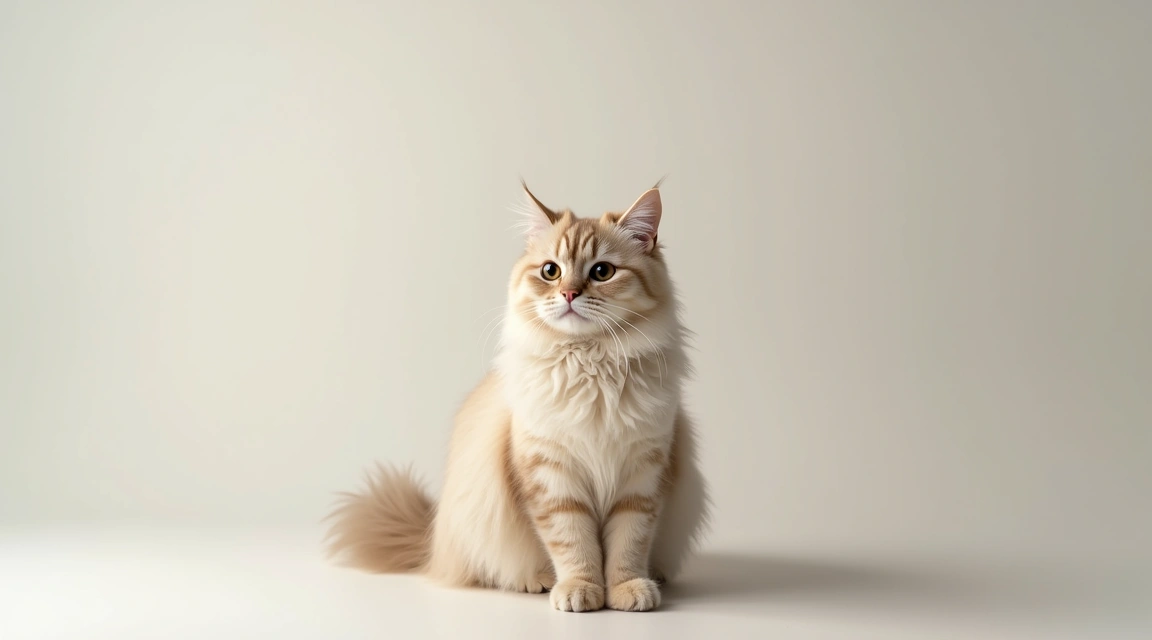
Persian cats don’t just need food. They need the right food. Their flat faces, thick coats, and gentle personalities all influence what belongs in their bowl. I’ve spent years watching these cats thrive or struggle based entirely on what they eat, and the difference is dramatic.
Here’s the thing: most new Persian owners think any premium cat food will do. But these cats come with unique dietary needs that standard recommendations don’t always cover. Their short muzzles make eating certain kibble shapes difficult. Their luxurious coats demand specific nutrients. And their calm, indoor lifestyle means they process calories differently than more active breeds.
Understanding Persian Cat Nutritional Requirements
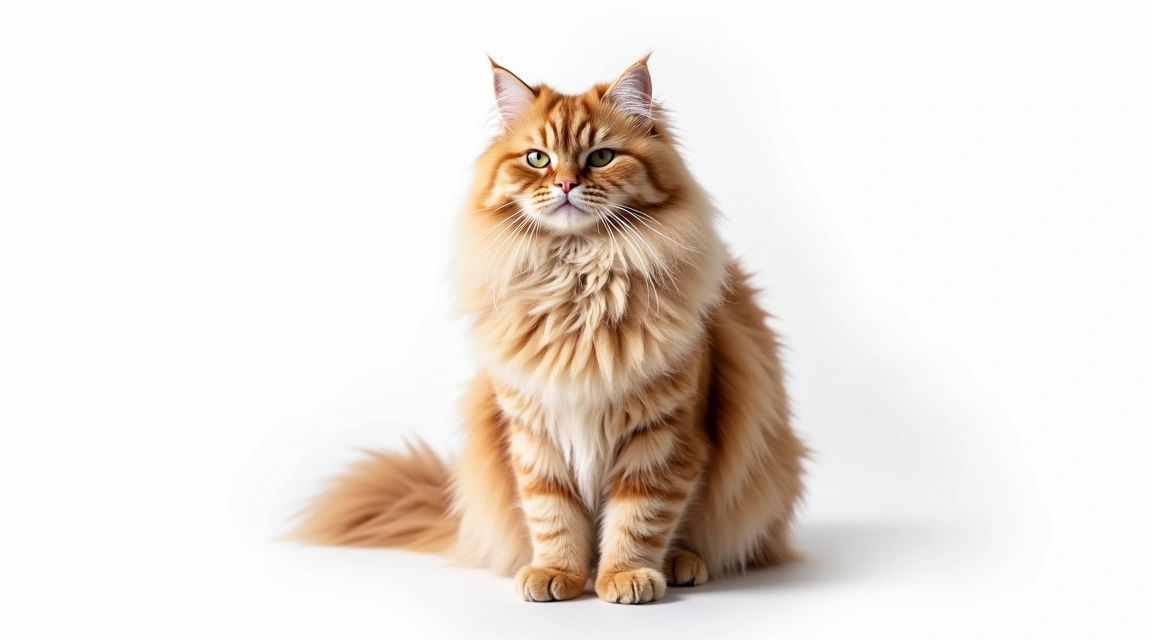
Persian cats are obligate carnivores, meaning meat isn’t optional. It’s essential. Their bodies evolved to extract nutrients from animal protein, not grains or vegetables. A quality Persian diet should list real meat as the first ingredient, whether that’s chicken, turkey, salmon, or duck.
Protein content matters tremendously. I recommend looking for foods with at least 30-40% protein on a dry matter basis. Fat content should hover around 15-20% to maintain that gorgeous coat without adding unnecessary weight. Persians aren’t marathon runners. They’re couch royalty who need balanced calories, not endless energy fuel.
The amino acid taurine deserves special mention. Cats can’t produce it naturally, yet they need it for heart health, vision, and reproduction. Quality cat foods include taurine, but it’s worth checking the label. Deficiency causes serious problems over time, and you won’t notice until damage is done.
What Persian Cat Owners Experience Daily
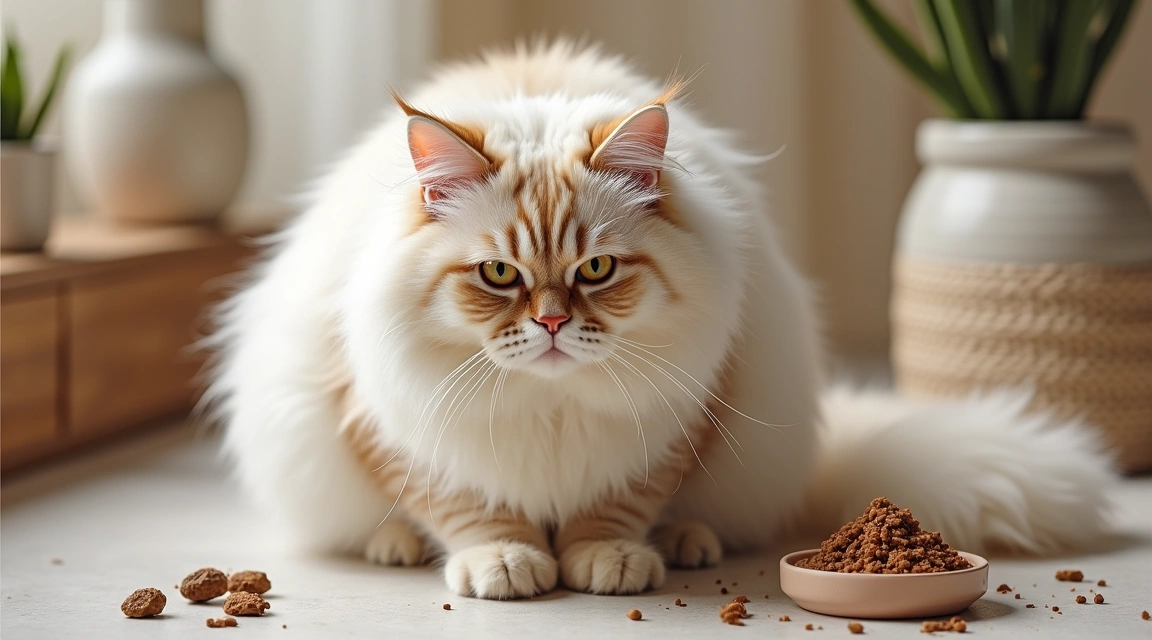
Most Persian owners quickly discover their cats can be surprisingly picky. That flat face isn’t just adorable. It creates real challenges at mealtime. Round or large kibble pieces become frustrating obstacles, and some Persians will walk away from food they physically can’t manage.
I’ve watched countless Persians struggle with poorly shaped dry food, tilting their heads awkwardly or using their paws to scoop kibble out of the bowl. Sound familiar? It’s not stubbornness. It’s anatomy. Look for almond-shaped or flat kibble designed specifically for brachycephalic breeds.
Hairballs are another daily reality. Persians groom constantly, swallowing impressive amounts of fur. Their digestive systems need help moving all that hair through. Fiber becomes crucial here, either from the food itself or through specialized hairball formulas. Some owners add a bit of canned pumpkin as a natural fiber boost.
How Diet Impacts Persian Cat Health and Appearance
That stunning coat everyone admires? It’s built from the inside out. Omega-3 and omega-6 fatty acids keep fur soft, shiny, and manageable. Without adequate fat in the diet, you’ll see dullness, increased shedding, and more tangles during grooming sessions.
Persians prone to polycystic kidney disease (a genetic concern in the breed) benefit enormously from proper hydration and moderate protein quality. I don’t mean low protein—I mean high-quality protein that doesn’t overburden the kidneys. There’s a significant difference, and your veterinarian can guide you if kidney concerns run in your cat’s line.
Weight management becomes critical because Persians don’t exercise like other breeds. An overweight Persian faces increased risks for diabetes, joint problems, and heart disease. But honestly, preventing obesity is simpler than treating it. Measure food portions carefully, skip the free-feeding approach, and limit treats to 10% of daily calories.
Practical Feeding Tips Every Persian Owner Should Know
Wet food deserves a starring role in most Persian diets. It provides hydration many cats desperately need, especially those who don’t drink enough water naturally. I typically recommend a mix: quality dry food for dental benefits and wet food for moisture and palatability.
Feeding schedules matter more than you’d think. Two to three measured meals daily works better than leaving food out constantly. Persians are natural grazers, sure, but they’re also prone to overeating when bored. Scheduled meals help you monitor intake and notice appetite changes that might signal health issues.
Water placement is weirdly important. Persians often prefer water bowls away from food dishes, and many love wide, shallow bowls that don’t touch their whiskers. Consider a cat water fountain—the moving water encourages drinking, and proper hydration supports everything from kidney function to coat quality.
Transitioning foods requires patience. Never switch abruptly. Mix 25% new food with 75% old for several days, then gradually adjust the ratio over a week or two. Persians have sensitive stomachs, and rapid changes trigger digestive upset nobody wants to clean up.
What to Expect as Your Persian’s Needs Change
Kittens need dramatically different nutrition than adults. Persian kittens require higher protein and fat to fuel rapid growth and development. They should eat kitten-specific formulas until at least 12 months, sometimes longer since Persians mature slowly compared to other breeds.
Senior Persians (typically around age 7-10) benefit from adjusted diets too. Lower calories prevent weight gain as activity decreases, while joint-supporting nutrients like glucosamine become increasingly valuable. Some older cats develop dental issues making softer food necessary.
Health conditions change everything. Persians diagnosed with kidney disease, diabetes, or urinary problems need veterinary-prescribed diets tailored to their specific condition. Don’t try to manage serious health issues through over-the-counter food alone. Work closely with your vet to adjust nutrition as medical needs evolve.
Choosing the best diet for your Persian cat isn’t about finding one perfect food and never changing it. It’s about understanding their unique requirements and adjusting as they grow and age. Focus on quality protein sources, adequate hydration, manageable kibble shapes, and portion control. Watch your individual cat’s response—shiny coat, healthy weight, good energy, and normal litter box habits tell you you’re on the right track. When in doubt, your veterinarian remains your best resource for personalized feeding advice based on your Persian’s specific health profile and lifestyle.
Editorial Tips & Advertising Inquiries : cats@steeplechasecattery.com