

Choosing the right food for your cat is one of the most important decisions you’ll make as a pet owner. With countless brands, formulations, and marketing claims competing for your attention, the cat food aisle can feel overwhelming. Before you compare specific products or dive into ingredient lists, asking the right preliminary questions will save you time, money, and help ensure your cat receives proper nutrition tailored to their individual needs.
This buying guide walks you through the essential questions every cat owner should answer before making comparisons. By clarifying your cat’s unique requirements first, you’ll approach product research with a focused strategy rather than getting lost in the noise of competing claims.
Understanding Your Cat’s Life Stage and Health Status

The first question to answer is deceptively simple: What life stage is your cat in, and do they have any health conditions? Nutritional needs vary dramatically between kittens, adults, and senior cats. Kittens require higher protein and calorie density to support rapid growth, while senior cats often benefit from formulations that support joint health and kidney function.
Kittens under one year need food specifically formulated for growth. These products contain increased levels of protein, fat, calcium, and phosphorus to support developing bones, muscles, and organs. Adult cats from one to seven years typically thrive on maintenance formulas that prevent obesity while providing complete nutrition. Senior cats, generally considered those over seven years, may need reduced calorie formulas with enhanced digestibility and supplements that support aging organs.
Beyond age, health status dramatically influences food selection. Cats with diabetes require low-carbohydrate, high-protein diets. Those with kidney disease need restricted phosphorus and modified protein levels. Food allergies or sensitivities demand limited-ingredient diets or novel protein sources. Overweight cats benefit from calorie-controlled formulas with high fiber to promote satiety.
Before comparing brands, schedule a veterinary checkup if your cat hasn’t had one recently. Blood work can reveal underlying conditions like thyroid problems or early kidney disease that should inform your food choice. Your veterinarian can provide specific dietary recommendations based on your cat’s individual health profile, potentially saving you from purchasing food that’s inappropriate or even harmful for your pet’s condition.
Determining Your Budget and Feeding Preferences
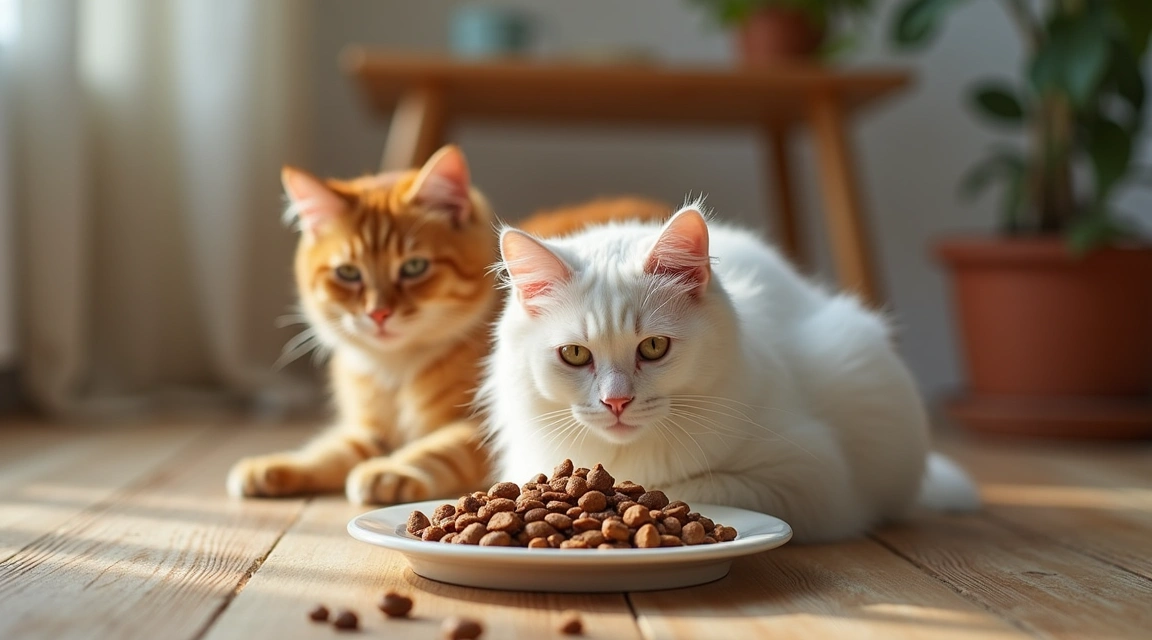
The second critical question involves practical considerations: What is your realistic monthly budget, and what feeding format works best for your lifestyle? Cat food pricing varies enormously, from economy kibble to premium fresh or raw diets. Establishing a sustainable budget before shopping prevents overspending or, conversely, choosing inadequate nutrition to save money.
Cat food comes in three primary formats: dry kibble, wet canned food, and fresh or raw options. Each has distinct advantages and cost implications. Dry food typically costs less per feeding, stores conveniently, and helps some cats maintain dental health through chewing action. Wet food provides additional hydration, often contains fewer carbohydrates, and many cats find it more palatable. Fresh and raw diets most closely mimic natural feline nutrition but carry the highest price point and require careful handling.
Many cat owners choose combination feeding, offering dry food for free-feeding or convenience and wet food at scheduled mealtimes. This approach balances cost, nutrition, and variety. Calculate the monthly cost of your chosen approach before settling on specific products. A twelve-pound adult cat typically consumes between one-quarter to one-third cup of dry food daily, or approximately one five-ounce can of wet food per five pounds of body weight.
Consider storage and preparation requirements as well. Do you have freezer space for bulk purchases of wet food? Can you commit to the food safety protocols required for fresh or raw feeding? Will you be home consistently for scheduled wet-food meals, or does your schedule require free-feeding dry kibble? For more guidance on different feeding approaches, visit our Cat Food Buying Guides section.
Identifying Ingredient Priorities and Deal-Breakers

The third essential question addresses values and preferences: What ingredients do you want included, and what do you absolutely want to avoid? While all commercial cat foods sold in the United States must meet minimum standards established by the Association of American Feed Control Officials (AAFCO), quality and ingredient philosophy vary significantly between brands.
Cats are obligate carnivores, meaning they require nutrients found primarily in animal tissue. High-quality cat food lists specific animal proteins—such as chicken, turkey, salmon, or beef—as the first ingredient rather than generic terms like “meat by-products” or “animal digest.” Look for foods where multiple animal protein sources appear in the first five ingredients.
Some owners prioritize grain-free formulas, though recent research has questioned whether grain-free diets benefit most cats unless they have specific grain allergies. Others seek organic certification, sustainably sourced ingredients, or formulas free from artificial colors, flavors, and preservatives. Determine which ingredient characteristics matter most to you based on your cat’s needs and your values.
Equally important are your deal-breakers. Common ingredients that owners choose to avoid include corn, wheat, and soy fillers; artificial preservatives like BHA, BHT, and ethoxyquin; carrageenan, a controversial thickener in wet foods; and rendered animal by-products. Creating a clear list of must-haves and must-avoids before shopping streamlines the comparison process and prevents you from being swayed by marketing rather than substance.
Understanding guaranteed analysis labels helps you evaluate actual nutritional content. The guaranteed analysis shows minimum percentages of crude protein and crude fat, and maximum percentages of crude fiber and moisture. However, these figures can be misleading when comparing wet and dry foods due to moisture content differences. Learning to calculate “dry matter basis” percentages allows accurate nutritional comparisons across formats.
Evaluating Feeding Trial History and Brand Reputation
Beyond ingredients, consider whether products have undergone AAFCO feeding trials. Foods labeled “complete and balanced” have either passed feeding trials or met nutrient profiles through formulation alone. Feeding trials involve actual cats eating the food as their sole diet for a specified period, providing real-world evidence of adequacy. Products tested through feeding trials offer greater assurance than those meeting standards through calculation only.
Research the manufacturer’s reputation, recall history, and quality control standards. Companies with in-house manufacturing facilities, veterinary nutritionists on staff, and transparent sourcing practices generally produce more consistent quality. Check the FDA’s pet food recall database to review any past issues. While a single recall doesn’t necessarily indicate poor quality—proactive companies sometimes issue precautionary recalls—patterns of repeated problems warrant concern.
Read independent reviews from actual customers, but approach them critically. Individual cats have different preferences and tolerances, so a food that one cat rejects might be another’s favorite. Look for patterns in feedback rather than single experiences. Be skeptical of exclusively positive or negative reviews, which may indicate fake content.
Key Comparison Factors at a Glance
| Factor | Questions to Ask | Why It Matters |
|---|---|---|
| Life Stage | Is your cat a kitten, adult, or senior? | Nutritional needs vary significantly by age; mismatched food can cause health issues |
| Health Status | Does your cat have diabetes, kidney disease, allergies, or weight issues? | Medical conditions require specific dietary modifications for proper management |
| Budget | What can you sustainably spend monthly? | Ensures you choose a food you can consistently afford without compromising nutrition |
| Format | Do you prefer dry, wet, or combination feeding? | Affects cost, convenience, hydration, and palatability |
| Protein Source | What animal proteins appear first on the ingredient list? | Cats need high-quality animal protein; ingredient order indicates proportion |
| Ingredients to Avoid | What fillers, preservatives, or allergens concern you? | Helps narrow options and avoid ingredients that don’t align with your values or cat’s needs |
| AAFCO Compliance | Is the food labeled complete and balanced? Feeding trial or formulation? | Ensures minimum nutritional adequacy; feeding trials provide stronger evidence |
| Brand Reputation | Does the manufacturer have quality control standards and a clean recall history? | Indicates consistency, safety, and corporate responsibility |
Making the Transition Successfully
Once you’ve answered these preliminary questions and selected a food, plan a gradual transition. Abruptly changing cat food commonly causes digestive upset including vomiting and diarrhea. Mix increasing proportions of new food with decreasing amounts of current food over seven to ten days. Start with about twenty-five percent new food and seventy-five percent old food for two to three days, then move to a fifty-fifty mix, followed by seventy-five percent new food, before completing the transition.
Monitor your cat during and after the transition. Healthy signs include maintaining normal energy levels, producing well-formed stools, and showing enthusiasm for meals. Concerning symptoms include persistent vomiting, diarrhea lasting more than two days, dramatic appetite changes, or lethargy. While some cats experience minor digestive adjustment during food changes, severe or prolonged symptoms warrant veterinary consultation.
Remember that even the highest-quality food may not suit your individual cat. Cats can develop preferences or intolerances that don’t reflect the food’s objective quality. Be prepared to try alternatives if your cat consistently refuses a food or develops problems after the transition period, even if that food receives excellent reviews or comes highly recommended.
Conclusion
Answering foundational questions before comparing cat food options transforms an overwhelming process into a manageable decision. By first clarifying your cat’s life stage, health status, your budget constraints, preferred feeding format, ingredient priorities, and quality expectations, you create a personalized framework that eliminates unsuitable products immediately. This focused approach saves time, reduces decision fatigue, and increases the likelihood of selecting a food that truly meets your cat’s nutritional needs while fitting your lifestyle and values.
The most expensive food isn’t necessarily the best for your cat, and the most popular brand may not address your pet’s specific requirements. Successful cat food selection requires balancing nutritional science, individual health considerations, practical constraints, and honest assessment of your cat’s preferences. By asking the right questions before you start comparing labels and prices, you’ll approach the decision with confidence and clarity, ultimately choosing a food that supports your cat’s health for years to come.