
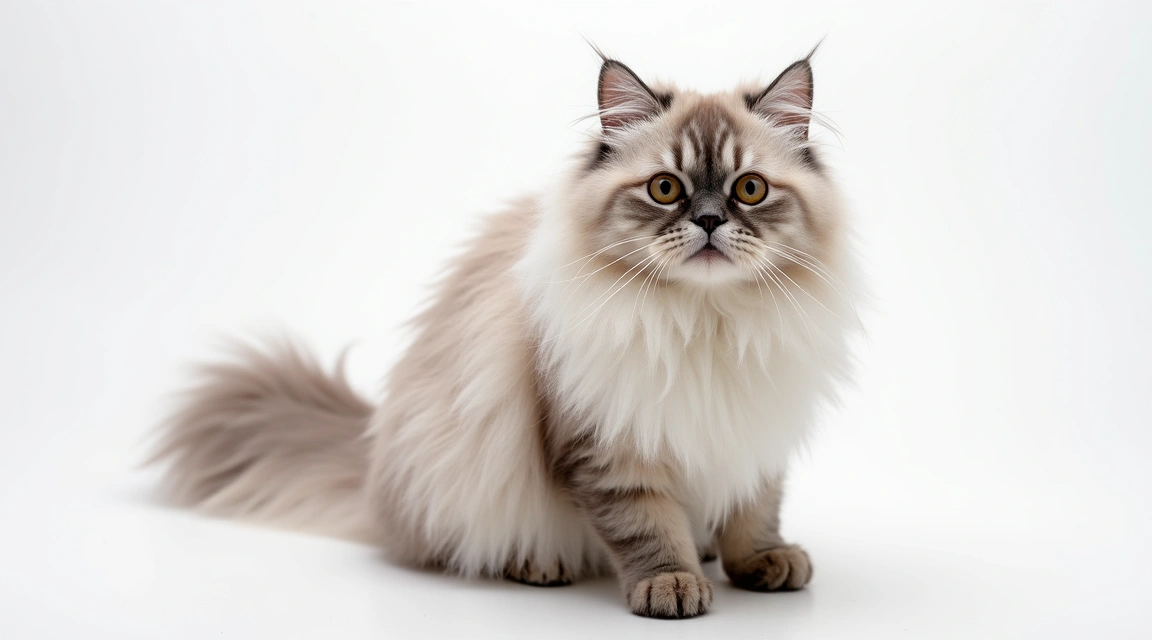
The Chinchilla Persian cat stands apart in the feline world with its distinctive silver-tipped coat and emerald or blue-green eyes, making it one of the most visually striking varieties within the Persian breed family. Despite their glamorous appearance, these cats are known for a gentle, calm temperament that makes them ideal companions for quiet households and first-time cat owners seeking a low-energy, affectionate pet.
Recognized as a distinct color variation rather than a separate breed, the Chinchilla Persian has captured attention in both breeding circles and pet homes across the United States and United Kingdom. Recent data from veterinary studies tracking Persian cats under first-opinion care in the UK highlights the breed’s popularity while also underscoring the importance of understanding their specific health needs and daily care requirements.
Physical Characteristics and Coat Maintenance
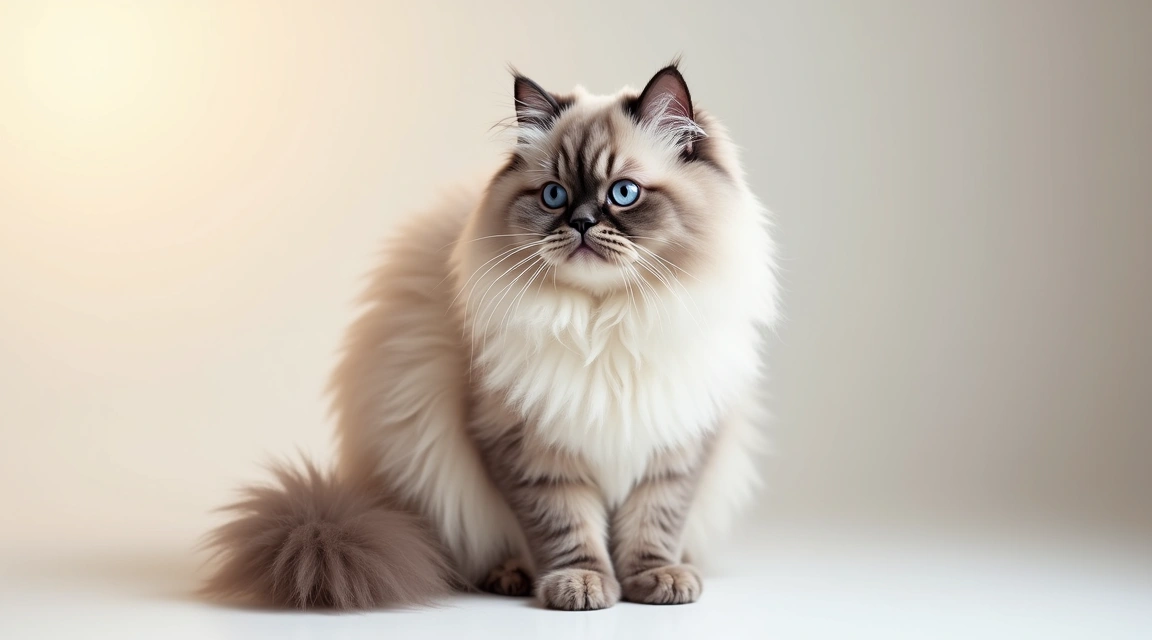
The Chinchilla Persian’s hallmark feature is its white or pale undercoat with delicate black or silver tipping on each hair, creating a shimmering, almost iridescent effect. This tipping covers the face, back, flanks, and tail, while the underside remains pure white. The eyes are typically rimmed with black pigment, giving the cat an expressive, doll-like appearance.
Their luxurious coat requires daily grooming to prevent matting and tangling. Owners should plan to brush their Chinchilla Persian at least once per day using a metal comb and slicker brush, paying special attention to the areas behind the ears, under the legs, and around the tail where mats form most easily. Regular bathing every four to six weeks helps maintain the coat’s silvery sheen and reduces oil buildup.
The flat facial structure characteristic of Persian cats means Chinchillas often experience tear staining, particularly visible against their pale coat. Daily gentle cleansing around the eyes with a damp, soft cloth helps minimize discoloration and keeps the face clean. This routine care is essential not only for appearance but also for preventing skin irritation in the facial folds.
Temperament and Behavioral Traits
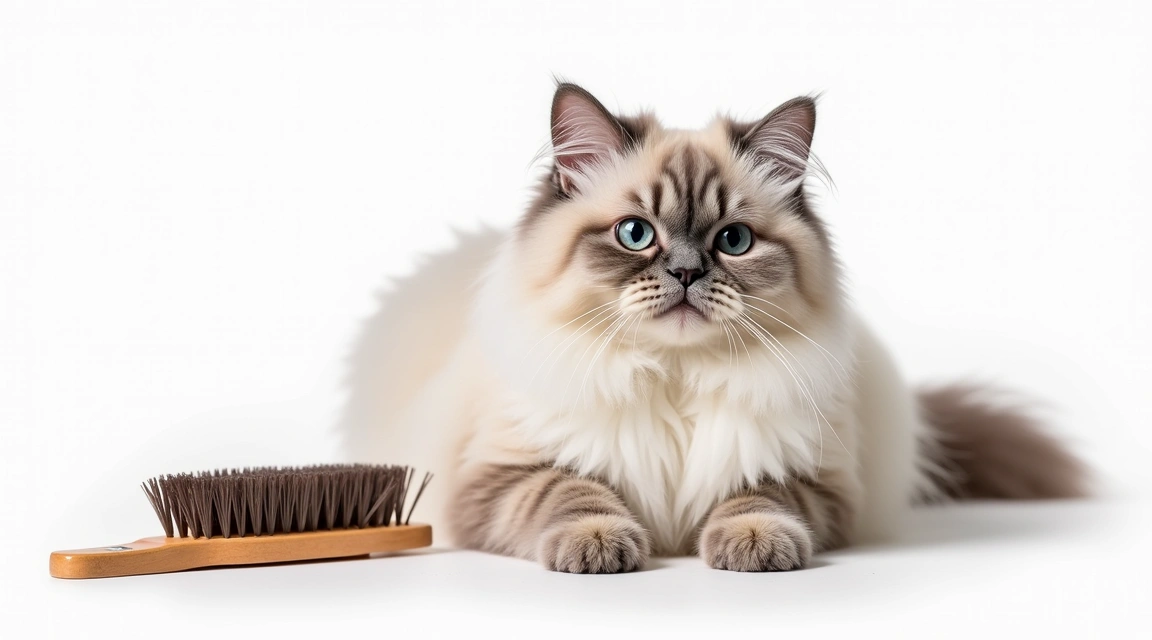
Chinchilla Persians are renowned for their placid, affectionate nature. Unlike more active breeds, they prefer a calm environment and typically spend much of their day resting in comfortable spots around the home. They form strong bonds with their human families but are generally not demanding or overly vocal, making quiet chirps or soft meows when they want attention.
These cats thrive in stable, predictable households without excessive noise or chaos. They tolerate being alone during work hours better than many breeds but appreciate companionship and will often follow their favorite person from room to room. While not particularly playful compared to more energetic breeds, they do enjoy gentle interactive toys and short play sessions, especially during their younger years.
With children, Chinchilla Persians are typically patient and gentle, though they may retreat if handling becomes too rough. They coexist peacefully with other calm pets but may feel overwhelmed by highly energetic dogs or boisterous cats. Proper introductions and providing elevated escape routes help ensure harmonious multi-pet households.
For those interested in exploring different cat breeds, understanding temperament differences is crucial to finding the right match for your lifestyle.
Health Considerations Specific to the Breed
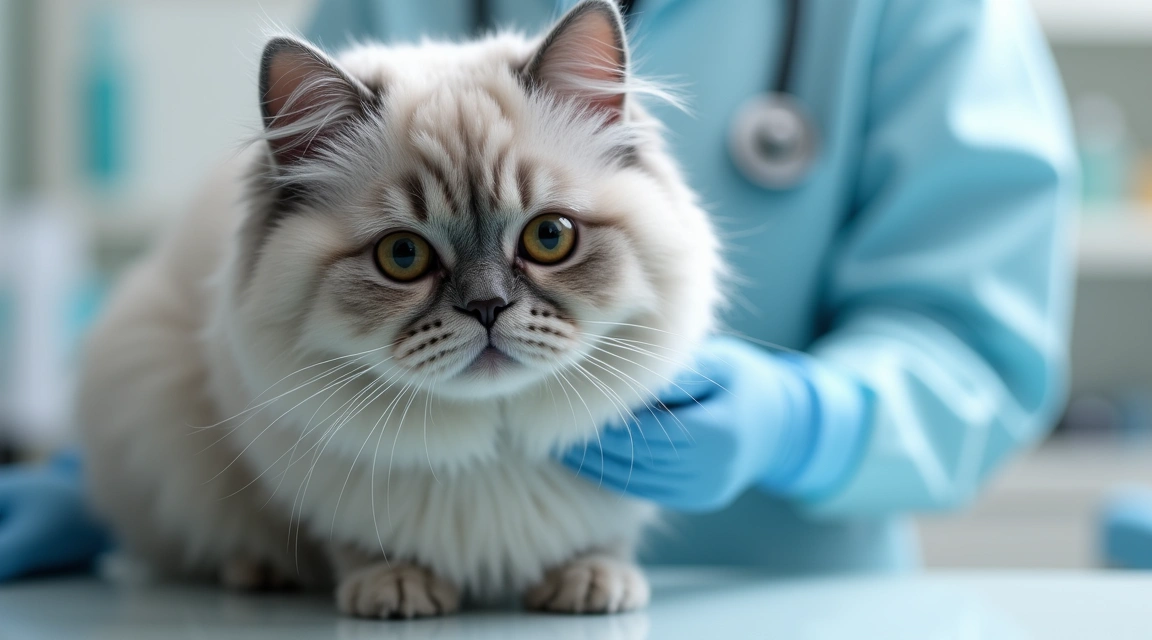
Like all Persian varieties, Chinchillas are predisposed to certain health conditions linked to their distinctive physical features. Brachycephalic airway syndrome, resulting from their flat faces, can cause breathing difficulties, snoring, and reduced tolerance for heat and exercise. Owners should keep these cats in climate-controlled environments and monitor them closely during warm weather.
Polycystic kidney disease (PKD) is an inherited condition that affects a significant portion of Persian cats. Responsible breeders screen their breeding stock using ultrasound or genetic testing to reduce the incidence of this disorder. Prospective owners should ask breeders for health clearances and documentation of PKD-negative status in parent cats.
Dental disease is common due to the compressed jaw structure, making regular dental care essential. Brushing teeth several times per week and scheduling professional cleanings as recommended by a veterinarian helps prevent painful oral health problems. Hypertrophic cardiomyopathy, a heart condition, also appears with increased frequency in Persian cats and warrants regular veterinary monitoring.
Eye problems including progressive retinal atrophy and entropion occur in the breed. Annual veterinary examinations should include thorough eye checks, and any changes in vision or eye appearance warrant prompt professional evaluation.
Finding a Reputable Breeder
Given the specific health challenges in the breed, selecting a responsible breeder is crucial when acquiring a Chinchilla Persian. Reputable breeders conduct health screenings, provide documentation of genetic testing, and raise kittens in home environments with proper socialization. They will ask prospective owners questions about their living situation and experience to ensure a good match.
Expect to pay a premium for well-bred Chinchilla Persian kittens from established catteries with documented health clearances and pedigrees. The initial cost reflects years of careful breeding, health testing, and quality care. Avoid purchasing from sources that cannot provide health documentation, allow you to visit the breeding facility, or seem to prioritize profit over animal welfare.
Several breeders across the United States specialize in Chinchilla Persians and can be found through Cat Fanciers’ Association breeder directories and Persian breed club referrals. Meeting parent cats, seeing where kittens are raised, and reviewing contracts carefully before making a commitment helps ensure a positive experience.
Daily Care and Environmental Needs
Beyond grooming, Chinchilla Persians require relatively simple daily care. High-quality cat food formulated for Persian breeds or long-haired cats supports coat health and helps prevent hairballs. Some owners find that elevated food bowls help these flat-faced cats eat more comfortably.
Litter box hygiene is particularly important, as their long fur can track litter and waste. Placing mats around the box and keeping the area meticulously clean encourages proper use. Some owners trim the fur around the hindquarters slightly to maintain cleanliness, though this should be done carefully or by a professional groomer.
These cats appreciate vertical space but are not aggressive climbers. Low to medium-height cat trees with stable platforms suit them better than tall, precarious structures. Soft bedding in quiet areas gives them the comfortable resting spots they favor throughout the day.
Is a Chinchilla Persian Right for You?
Prospective owners should carefully consider whether their lifestyle matches the breed’s needs. The daily grooming commitment is substantial and non-negotiable for maintaining health and comfort. People with limited time for coat care or who prefer low-maintenance pets should consider shorter-haired breeds.
Those who value a calm, affectionate companion and enjoy the ritual of daily grooming often find Chinchilla Persians deeply rewarding. Their gentle presence and stunning appearance create a unique bond, but the responsibility for their specialized care requirements is significant. Regular veterinary care, attention to environmental temperature, and vigilance for health issues are ongoing responsibilities throughout their lifespan of twelve to seventeen years.
The breed suits apartment living well due to their quiet nature and moderate activity level. They adapt to various household configurations provided they receive consistent care and a predictable routine. With proper attention to their physical and emotional needs, Chinchilla Persian cats become devoted, elegant companions that bring calm beauty to their homes.