
Persian cats are beloved for their luxurious coats and sweet personalities, but their distinctive flat faces come with special care requirements. The shortened facial structure of Persian cats creates shallow eye sockets and narrowed tear ducts, making them particularly prone to tear staining, discharge buildup, and eye infections. Understanding how to properly care for Persian cat eyes is essential for maintaining their comfort, health, and quality of life.
This guide explores proven methods for preventing tear stains and infections in Persian cats, compares different cleaning approaches, and offers practical recommendations based on your cat’s specific needs and your lifestyle.
Why Persian Cats Need Extra Eye Care
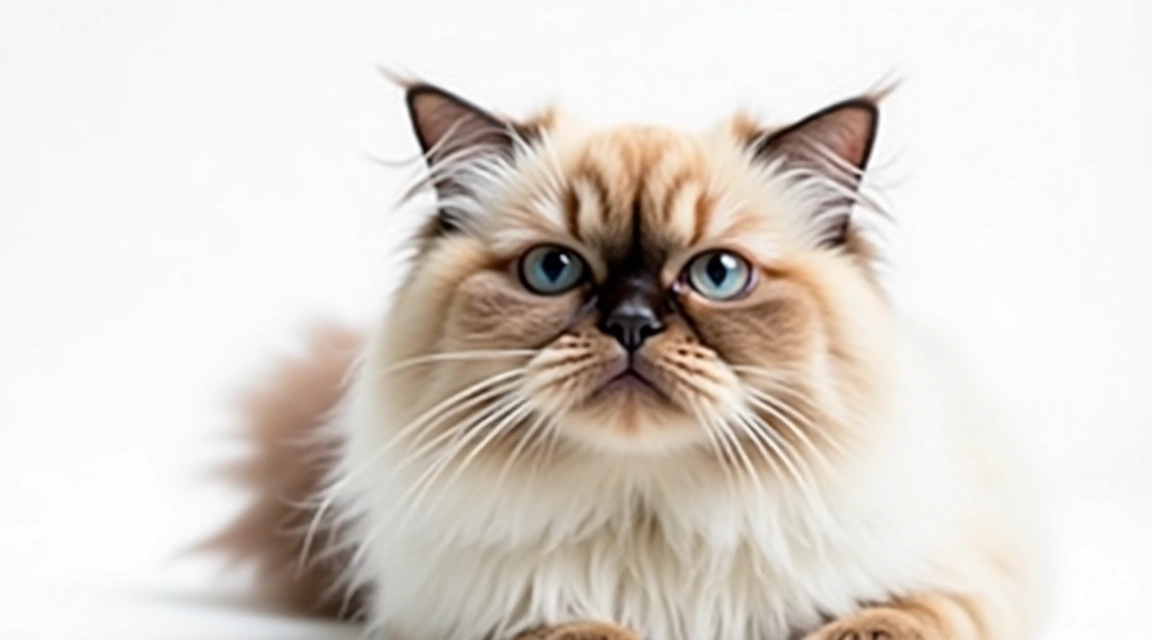
The brachycephalic (flat-faced) structure that gives Persian cats their distinctive appearance also affects their eye health. Their large, prominent eyes have reduced protection from eyelids and surrounding facial structure, while their shortened nasal passages and narrow tear ducts often prevent tears from draining properly through the normal pathway.
When tears cannot drain through the tear ducts into the nasal cavity, they overflow onto the facial fur instead. This constant moisture creates an ideal environment for bacteria and yeast growth, leading to reddish-brown tear stains and potential infections. The fur folds around a Persian’s nose can trap moisture and debris, compounding the problem.
Common eye issues in Persian cats include:
- Epiphora: Excessive tearing that overflows onto the face
- Conjunctivitis: Inflammation of the eye tissue, often causing redness and discharge
- Corneal ulcers: Scratches or wounds on the eye surface from inadequate protection
- Entropion: Inward-rolling eyelids that irritate the eye
- Bacterial or yeast infections: Secondary infections in moist, stained areas
Regular preventive care significantly reduces the risk of these conditions progressing from minor cosmetic issues to serious health problems. For more guidance on Persian cat health maintenance, explore our Cat Care Tips section.
Daily Eye Care Methods Compared
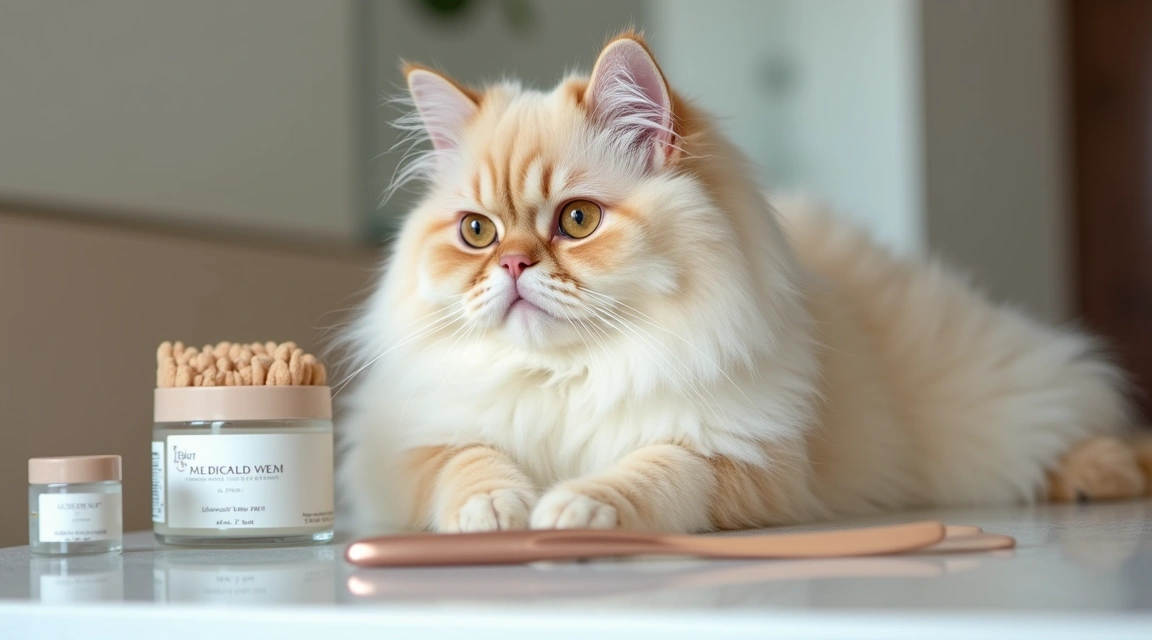
Several approaches exist for maintaining Persian cat eye health. The right choice depends on your cat’s temperament, the severity of discharge, and your daily schedule. Here’s how the most common methods compare:
| Method | Best For | Frequency | Pros | Cons |
|---|---|---|---|---|
| Warm Water & Soft Cloth | Mild tearing, prevention | 1-2 times daily | Gentle, inexpensive, always available | May not remove stubborn stains; requires patience |
| Sterile Saline Solution | Moderate discharge, sensitive eyes | 1-2 times daily | Safe, veterinary-recommended, non-irritating | Requires purchase; some cats resist application |
| Veterinary Eye Wipes | Active lifestyles, travel | 1-2 times daily | Convenient, pre-moistened, portable | Ongoing cost; may contain ingredients some cats react to |
| Fine-Toothed Comb | Dried discharge removal | As needed | Removes crusty buildup effectively | Can pull fur if used improperly; requires softening first |
| Tear Stain Supplements | Chronic severe staining | Daily (oral) | Addresses internal factors; reduces staining over time | Takes weeks to show results; veterinary consultation needed |
Step-by-Step Daily Cleaning Routine
The most effective eye care routine combines gentle mechanical cleaning with appropriate solutions. Follow these steps to safely clean your Persian cat’s eyes:
Preparation: Gather your supplies before approaching your cat. You’ll need soft cotton pads or gauze (not cotton balls, which can leave fibers), warm water or sterile saline solution, and treats for positive reinforcement. Choose a quiet, well-lit area where your cat feels comfortable.
Step 1: Soften Discharge — Soak a clean cotton pad with warm water or saline solution. Gently hold it against any crusted discharge for 10-15 seconds to soften the material. Never try to remove dried discharge forcefully, as this can pull fur and irritate skin.
Step 2: Wipe Gently Outward — Using a fresh cotton pad for each eye, wipe gently from the inner corner (near the nose) outward toward the ear. Use a smooth, gentle motion rather than scrubbing. This direction prevents moving debris toward the eye and follows the natural contour of the face.
Step 3: Clean Facial Folds — The fur folds near a Persian’s nose require special attention. Gently lift the fold and wipe the skin underneath, ensuring the area is dry afterward. Trapped moisture in these folds can lead to yeast infections and odor.
Step 4: Dry Thoroughly — Use a clean, dry cotton pad to gently pat the area dry. Leaving the fur damp encourages bacterial growth and actually worsens staining over time.
Step 5: Reward Your Cat — End each session with praise, petting, or a small treat. This positive association makes future cleaning sessions easier and less stressful for both of you.
For cats who resist cleaning, start gradually. Some owners find success by cleaning just one eye during the first few sessions, then progressing to both eyes as the cat becomes accustomed to the routine.
Preventing Stains and Infections Long-Term
Beyond daily cleaning, several environmental and lifestyle adjustments help reduce tear production and prevent infection:
Dietary Considerations: Some Persian cats experience increased tearing due to food sensitivities or low-quality ingredients. Artificial colors, especially red dyes, can contribute to darker tear staining. High-quality protein sources and grain-free diets sometimes reduce excessive tearing, though individual responses vary. Consult your veterinarian before making significant dietary changes, especially if your cat has other health conditions.
Water Quality: Minerals in tap water, particularly iron, can intensify tear stain discoloration. Providing filtered or bottled water may reduce staining intensity in some cats. Use stainless steel or ceramic water bowls rather than plastic, which can harbor bacteria and cause facial irritation.
Environmental Factors: Dust, smoke, strong fragrances, and other airborne irritants can increase tear production. Keep your Persian’s environment clean and well-ventilated. Consider using air purifiers in rooms where your cat spends most time, and avoid aerosol products near your cat.
Regular Grooming: Keeping facial fur trimmed short around the eyes reduces the amount of fur that absorbs tears. Many Persian owners find that keeping the fur in this area shorter (while maintaining the breed’s characteristic look) significantly reduces staining. Professional groomers experienced with Persian cats can help maintain appropriate facial fur length.
Stress Reduction: Stress can affect tear production. Provide your Persian with quiet spaces, consistent routines, and appropriate environmental enrichment to minimize stress-related health issues.
When to Seek Veterinary Care
While daily maintenance prevents most problems, certain symptoms require professional attention. Contact your veterinarian if you observe:
- Thick, yellow, or green discharge (indicating possible bacterial infection)
- Sudden increase in tearing or discharge
- Redness, swelling, or obvious irritation of the eye or surrounding tissue
- Squinting, pawing at the eye, or keeping the eye partially closed
- Cloudiness, color changes, or visible damage to the eye surface
- Tear staining accompanied by facial odor or skin lesions
- Persistent staining that worsens despite consistent care
Some conditions, such as blocked tear ducts, may require veterinary procedures to resolve. In some cases, persistent epiphora indicates anatomical issues that cannot be fully resolved with home care alone, though symptoms can be managed to maintain comfort and prevent complications.
Recommendations by Owner and Cat Type
For first-time Persian owners: Start with the warm water and soft cloth method. This approach is forgiving, inexpensive, and helps you learn your cat’s individual needs and temperament. Once comfortable with the basic technique, you can add specialized products if needed.
For cats with mild tearing: Daily cleaning with warm water or sterile saline solution, combined with keeping facial fur trimmed, typically provides adequate management. Focus on consistency rather than expensive specialized products.
For cats with moderate to severe staining: Combine daily mechanical cleaning with veterinary eye wipes formulated for tear stain removal. Consider scheduling a veterinary examination to rule out underlying causes such as blocked tear ducts or eyelid abnormalities. Dietary adjustments and tear stain supplements may provide additional benefit after consulting your veterinarian.
For busy households: Pre-moistened veterinary eye wipes offer the most convenient option for maintaining consistency when time is limited. Keep wipes in multiple locations around your home to make quick cleaning sessions easier to accomplish.
For show cats or aesthetic priorities: Work with both your veterinarian and an experienced Persian cat groomer. Show-quality Persians often require more intensive daily care, professional grooming, and sometimes specialized products to maintain pristine appearance while ensuring health remains the priority.
Creating Sustainable Eye Care Habits
The key to successful Persian cat eye care is developing a sustainable routine that fits your lifestyle while meeting your cat’s needs. Consistency matters more than perfection—a simple cleaning routine performed daily is far more effective than elaborate procedures done sporadically.
Set a specific time each day for eye cleaning, such as before your morning coffee or after your evening meal. This consistency helps both you and your cat know what to expect. Keep your cleaning supplies in an easily accessible location so you’re not tempted to skip sessions due to inconvenience.
As you become more familiar with your Persian’s normal appearance, you’ll quickly notice changes that might indicate problems. This early detection, combined with preventive daily care, keeps minor issues from becoming serious health concerns.
Persian cats bring joy and companionship to countless homes. While their eye care needs require dedication, the time invested protects their vision, prevents painful infections, and maintains the beautiful appearance that makes the breed so beloved. With the right approach and consistent attention, managing Persian cat eye health becomes a simple part of daily life that strengthens the bond between you and your feline companion.