
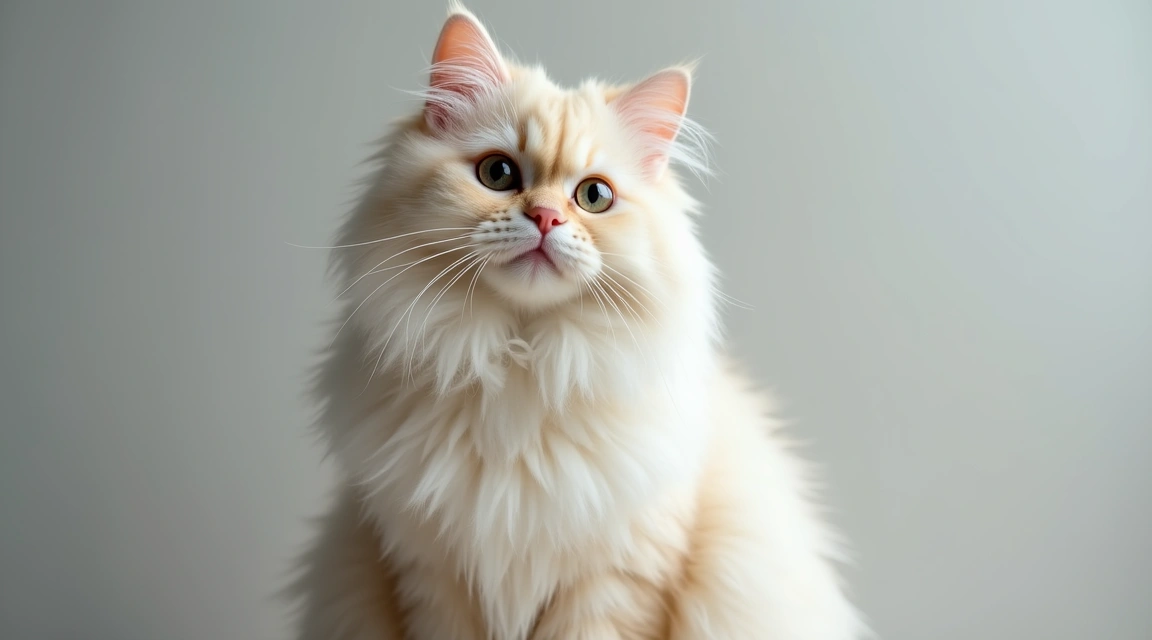
Persian cats are known for their luxurious long coats, sweet personalities, and distinctive flat faces. Keeping your Persian cat healthy and beautiful requires regular grooming, and establishing a consistent routine is essential for both beginners and experienced owners. This comprehensive checklist will guide you through each step of proper Persian cat grooming, helping you maintain your feline companion’s coat, prevent matting, and ensure their overall comfort and well-being.
Daily and weekly grooming prevents painful mats, reduces hairballs, keeps your home cleaner, and gives you valuable bonding time with your Persian. Whether you’ve just brought home your first Persian or want to improve your current routine, following these basic steps will make grooming manageable and even enjoyable for both you and your cat.
Understanding Persian Cat Coat Requirements
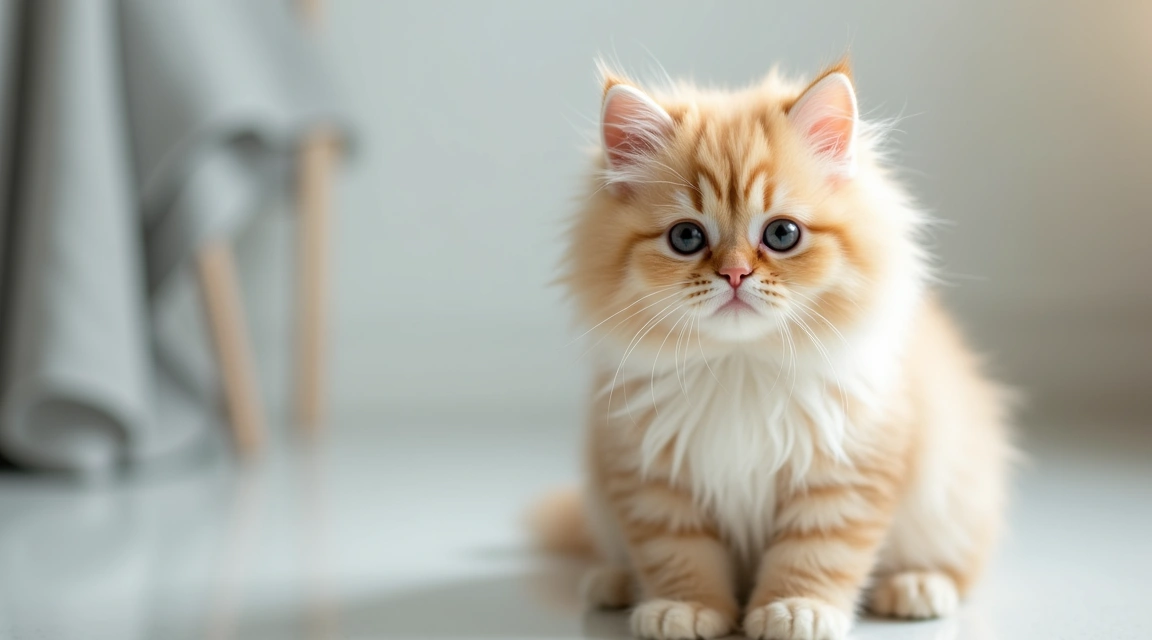
Persian cats possess a double coat consisting of a long, silky outer layer and a dense, soft undercoat. This combination creates their signature fluffy appearance but also makes them prone to tangling and matting, especially in areas where friction occurs—behind the ears, under the legs, around the neck, and on the belly.
Unlike short-haired breeds that can manage with weekly brushing, Persians need daily attention to prevent their fine fur from forming knots. When mats develop, they pull on the skin, causing discomfort and potentially leading to skin infections or restricting movement. Regular grooming removes loose hair before it can tangle, distributes natural skin oils throughout the coat for shine and health, and allows you to check for skin problems, parasites, or lumps early.
Before starting any grooming routine, gather your tools in advance. You’ll need a wide-toothed metal comb, a fine-toothed metal comb, a slicker brush, grooming scissors with rounded tips, cat-safe grooming spray or detangler, nail clippers designed for cats, cotton balls or pads, cat-safe ear cleaner, and eye wipes or sterile saline solution. Having everything ready prevents interruptions that might frustrate your cat.
Caution: Never use human hair products on your Persian cat, as they contain ingredients that can be toxic to cats if ingested during self-grooming.
Step 1: Daily Brushing and Combing
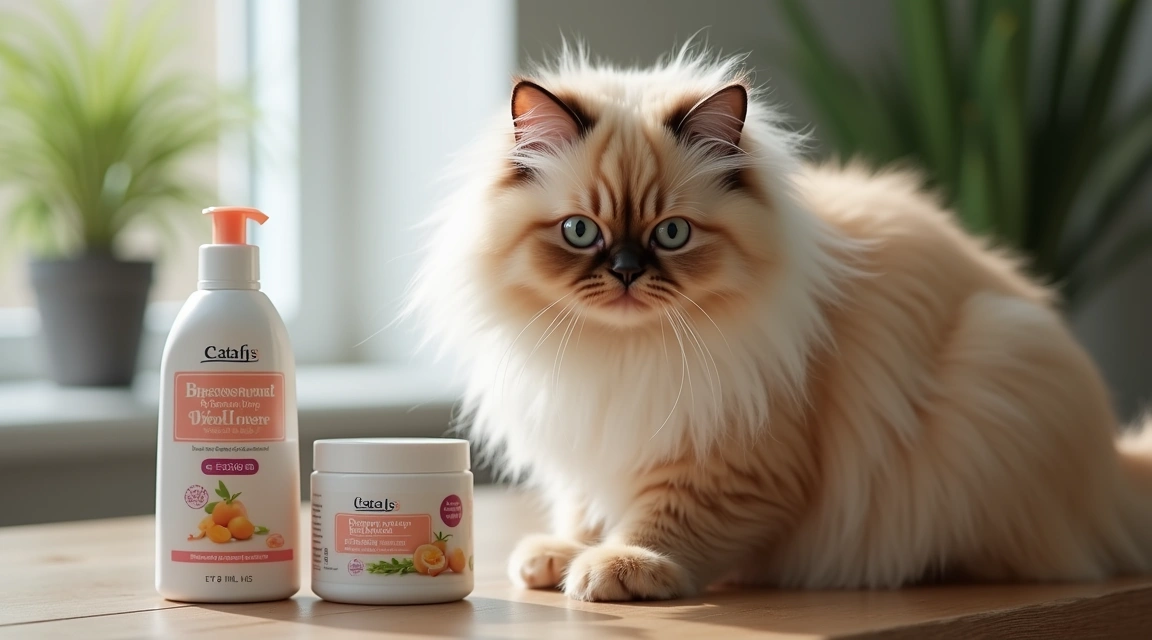
Daily brushing forms the foundation of your Persian cat grooming routine. Choose a quiet time when your cat is relaxed, such as after a meal or play session. Start by gently petting your cat to create a calm atmosphere, then begin with the wide-toothed metal comb on less sensitive areas like the back and sides.
Work in sections, combing in the direction of hair growth from head to tail. Use gentle, short strokes rather than long pulls that might hurt if you encounter a tangle. After combing through with the wide-toothed comb, switch to the fine-toothed comb to catch smaller tangles and remove loose undercoat.
Pay special attention to the armpits, belly, behind the ears, and the ruff around the neck—these areas mat most quickly. If you find a small tangle, hold the fur close to the skin with one hand to prevent pulling, then gently work through the mat with your comb starting from the outer edge and working inward. For larger mats, you may need grooming scissors to carefully cut them out, always pointing the scissors away from the skin.
Finish with the slicker brush, which smooths the coat and removes any remaining loose hair. A complete daily brushing session typically takes 10 to 15 minutes once you and your cat are accustomed to the routine.
Caution: If you encounter a mat close to the skin or covering a large area, do not attempt to cut it yourself—take your cat to a professional groomer to avoid accidentally cutting the skin.
Step 2: Face and Eye Care
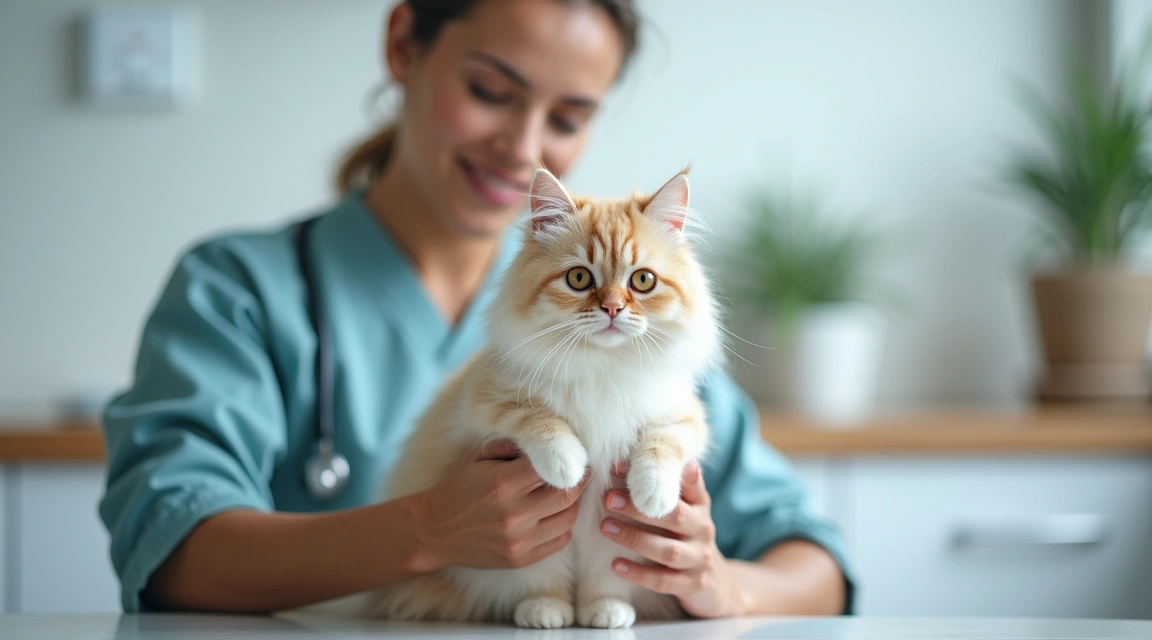
Persian cats’ distinctive facial structure requires daily attention. Their large, prominent eyes and shortened nasal passages often lead to excessive tearing, which creates dark stains on the fur and can cause skin irritation if not addressed regularly.
Every day, examine your Persian’s face and gently wipe around the eyes using a clean, damp cotton ball or pad. Use a separate cotton ball for each eye to prevent spreading any potential infection. Wipe from the inner corner outward, removing any discharge or dried matter. For stubborn stains, cat-safe eye wipes or a solution recommended by your veterinarian can help, but plain warm water works for routine cleaning.
Check that your cat’s nostrils are clear and free from discharge. Due to their flat faces, Persians can develop breathing difficulties if nasal passages become blocked. Wipe away any visible discharge carefully with a damp cotton ball, but never insert anything into the nostrils themselves.
The fur around a Persian’s face can become stained from tears and food. Keeping this area clean prevents bacterial growth and keeps your cat comfortable. Some owners find it helpful to lightly trim the fur around the eyes if it becomes excessively stained or starts poking into the eyes, but this should be done very carefully with rounded-tip scissors or left to a professional groomer.
Caution: If your Persian has sudden increased tearing, colored discharge, redness, or appears to be in pain around the eyes, contact your veterinarian immediately, as these can indicate infection or injury requiring medical treatment.
Step 3: Bathing Your Persian Cat
While daily brushing is essential, Persians also benefit from regular baths every four to six weeks to keep their coat clean and reduce oil buildup. Bathing may seem daunting, especially if your cat dislikes water, but proper preparation and technique make the process manageable.
Before bathing, thoroughly brush your cat to remove all tangles and mats—water will make existing mats tighter and nearly impossible to remove. Trim your cat’s nails a day or two before the bath to minimize scratching if they become nervous. Place a rubber mat or towel in the sink or tub to provide secure footing, and gather all supplies within reach: cat-specific shampoo, several towels, a cup or gentle spray nozzle, and a blow dryer.
Fill the sink or tub with just a few inches of lukewarm water—not hot or cold. Gently place your cat in the water, speaking in a calm, reassuring voice. Wet the coat thoroughly, avoiding the face and ears. Apply a small amount of cat-specific shampoo and work it through the coat with your fingers, following the direction of hair growth. Rinse completely, ensuring no shampoo residue remains, as this can cause skin irritation.
For the face, use a damp washcloth instead of submerging your cat’s head. Gently wipe around the eyes, nose, and mouth, being careful not to get water in the ears or nose. After rinsing, gently squeeze excess water from the coat—do not rub or wring, as this creates tangles. Wrap your cat in a thick towel and pat dry.
Most Persian cats require blow-drying to prevent the dense undercoat from staying damp, which can lead to skin problems. Use a blow dryer on the lowest heat setting, holding it at least 12 inches from your cat’s body. Continuously move the dryer to avoid concentrating heat in one spot, and comb through the coat as you dry to prevent tangles and achieve a fluffy finish.
Caution: Never use hot water or high heat settings on a blow dryer, as cats are sensitive to temperature and can burn easily; always test the air temperature on your own hand first.
Step 4: Nail Trimming
Regular nail trimming prevents your Persian’s claws from becoming overgrown, which can cause discomfort, affect their gait, or even curl back into the paw pads. Most Persians need nail trims every two to three weeks.
Choose a quiet time when your cat is relaxed. Gently press on the paw pad to extend the claws. You’ll see a pink area inside the nail called the quick, which contains blood vessels and nerves. Trim only the clear, pointed tip of the nail, staying well away from the quick. If you accidentally cut too close and the nail bleeds, apply styptic powder or cornstarch to stop the bleeding, and reassure your cat calmly.
You don’t need to trim all nails in one session, especially when you’re both learning the routine. Trimming just one or two paws per day reduces stress and keeps the experience positive. Always reward your cat with treats and praise after nail trimming to build positive associations.
For cats particularly resistant to nail trimming, consider scheduling regular appointments with a professional groomer or veterinary technician, or explore alternatives like scratching posts and pads to help wear down nails naturally between trimmings.
Caution: If you cut the quick and bleeding doesn’t stop within a few minutes, or if your cat shows signs of pain or infection in the paw later, contact your veterinarian.
Step 5: Ear Cleaning
Persian cats’ ears should be checked weekly and cleaned when you notice dirt or wax buildup. Healthy ears appear pink inside with minimal odor and a small amount of light-colored wax. Dark brown or black debris, redness, swelling, or a strong odor can indicate ear mites or infection requiring veterinary attention.
To clean your Persian’s ears, gather cat-safe ear cleaning solution and cotton balls or pads—never use cotton swabs, as they can push debris deeper or damage the ear drum. Gently lift the ear flap and examine inside. If cleaning is needed, apply a few drops of ear cleaner into the ear canal according to product instructions.
Gently massage the base of the ear for about 30 seconds to help the solution break up wax and debris. Your cat will likely shake their head, which helps bring loosened material to the outer ear where you can wipe it away with a cotton ball. Use a fresh cotton ball for each ear. Only clean the visible outer ear and the parts of the inner ear you can see—never probe deeply into the ear canal.
Many Persians need ear cleaning only once or twice a month unless they have specific ear problems. Over-cleaning can irritate the delicate ear tissue and disrupt the natural protective wax layer.
Caution: If your cat shows signs of ear discomfort such as scratching at the ears, head shaking, tilting the head to one side, or sensitivity when you touch the ears, schedule a veterinary examination before attempting home cleaning.
Step 6: Sanitary Area Maintenance
The long fur around a Persian cat’s rear end and back legs can trap fecal matter and urine, creating hygiene problems and discomfort. This area requires special attention in your grooming routine to prevent matting, odor, and skin irritation.
Every few weeks, or more frequently if you notice soiling, carefully examine the sanitary area. If you find dried matter stuck to the fur, use a damp cloth with warm water to soften and gently remove it. Never pull on dried matter, as this can hurt your cat.
Many Persian owners choose to keep the sanitary area trimmed short for easier maintenance. Using rounded-tip grooming scissors, very carefully trim the fur around the anus and the back of the thighs to about one inch in length. This “sanitary trim” or “hygiene cut” significantly reduces the chance of soiling while maintaining your cat’s dignity and comfort.
If you’re uncomfortable performing a sanitary trim yourself, professional groomers routinely provide this service, often as part of a full grooming appointment. This is a perfectly acceptable option that ensures the job is done safely.
Between grooming sessions, spot-check this area daily, especially if your cat has had any digestive upset. Keeping the area clean prevents painful matting and reduces the risk of urinary tract infections, particularly in female cats.
Caution: When trimming the sanitary area, work very slowly and carefully, keeping the scissors pointed away from the skin at all times; the skin in this area is thin and easily injured, so when in doubt, consult a professional groomer.
Common Persian Grooming Mistakes to Avoid
Even well-intentioned owners can make mistakes that compromise their Persian’s coat health or create negative associations with grooming. Understanding these common pitfalls helps you establish better practices from the start.
One frequent mistake is waiting too long between grooming sessions. Missing even a few days of brushing can allow mats to form in a Persian’s dense coat, and once severe matting develops, the only solution may be a complete shave-down by a professional groomer. This is stressful for the cat and leaves them without their natural coat protection for several months while it regrows. Consistency prevents this problem entirely.
Another error is using inappropriate tools. Human brushes and combs don’t work effectively on cat fur and can cause static or pull uncomfortably. Similarly, using dog shampoo or human products can irritate a cat’s sensitive skin or introduce toxic ingredients. Always invest in products specifically formulated for cats.
Many owners make grooming sessions too long, especially when starting out. If your cat becomes frustrated or fearful during a lengthy session, they’ll resist future grooming attempts. Keep early sessions short—even just five minutes—and gradually increase duration as your cat becomes more comfortable. Always end on a positive note with treats and praise, even if you didn’t complete the entire grooming routine.
Ignoring your cat’s body language is another mistake that can damage the grooming relationship. If your Persian flattens their ears, lashes their tail, growls, or tries to leave, they’re communicating stress. Forcing them to continue creates fear and may result in defensive scratching or biting. Instead, take a break and try again later, or consider whether your technique might be causing discomfort.
Some owners focus exclusively on the coat while neglecting other grooming aspects like dental care. While not part of basic brushing, Persian cats also need regular tooth brushing to prevent dental disease, which is common in the breed. Incorporating dental care into your routine supports your cat’s overall health. You can learn more about comprehensive Persian cat care in our Persian Cats section.
Finally, attempting to manage severe matting, skin problems, or overgrown nails without professional help can lead to injuries. Recognizing when to seek assistance from a groomer or veterinarian is an important skill. If you’re unsure about any aspect of grooming, particularly anything involving scissors near your cat’s skin, consult a professional rather than risking injury.
Building a Sustainable Grooming Schedule
Creating a realistic, sustainable grooming schedule ensures your Persian cat receives consistent care without overwhelming you. The key is integrating grooming naturally into your daily routine rather than treating it as an occasional, intensive event.
A practical weekly schedule might look like this: brush and comb daily for 10 to 15 minutes, ideally at the same time each day so your cat anticipates and accepts it as part of their routine. Clean the face and eyes daily as part of your morning routine. Check and clean ears once weekly, typically on a weekend when you have more time. Trim nails every two to three weeks, or handle just one or two paws several times a week if your cat tolerates shorter sessions better. Give a full bath every four to six weeks, scheduling it when you have adequate time and won’t be rushed.
Many owners find it helpful to maintain a simple grooming log, especially when first establishing a routine. Note the date of baths, nail trims, and any issues you notice like mats, skin irritation, or changes in coat condition. This record helps you identify patterns and ensures nothing gets overlooked.
Remember that grooming requirements may change with seasons, age, or health status. Persians often shed more heavily during spring and fall, requiring extra brushing attention during these periods. Senior cats or those with mobility issues may develop mats more easily in areas they can’t reach to self-groom. Adjust your routine as needed to meet your individual cat’s needs.
The time investment in regular grooming pays significant dividends. A well-groomed Persian is more comfortable, healthier, and their coat displays the breed’s characteristic beauty. Equally important, consistent positive grooming experiences strengthen your bond and create trust between you and your cat.
Final Thoughts on Persian Cat Grooming Success
Grooming a Persian cat is a commitment that requires patience, consistency, and the right approach, but it need not be overwhelming. By following this basic checklist and establishing a regular routine, you’ll keep your Persian’s coat healthy, prevent common problems, and enjoy quality time with your feline companion.
Start slowly if you’re new to Persian grooming, focusing first on daily brushing and gradually adding other elements as both you and your cat become comfortable with the process. Remember that every cat has individual preferences—some enjoy being brushed while others tolerate it, and respecting your cat’s personality helps create a more positive experience.
When challenges arise, whether it’s a particularly stubborn mat, a cat who strongly resists grooming, or uncertainty about proper technique, don’t hesitate to seek help from professional groomers or your veterinarian. These experts can provide demonstrations, handle tasks you’re uncomfortable with, and offer personalized advice for your specific situation.
With the foundation provided in this checklist, you’re well-equipped to maintain your Persian cat’s stunning appearance and support their health through proper grooming. The routine may seem demanding at first, but it quickly becomes second nature, and the reward of a healthy, beautiful, comfortable cat makes every brushing session worthwhile.