
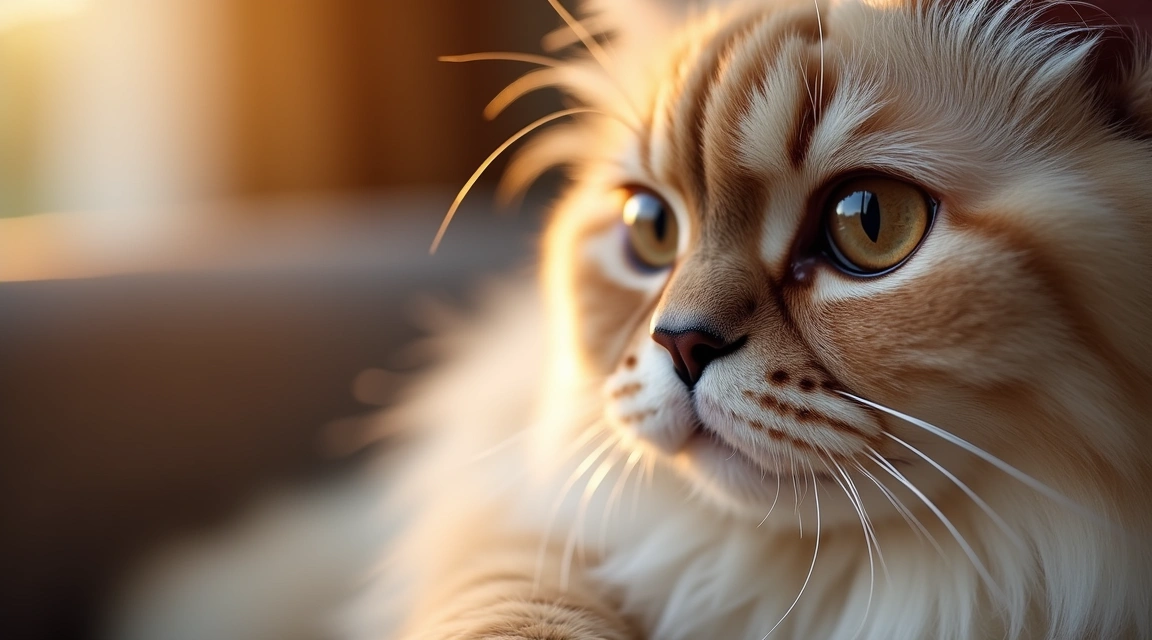
Persian cats have long captured hearts with their luxurious coats and expressive faces, but maintaining that signature fluffy appearance requires dedicated grooming. As we move through 2024 and beyond, Persian cat grooming routines have evolved significantly, incorporating new tools, techniques, and professional insights that make the process more effective and enjoyable for both cats and their owners. Understanding current trends in Persian cat grooming helps ensure your feline companion stays healthy, comfortable, and looking their absolute best.
The Persian breed’s distinctive double coat—featuring a dense, woolly undercoat and long, flowing outer fur—demands consistent attention. Without proper grooming, these gorgeous cats quickly develop painful mats, accumulate dirt and debris, and face increased risk of hairballs and skin issues. Modern grooming approaches balance traditional techniques with innovative products designed specifically for long-haired breeds, making daily maintenance more manageable than ever before.
The Science Behind Persian Cat Coat Care
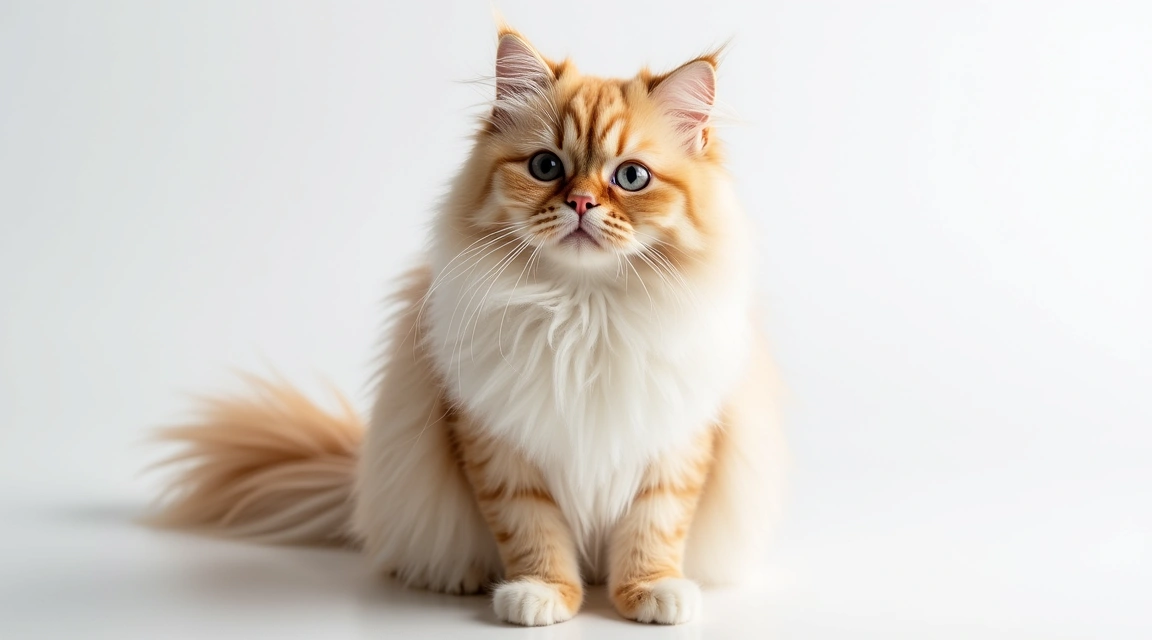
Understanding what makes Persian coats unique is essential for effective grooming. Unlike short-haired breeds, Persians produce significantly more natural oils and shed continuously throughout the year. Their coat structure features individual hairs that can reach several inches in length, with a texture that varies from silky to cottony depending on bloodline and color variety.
The undercoat serves as insulation and protection, while the guard hairs form the visible outer layer. Both layers grow at different rates and require different grooming approaches. Modern veterinary dermatology has revealed that Persian skin produces sebum at rates comparable to other breeds, but the extensive coat distributes these oils unevenly, creating both dry patches and oily areas if not properly maintained.
Current research in feline dermatology emphasizes the connection between grooming frequency and overall health outcomes. Regular brushing stimulates blood circulation to the skin, distributes natural oils throughout the coat, removes loose hair before it’s ingested, and provides crucial bonding time. For Persians, professional groomers now recommend daily brushing sessions of 10-15 minutes rather than less frequent, longer sessions that can stress the cat.
Current Trending Tools and Techniques
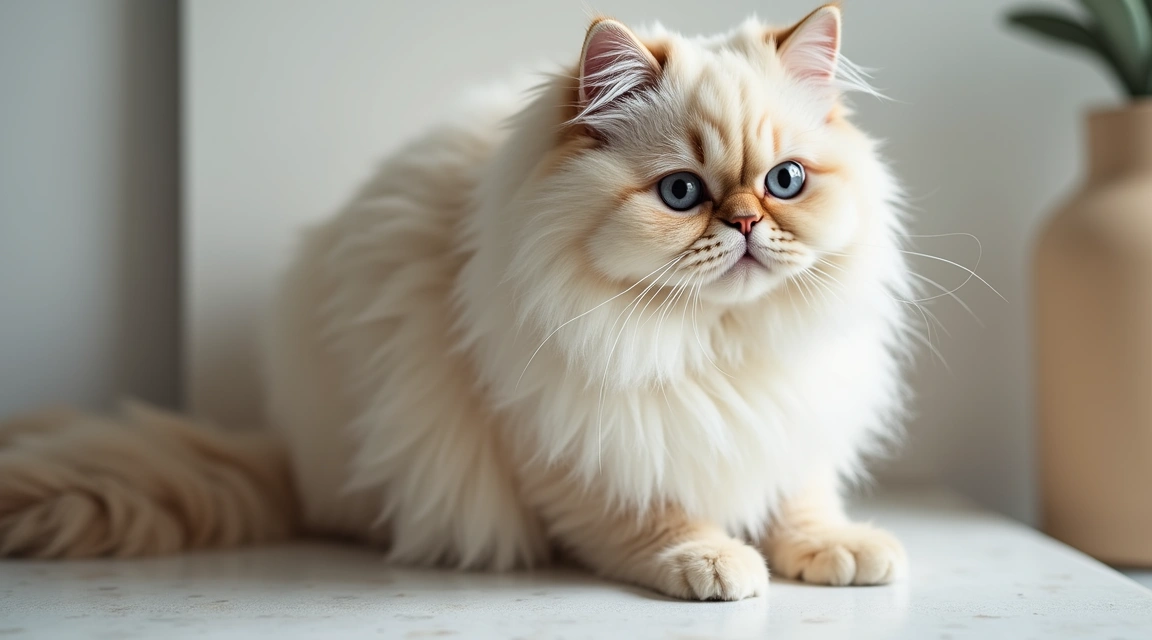
The Persian grooming toolkit has expanded dramatically in recent years. Stainless steel combs with rotating teeth have become increasingly popular because they glide through tangles without pulling, reducing discomfort for cats who may be sensitive about grooming. These combs typically feature both wide and narrow tooth spacing, allowing groomers to work through the coat in layers.
Slicker brushes remain essential, but 2024 models feature softer, more flexible pins with protective coating that prevents scratching sensitive skin. Self-cleaning slicker brushes with retractable pins have gained traction among Persian owners who groom daily, as they simplify the cleanup process and encourage consistency.
Undercoat rakes designed specifically for double-coated breeds have revolutionized how owners address seasonal shedding. These tools feature long, rotating teeth that penetrate to the undercoat without damaging guard hairs. Professional groomers report that using undercoat rakes twice weekly during heavy shedding periods significantly reduces mat formation.
Detangling sprays formulated without harsh chemicals represent another major trend. Products containing natural ingredients like coconut oil, aloe vera, and silk proteins help loosen mats while conditioning the coat. Unlike older spray formulas that left residue, current formulations absorb quickly and don’t attract dirt, making them suitable for daily use.
The technique of line brushing has gained widespread acceptance in the Persian community. This methodical approach involves working in small sections, parting the coat and brushing from skin to tip in systematic lines across the entire body. While time-intensive, line brushing ensures thorough coverage and catches developing mats before they become problematic. Many owners now incorporate this technique during their cat health maintenance routines.
Professional Grooming Integration and Home Care Balance
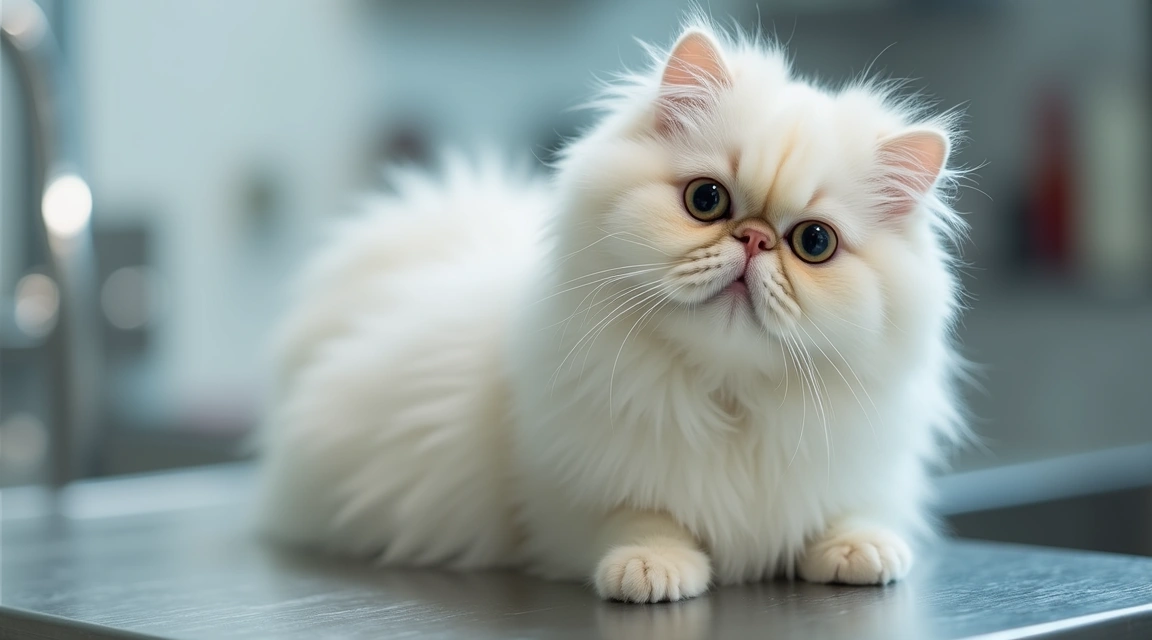
A significant trend in Persian care involves strategic integration of professional grooming services with home maintenance. Rather than viewing professional grooming as a twice-yearly luxury, many Persian owners now schedule quarterly professional sessions that include full baths, sanitary trims, and mat removal, while maintaining daily home grooming between appointments.
Professional groomers specializing in Persian cats have adopted low-stress handling techniques based on feline behavior research. These methods include breaking grooming sessions into shorter segments, using pheromone sprays to create calming environments, and employing positive reinforcement with treats specifically timed to reward cooperation.
Sanitary trims around the rear end, paw pads, and face have become standard practice. These strategic trims don’t alter the Persian’s overall appearance but significantly reduce hygiene issues and matting in problem areas. Many groomers now use small, quiet trimmers designed for sensitive areas rather than traditional scissors, reducing anxiety for cats nervous about grooming sounds.
The “puppy cut” or “lion cut”—where the body coat is trimmed short while leaving the head and tail fuller—has gained acceptance as a practical solution for Persians in warmer climates or for owners struggling with matting issues. While controversial among show breeders, veterinarians and animal behaviorists generally support these cuts when they improve quality of life by reducing stress and keeping the cat comfortable.
Eye care has received renewed attention in current grooming protocols. Persian facial structure creates tear overflow that stains the fur around the eyes. Daily gentle cleaning with specialized eye wipes or diluted solutions recommended by veterinarians prevents staining and reduces bacterial growth. Some groomers now incorporate tear stain prevention products containing natural antibacterial compounds into their routine services.
Nutritional and Health Considerations in Coat Quality
Contemporary understanding recognizes that grooming alone cannot maintain optimal coat condition—nutrition plays an equally critical role. Omega-3 and omega-6 fatty acids support healthy skin and reduce inflammation that can lead to coat problems. Many premium cat foods now include optimal ratios of these fatty acids specifically formulated for long-haired breeds.
Hydration significantly impacts coat quality. Persians who consume adequate water produce healthier skin oils and shed less excessively. The trend toward cat water fountains has proven particularly beneficial for this breed, as many Persians prefer running water and drink more when fountains are available.
Supplementation with biotin and other B-complex vitamins has shown promise in supporting coat health, though owners should always consult veterinarians before adding supplements. Some high-end Persian-specific foods now incorporate these nutrients at levels designed to support the demanding nutritional needs of maintaining dense, long coats.
Regular veterinary checkups remain essential, as coat condition often reflects underlying health issues. Thyroid problems, kidney disease, and diabetes all manifest in coat changes. Groomers trained in basic health assessment can spot warning signs during sessions and recommend veterinary consultation when they observe sudden coat deterioration, excessive greasiness, or unusual shedding patterns.
Data Summary: Persian Grooming Routine Components
| Grooming Task | Recommended Frequency | Primary Tools | Time Investment |
|---|---|---|---|
| Daily brushing | Once daily | Slicker brush, steel comb | 10-15 minutes |
| Undercoat raking | 2-3 times weekly | Undercoat rake | 5-10 minutes |
| Eye cleaning | Daily | Eye wipes, soft cloth | 2-3 minutes |
| Complete bathing | Every 4-6 weeks | Cat-specific shampoo, towels, dryer | 1-2 hours |
| Professional grooming | Quarterly | Professional tools and expertise | 2-3 hours |
| Sanitary trims | Every 6-8 weeks | Small trimmers or scissors | 10-15 minutes |
| Mat inspection | During each brushing | Fingers, mat splitter if needed | Included in brushing time |
| Nail trimming | Every 2-3 weeks | Cat nail clippers | 5 minutes |
Emerging Technologies and Future Directions
Technology continues reshaping Persian grooming practices. Smart brushes with embedded sensors now track brushing frequency and coverage, sending reminders to smartphone apps when areas are missed or when it’s time for the next session. While still relatively expensive, these tools appeal to tech-savvy owners seeking to optimize their grooming routines.
High-velocity dryers designed for home use have become more accessible and quieter. These tools, once limited to professional salons, help owners dry their Persians thoroughly after baths without the extended air-drying time that can lead to mats forming in damp fur. Modern versions feature adjustable heat settings and reduced noise levels that minimize stress for sound-sensitive cats.
Grooming education has moved online, with numerous video tutorials demonstrating proper Persian grooming techniques. Professional groomers now offer virtual consultations where they watch owners groom their cats via video chat and provide real-time feedback. This trend has proven particularly valuable for new Persian owners learning to manage their cat’s demanding coat care requirements.
Sustainable grooming products represent an emerging consideration. Biodegradable grooming wipes, bamboo-handled brushes, and natural ingredient grooming sprays appeal to environmentally conscious pet owners. These products deliver effective results while reducing environmental impact, aligning pet care with broader sustainability values.
Conclusion
Persian cat grooming has evolved from a daunting chore into a well-understood routine supported by specialized tools, research-backed techniques, and professional resources. Current trends emphasize consistency over intensity—daily short sessions prove more effective than sporadic marathon grooming. The integration of professional services with home care creates a comprehensive approach that keeps Persians comfortable and healthy while maintaining their distinctive beauty.
Success with Persian grooming requires commitment, appropriate tools, and willingness to adapt techniques to each individual cat’s temperament and coat characteristics. The trends discussed here reflect growing understanding of feline behavior, coat biology, and the connection between grooming and overall wellness. Whether you’re a longtime Persian owner or considering adding one to your family, embracing these modern grooming approaches will help ensure your cat thrives while looking magnificent.
The key takeaway is that effective Persian grooming combines regular home maintenance with periodic professional care, supported by proper nutrition and health monitoring. As tools continue improving and our understanding of feline coat care deepens, maintaining a Persian’s luxurious appearance becomes increasingly manageable for dedicated owners willing to invest the necessary time and effort.