
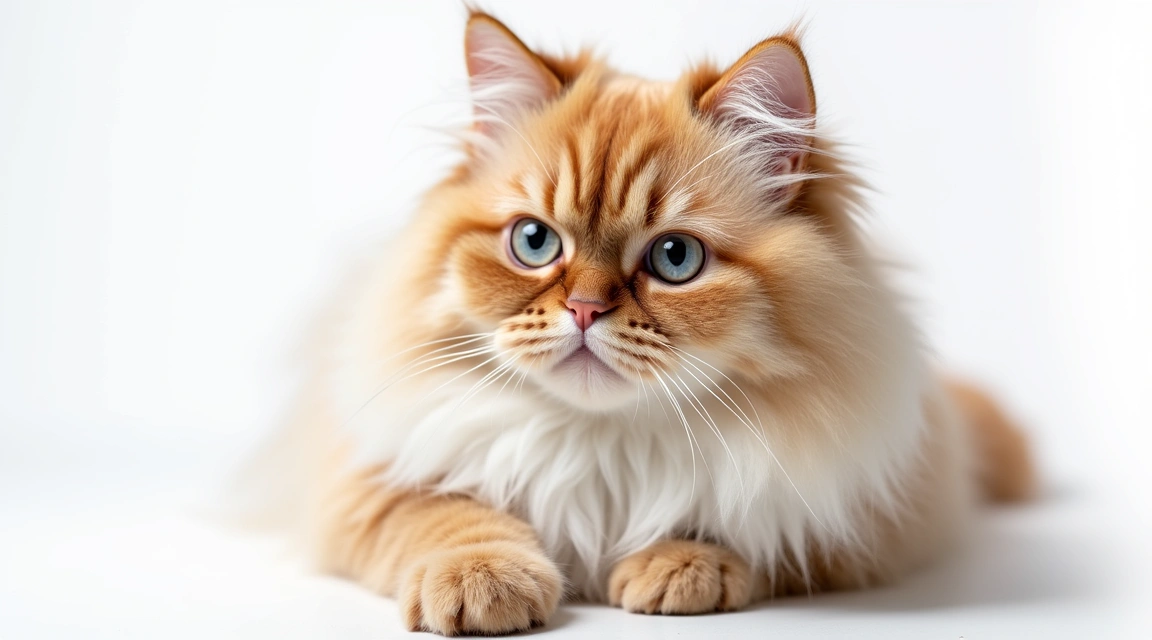
Persian cats are renowned for their luxurious, flowing coats that make them one of the most recognizable and beloved cat breeds. However, this same beautiful fur comes with a significant challenge: hairballs. Due to their long, dense coats and meticulous grooming habits, Persian cats are particularly prone to developing hairballs, which can cause discomfort and, in severe cases, serious health complications. Understanding how to prevent hairballs in your Persian cat is essential for maintaining their health and quality of life.
Hairballs form when cats ingest loose fur during self-grooming. The hair accumulates in the stomach and digestive tract, eventually forming a matted clump. While occasional hairballs are normal for most cats, Persian cats face a higher risk due to the sheer volume and length of their fur. Fortunately, with the right preventive strategies—ranging from grooming techniques to dietary adjustments—you can significantly reduce the frequency and severity of hairballs in your Persian companion.
Why Persian Cats Are Especially Vulnerable to Hairballs
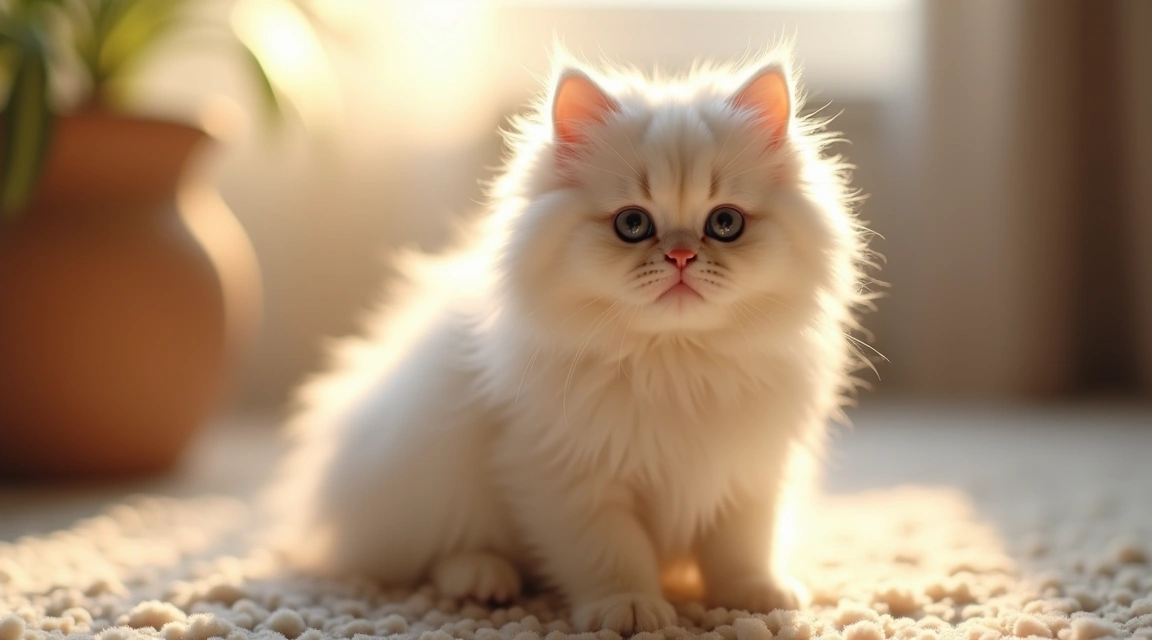
Persian cats possess a double coat that is considerably longer and denser than that of most other breeds. This coat requires constant maintenance, and Persians instinctively spend substantial time grooming themselves. During grooming, their rough tongues catch loose and dead hair, which is then swallowed. Unlike short-haired breeds where minimal hair is ingested, Persians consume much larger quantities of fur with each grooming session.
The hair that enters the digestive system typically passes through naturally, but when too much accumulates, it forms a compact mass. This can lead to vomiting, constipation, lethargy, and loss of appetite. In rare but serious cases, hairballs can cause intestinal blockages that require veterinary intervention. The combination of long fur, frequent shedding, and natural grooming behavior makes hairball prevention a critical aspect of Persian cat care.
Effective Grooming Strategies to Minimize Hairballs
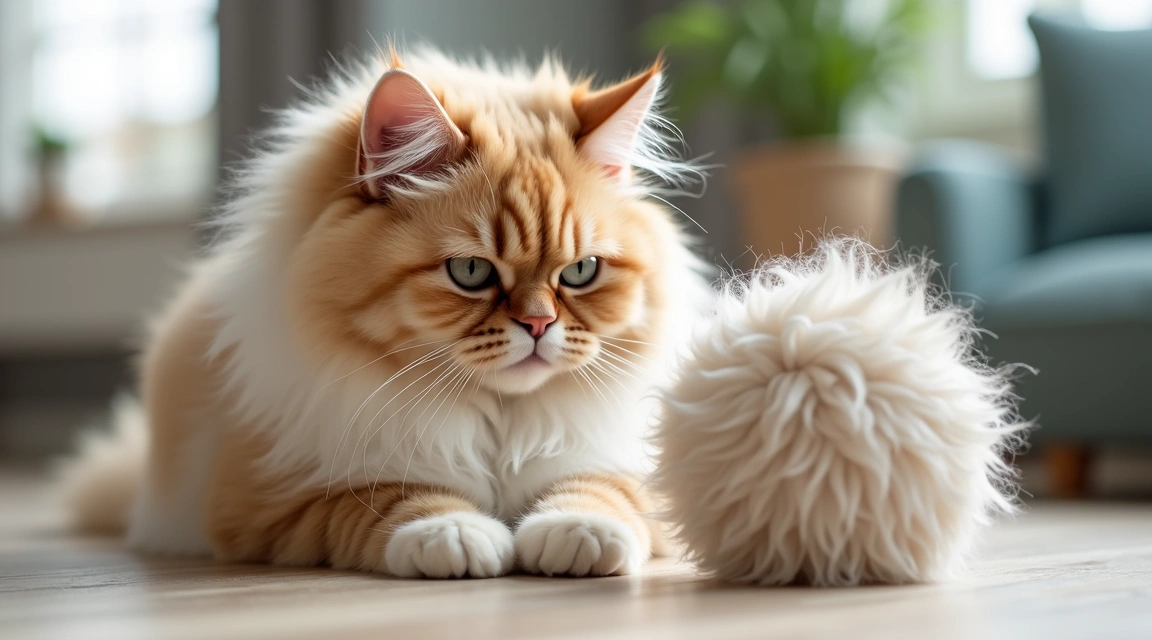
The single most important preventive measure for hairballs in Persian cats is regular, thorough grooming. By removing loose fur before your cat can ingest it, you dramatically reduce the amount of hair entering their digestive system. Daily brushing is strongly recommended for Persian cats, and during heavy shedding seasons, some owners find that twice-daily sessions yield the best results.
Selecting the right grooming tools makes a significant difference. A combination approach typically works best: start with a wide-toothed metal comb to work through the outer coat and gently detangle any mats, then follow with a slicker brush to capture loose undercoat fur. Many Persian cat owners also find that finishing with a fine-toothed comb helps catch any remaining loose hairs. For particularly dense or mat-prone areas—such as behind the ears, under the legs, and around the tail—extra attention is necessary.
Establishing a consistent grooming routine benefits both you and your cat. Cats that are accustomed to daily brushing from kittenhood typically tolerate the process well and may even enjoy the attention. For cats new to regular grooming, start with shorter sessions and gradually increase the duration as they become more comfortable. Creating a calm environment and offering treats or gentle praise helps build positive associations with grooming time.
Professional grooming can also be valuable, especially if your Persian develops mats that are difficult to remove at home. Some owners schedule professional grooming sessions every few months to maintain coat health and ensure thorough removal of loose fur. If you’re looking for more detailed guidance on maintaining your Persian’s coat, our Cat Care Tips section offers additional resources on grooming techniques and schedules.
Dietary Approaches and Specialized Hairball Formulas
Diet plays a crucial role in hairball prevention. Specialized hairball-control cat foods are formulated with increased fiber content, which helps move ingested hair through the digestive tract more efficiently. These foods often contain a blend of soluble and insoluble fiber that aids in both moving hair through the system and supporting overall digestive health.
When selecting a hairball-control food, look for high-quality protein sources as the primary ingredients, along with added fiber from sources such as beet pulp, psyllium, or cellulose. Some formulas also include omega fatty acids, which promote healthy skin and coat condition, potentially reducing shedding. It’s important to transition to any new food gradually over several days to avoid digestive upset.
Hairball remedies and supplements offer another dietary approach. These products, which come in gel, paste, or treat forms, typically contain petroleum-based lubricants or natural oils that help hair pass through the digestive system more smoothly. Many cats find these products palatable, and they can be administered a few times per week as a preventive measure. However, these should complement—not replace—regular grooming and a balanced diet.
Adequate hydration is another often-overlooked factor in hairball prevention. Cats that consume sufficient water have better digestive function, which helps move hair through the intestinal tract. Consider providing multiple water sources, using a cat water fountain to encourage drinking, or incorporating wet food into your Persian’s diet to increase moisture intake.
Recognizing When Hairballs Require Veterinary Attention
While most hairballs are a manageable nuisance, certain signs indicate that veterinary care is needed. If your Persian cat is attempting to vomit repeatedly without producing a hairball, showing signs of constipation, refusing food for more than a day, or displaying lethargy and discomfort, these symptoms could indicate an intestinal blockage or other serious condition.
Persistent coughing or gagging without producing a hairball, particularly if accompanied by other symptoms, warrants a veterinary examination. Your veterinarian can assess whether the issue is related to hairballs or if another underlying condition is present. In some cases, diagnostic imaging or other tests may be necessary to rule out obstructions or gastrointestinal disorders.
Preventive veterinary care also includes regular check-ups where your vet can assess your Persian’s overall health, coat condition, and digestive function. Discussing hairball frequency and any concerns during routine visits helps your veterinarian provide tailored recommendations for your specific cat’s needs.
Creating a Comprehensive Hairball Prevention Plan
The most effective approach to preventing hairballs in Persian cats combines multiple strategies. Start with a foundation of daily brushing using appropriate tools, and establish this as a non-negotiable part of your routine. Consistency is more important than perfection—even a brief daily session is better than sporadic thorough grooming.
Evaluate your cat’s current diet and consider transitioning to a high-quality hairball-control formula if your Persian experiences frequent hairballs. Supplement with hairball remedies as needed, following product instructions for frequency. Monitor your cat’s water intake and take steps to encourage adequate hydration through fountains, multiple water bowls, or increased wet food consumption.
Environmental enrichment can also play a supportive role. Cats that are mentally stimulated and physically active may engage in less excessive grooming driven by stress or boredom. Providing interactive toys, climbing structures, and regular play sessions contributes to overall wellbeing and may help reduce compulsive grooming behaviors that exacerbate hairball issues.
Keep a simple log of hairball frequency, especially when implementing new prevention strategies. This helps you identify what works best for your individual cat and provides valuable information to share with your veterinarian if concerns arise. Note any changes in diet, grooming frequency, or environmental factors alongside hairball incidents to identify patterns.
Long-Term Success in Managing Persian Cat Hairballs
Preventing hairballs in Persian cats requires commitment and patience, but the investment pays off in your cat’s comfort and health. Most Persian owners find that once they establish a consistent grooming routine and identify the right dietary approach, hairball frequency decreases significantly. The key is recognizing that hairball prevention is not a one-time solution but an ongoing aspect of responsible Persian cat ownership.
As your cat ages, their needs may change. Senior Persian cats may require adjustments to grooming techniques or dietary formulations. Stay attuned to your cat’s individual response to prevention strategies and remain flexible in adapting your approach. What works perfectly for one Persian may need modification for another, even within the same household.
By prioritizing regular grooming, providing appropriate nutrition, ensuring adequate hydration, and monitoring your cat’s health, you create a comprehensive defense against hairballs. Your Persian cat will benefit from reduced digestive discomfort, fewer unpleasant vomiting episodes, and better overall health. The time and effort you dedicate to hairball prevention strengthens the bond with your cat while supporting their wellbeing throughout their life.
Remember that while hairballs are common in Persian cats, they should not be an everyday occurrence. If your prevention efforts do not yield improvement, or if hairballs become more frequent despite your best efforts, consult your veterinarian to rule out underlying medical conditions and receive personalized guidance for your Persian’s specific situation.