
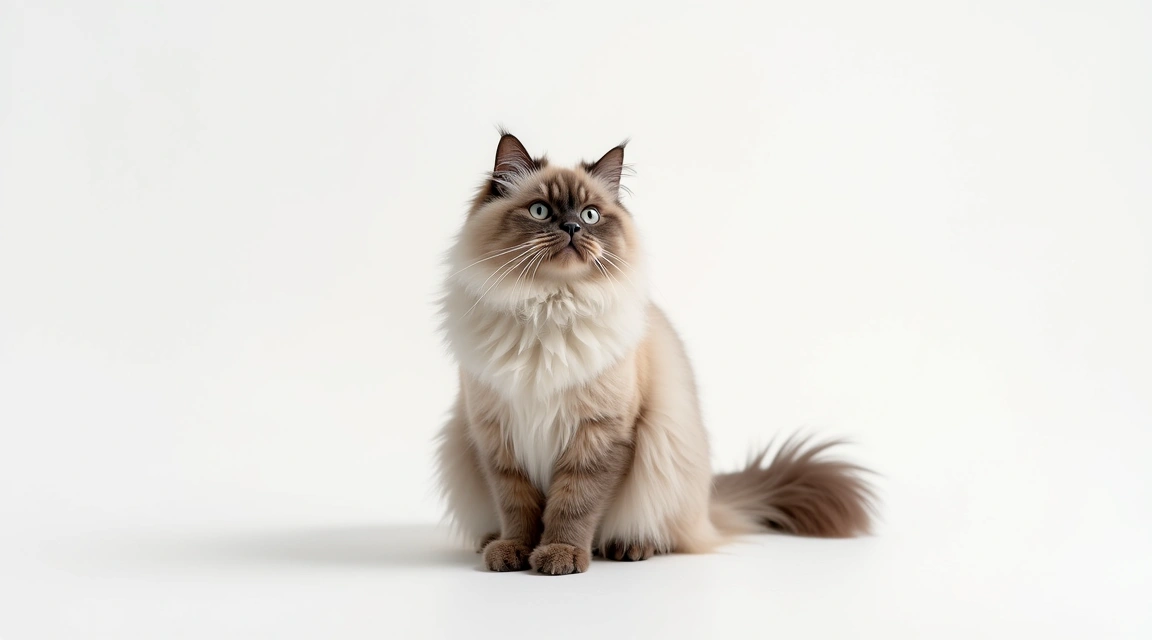
Persian cats didn’t just appear one day with their luxurious coats and sweet expressions. Their story stretches back centuries, winding through trade routes, royal courts, and eventually into the living rooms of American cat lovers. If you’ve ever wondered how these gentle felines became one of the most recognizable breeds in the United States, you’re about to find out. The truth is, their journey is as captivating as their personalities.
Here’s the thing : understanding where Persians came from helps you appreciate what makes them special today. These cats carry a legacy that shaped not only their appearance but also their temperament and care needs. And honestly, knowing their background makes you a better Persian owner. Let’s walk through the chapters of their remarkable history.
The Ancient Origins and Early Trade Routes
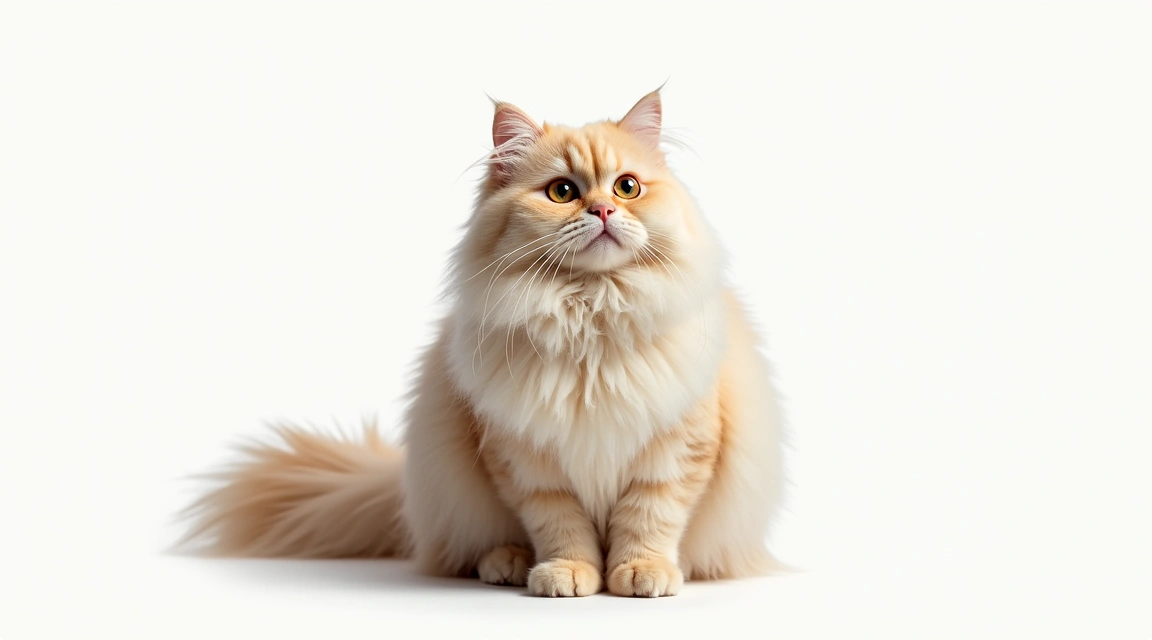
The Persian cat’s ancestors likely originated in the mountainous regions of Persia, modern-day Iran, though the exact timeline remains debated among feline historians. What we do know is that longhaired cats from this region caught the attention of European travelers in the 1600s. Italian trader Pietro Della Valle is often credited with bringing these exotic felines to Europe, where they quickly became status symbols among the wealthy.
But these early cats looked quite different from today’s Persians. They had longer noses, less dramatic coats, and a more moderate body structure. The cats traveled along ancient trade routes, mixing with other longhaired varieties from places like Turkey and Afghanistan. This genetic blending created the foundation for what would eventually become the Persian breed we recognize now. Sound familiar to how breeds develop over generations? That’s exactly what happened here, just over a much longer timespan than most modern breeds.
Victorian England and the Birth of Cat Fancy
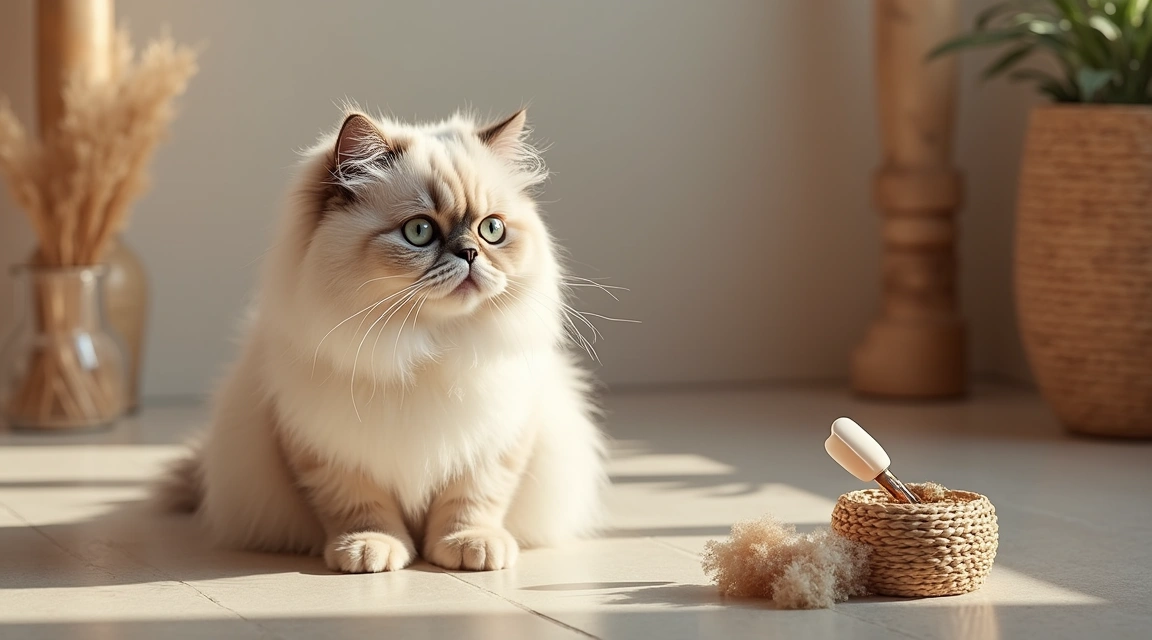
The real transformation began in Victorian England during the late 1800s. Queen Victoria herself was a known cat enthusiast, and her appreciation for longhaired cats helped elevate their status. The first organized cat show took place at London’s Crystal Palace in 1871, and Persian-type cats were among the stars of the event. This marked a turning point : cats went from functional mousers to cherished companions and show animals.
Breeders in England started selectively breeding for specific traits. They wanted rounder heads, shorter noses, and that incredibly thick, flowing coat. This wasn’t random. It was deliberate refinement aimed at creating a distinct look that separated Persians from other longhaired breeds. The emphasis on appearance over working ability defined the breed’s evolution from this point forward. And it worked. Within a few decades, the Persian look we know today started to emerge.
Arrival in America and Rising Popularity
Persian cats made their way to the United States in the late 1800s, and American breeders fell in love immediately. The Cat Fanciers’ Association, founded in 1906, recognized Persians as one of its original breeds. American breeders took the Victorian ideal and ran with it, developing even more extreme features and expanding the color palette far beyond the original blues and whites.
By the mid-1900s, Persians had become the most popular pedigreed cat breed in America, a title they’ve held for decades. Why? Their calm temperament suited indoor living perfectly as more Americans moved to cities and suburbs. They didn’t demand outdoor access like some breeds. They were content lounging on sofas and observing household activity from comfortable perches. Plus, their stunning appearance made them living works of art. Who hasn’t stopped to admire a well-groomed Persian?
Modern Breeding Practices and Health Considerations
Here’s where the story gets more complex. As breeders pushed for more extreme features, particularly the ultra-flat face, health concerns emerged. The brachycephalic structure that defines modern show Persians can lead to breathing difficulties, dental issues, and eye problems. Responsible breeders today balance appearance with health, and many are working to preserve a more moderate type sometimes called the traditional or doll-face Persian.
At Steeplechase Cattery, we’ve seen this evolution firsthand. We prioritize healthy structure while maintaining the sweet Persian temperament and beautiful coat that people love. Not every Persian needs an extreme flat face to be a wonderful companion. In fact, many pet owners prefer the more traditional look because it often comes with fewer health challenges. The breed’s history shows us that Persians were originally more moderate, and there’s growing appreciation for returning to those healthier foundations.
What Persian History Means for Today’s Owners
Understanding Persian cat history isn’t just academic. It directly impacts how you care for your cat. Because the breed was developed for appearance and companionship rather than hunting or outdoor survival, Persians thrive as indoor-only cats. Their long coats, originally suited to cold mountain regions, now require daily grooming since they don’t naturally shed seasonal coats like their ancestors might have.
Their calm, gentle nature wasn’t an accident either. Centuries of breeding for temperament created cats that genuinely enjoy human company without being overly demanding. They’re not typically climbers or troublemakers. They prefer routine and predictability. Fair enough, right? When you know your Persian descends from cats bred to be royal companions, their preference for comfort and calm makes perfect sense. This breed was shaped by human hands for human homes, and that legacy lives in every modern Persian.
The journey from ancient Persia to your living room spans continents and centuries. Today’s Persian cats carry that rich heritage in their DNA, from their luxurious coats to their sweet dispositions. Whether you’re drawn to the traditional look or the modern show type, you’re welcoming home a breed with an extraordinary story. And that’s something worth appreciating every time your Persian settles into your lap for an afternoon of quiet companionship.
Editorial Tips & Advertising Inquiries : cats@steeplechasecattery.com
📖 Related Articles