

Persian cats face a distinct set of health challenges that make year-round preventive care essential. Recent veterinary research published in Scientific Reports confirms that Persian cats experience higher rates of certain conditions compared to other breeds, including dental disease, overgrown nails, and eye disorders such as corneal sequestrum. These findings underscore the importance of establishing a comprehensive preventive care routine tailored to the breed’s unique anatomy and genetic predispositions.
Preventive care is not a once-a-year activity but rather a continuous commitment to monitoring, grooming, nutrition, and veterinary supervision. Persian cats require more hands-on attention than many other breeds due to their flat facial structure, long coats, and inherited susceptibilities. The good news is that most preventive measures can be integrated into daily routines, and early intervention significantly improves quality of life.
Daily and Weekly Grooming Essentials

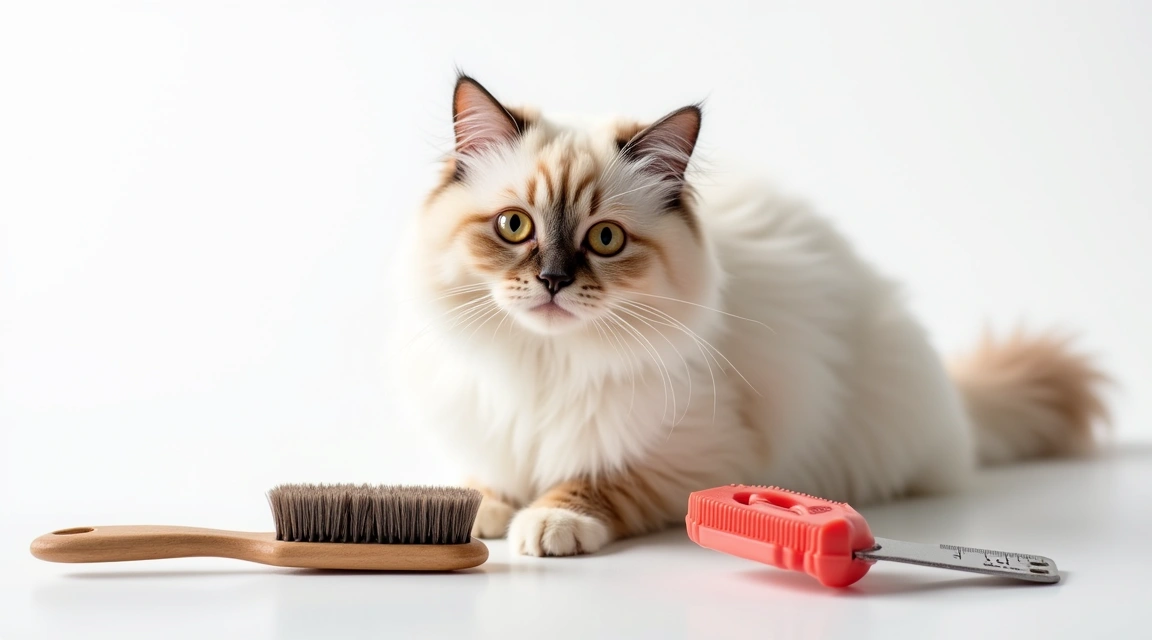
The Persian cat’s luxurious coat demands consistent grooming to prevent matting, skin infections, and digestive issues caused by excessive hairball formation. Daily brushing is the cornerstone of coat care. Use a wide-toothed metal comb to work through the undercoat, followed by a slicker brush to smooth the topcoat. Pay special attention to areas prone to tangling, such as behind the ears, under the legs, and around the tail.
Eye care is equally critical. Persians’ brachycephalic (flat-faced) structure often leads to excessive tearing and tear staining. Wipe the eyes daily with a soft, damp cloth or veterinary-approved wipes to remove discharge and prevent bacterial buildup. If discharge becomes thick, discolored, or accompanied by redness, consult your veterinarian promptly, as this may indicate an infection or corneal issue.
Nail trimming should occur every two to three weeks. Research has shown that overgrown nails are a common concern in Persian cats under veterinary care. Regular trimming prevents discomfort, reduces the risk of ingrown nails, and protects your furniture and skin during playtime.
Veterinary Checkups and Parasite Prevention
Annual or biannual veterinary exams form the backbone of preventive care. During these visits, your veterinarian will assess your cat’s weight, dental health, heart and lung function, and screen for early signs of disease. Blood work and urinalysis are particularly valuable for detecting kidney disease, diabetes, and hyperthyroidism before clinical symptoms emerge.
Dental disease ranks among the most common health issues in Persian cats. The breed’s facial structure can lead to crowding of teeth and difficulty chewing, which accelerates plaque and tartar buildup. Professional dental cleanings, performed under anesthesia, should be scheduled as recommended by your veterinarian. At home, consider introducing cat-safe toothpaste and a soft brush to maintain oral hygiene between professional cleanings.
Parasite control is a year-round priority, not a seasonal task. Fleas, ticks, and intestinal worms pose risks even to indoor cats. Recent guidance from veterinary professionals in the UK has called for stricter oversight of flea treatments, emphasizing the need for veterinarian-prescribed products rather than over-the-counter options that may be misused or ineffective. Always follow your veterinarian’s recommendations for flea, tick, and deworming protocols tailored to your cat’s lifestyle and risk factors.
Zoonotic diseases—those transmissible from pets to humans—are another consideration in preventive care. While rare, certain parasites and infections can be shared between cats and their owners. Maintaining rigorous hygiene, including litter box cleaning and handwashing after handling pets, minimizes these risks. For households with immunocompromised individuals, young children, or pregnant women, discuss additional precautions with your veterinarian.
Nutrition, Weight Management, and Environmental Enrichment

Proper nutrition supports every aspect of Persian cat health, from coat quality to immune function. Choose high-quality commercial cat food formulated for Persian cats or long-haired breeds, as these often contain additional omega fatty acids for skin and coat health, as well as fiber to aid hairball management. Avoid free-feeding, which can lead to obesity—a risk factor for diabetes, arthritis, and reduced lifespan.
Monitor your cat’s body condition regularly. You should be able to feel the ribs with light pressure but not see them prominently. If you notice weight gain or loss, adjust portion sizes or consult your veterinarian about a tailored feeding plan.
Environmental enrichment is an often-overlooked component of preventive care. Mental stimulation and physical activity reduce stress, prevent obesity, and promote overall well-being. Provide scratching posts, interactive toys, climbing structures, and regular play sessions. Even indoor cats benefit from window perches that allow them to observe outdoor activity safely.
Litter box hygiene also plays a preventive role. Scoop daily and change litter completely at least once a week. Persian cats can be particular about cleanliness, and a dirty box may lead to inappropriate elimination or urinary tract issues. If your cat begins urinating outside the box, consult your veterinarian to rule out medical causes before addressing behavioral factors.
Seasonal and Long-Term Health Strategies

While preventive care is consistent year-round, certain tasks align with seasonal changes. In warmer months, monitor for overheating, as Persians’ long coats and flat faces make them more susceptible to heat stress. Provide cool, shaded resting areas and ensure fresh water is always available. In colder months, indoor heating can dry out skin and coat; consider using a humidifier and adjusting grooming routines to combat dryness.
Vaccination schedules should be maintained according to your veterinarian’s guidance. Core vaccines protect against life-threatening diseases such as feline panleukopenia, feline herpesvirus, and feline calicivirus. Non-core vaccines, such as those for feline leukemia virus, depend on your cat’s exposure risk. Never skip or delay vaccines without veterinary consultation.
As Persian cats age, preventive care shifts to accommodate changing needs. Senior cats benefit from more frequent veterinary visits, adjusted diets to support kidney and joint health, and environmental modifications such as lower litter box sides and easier-to-reach food bowls.
For additional guidance on maintaining your cat’s overall health, explore our Cat Health section, where you’ll find resources on nutrition, behavior, and common conditions.
Expert Insight and Practical Takeaways
Dr. Danièlle Gunn-Moore, a specialist in feline medicine, has noted that breed-specific health data helps veterinarians anticipate and address conditions before they become severe. For Persian cats, this means recognizing that their distinctive anatomy is not merely cosmetic but carries real health implications that require informed, proactive care.
Preventive care is an investment in your Persian cat’s longevity and quality of life. By establishing routines for grooming, veterinary visits, nutrition, and parasite control, you create a foundation that allows early detection of health issues and reduces the risk of serious complications. The time and attention you dedicate today translate into years of companionship with a healthy, comfortable, and happy feline friend.
Remember that no two Persian cats are identical. Work closely with your veterinarian to tailor preventive care strategies to your cat’s individual needs, lifestyle, and health history. A partnership between attentive owner and experienced veterinarian is the most effective way to ensure your Persian cat thrives throughout every season of life.