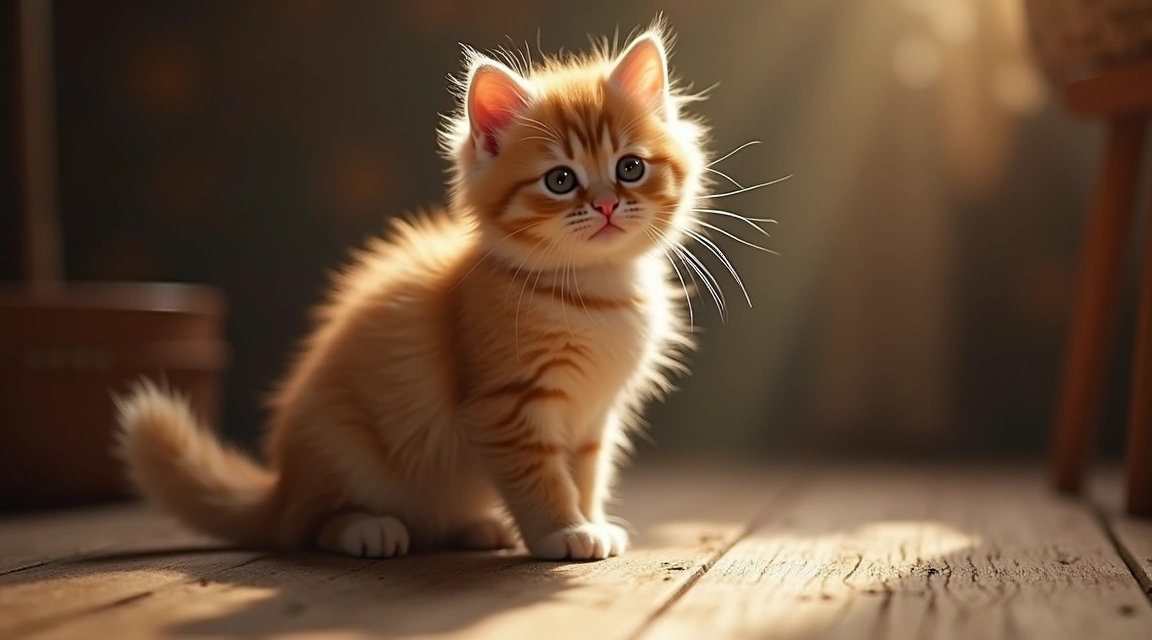
When I brought home my first Persian kitten, I quickly realized that owning one of these luxurious felines requires a different approach than caring for most other cat breeds. With their distinctive flat faces, flowing coats, and gentle temperaments, Persian kittens need specialized attention from day one. After years of experience raising these beautiful companions, I’ve learned what works, what doesn’t, and what new owners absolutely need to know before bringing home their fluffy bundle of joy.
Persian kittens are undeniably charming, but they’re not a low-maintenance choice. If you’re considering adding one to your family or have just welcomed a Persian kitten home, understanding their unique care requirements will help ensure your new companion thrives and remains healthy throughout their life.
The Advantages of Raising a Persian Kitten
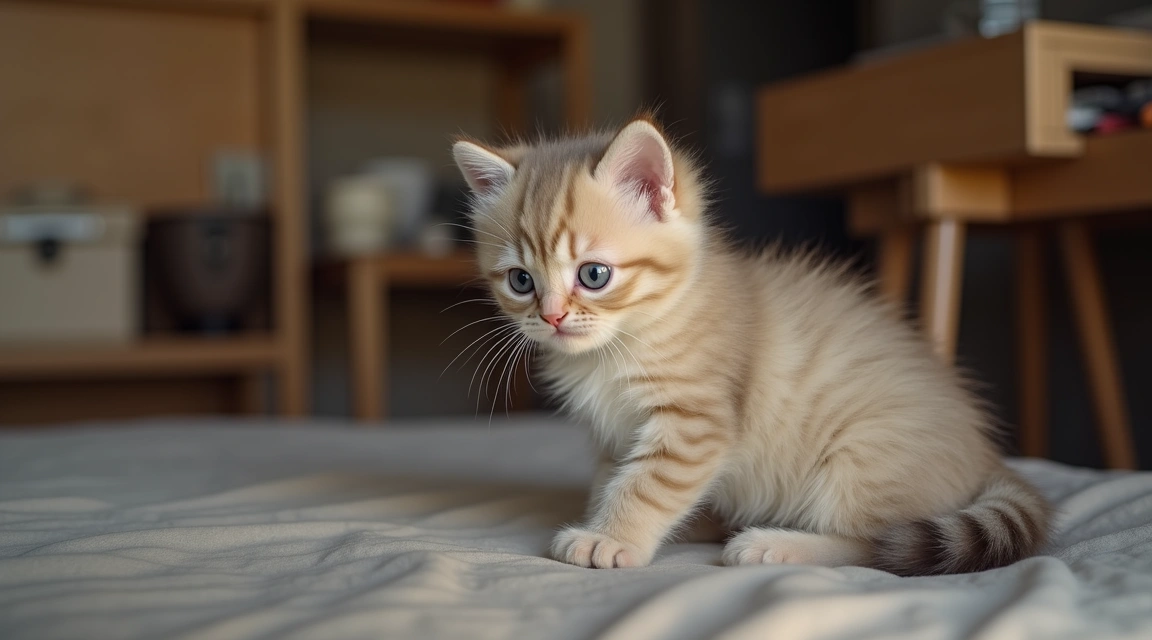
Persian kittens offer several wonderful qualities that make them exceptional companions for the right household. Their calm, docile nature makes them ideal indoor cats who enjoy lounging on comfortable furniture and observing their surroundings with quiet dignity. Unlike high-energy breeds that constantly demand playtime, Persians are content with moderate activity and genuinely enjoy human companionship without being overly demanding.
The bonding experience with a Persian kitten is particularly rewarding. These cats typically form strong attachments to their families and adapt well to predictable routines. Their gentle disposition makes them suitable for households with older children who understand how to handle pets respectfully. I’ve found that Persians rarely exhibit aggressive behavior and prefer peaceful environments where they can feel secure.
Starting with a kitten also allows you to establish grooming routines early. When you introduce daily brushing and face cleaning during kittenhood, your Persian learns to tolerate—and often enjoy—these necessary care rituals. This early conditioning makes lifelong maintenance significantly easier compared to adopting an adult Persian who hasn’t been properly groomed.
Their stunning appearance is another obvious advantage. Watching a Persian kitten develop their full coat and mature into their distinctive features is genuinely delightful. The variety of colors and patterns available means you can find a Persian that matches your aesthetic preferences, from solid whites and blacks to colorful pointed or bi-color variations.
The Challenges You’ll Face with Persian Kitten Care
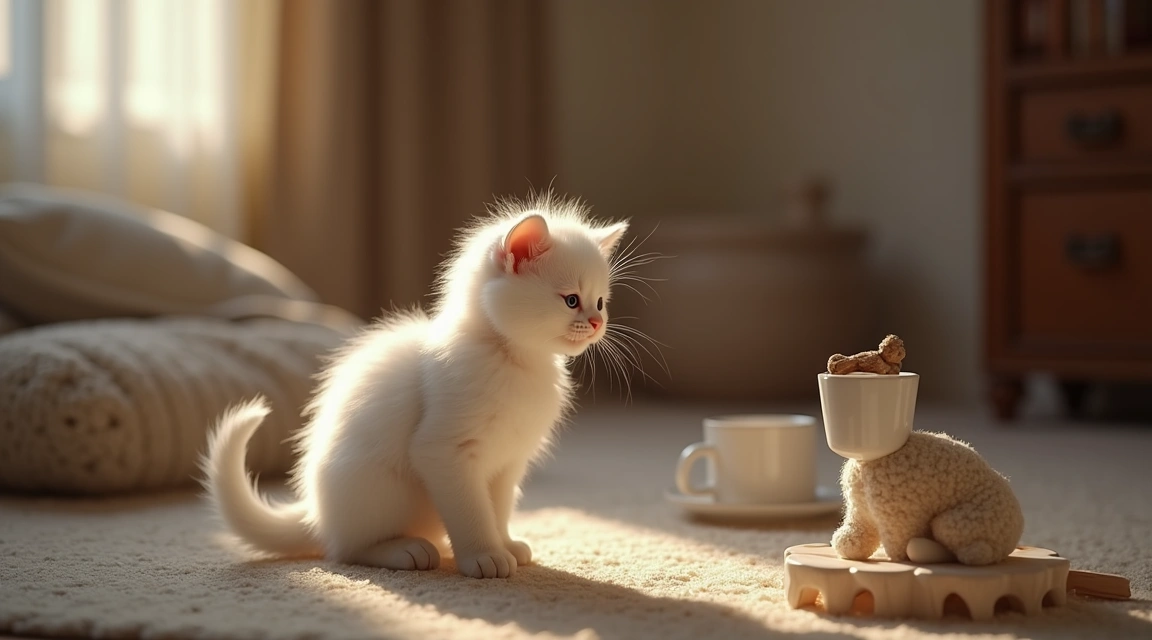
The grooming commitment for Persian kittens cannot be overstated. Their long, dense coats require daily brushing to prevent matting, which can develop surprisingly quickly—sometimes within just 48 hours of missed grooming. I’ve spent countless mornings carefully working through tangles, and neglecting this task even briefly can result in painful mats that require professional removal.
Persian cats are brachycephalic, meaning their flat facial structure creates specific health considerations. Their shortened nasal passages make them prone to breathing difficulties, especially in hot or humid weather. You’ll need to keep your home climate-controlled and watch for signs of respiratory distress. Additionally, their large eyes and flat faces lead to excessive tearing, which stains the fur around their eyes and requires daily cleaning to prevent bacterial growth and discomfort.
Feeding a Persian kitten requires special attention. Their flat faces make it difficult to pick up food from standard bowls, so you’ll need shallow, wide dishes. Some Persians are notoriously picky eaters, and you may need to experiment with different high-quality foods to find what your kitten prefers. Dental issues are also common in brachycephalic breeds, requiring regular veterinary dental care throughout their lives.
The financial commitment extends beyond the initial purchase price. Professional grooming every 6-8 weeks, specialized veterinary care for breed-specific issues, premium cat food formulated for Persians, and quality grooming tools all add up quickly. Budget at least $100-200 monthly for routine care, not including unexpected veterinary expenses.
Persian kittens are also strictly indoor cats. Their long coats collect debris, and their breathing difficulties make them unsuitable for outdoor adventures. They’re also not particularly athletic—don’t expect your Persian to execute impressive jumps or show much interest in climbing tall cat trees.
Who Should Consider Persian Kitten Ownership
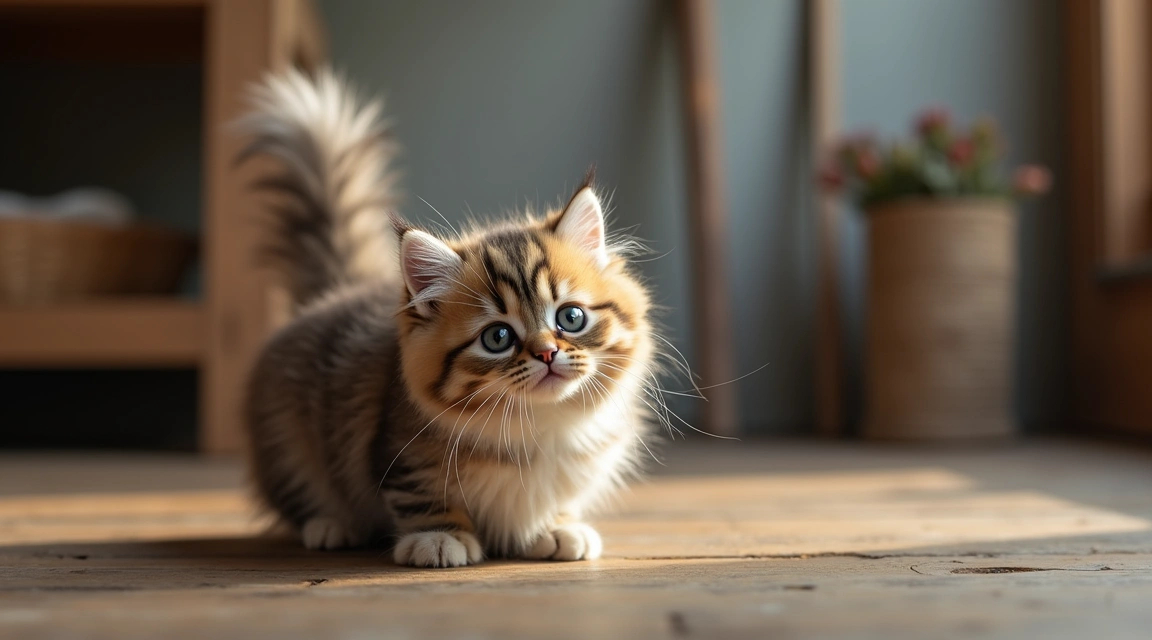
Persian kittens are ideal for individuals or families who spend considerable time at home and enjoy hands-on pet care. If you work from home or have retired, you’ll have the time needed for daily grooming sessions and can provide the companionship these cats crave. They’re particularly well-suited to calm households without young children who might handle them roughly or expect an interactive playmate.
You should consider a Persian kitten if you genuinely enjoy the grooming process and view it as quality bonding time rather than a chore. Some owners find the daily care routine meditative and rewarding. If you have patience, appreciate routine, and don’t mind investing significant time in pet maintenance, a Persian could be your perfect match.
Apartment dwellers often find Persians ideal because these cats don’t require extensive space and are naturally quiet—they rarely vocalize excessively. Their laid-back nature means they won’t tear through your home or climb curtains like more energetic breeds.
Conversely, Persian kittens aren’t suitable for busy professionals who travel frequently, families with very young children, or anyone seeking a low-maintenance pet. If you prefer minimal grooming responsibilities or want an adventurous outdoor cat, consider other breeds. First-time cat owners might find the specialized care requirements overwhelming, though dedicated individuals can certainly succeed with proper research and commitment.
Essential Care Tips for Persian Kitten Success
Invest in proper grooming tools from day one: a high-quality metal comb, a slicker brush, and a fine-toothed flea comb for facial grooming. Establish a daily routine where you thoroughly brush your kitten, checking for any developing mats, particularly under the legs, behind the ears, and around the tail.
Clean your kitten’s face daily using a soft, damp cloth or specialized pet wipes. Gently wipe the corners of their eyes to remove discharge before it stains the fur. Some owners use a diluted tear stain remover solution, but always consult your veterinarian first.
Create a grooming-friendly environment by choosing a consistent location and time for care sessions. I groom my Persians in the morning on a non-slip mat on my bathroom counter where the lighting is excellent and cleanup is easy. Reward your kitten with treats and praise to build positive associations.
Schedule regular veterinary checkups and stay current with vaccinations. Discuss breed-specific concerns with your vet, including polycystic kidney disease (PKD), which affects some Persian lines. Reputable breeders should provide PKD test results for the kitten’s parents.
Frequently Asked Questions
How often do Persian kittens need bathing?
Persian kittens typically need bathing every 4-6 weeks to keep their coats clean and manageable. However, frequency depends on individual cats—some stay cleaner than others. Use a gentle, cat-specific shampoo and ensure thorough drying afterward, as their dense coats hold moisture. Many owners find that professional groomers do the best job with bathing and can teach you proper techniques if you prefer handling it yourself.
At what age should I start grooming my Persian kitten?
Begin gentle grooming sessions as soon as you bring your kitten home, typically around 12-16 weeks old. Even though kittens have shorter, more manageable coats than adults, early introduction to brushing, face cleaning, and handling prepares them for lifelong grooming requirements. Keep initial sessions short (5-10 minutes) and positive, gradually increasing duration as your kitten matures and their coat develops.
Can Persian kittens live with other pets?
Yes, Persian kittens generally coexist peacefully with other pets when properly introduced. Their calm temperament makes them compatible with gentle dogs and other cats. However, supervise interactions carefully—Persians aren’t particularly defensive and may need protection from more assertive animals. Avoid housing them with highly energetic pets that might stress or overwhelm them. Gradual introductions using standard protocols work best, allowing your Persian kitten to adjust at their own pace in a safe, controlled environment.