

I’ll never forget the day my cat Whiskers ate a foreign object that required emergency surgery. The bill came to thousands of dollars, and I found myself wishing I’d spent more time researching pet insurance before the crisis hit. That experience taught me that buying pet insurance isn’t just about finding the cheapest premium—it’s about asking the right questions upfront so you’re not left scrambling when your pet needs care most.
Pet insurance has become increasingly popular as veterinary costs continue to rise, but navigating the various plans, coverage options, and exclusions can feel overwhelming. Before you purchase a policy, it’s essential to understand what you’re actually buying and whether it aligns with your pet’s needs and your budget. In this article, I’ll walk you through the key questions you should ask, the advantages and limitations of pet insurance, and who benefits most from this type of coverage.
Questions You Must Ask Before Buying Pet Insurance

The first question to tackle is what the policy actually covers. Most pet insurance plans fall into three categories: accident-only, accident and illness, and comprehensive plans that include wellness care. Accident-only policies are the most affordable but won’t help with illnesses like diabetes or cancer. Accident and illness plans cover a broader range of veterinary needs, from broken bones to chronic conditions. Some insurers offer optional wellness riders that cover routine care like vaccinations and dental cleanings, though these add-ons increase your monthly premium.
Next, you’ll want to understand the reimbursement model. Pet insurance typically works on a reimbursement basis—you pay the vet bill upfront, submit a claim, and then receive a percentage back. Common reimbursement rates range from 70% to 90%, and you’ll also encounter deductibles and annual or per-incident limits. Ask whether the deductible is annual or per-incident, as this dramatically affects your out-of-pocket costs if your pet develops multiple conditions throughout the year.
Pre-existing conditions are another critical area. Almost all pet insurers exclude pre-existing conditions, meaning any illness or injury that occurred or showed symptoms before your coverage started won’t be covered. Some companies have waiting periods for certain conditions, such as orthopedic issues, which can range from a few days to several months. If your pet has a chronic condition, it’s worth shopping around to see if any insurers offer coverage for curable conditions that have been symptom-free for a specified period.
Don’t overlook breed-specific exclusions or hereditary condition clauses. Certain breeds are prone to specific health issues—hip dysplasia in large dogs, respiratory problems in brachycephalic breeds like Persians or Bulldogs, or heart conditions in certain cat breeds. Some policies exclude hereditary or congenital conditions, while others cover them at higher premiums. Read the fine print carefully, especially if your pet is a purebred with known genetic vulnerabilities.
Finally, ask about the claims process and customer service reputation. How quickly does the company process claims? Can you submit claims online or via a mobile app? Are there caps on specific procedures or conditions? A policy with great coverage on paper can become frustrating if the claims process is slow or riddled with denials. Reading independent reviews and checking complaint ratios can give you a clearer picture of what to expect.
The Benefits of Pet Insurance

One of the biggest advantages of pet insurance is financial predictability. When you have coverage, you’re less likely to face an impossible choice between your pet’s health and your savings account. Emergency surgeries, cancer treatments, and management of chronic illnesses can easily run into thousands of dollars. Knowing you’ll be reimbursed for a significant portion of those costs provides peace of mind and allows you to make decisions based on what’s best for your pet, not just what you can afford in the moment.
Pet insurance also gives you access to a broader range of treatment options. Without insurance, you might hesitate to pursue advanced diagnostics like MRIs or CT scans, or you might skip referral to a specialist. With a solid policy in place, you’re more likely to say yes to the care your pet needs, whether that’s chemotherapy for cancer, physical therapy after an injury, or ongoing management of a chronic condition like kidney disease.
Another benefit is that pet insurance premiums are often more affordable when you enroll your pet at a young age. Puppies and kittens are generally healthy, which means lower premiums and fewer exclusions. Locking in coverage early also means you’re protected if your pet develops a condition later in life that would otherwise be classified as pre-existing.
For multi-pet households, many insurers offer discounts when you insure more than one animal. This can make coverage more affordable if you have several cats or dogs, and it simplifies your paperwork by consolidating policies with one company.
The Drawbacks and Limitations
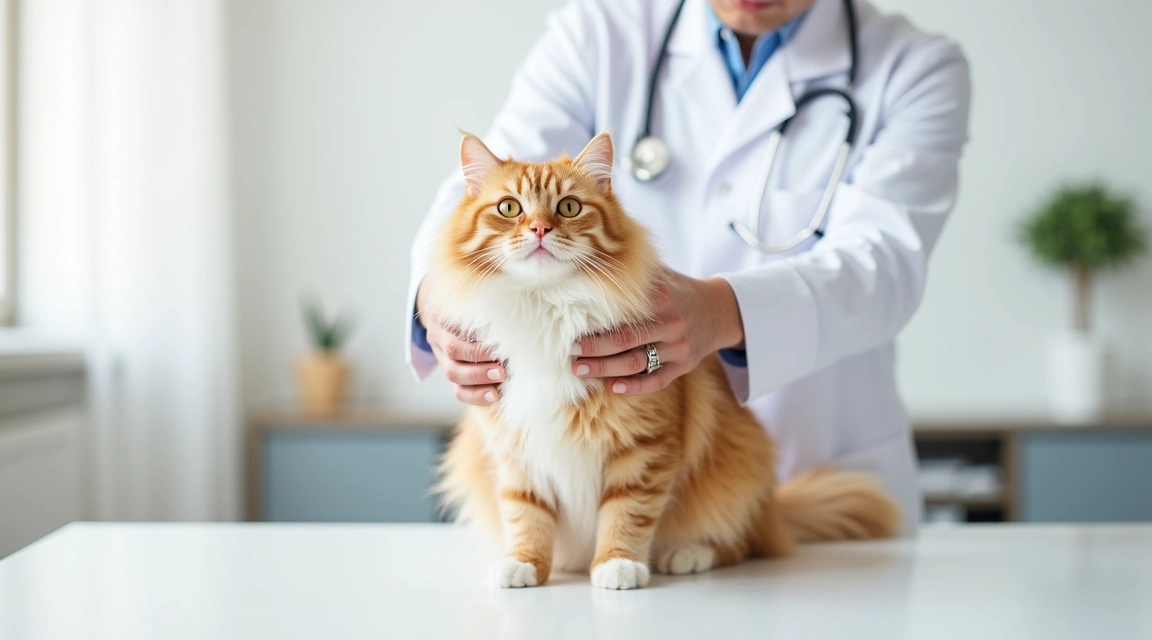
Despite its advantages, pet insurance isn’t a perfect solution. The most common complaint is the exclusion of pre-existing conditions. If your pet is diagnosed with a chronic illness before you purchase insurance, you’ll be on your own for managing that condition for the rest of your pet’s life. This is why it’s crucial to buy coverage early, ideally when your pet is still young and healthy.
Another limitation is that pet insurance doesn’t work like human health insurance. You’ll need to pay the full vet bill upfront and wait for reimbursement, which can strain your finances if you’re facing a large emergency bill. Some veterinary practices offer payment plans or accept third-party financing, but you’ll need to plan for the cash-flow gap between paying the vet and receiving your reimbursement check.
Premiums can increase over time, especially as your pet ages. While you might lock in a reasonable rate when your pet is young, many insurers raise premiums annually based on your pet’s age and your claims history. This can make coverage increasingly expensive in your pet’s senior years, precisely when they’re most likely to need veterinary care. Always ask whether premiums are guaranteed or subject to increase, and review your policy annually to ensure it still makes financial sense.
Coverage caps and exclusions can also be frustrating. Some policies have annual limits, per-incident limits, or per-condition limits that can leave you responsible for a large portion of expensive treatments. For example, a policy might cover cancer treatment but cap reimbursement at a level that doesn’t fully cover chemotherapy or radiation. Reading the policy details carefully and understanding these limits upfront is essential to avoid unpleasant surprises.
Finally, wellness and routine care are rarely included in standard policies. If you want coverage for vaccinations, annual exams, dental cleanings, and flea prevention, you’ll need to purchase a wellness rider, which increases your monthly premium. For many pet owners, it’s more cost-effective to budget for routine care separately and use insurance only for accidents and illnesses.
Who Should Consider Pet Insurance?
Pet insurance makes the most sense for owners who want financial protection against large, unexpected veterinary bills. If the thought of a multi-thousand-dollar emergency surgery would cause serious financial strain, insurance can be a smart investment. It’s especially valuable for owners of young pets who have the opportunity to lock in coverage before any conditions develop, or for breeds known to have expensive hereditary health issues.
Pet insurance is also a good fit for owners who want access to advanced veterinary care without worrying about cost. If you’d want your pet to see a specialist, undergo advanced diagnostics, or receive cutting-edge treatments like stem cell therapy or oncology, insurance can make those options financially feasible.
On the other hand, pet insurance might not be necessary for owners with substantial emergency savings or those who are comfortable self-insuring. If you can comfortably afford a few thousand dollars in unexpected vet bills, you might prefer to set aside the money you’d spend on premiums into a dedicated pet savings account. This approach gives you full control over the funds and avoids the limitations and exclusions that come with insurance policies.
For more guidance on protecting your pet’s health and finances, explore our Pet Insurance section, where we cover everything from comparing providers to understanding coverage options.
Frequently Asked Questions
Does pet insurance cover routine vaccinations and wellness care?
Most standard pet insurance policies cover accidents and illnesses but exclude routine care like vaccinations, annual exams, and dental cleanings. However, many insurers offer optional wellness riders or preventive care add-ons that cover these services for an additional monthly fee. Whether a wellness rider is worth the cost depends on your pet’s age and health—for young, healthy pets, it might be more economical to pay for routine care out of pocket.
Can I use any veterinarian with pet insurance?
Most pet insurance plans allow you to visit any licensed veterinarian, specialist, or emergency clinic. Unlike human health insurance, you typically won’t be restricted to a network of providers. After paying your vet bill, you’ll submit a claim for reimbursement according to your policy terms. Some insurers have partnerships with certain vet clinics that offer direct billing, but this is less common than the standard reimbursement model.
Is it too late to get pet insurance for an older pet?
You can still purchase pet insurance for older pets, but there are some important caveats. Premiums will be higher for senior animals, and any conditions your pet already has will be classified as pre-existing and excluded from coverage. Additionally, some insurers have age limits and won’t enroll pets beyond a certain age. If your older pet is currently healthy, insurance can still provide valuable protection against future accidents and new illnesses, but the value proposition depends on your pet’s health status and the cost of premiums.