
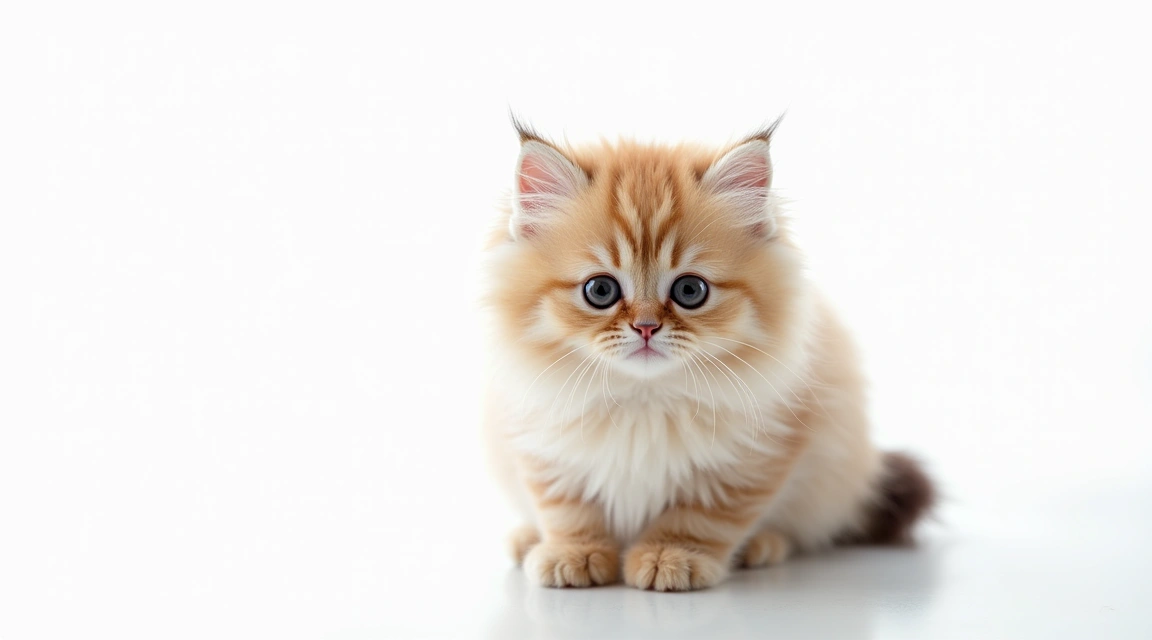
Bringing a Persian kitten home is an exciting milestone. You’ve probably spent weeks imagining those fluffy cuddles and adorable face smooshes. But here’s the thing: the first few days can be overwhelming for both you and your kitten. Persian kittens aren’t just miniature versions of adult cats — they’re sensitive, curious, and they need time to adjust to their new surroundings. The good news? With the right preparation and realistic expectations, you can help your kitten settle in smoothly and build a bond that’ll last a lifetime.
Most new owners don’t realize how much preparation really matters. A Persian kitten leaving its mother and littermates experiences real stress. Everything smells different. The sounds aren’t familiar. And suddenly, those safe routines are gone. Your job is to create a calm, welcoming environment where your kitten can explore at its own pace. This isn’t about spoiling your kitten — it’s about setting up the foundation for a confident, well-adjusted cat. So let’s walk through exactly what you can expect and how to make those first days as stress-free as possible.
Understanding the Transition Period for Persian Kittens
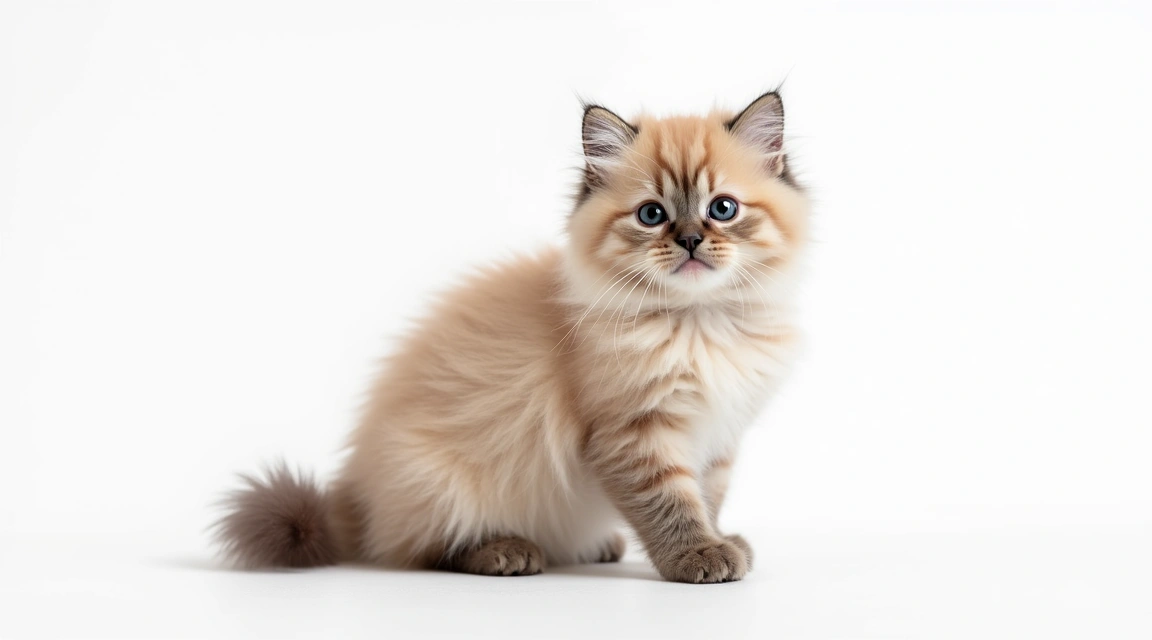
Persian kittens typically leave their breeder between 12 and 16 weeks of age. By this time, they’ve been socialized, vaccinated, and weaned — but they’re still babies. The transition to a new home triggers what animal behaviorists call an adjustment period, which usually lasts anywhere from a few days to two weeks. During this time, your kitten may hide, refuse food, or meow more than usual. This is completely normal. Persian kittens are known for their gentle, calm temperament, but that doesn’t mean they don’t feel stress.
Don’t expect your kitten to bounce around the house immediately. Some kittens explore right away, but many Persians prefer to observe first. They might spend hours under the bed or behind furniture. That’s okay. Forcing interaction too early can actually prolong the adjustment period. Instead, let your kitten come to you. Sit quietly nearby, speak softly, and let curiosity do the rest. Within a week, most Persian kittens begin showing their affectionate side — following you around, purring during petting sessions, and seeking out lap time.
Preparing Your Home Before Arrival

Before your kitten steps through the door, you need a kitten-safe room ready to go. This is a dedicated space — usually a bedroom or bathroom — where your kitten will spend the first few days. Why confine them? Because too much space overwhelms young kittens. A smaller area helps them feel secure and makes litter training easier. Set up food and water bowls in one corner, a litter box in another (at least three feet away from food), and a cozy bed or blanket in a quiet spot. Add a scratching post and a few safe toys, and you’re good to go.
Kitten-proofing is non-negotiable. Persian kittens are surprisingly curious despite their calm reputation. They’ll chew electrical cords, squeeze into tight spaces, and knock over anything unstable. Secure loose wires with cord covers. Remove toxic plants like lilies, philodendrons, and pothos. Close off access to washers, dryers, and recliners — kittens have been seriously injured hiding in these spots. Check that all windows have secure screens. It sounds like overkill, but one veterinary emergency will make you wish you’d been more thorough.
The First 24 Hours : What’s Normal and What’s Not
Here’s what typically happens when you first bring your Persian kitten home. After the car ride (which they probably hated), carry them directly to their safe room. Open the carrier door and step back. Don’t pull them out — let them exit on their own terms. Some kittens will dash under the bed immediately. Others will cautiously sniff around. Both reactions are fine. You might hear plaintive meowing, especially at night. That’s your kitten calling for its mother and littermates. It’s heartbreaking, but it passes.
Most Persian kittens won’t eat or use the litter box right away. Give it time. Offer a small amount of the same food the breeder was using — sudden diet changes cause diarrhea. If your kitten hasn’t eaten after 12 hours, try warming the food slightly or offering a different texture. As for the litter box, place your kitten in it a few times, especially after naps and meals. Persians are naturally clean cats, and most figure it out quickly. If your kitten seems lethargic, has labored breathing, or shows discharge from eyes or nose, contact your veterinarian immediately. Those aren’t adjustment behaviors — they’re signs of illness.
Handling, Grooming, and Building Trust Early On
Persian kittens need regular grooming from day one, but timing matters. Don’t start brushing on the first day — your kitten needs to settle in first. Wait until they’re comfortable being petted, then introduce a soft brush during calm moments. Keep sessions short, maybe two to three minutes at first. The goal isn’t a perfect coat yet — it’s teaching your kitten that grooming feels good. Daily brushing prevents mats, which Persian cats are prone to developing in their long, dense coats. By starting early, you turn grooming into bonding time instead of a battle.
Handle your kitten gently and frequently, but respect their boundaries. Pick them up properly: one hand supporting the chest, the other supporting the hindquarters. Never grab by the scruff or dangle them awkwardly. Let them sit on your lap while you watch TV. Gently touch their paws, ears, and mouth — this makes future nail trims and vet visits easier. If your kitten squirms or fusses, put them down and try again later. Forcing it just teaches them that handling is unpleasant. Persian kittens are naturally affectionate, but trust is earned, not demanded.
Feeding, Litter, and Veterinary Care Essentials
Stick with the breeder’s food for at least the first two weeks. Sudden food changes stress the digestive system, leading to vomiting or diarrhea your kitten definitely doesn’t need right now. Persian kittens do well on high-quality kitten food (wet or dry) that’s rich in protein and formulated for growth. Feed small meals three to four times daily — their tiny stomachs can’t handle large portions. Always provide fresh water, and consider a shallow bowl since Persians’ flat faces make drinking from deep dishes awkward. Some owners use water fountains, which many cats prefer.
Litter box habits are usually straightforward, but Persian kittens can be picky. Use a low-sided box that’s easy to enter. Avoid heavily scented litter — most cats dislike it. Clumping, unscented litter works well for most Persians. Scoop daily and clean the box weekly to prevent avoidance issues. Schedule a veterinary checkup within the first week, even if your kitten seems healthy. Your vet will verify vaccinations, check for parasites, and discuss spaying or neutering timelines. According to the American Veterinary Medical Association, kittens need core vaccines at 6, 9, 12, and 16 weeks, so staying on schedule is critical for lifelong immunity.
Expanding Their World and Socialization
After about a week in their safe room, your kitten is ready to explore more of your home. Do this gradually. Open the door and let them venture out when they’re ready. Don’t carry them around showing them every room — that’s overwhelming. Let them explore at their own pace, retreating to the safe room whenever they want. Within a few days, most Persian kittens are confidently roaming the house, claiming favorite nap spots, and investigating every corner.
Socialization continues throughout kittenhood. Introduce your kitten to different people, household sounds, and gentle handling. If you have other pets, supervise introductions carefully. Let them sniff each other under a door first, then allow brief visual meetings through a baby gate. Never force interactions. With patience, most cats adjust to new companions within a few weeks. Play is essential too — feather wands, crinkle balls, and laser pointers (always end with a physical toy they can catch) provide mental stimulation and physical exercise. Persian kittens aren’t as hyperactive as some breeds, but they still need playtime to develop coordination and burn energy.
Bringing a Persian kitten home is a big responsibility, but it’s also incredibly rewarding. Those first days of adjustment give way to years of companionship, affection, and yes, plenty of grooming sessions. By preparing your home, respecting your kitten’s pace, and staying patient through the transition, you set the stage for a confident, happy cat. The key is remembering that every kitten adjusts differently — some take a few days, others need a couple weeks. Trust the process, follow your kitten’s cues, and enjoy watching that shy little furball transform into your loyal companion.
Editorial Tips & Advertising Inquiries : cats@steeplechasecattery.com
📖 Related Articles