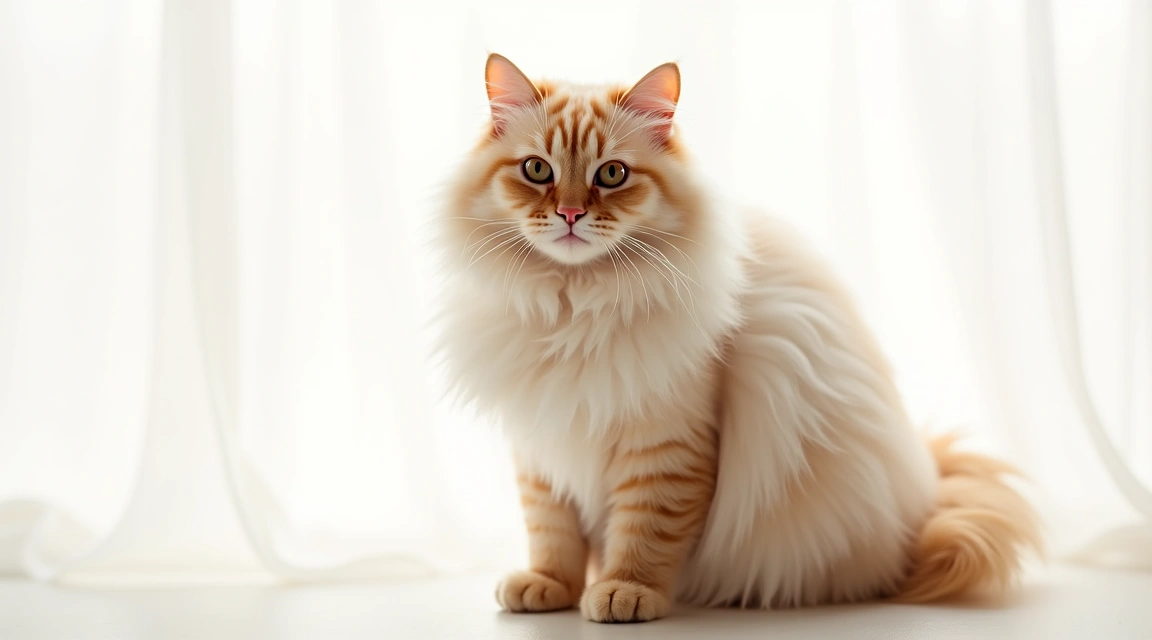
Persian cats have a reputation that precedes them. You’ve probably seen their luxurious coats and flat faces in movies, on social media, or at a friend’s house. But here’s what really matters: their personality is just as distinctive as their looks. These cats aren’t bouncing off the walls or knocking things over at three in the morning. They’re calm, gentle, and deeply affectionate in their own quiet way.
If you’re considering a Persian, understanding their temperament is crucial. They’re not the right fit for everyone, and that’s perfectly okay. Some people want an active, playful cat that races around the house. Others want a dignified companion who prefers laps to leaping. Persians fall firmly in the second category, and honestly, that’s exactly why so many cat lovers adore them.
The Calm and Gentle Foundation of Persian Temperament
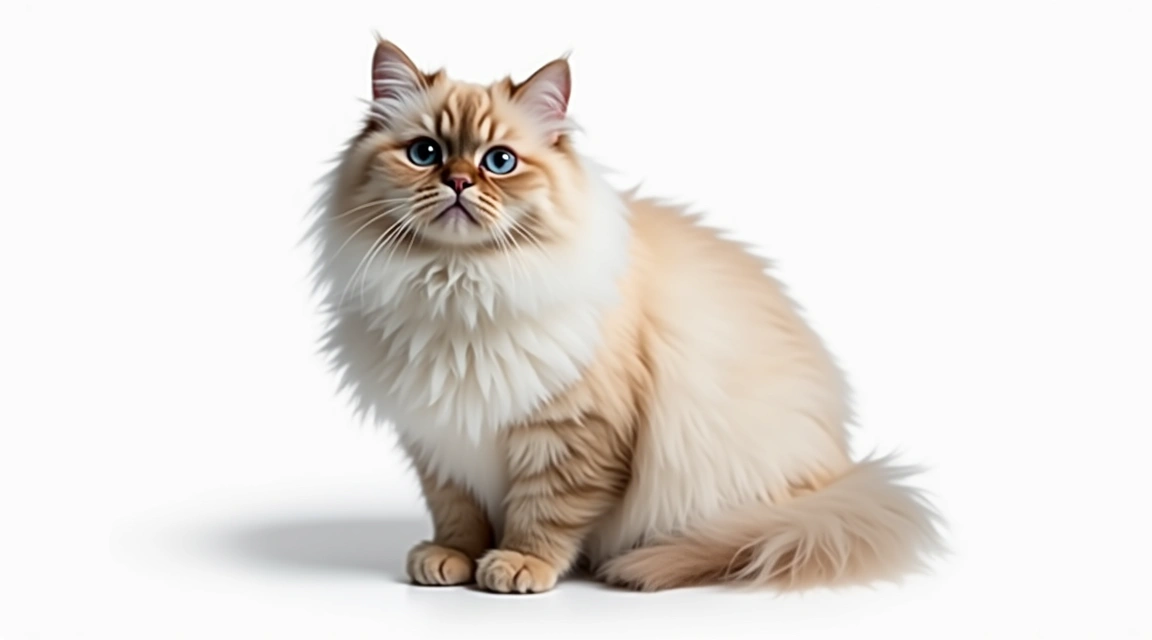
Persians are famously laid-back. They don’t startle easily, they don’t climb your curtains, and they’re not constantly demanding attention with loud meows. Instead, they observe their surroundings with a quiet confidence. This serene demeanor makes them ideal for apartment living, households with seniors, or anyone who values a peaceful home environment.
Their calm nature isn’t laziness. It’s temperament. Persians simply prefer a slower pace. They’ll happily spend hours lounging on a favorite cushion, watching the world go by. When they do play, it’s usually gentle and brief. A feather toy might get their attention for a few minutes, but they’re not going to sprint through the house afterward. This predictability is exactly what many families find comforting.
What Persian Owners Experience Every Day
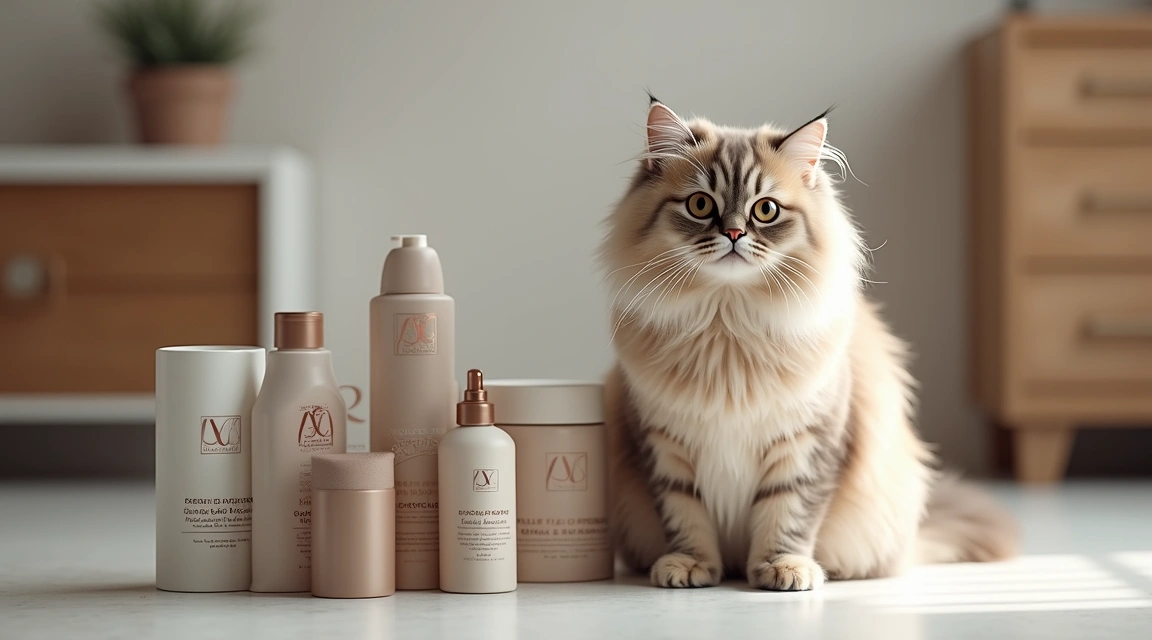
Living with a Persian is different from living with, say, a Bengal or an Abyssinian. Persians are quietly affectionate. They won’t jump on your keyboard while you’re working or knock your coffee mug off the table to get your attention. Instead, they’ll settle beside you and wait patiently. When they do want affection, they’ll lean into your hand or sit close enough that you know they’re there.
Many Persian owners describe their cats as intuitive. They seem to sense when you’re having a tough day and will simply be present without being demanding. They’re not aloof, but they’re not needy either. It’s a balance that works beautifully for people who want companionship without constant high-energy interaction. And yes, they do have their quirks. Some Persians can be a bit particular about their routine or who they warm up to, but that’s part of their charm.
How Personality Affects Daily Care and Environment
Because Persians are calm and prefer indoor life, they adapt well to smaller spaces. You don’t need a massive house or a backyard. What you do need is a stable, quiet environment. Loud households with young children running around constantly might stress a Persian. They thrive in homes where they can retreat to a quiet corner when they need it.
Their low energy level also means they’re less likely to get into trouble. They’re not climbing bookshelves or opening cabinets. But don’t mistake this for low maintenance overall. Their grooming needs are significant because of that gorgeous coat. Daily brushing is non-negotiable, and many Persians need regular baths to keep their fur from matting. Their personality makes grooming easier, though. Most Persians tolerate brushing well, especially if you start early and make it part of their routine.
Practical Tips for Bonding with Your Persian
Building trust with a Persian takes patience. They’re not the type to instantly warm up to strangers or even new family members. Give them space at first. Let them approach you on their terms. Quiet consistency is your best tool. Sit near them without forcing interaction. Talk softly. Offer treats without expecting them to leap into your lap right away.
Once a Persian trusts you, the bond is deep. They’ll seek you out for gentle petting sessions. Some Persians even enjoy being held, though many prefer sitting beside you rather than on you. Respect their boundaries, and they’ll reward you with loyalty. Interactive play should be low-key: a slow-moving toy on a string, a soft ball they can bat around. High-energy games aren’t their style. And here’s a tip from experience: Persians love routine. Feed them at the same time each day, keep their litter box immaculate, and maintain a predictable schedule. They’ll feel more secure and content.
What to Expect Long-Term with a Persian Companion
Persians are long-lived cats, often reaching fifteen years or more with proper care. Their personality remains consistent throughout their life. They don’t suddenly become hyperactive in old age, and they don’t typically develop behavioral problems if their environment stays stable. What you see in the first year is generally what you’ll enjoy for the next decade and beyond.
They do require ongoing grooming and health monitoring. Their flat faces can lead to breathing issues or tear staining, so regular vet checkups are important. But behaviorally, they’re wonderfully predictable. They’re not going to surprise you by suddenly climbing the refrigerator or deciding they hate the litter box. This reliability is one reason Persians remain so popular among cat lovers who want a steady, loving companion without drama.
If you’re drawn to the Persian cat personality, you’re probably someone who values calm over chaos and quality time over constant activity. These cats aren’t for everyone, but for the right owner, they’re absolutely perfect. They offer affection without overwhelming you, beauty without vanity, and companionship that feels deeply personal. Understanding what makes them special means recognizing that their quiet, gentle nature is their greatest strength. And honestly, in a world that’s often too loud and too fast, having a Persian by your side feels like a gift.
Editorial Tips & Advertising Inquiries : cats@steeplechasecattery.com