
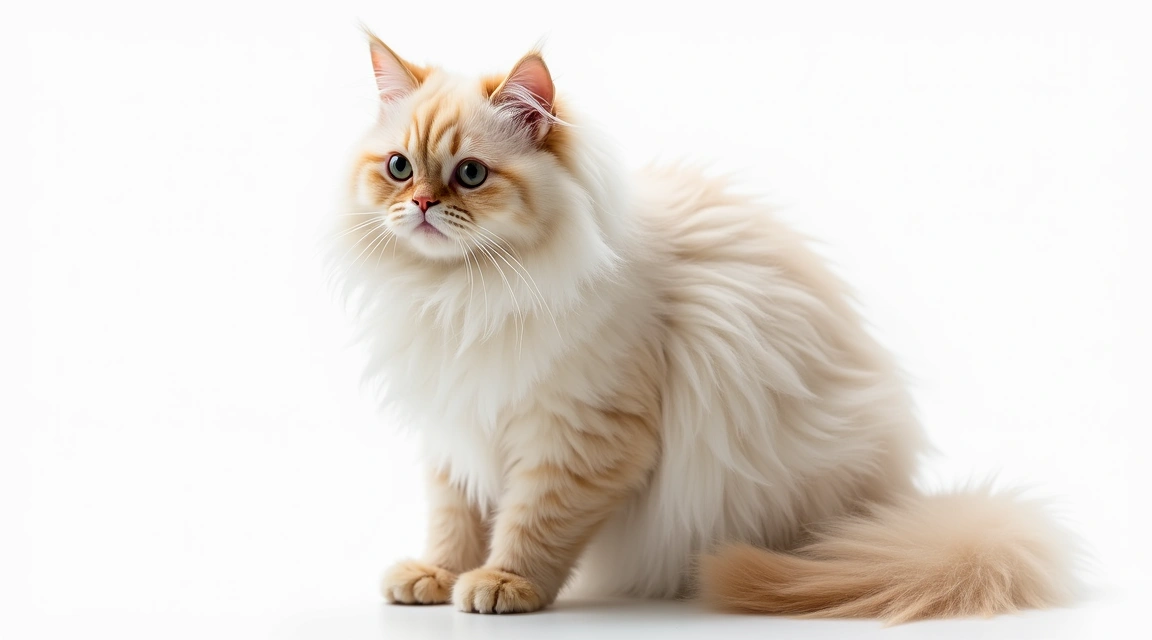
Persian cats are stunning companions with their luxurious coats and sweet personalities. But here’s the thing : their unique features also make them prone to certain health challenges. As someone who’s cared for Persians for over fifteen years, I’ve seen firsthand how prevention makes all the difference.
Understanding these health concerns isn’t about fear. It’s about being prepared. When you know what to watch for and how to prevent problems before they start, you’re giving your Persian the best chance at a long, comfortable life. And honestly? Most of these issues are manageable with the right care routine.
Why Persian Cats Face Unique Health Challenges
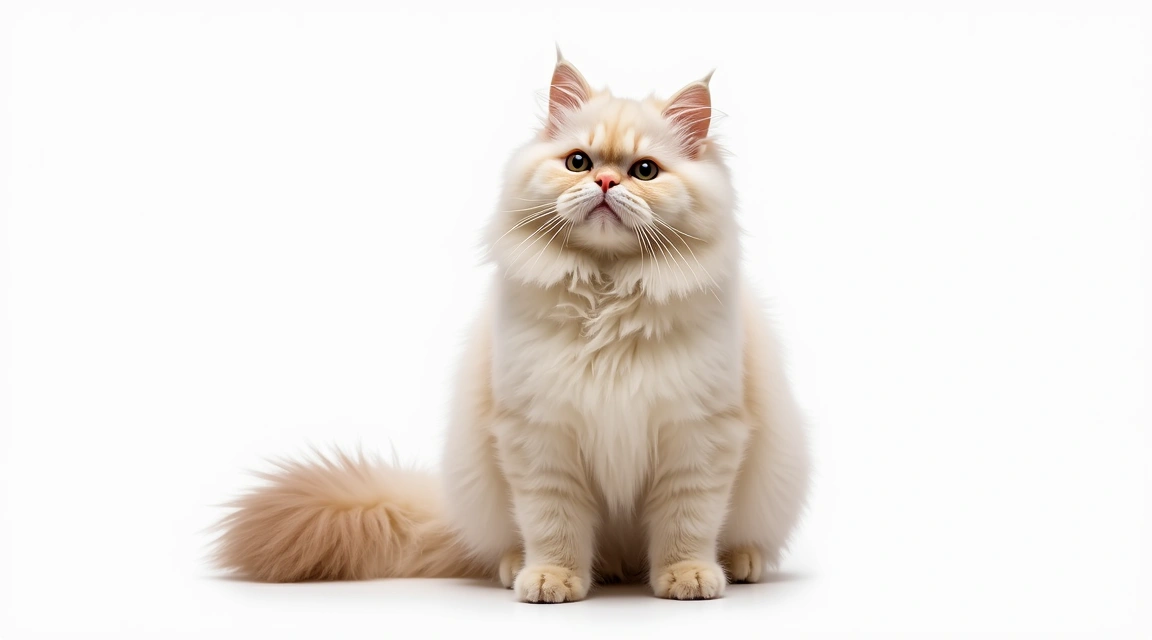
Persian cats were bred for their distinctive flat faces and large, expressive eyes. Beautiful? Absolutely. But that brachycephalic structure comes with consequences. Their shortened skull affects everything from breathing to tear drainage, creating a domino effect of potential health issues.
Their thick, dense coat also requires constant attention. Without regular grooming, Persians can develop painful mats and skin infections. I’ve met owners who didn’t realize grooming was a health issue, not just cosmetic. They learned the hard way when their cat needed veterinary sedation for mat removal.
Genetic factors play a role too. Some lines carry predispositions to kidney disease or heart conditions. That’s why choosing a responsible breeder who tests their breeding cats matters so much. It’s not just about pretty kittens — it’s about healthy ones.
Respiratory and Breathing Difficulties
That adorable flat face? It means Persians have narrowed airways and elongated soft palates. Many Persians snore, breathe noisily, or struggle in hot weather. Some people think it’s cute until they realize their cat is actually working hard to breathe normally.
Upper respiratory infections hit Persians harder than other breeds. Their facial structure makes drainage difficult, so a simple cold can turn into a persistent problem. I always tell new Persian owners to watch for labored breathing, excessive snorting, or open-mouth breathing — these aren’t normal.
Prevention starts with environment control. Keep your home at a comfortable temperature, especially during summer. Avoid smoke, strong perfumes, and dusty litter. And if your Persian struggles significantly with breathing, talk to your vet about surgical options. Some cats benefit from procedures that widen their nostrils or shorten their soft palate.
Eye Problems and Tear Staining
Those big, round eyes are gorgeous but problematic. Persians have shallow eye sockets and poor tear drainage, leading to chronic tearing and staining. Left unchecked, that constant moisture creates a breeding ground for bacteria and yeast infections.
Many Persians also develop entropion, where the eyelid rolls inward, causing lashes to scratch the cornea. Fair enough, some tearing is normal for the breed. But excessive squinting, pawing at the face, or thick discharge needs veterinary attention immediately.
Daily face cleaning isn’t optional for Persians. Use a soft, damp cloth or pet-safe eye wipes to gently clean around the eyes. Some owners use diluted saline solution. The key is consistency — once daily prevents buildup that becomes harder to remove later. And never ignore eye discharge that’s yellow, green, or accompanied by redness.
Polycystic Kidney Disease Risk
This one’s serious. Polycystic kidney disease, or PKD, is a genetic condition where fluid-filled cysts develop in the kidneys over time. These cysts gradually destroy healthy kidney tissue, often leading to kidney failure in middle-aged or senior cats.
The scary part? Kittens can be born with the gene but show no symptoms for years. By the time signs appear — increased thirst, weight loss, decreased appetite — significant damage has already occurred. I’ve watched heartbroken owners face this diagnosis, wishing they’d known earlier.
Here’s what you can do. If you’re adopting a Persian kitten, ask if the parents were tested for PKD. Responsible breeders screen their breeding cats and won’t breed PKD-positive animals. For cats already in your home, regular veterinary checkups with bloodwork can catch kidney issues early. Early detection means early management, which can extend quality of life significantly.
Dental Disease and Oral Health
Persians are prone to dental problems including gingivitis, tooth resorption, and periodontal disease. Their facial structure sometimes causes misaligned teeth or crowding, creating hard-to-clean areas where bacteria thrive. Sound familiar to anyone who’s noticed their Persian’s bad breath?
Dental disease isn’t just about bad teeth. Bacteria from infected gums enter the bloodstream and can damage the heart, liver, and kidneys. I’ve seen cats become lethargic and lose weight from painful dental issues their owners didn’t recognize. Cats hide pain incredibly well.
Start oral care early. Ideally, brush your Persian’s teeth several times weekly with cat-specific toothpaste. Yes, it takes patience and training, but it’s worth it. Dental treats and water additives help but don’t replace brushing. Schedule professional dental cleanings as your vet recommends — usually every one to three years depending on your cat’s needs.
Skin Conditions and Grooming-Related Issues
That luxurious coat demands serious maintenance. Without daily brushing, Persians develop mats that pull on the skin, causing pain and restricting movement. Severe matting can trap moisture against the skin, leading to infections, sores, or even restricting blood flow.
I’ve also seen Persians develop seborrhea, where their skin produces too much oil, making the coat greasy and prone to dandruff. Others get fungal infections like ringworm, which spreads easily in multi-cat households. The truth is, most skin problems in Persians trace back to inadequate grooming.
Daily brushing isn’t negotiable. Use a metal comb to work through the undercoat, paying extra attention to behind the ears, under the legs, and around the tail. Bath your Persian monthly or as needed with cat-safe shampoo. And don’t skip the rear end — Persians can get fecal matter stuck in their fur, which is both unsanitary and uncomfortable. A sanitary trim every few months helps prevent this.
Prevention is always easier than treatment when it comes to Persian health. Regular vet visits, daily grooming, proper nutrition, and a clean environment form the foundation of good health. Watch for changes in behavior, appetite, litter box habits, or breathing — these early warning signs help you catch problems before they become serious. Your Persian depends on you to be observant and proactive. With the right care routine, many of these common health problems can be prevented or managed successfully, giving your beautiful companion a comfortable, happy life.
Editorial Tips & Advertising Inquiries : cats@steeplechasecattery.com