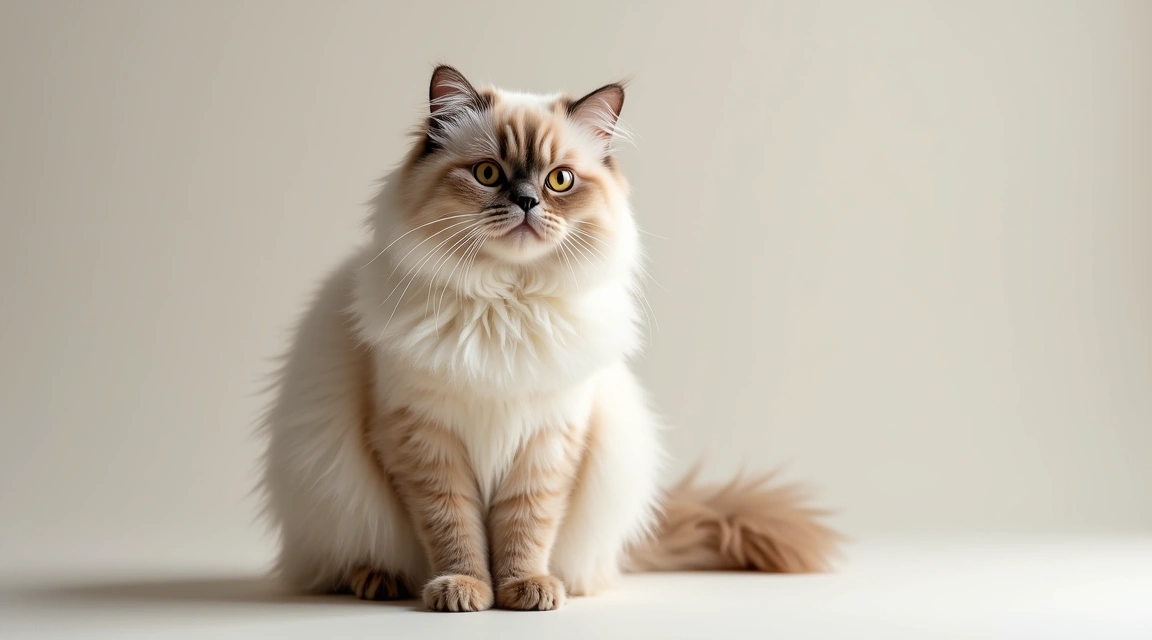
Persian cats are famous for their luxurious coats and sweet faces. But did you know they come in more color varieties than almost any other breed? We’re talking about over seventy recognized color combinations. From classic white to mysterious smoke, each Persian color has its own charm and following among cat lovers.
Here’s the thing : choosing a Persian based on color isn’t just about looks. Some colors require different grooming approaches, and certain patterns are rarer than others. Whether you’re considering adopting your first Persian or you’re simply curious about these beautiful cats, understanding their color varieties helps you appreciate just how diverse this breed really is. And honestly, once you see the range of possibilities, it’s hard not to fall in love with each one.
The Seven Main Color Divisions
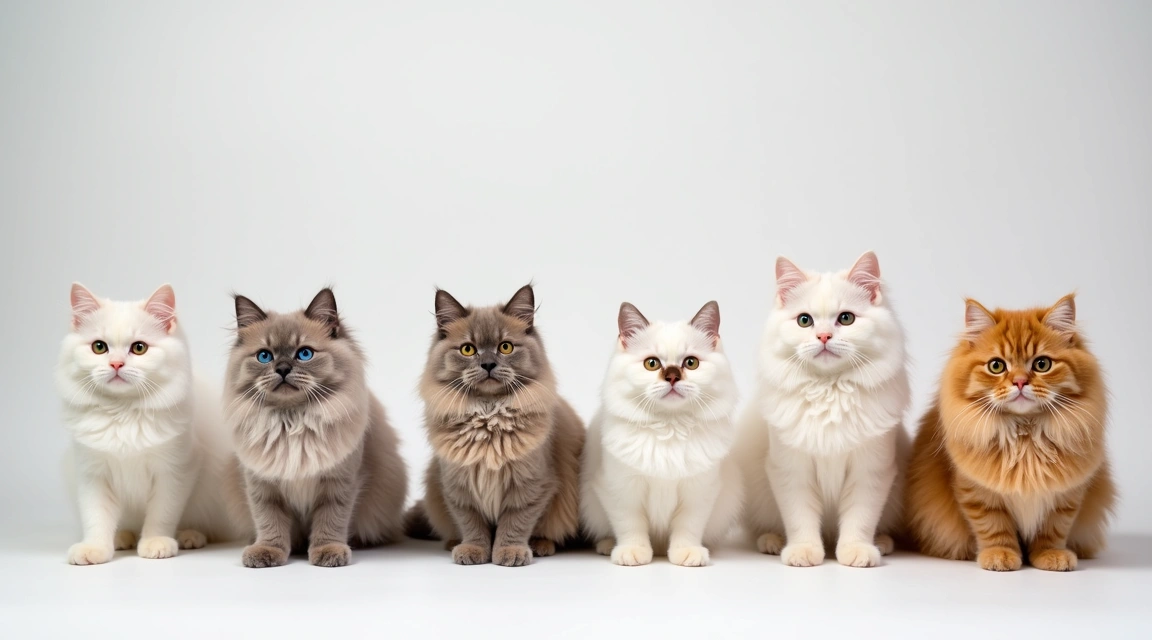
The Cat Fanciers’ Association organizes Persian colors into seven major divisions. You’ve got solid, silver and golden, shaded and smoke, tabby, particolor, bicolor, and Himalayan. Each division contains multiple specific colors, which is why the total count gets so high. It might sound complicated at first, but most people quickly find their favorite category.
Solid Persians are exactly what they sound like : one uniform color from root to tip. White, black, blue, red, cream, and chocolate are the main solid options. White Persians often have copper or blue eyes, and some even have one of each. Black Persians should be coal black with no rust tinge, though kittens sometimes show faint tabby markings that fade with age. Blue Persians have that gorgeous gray-blue tone that looks almost silvery in certain light. The solid colors are timeless and probably what most people picture when they think of Persians.
Understanding Silver, Smoke, and Shaded Varieties
Now we get into the really stunning stuff. Silver Persians have white undercoats with colored tips, creating a shimmering effect when they move. Chinchilla silvers have just the lightest tip coloring, making them appear almost sparkling white. Shaded silvers have more extensive tipping, giving them a darker appearance overall. Sound familiar? These are the cats that look like they’re dusted with fairy dust.
Smoke Persians are a different story. They look solid until they move, and then you see the white undercoat peeking through. A black smoke Persian appears completely black when sitting still, but walking reveals dramatic white roots. It’s like they’re wearing a reversible coat. Blue smoke, cream smoke, and tortoiseshell smoke varieties all exist too. Fair enough if you’re confused at first — even experienced cat people sometimes need to look twice to distinguish smoke from solid.
The shaded cameo (red) and shell cameo varieties add warm tones to this division. These cats have white undercoats with red or cream tipping. They’re less common than the silver varieties but equally beautiful. The contrast between the pale undercoat and colored tips creates depth you don’t see in solid colors.
Tabby Patterns and Their Unique Appeal
Tabby Persians come in classic, mackerel, and patched patterns. Classic tabbies have bold swirling patterns on their sides that look almost marbled. Mackerel tabbies have narrow stripes running down their sides like a tiger. Patched tabbies are females that combine tabby markings with patches of red or cream — they’re essentially tabby torties.
What’s interesting about tabby Persians is how the pattern interacts with their long fur. The markings can appear softer and more blended than you’d see on a shorthaired cat. Silver tabbies are particularly popular, with their dramatic black markings on a silver background. Brown tabbies, blue tabbies, and red tabbies each have their devoted fans. The tabby division also includes silver patched tabbies, which combine three elements : tabby stripes, silver coloring, and tortoiseshell patches.
Here’s something cat owners notice : tabby Persians often seem to have especially expressive faces. Maybe it’s the distinctive M marking on their foreheads, or maybe it’s just coincidence. Either way, they’re hard to resist.
Particolor, Bicolor, and Calico Combinations
Particolors are Persians with two or more colors in their coat, not counting white. Tortoiseshell Persians have black with unbridled patches of red or cream. Blue-cream Persians are the dilute version, with blue and cream instead. Chocolate tortie and lilac-cream varieties exist too, though they’re less common. These cats are almost always female due to the genetics of color inheritance.
Bicolors add white into the mix. You might see a black and white Persian, blue and white, red and white, or cream and white. The white should appear on the face, chest, belly, and legs in a balanced pattern. Van bicolors have colored markings mainly on the head and tail with white covering most of the body. Then there are calicos — white cats with unbridled patches of black and red. Dilute calicos have blue and cream instead of black and red.
What makes these multi-colored Persians special? Each one is genuinely unique. Even within the same litter, you won’t find two tortoiseshells or calicos with identical markings. If you want a one-of-a-kind cat, particolors and bicolors deliver. They’re like living works of abstract art, and they know it.
Himalayan and Color Point Patterns
Himalayan Persians, also called color points, have lighter bodies with darker coloring on their points : face, ears, legs, and tail. They come in seal point, blue point, flame point, cream point, tortie point, and lynx point. The color point pattern is temperature-sensitive — cooler areas of the body develop darker pigment. That’s why kittens are born much lighter and darken as they grow.
Seal point Himalayans have cream bodies with dark brown points. Blue points have bluish-white bodies with slate blue points. Flame points are dramatic with their white bodies and red-orange points. Lynx points add tabby stripes to the pointed areas, creating a striking combination. Who hasn’t wondered why these cats are considered Persians in the United States but a separate breed in some other countries? It’s all about breeding history and registry standards.
The truth is, Himalayans have the same sweet Persian temperament and require the same care as other Persian varieties. Their blue eyes are a breed requirement and add to their distinctive look. Many Persian enthusiasts collect multiple color point varieties because each one offers a different aesthetic while maintaining that classic Persian personality.
What Color Means for Care and Maintenance
Does color actually affect care needs? Sometimes, yes. White Persians require extra attention to keep their coats pristine. Tear staining shows up immediately on white fur, so daily face cleaning becomes essential. Lighter colors in general show dirt faster than darker ones. But that doesn’t mean they’re harder to care for — you just need to stay on top of grooming.
Darker Persians like blacks and blues can develop a rusty tinge if their diet lacks certain nutrients or if they spend too much time in direct sunlight. High-quality food with proper taurine levels helps maintain deep, rich coloring. Silver and smoke varieties need regular bathing to keep the contrast between undercoat and tips looking sharp. Otherwise, oils can dull the shimmer effect that makes these colors so special.
Here’s what experienced Persian owners know : all Persians need daily brushing regardless of color. That long, dense coat mats easily without consistent attention. Using a metal comb and slicker brush keeps the fur tangle-free and distributes natural oils. Monthly baths help too, especially for lighter colors. And yes, it takes time. But it’s also quality bonding time with your cat.
Some breeders specialize in specific color lines, so if you’ve got your heart set on a particular shade, you might need to search a bit. Rare colors like chocolate, lilac, and certain smoke varieties aren’t produced by every cattery. That’s perfectly normal. The wait for the right kitten is always worth it when you finally bring home that perfect Persian in your favorite color. Whether you choose classic white, dramatic smoke, or colorful calico, you’re getting a loving companion with a coat that’s uniquely beautiful.
Editorial Tips & Advertising Inquiries : cats@steeplechasecattery.com