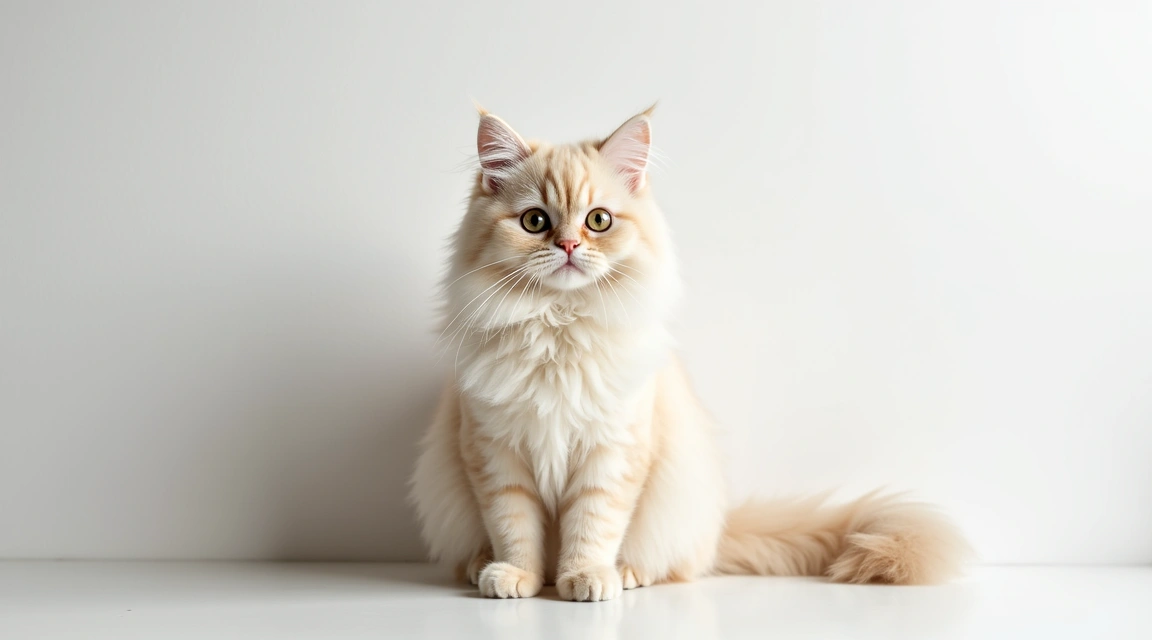
Persian cats have earned their reputation as one of the most beloved indoor cat breeds, and for good reason. Their luxurious coats, calm temperament, and distinctive flat faces make them instantly recognizable. But beyond their striking appearance, Persian cats possess qualities that make them exceptionally well-suited for indoor living. Whether you live in a small apartment or a spacious home, understanding what makes Persian cats ideal indoor companions can help you decide if this breed is right for your lifestyle.
Unlike more adventurous breeds that crave outdoor exploration, Persian cats typically prefer the comfort and security of indoor environments. Their long, flowing coats require significant maintenance and are prone to collecting debris outdoors. More importantly, their gentle, somewhat sedentary nature means they’re content lounging on furniture rather than climbing trees or chasing wildlife. This combination of physical characteristics and temperament creates a cat that thrives in controlled indoor settings.
Physical Characteristics That Favor Indoor Living
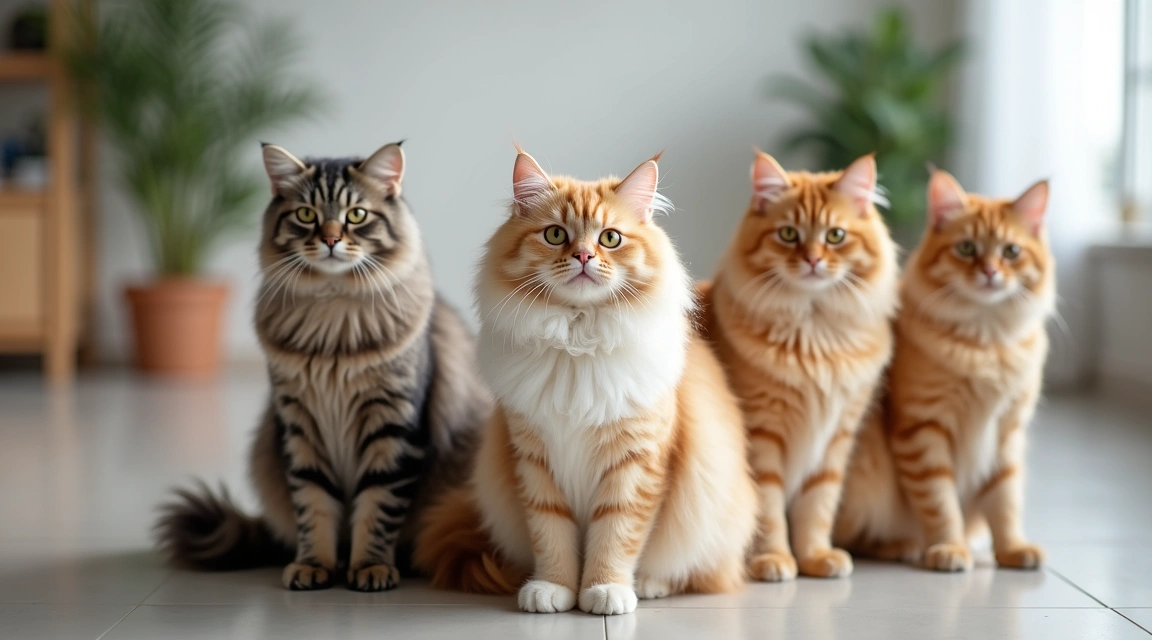
Persian cats possess several physical traits that make outdoor life challenging and indoor life optimal. Their most notable feature—that luxurious double coat—requires daily grooming to prevent matting and tangles. Taking this coat outdoors exposes it to burrs, mud, leaves, and other debris that quickly transforms grooming from a routine task into an exhausting ordeal. Indoor living keeps their coat cleaner and more manageable.
The brachycephalic (flat-faced) structure of Persian cats also presents considerations for their environment. This facial structure can make breathing more difficult during physical exertion or in extreme temperatures. Indoor environments allow you to maintain comfortable temperatures year-round, protecting your Persian from both summer heat and winter cold. The controlled climate eliminates the respiratory stress that outdoor temperature fluctuations might cause.
Persian cats typically weigh between eight and twelve pounds, with a sturdy, cobby body type. They’re not built for the athletic demands of outdoor life—climbing fences, escaping predators, or navigating rough terrain. Their body structure suits them perfectly for what they do best: resting on comfortable surfaces and moving gracefully through familiar indoor spaces. Their relatively short legs and heavy build mean they’re less agile than many other breeds, making them vulnerable outdoors but perfectly adapted to indoor furniture navigation.
Temperament and Behavioral Advantages
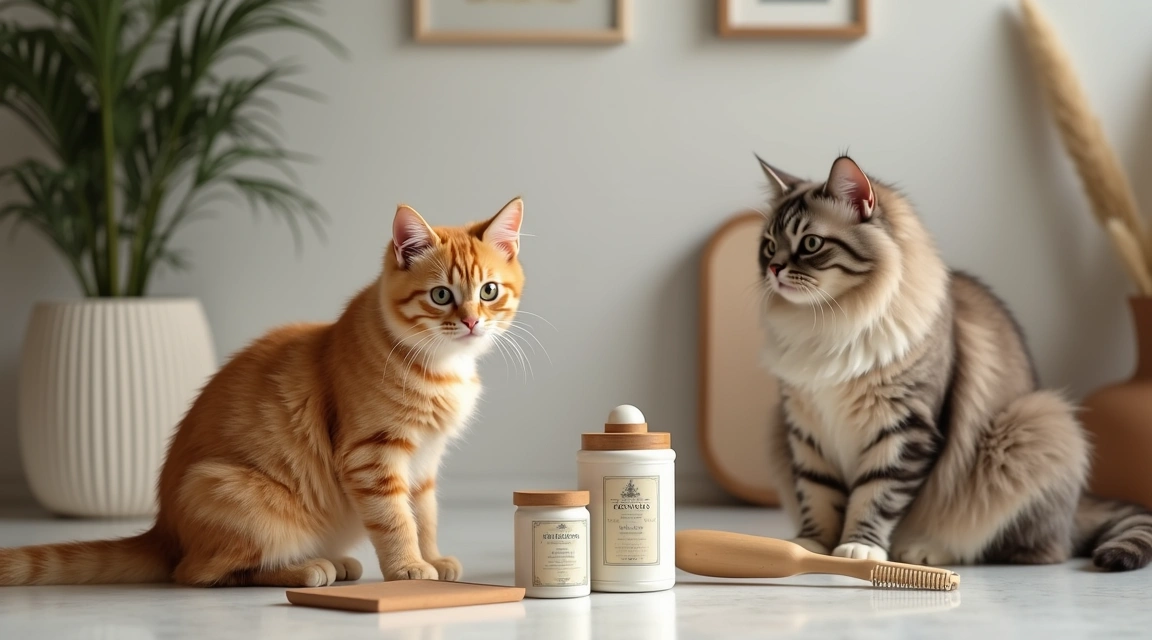
The Persian personality is where this breed truly shines as an indoor companion. Persian cats are known for their calm, sweet-natured disposition. They’re not the cats that will scale your curtains at three in the morning or demand constant interactive play. Instead, they prefer quiet environments where they can observe their surroundings from a comfortable perch.
This breed typically forms strong bonds with their human families but does so in a gentle, undemanding way. Persian cats enjoy being in the same room as their people, often choosing to rest nearby rather than demanding constant attention. They tolerate handling well, making them excellent choices for families who want an affectionate cat that doesn’t require high-energy interaction throughout the day.
Their lower activity level compared to breeds like Bengals or Siamese means Persian cats are content with indoor enrichment activities. A few quality toys, a comfortable cat tree with multiple levels, and regular gentle play sessions typically satisfy their exercise needs. They’re less likely to become destructive from boredom when kept indoors, provided their basic needs for mental stimulation are met.
Persian cats also tend to be quieter than many breeds. While they will communicate with soft chirps and gentle meows, they’re not typically vocal cats. This makes them particularly well-suited for apartment living or homes where excessive noise might be problematic.
Comparing Persian Cats to Other Indoor Breeds
To understand why Persian cats excel as indoor companions, it helps to compare them with other popular breeds. Each breed brings different characteristics to indoor living, and the right choice depends on your specific lifestyle and expectations.
| Breed | Activity Level | Grooming Needs | Vocalization | Best For |
|---|---|---|---|---|
| Persian | Low to Moderate | High (daily brushing required) | Quiet | Owners wanting a calm, beautiful companion who can commit to daily grooming |
| Ragdoll | Low to Moderate | Moderate (2-3 times weekly) | Quiet to Moderate | Families wanting an affectionate, laid-back cat with less grooming commitment |
| British Shorthair | Low | Low (weekly brushing) | Quiet | Busy professionals wanting an independent, easy-care companion |
| Siamese | High | Low | Very Vocal | Active owners wanting an interactive, talkative cat who demands attention |
This comparison reveals that Persian cats occupy a unique niche. They offer the calm temperament of breeds like the British Shorthair while providing a more visually striking appearance. However, they require significantly more grooming investment than short-haired breeds. Compared to high-energy breeds like Siamese cats, Persians demand far less interactive play but need much more coat maintenance.
Indoor Care Requirements for Persian Cats
Successfully keeping a Persian cat indoors means meeting their specific care needs. The most significant commitment is grooming. Persian cats require daily brushing to prevent their long coats from matting. Many owners spend 10-15 minutes each day working through their cat’s coat with both a wide-toothed comb and a fine-toothed comb. Some areas—behind the ears, under the legs, and around the tail—need particular attention as they mat most easily.
Regular bathing is also more common with Persians than many other breeds. Most Persian cat owners bathe their cats every four to six weeks to keep the coat clean and manageable. This requires patience and ideally should start when the cat is young so they become accustomed to the process.
Eye care is another important consideration. The facial structure of Persian cats means their eyes often tear more than other breeds, creating dark staining around the eyes. Daily gentle cleaning with a damp cloth helps prevent staining and keeps the face clean. This is purely a cosmetic issue for most cats, but it does require consistent attention.
Diet also plays a crucial role in indoor Persian cat care. Because they’re less active than many breeds, Persian cats can be prone to weight gain if overfed. High-quality cat food formulated for their breed or activity level helps maintain a healthy weight. The flat face structure of Persians can also make eating certain foods difficult, so many owners find success with flat dishes and appropriately sized kibble designed for brachycephalic breeds.
Indoor environmental enrichment, while less demanding than for high-energy breeds, still matters. Persian cats benefit from cat trees or perches near windows where they can observe outdoor activity safely. Puzzle feeders can provide mental stimulation, and gentle interactive play with toys helps maintain muscle tone and prevents obesity. The key is matching the activity to their moderate energy level—they need stimulation without exhaustion.
Health Considerations for Indoor Persian Cats
Keeping Persian cats indoors significantly reduces many health risks but doesn’t eliminate all concerns. Indoor living protects Persians from outdoor dangers like traffic, predators, parasites, and infectious diseases transmitted by other cats. This typically results in longer lifespans compared to cats allowed outdoors.
However, Persian cats are predisposed to certain genetic health conditions that responsible owners should monitor. Polycystic kidney disease affects some lines of Persian cats, making regular veterinary check-ups important. Respiratory issues related to their brachycephalic faces require attention to environmental factors like air quality and temperature. Dental disease is also more common in flat-faced breeds, making regular dental care essential.
The indoor environment allows you to control many factors that affect Persian cat health. You can maintain optimal humidity levels to support respiratory comfort, ensure clean air quality, and monitor eating and litter box habits closely—early indicators of health problems. The stable indoor environment eliminates weather-related stress and reduces exposure to allergens that might affect breathing.
Who Should Choose a Persian Cat as an Indoor Companion
Persian cats are not the right choice for everyone, but they’re exceptionally well-suited for certain types of cat owners. Ideal Persian cat owners have time for daily grooming and find the grooming process enjoyable rather than burdensome. If you view grooming as quality bonding time rather than a chore, a Persian cat might be perfect for you.
These cats thrive in calm, predictable households. While they can adapt to families with children, they do best in environments that aren’t chaotic or overly loud. Retired individuals, couples, or families with older children who understand the need for gentle handling often make ideal Persian cat owners.
If you work from home or maintain a fairly quiet lifestyle, Persian cats make wonderful companions. They’re content to rest near you while you work, providing calm companionship without demanding constant interaction. Their presence is soothing rather than stimulating, which many people find ideal in a pet.
Persian cats are also excellent choices for apartment dwellers or people without access to safe outdoor space. Because they don’t crave outdoor access, you won’t face the guilt or challenge of keeping an indoor cat that desperately wants to go outside. They’re genuinely content in indoor environments, making them among the easiest breeds to keep exclusively indoors.
However, if you travel frequently, work long hours with little time for grooming, or prefer a low-maintenance pet, a Persian cat may not be the best fit. Similarly, if you want a highly interactive, playful cat that engages in active games, a different breed would better match your expectations.
Creating the Perfect Indoor Environment
Setting up your home for a Persian cat doesn’t require extensive modifications, but a few considerations will help your cat thrive. Comfortable resting spots throughout your home are essential—Persians love cushioned surfaces and will appreciate cat beds, blankets on furniture (where allowed), and padded window perches.
Temperature control matters more for Persian cats than many breeds. Keep your home at a comfortable temperature year-round, avoiding extremes in either direction. Their long coats make them sensitive to heat, so ensure they have cool spots during warmer months.
Grooming stations help establish routines. Having dedicated spaces with good lighting where you perform daily grooming makes the task easier and more pleasant for both you and your cat. Keep grooming tools easily accessible so daily maintenance becomes a natural part of your routine.
Litter box placement deserves thought with Persian cats. Because of their long coats, litter can easily stick to their fur. Larger litter boxes with high sides help contain litter, and some owners use litter mats to reduce tracking. Regular litter box cleaning is essential, as Persian cats can be particular about cleanliness.
The verdict is clear: Persian cats rank among the best choices for dedicated indoor companions. Their calm temperament, striking beauty, and genuine contentment with indoor living make them ideal for the right owners. The trade-off for their wonderful personalities is significant grooming commitment, but for people who enjoy or don’t mind daily grooming sessions, Persian cats offer unmatched companionship. They bring elegance and serenity to indoor spaces while asking relatively little beyond grooming care and gentle affection. If you’re prepared for the maintenance requirements and want a calm, beautiful feline friend, a Persian cat could be your perfect indoor companion.