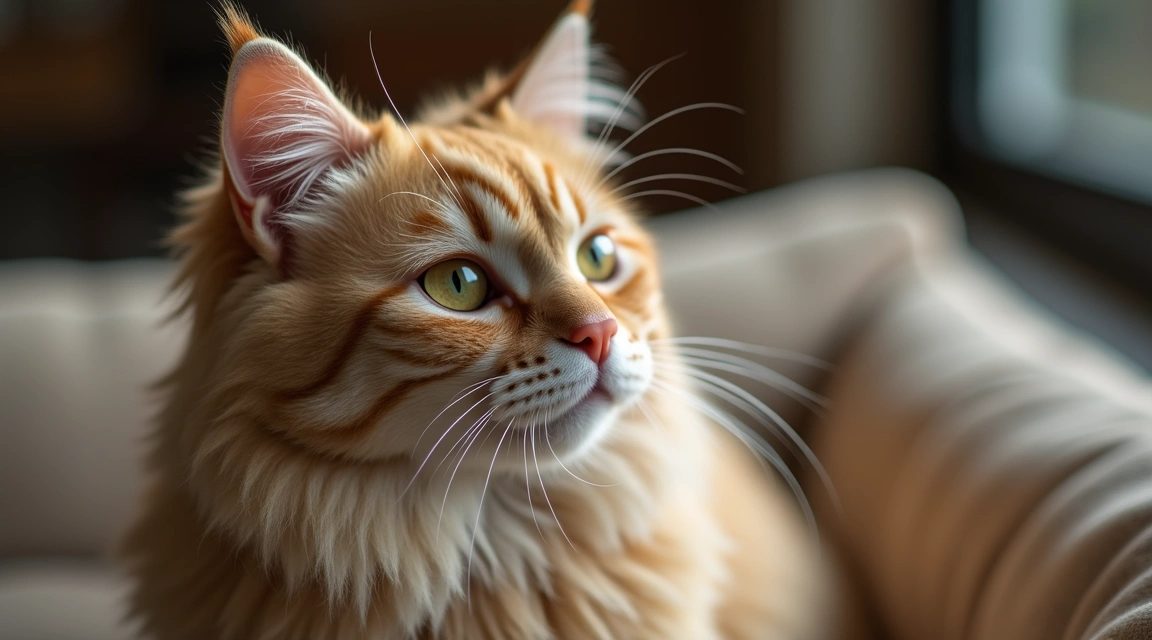
Persian cats are among the most susceptible breeds to chronic eye problems, with studies showing that up to 85% of Persian cats develop tear staining by age two due to their distinctive facial structure. This brachycephalic anatomy—characterized by a shortened skull and flattened face—creates drainage issues that demand daily attention from owners committed to preventing infections and maintaining their cat’s signature appearance.
The Persian cat’s beautiful, expressive eyes come with unique care requirements that distinguish them from other feline breeds. Their shallow eye sockets and compromised tear duct systems mean that routine maintenance isn’t optional—it’s essential for preventing painful conditions that can compromise vision and overall health.
Understanding Persian Cat Eye Anatomy
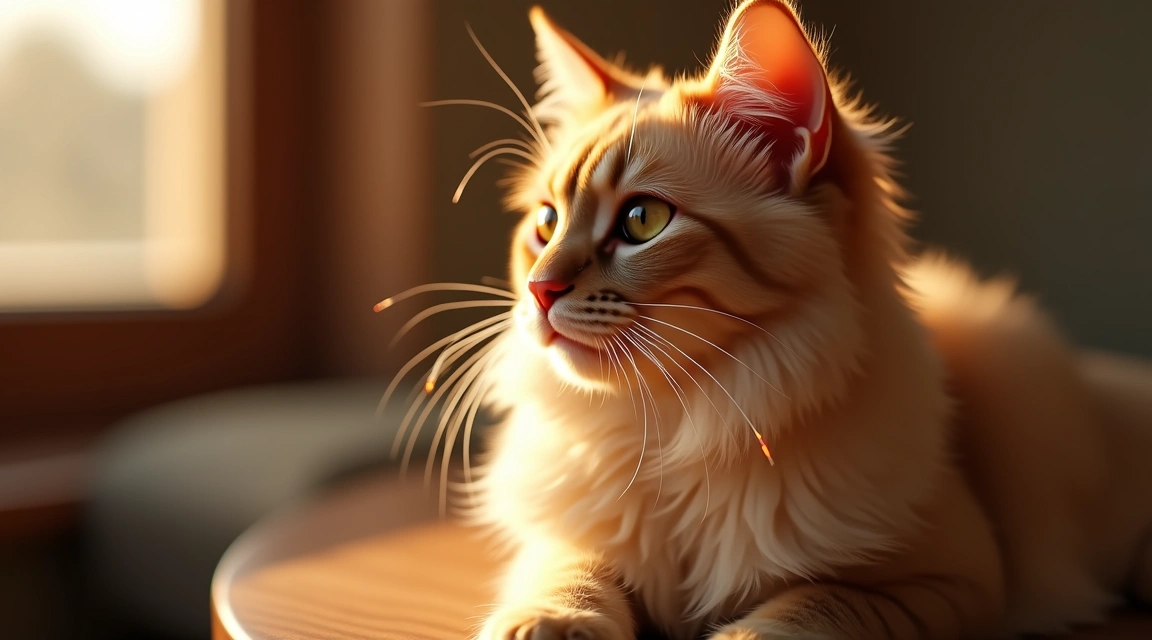
Persian cats possess a facial structure that veterinarians classify as extreme brachycephaly. Unlike cats with standard facial proportions, Persians have tear ducts that often fail to drain properly, causing tears to overflow onto the facial fur. This constant moisture creates the perfect environment for bacterial and yeast growth, resulting in the reddish-brown staining familiar to Persian owners.
The breed’s large, round eyes also protrude more than those of other cats, leaving them vulnerable to environmental irritants, scratches, and debris accumulation. Their reduced blinking efficiency means tears don’t distribute evenly across the eye surface, compounding drainage problems.
Dr. Sarah Mitchell, a veterinary ophthalmologist at Cornell University’s College of Veterinary Medicine, explains: “Persian cats essentially have a structural disadvantage. Their nasolacrimal ducts are often kinked or too narrow to function properly. What we see as tear stains is actually chronic epiphora—excessive tearing that has nowhere to go.”
Daily Eye Care Protocol
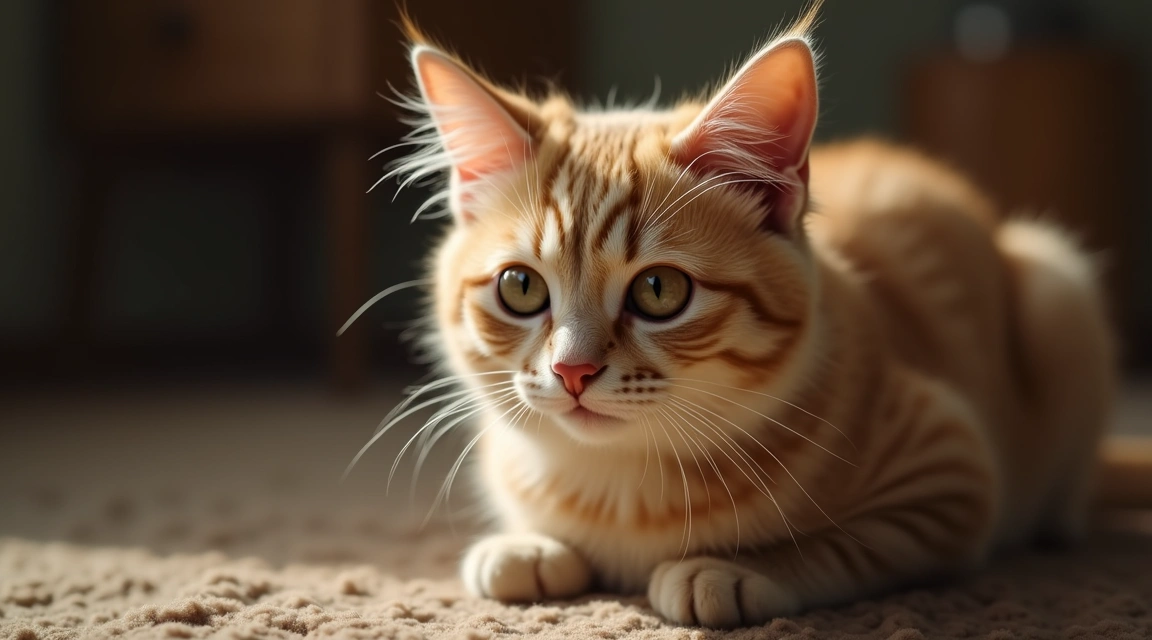
Effective Persian cat eye care requires consistency and the right technique. Experts recommend a daily cleaning routine that takes no more than five minutes but can prevent serious complications down the line.
Start by gathering sterile gauze pads or cotton balls—never use tissues or paper towels, which can leave irritating fibers. Use lukewarm water or a veterinarian-approved eye cleaning solution. Commercial tear stain removers are available, but always verify they’re safe for feline use, as some products designed for dogs contain ingredients toxic to cats.
Gently wipe from the inner corner of the eye outward, using a fresh pad for each eye to prevent cross-contamination. Never wipe toward the eye or use the same pad twice. For crusty buildup, hold a warm, damp cloth against the area for 20-30 seconds to soften the material before wiping.
The face folds common in flat-faced Persians also trap moisture and debris. After cleaning the eyes, carefully clean these facial creases with a separate damp cloth, then dry thoroughly with a clean, soft towel. Moisture left in these folds can lead to skin infections that compound eye irritation.
Preventing and Managing Tear Stains
While daily cleaning addresses symptoms, preventing tear stains requires a multi-faceted approach. Diet plays a surprising role—some cats develop increased tearing in response to food additives, artificial colors, or specific protein sources. Many Persian owners report reduced staining after switching to limited-ingredient diets or eliminating foods containing beet pulp and artificial dyes.
Water quality also matters. Minerals in tap water can react with compounds in tears, intensifying staining. Using filtered or distilled water in stainless steel bowls (plastic can harbor bacteria and cause feline acne) may reduce discoloration over time.
Environmental factors contribute as well. Dust, pollen, and cigarette smoke irritate Persian eyes and trigger excessive tearing. HEPA air filtration systems and maintaining smoke-free homes can significantly decrease eye irritation. During high pollen seasons, some owners notice increased tear production and may need to clean their cats’ eyes twice daily.
For persistent staining that doesn’t respond to cleaning, veterinarians may prescribe low-dose antibiotics if bacterial overgrowth is present. However, antibiotics aren’t a substitute for mechanical cleaning—they address infection but don’t remove existing stains or prevent new ones from forming.
Recognizing When Veterinary Care Is Needed
While tear staining itself is typically cosmetic, Persian cats are prone to serious eye conditions requiring medical intervention. Schedule an immediate veterinary appointment if you observe thick yellow or green discharge, which indicates infection. Squinting, excessive pawing at the eyes, cloudiness in the cornea, or visible swelling all warrant professional evaluation.
Corneal ulcers—painful erosions of the eye’s surface—occur with alarming frequency in brachycephalic breeds. Their prominent eyes are easily scratched during play or grooming. Left untreated, ulcers can perforate, causing permanent vision loss. If your Persian suddenly becomes sensitive to light or the eye appears bloodshot, seek veterinary care within 24 hours.
Some Persian cats suffer from entropion, where eyelids roll inward causing lashes to scrape the cornea with every blink. This genetic condition requires surgical correction but, once addressed, dramatically improves the cat’s comfort and reduces chronic tearing.
Regular veterinary ophthalmology exams—ideally annually for Persians—can catch progressive conditions like progressive retinal atrophy or glaucoma before they cause irreversible damage. Early detection of increased intraocular pressure can preserve vision that would otherwise be lost.
Long-Term Outlook and Owner Commitment
Persian cat ownership demands acceptance that eye care will be a lifelong daily task. Prospective owners should honestly assess whether they can commit to this routine before choosing the breed. Shelters frequently receive Persians surrendered specifically because owners were unprepared for grooming demands.
The positive news is that with diligent care, most Persians maintain healthy, comfortable eyes throughout their lives. The routine becomes second nature, and many cats learn to tolerate or even enjoy the gentle attention. Starting eye cleaning protocols with kittens establishes cooperation that makes adult care significantly easier.
As breeding practices evolve, some Persian breeders are working toward slightly less extreme facial structures that preserve the breed’s distinctive appearance while improving health outcomes. These “doll-face” or traditional Persians often experience fewer eye problems while retaining the breed’s beloved personality and luxurious coat.
For the millions of Persian cat owners worldwide, understanding that their cat’s beautiful face requires beautiful care ensures these affectionate companions enjoy the quality of life they deserve—clear-eyed and comfortable for years to come.