
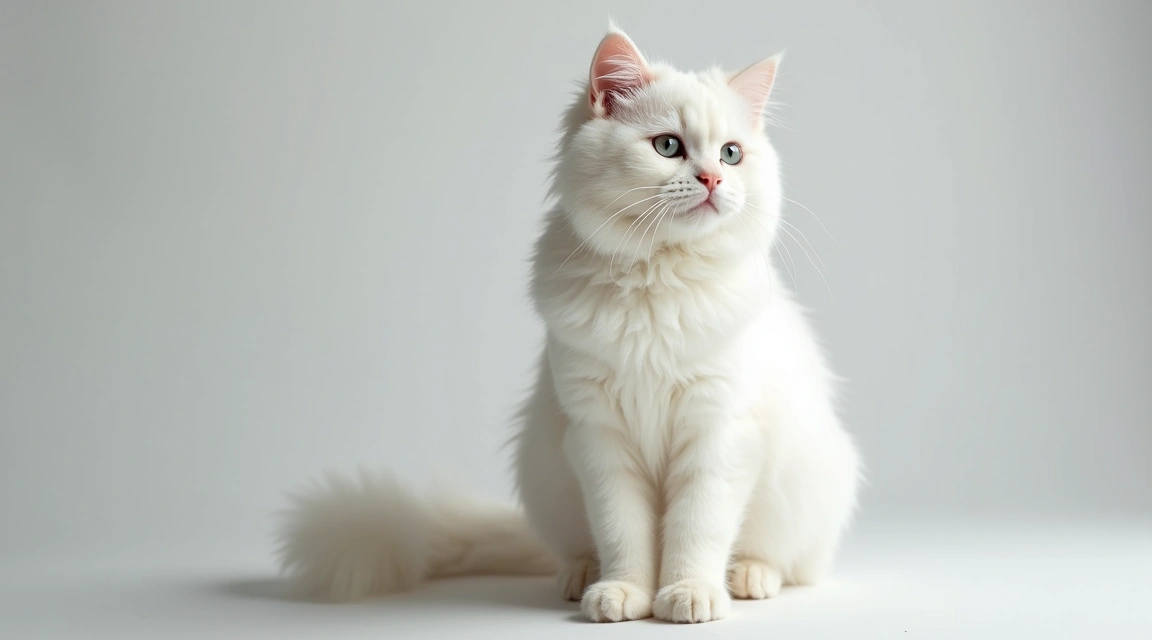
The white Persian cat stands as one of the most iconic and recognizable feline breeds in the world. With their luxurious snow-white coats, expressive copper or blue eyes, and distinctively flat faces, these elegant cats have captivated pet lovers for generations. Whether you’re considering adding one to your family or simply admiring their beauty, understanding what makes white Persians unique—from their grooming needs to their temperament—is essential for anyone drawn to this stunning breed.
Persian cats have a rich history dating back centuries, with the white variety particularly prized for its angelic appearance. Unlike their colored counterparts, white Persians require specific care considerations and come with unique health factors that potential owners should understand before making a commitment. This comprehensive guide explores everything from their physical characteristics to daily care requirements, helping you determine if a white Persian cat is the right companion for your lifestyle.
Physical Characteristics and Breed Standards
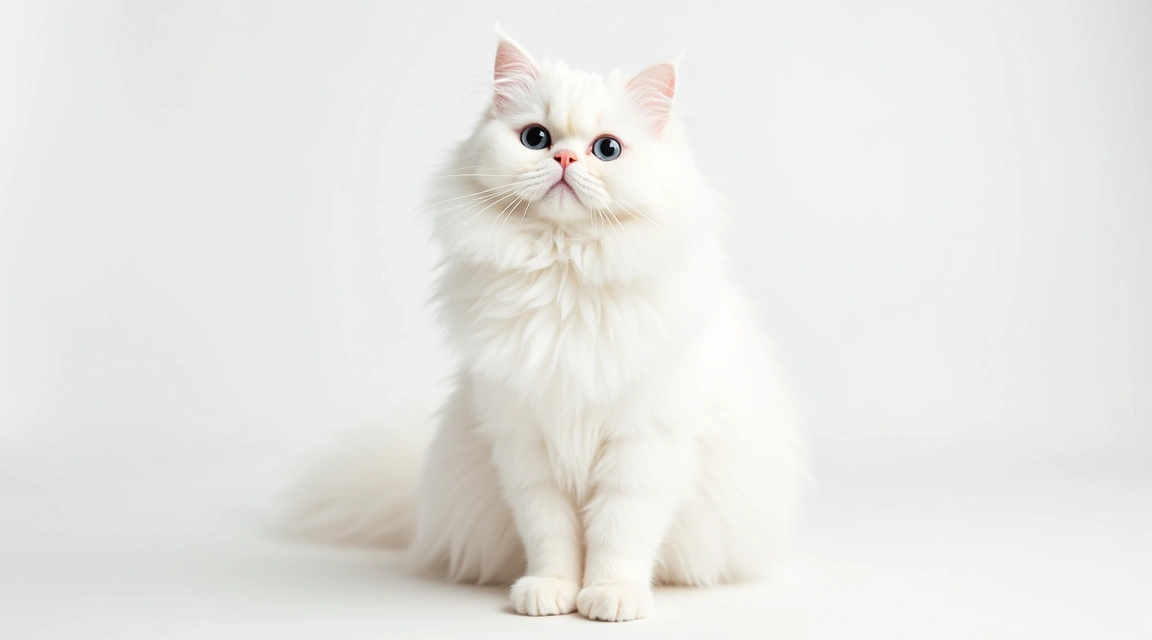
White Persian cats are medium to large-sized felines, typically weighing between 7 and 12 pounds when fully grown. Their most striking feature is their pure white coat, which should be completely free of markings or shading according to breed standards. The fur is exceptionally long, dense, and silky, with a thick undercoat that gives them their characteristic fluffy appearance.
The facial structure of white Persians follows the breed’s signature brachycephalic (flat-faced) profile, with a short, snub nose set between large, round eyes. Eye color in white Persians typically comes in three variations: deep copper or orange, brilliant blue, or odd-eyed (one blue eye and one copper eye). Each eye color variation is recognized by major cat registries, though blue-eyed and odd-eyed white Persians carry a higher risk of congenital deafness.
Their body is cobby and compact, with short, thick legs and a bushy tail. The head is round and massive, with full cheeks and small, rounded ears set wide apart. This combination of features creates the sweet, gentle expression that makes white Persians so beloved among cat breeds enthusiasts worldwide.
Temperament and Personality Traits
White Persian cats are renowned for their calm, gentle, and affectionate personalities. Unlike more active breeds, Persians are content to spend hours lounging on soft surfaces, making them ideal companions for apartment living or quieter households. They form strong bonds with their human families and typically prefer peaceful environments over chaotic, noisy settings.
These cats are not particularly vocal, communicating instead through soft chirps and expressive gazes. They enjoy attention and affection but aren’t typically demanding or overly clingy. White Persians generally get along well with children who handle them gently and can coexist peacefully with other pets when properly introduced.
Their laid-back nature means they adapt well to indoor-only living, which is highly recommended for this breed. Persian cats are not known for their hunting prowess or athletic abilities; instead, they prefer the comfort of climate-controlled homes where their beautiful coats won’t become soiled or matted.
Grooming Requirements and Coat Care
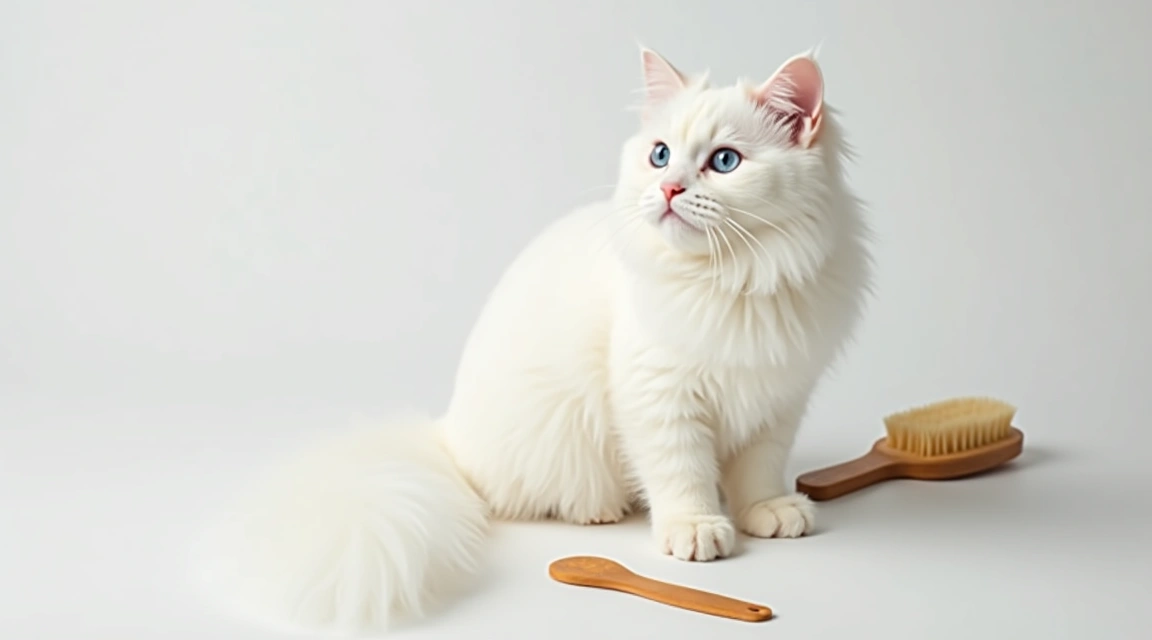
Owning a white Persian cat means committing to a rigorous grooming routine. Their long, dense coats require daily brushing—typically 15 to 30 minutes per session—to prevent matting and tangles. Using a wide-toothed metal comb followed by a slicker brush helps work through the layers of fur effectively.
The white coat shows dirt, tear stains, and discoloration more readily than colored varieties, requiring extra attention to cleanliness. Many white Persian owners bathe their cats every four to six weeks using cat-specific shampoos designed for white coats. Regular bathing helps maintain the brilliant white color and prevents yellowing, particularly around the face and paws.
Facial care is especially important for white Persians due to their flat faces. Daily eye cleaning prevents tear staining, which appears as rusty-brown discoloration beneath the eyes. Using a soft, damp cloth or specialized pet wipes to gently clean around the eyes helps minimize staining. Some owners find that distilled water or commercially available tear stain removers work better than tap water.
Additional grooming tasks include regular nail trimming every two to three weeks, ear cleaning to prevent wax buildup, and dental care. Many owners also trim the fur around the sanitary areas to maintain cleanliness. For those unable to commit to daily grooming, professional grooming services every six to eight weeks can supplement home care, though daily brushing remains essential.
Health Considerations Specific to White Persians
White Persian cats face certain health challenges that prospective owners should understand. The most significant is the genetic link between white coat color, blue eyes, and congenital deafness. Blue-eyed white Persians have a higher likelihood of being born deaf in one or both ears, while odd-eyed cats may be deaf in the ear on the same side as the blue eye. Copper-eyed white Persians have the lowest incidence of deafness, though it can still occur.
Beyond deafness concerns, white Persians share the general health issues common to all Persian cats. Their brachycephalic facial structure can cause breathing difficulties, particularly in hot weather or during physical exertion. This same structure also contributes to excessive tearing, dental problems, and difficulty eating certain foods.
Polycystic kidney disease (PKD) is a hereditary condition found in some Persian lines. Responsible breeders screen their breeding cats for PKD and can provide documentation showing their cats are clear of this genetic mutation. Hypertrophic cardiomyopathy (HCM), a heart condition, also occurs in Persian cats with varying frequency.
White cats of any breed have increased sensitivity to sun exposure, particularly on the ears and nose where fur is thinner. This can lead to sunburn and, over time, an increased risk of squamous cell carcinoma. White Persian cats should be kept indoors not only for coat maintenance but also to protect their sensitive skin from harmful UV rays.
Feeding and Nutritional Needs
White Persian cats benefit from high-quality nutrition tailored to their specific needs. Their flat faces can make eating from standard bowls challenging, so shallow, wide dishes work best. Some owners find that elevated feeders at a comfortable height reduce strain and mess during meals.
Due to their sedentary lifestyle, Persians are prone to obesity if overfed. Portion control and measured meals—typically two to three times daily—help maintain a healthy weight. High-protein, moderate-fat diets support their dense coat while providing sustained energy without excess calories.
Many Persian owners prefer wet food or moistened kibble because it’s easier for flat-faced cats to consume and helps with hydration. If feeding dry food, look for specially shaped kibbles designed for brachycephalic breeds, which are easier to pick up and chew.
Some white Persians benefit from supplements that support coat health, such as omega-3 fatty acids, though these should only be added after consulting with a veterinarian. Fresh, clean water should always be available, preferably in a wide, shallow bowl or pet fountain.
Cost Considerations and Where to Find White Persians
White Persian cats are typically among the more expensive cat breeds. Kittens from reputable breeders generally range in price depending on pedigree, eye color, show quality, and breeder reputation. Odd-eyed and blue-eyed white Persians sometimes command different prices than copper-eyed varieties.
Beyond the initial purchase price, ongoing costs include premium cat food, grooming supplies or professional grooming services, regular veterinary care, and potential medical expenses related to breed-specific health issues. Setting aside funds for emergency veterinary care is prudent, as Persian cats may require specialized treatment throughout their lives.
When searching for a white Persian, prioritize responsible breeders who health-test their breeding cats, provide documentation of lineage, and raise kittens in home environments with proper socialization. Red flags include breeders who always have kittens available, don’t allow visits to see where cats are raised, or cannot provide health clearances.
Alternatively, Persian rescue organizations and breed-specific rescues occasionally have white Persians available for adoption. While adult rescue cats may come with unknown health histories, they can make wonderful companions and often have lower adoption fees than purchasing from breeders.
Living with a White Persian: Daily Life and Environment
Creating an appropriate environment for a white Persian means providing comfortable resting spots, secure indoor spaces, and a calm atmosphere. These cats appreciate multiple soft bedding areas throughout the home, preferably in quiet locations away from high-traffic zones.
Temperature control is important, as Persian cats can overheat easily due to their dense coats and breathing difficulties. Air-conditioned environments during warm months and avoiding overheating in winter help keep them comfortable. Their long fur also picks up litter easily, so low-dust, non-tracking litter in covered boxes with low entry points works best.
White Persians don’t require extensive environmental enrichment compared to more active breeds, but they do enjoy interactive play sessions. Wand toys, puzzle feeders, and gentle play a few times daily provide mental stimulation without overtaxing their limited athletic ability. Cat trees with sturdy, wide platforms give them elevated viewing spots without requiring extensive climbing.
Maintaining the pristine white coat means keeping the home environment clean as well. Regular vacuuming, avoiding colored blankets that shed dye, and keeping food and water areas clean all contribute to keeping your white Persian looking its best.
Is a White Persian Cat Right for You?
White Persian cats make exceptional companions for the right households. They’re ideal for people who enjoy the grooming process, appreciate calm and affectionate pets, and can provide a stable, quiet indoor environment. Retirees, work-from-home professionals, and individuals or families seeking a gentle, low-energy companion often find white Persians to be perfect matches.
However, these cats are not suitable for everyone. Those with limited time for daily grooming, people seeking active or athletic cats, or households with very young children who may handle cats roughly should consider other breeds. The financial commitment for grooming, veterinary care, and potential health issues also requires consideration.
If you’re drawn to the appearance of white Persians but concerned about grooming demands, visiting local breeders or attending cat shows can help you experience their care requirements firsthand. Some potential owners also consider exotic shorthairs, which have similar personalities and facial features but with shorter, more manageable coats.
Ultimately, white Persian cats reward dedicated owners with years of gentle companionship, stunning beauty, and affectionate presence. Their serene temperaments and striking appearance have made them beloved companions for centuries, and with proper care, they thrive as cherished family members in homes that can meet their specialized needs.