
After years of navigating pet store aisles and comparing nutrition labels, I’ve learned that choosing cat food isn’t just about grabbing the prettiest bag on the shelf. It’s a balance of quality, budget, and your cat’s unique needs. Whether you’re a first-time cat owner or switching brands after a recall scare, understanding what drives cat food costs—and what actually matters for your feline’s health—can save you money and stress. In this guide, I’ll walk you through the real cost factors, share what I’ve learned from trial and error, and give you a practical checklist to compare options confidently.
Understanding Cat Food Cost Factors

Cat food prices vary wildly, from budget kibble at $0.50 per pound to premium raw diets exceeding $10 per pound. The gap isn’t arbitrary. Several tangible factors determine what you pay, and knowing them helps you decide where to splurge and where to save.
Protein source and quality are the biggest cost drivers. Real chicken, salmon, or beef as the first ingredient costs significantly more than meat by-products or plant-based fillers. When I switched my senior cat from a grocery-store brand to a food listing “deboned turkey” first, the price jumped 40%, but her coat improved noticeably within six weeks.
Production standards also matter. Foods manufactured in facilities with stricter testing, human-grade certifications, or AAFCO feeding trial validation cost more to produce. You’re paying for quality control—fewer recalls, consistent nutrient profiles, and traceable ingredients. I consider this a fair trade-off after experiencing a mid-tier brand recall that left me scrambling to find alternatives.
Formulation complexity adds expense too. Limited-ingredient diets for allergies, grain-free recipes, or prescription formulas require specialized sourcing and smaller production runs. My friend’s cat with IBD eats a hydrolyzed protein diet that costs nearly triple standard food, but it’s necessary for his condition.
Packaging and format influence price as well. Wet food in single-serve pouches costs more per ounce than canned pâté, which costs more than dry kibble. Freeze-dried and raw options sit at the premium end. I rotate between wet and dry to balance nutrition and budget—wet for hydration and palatability, dry for convenience and dental benefits.
Brand reputation, marketing, and distribution channels round out the equation. Boutique brands sold exclusively online or in specialty shops carry higher margins than mass-market options at big-box stores. That doesn’t always mean better nutrition, though. I’ve found mid-tier brands at warehouse clubs that match premium formulas ingredient-for-ingredient at half the price.
Pros of Investing in Higher-Quality Cat Food
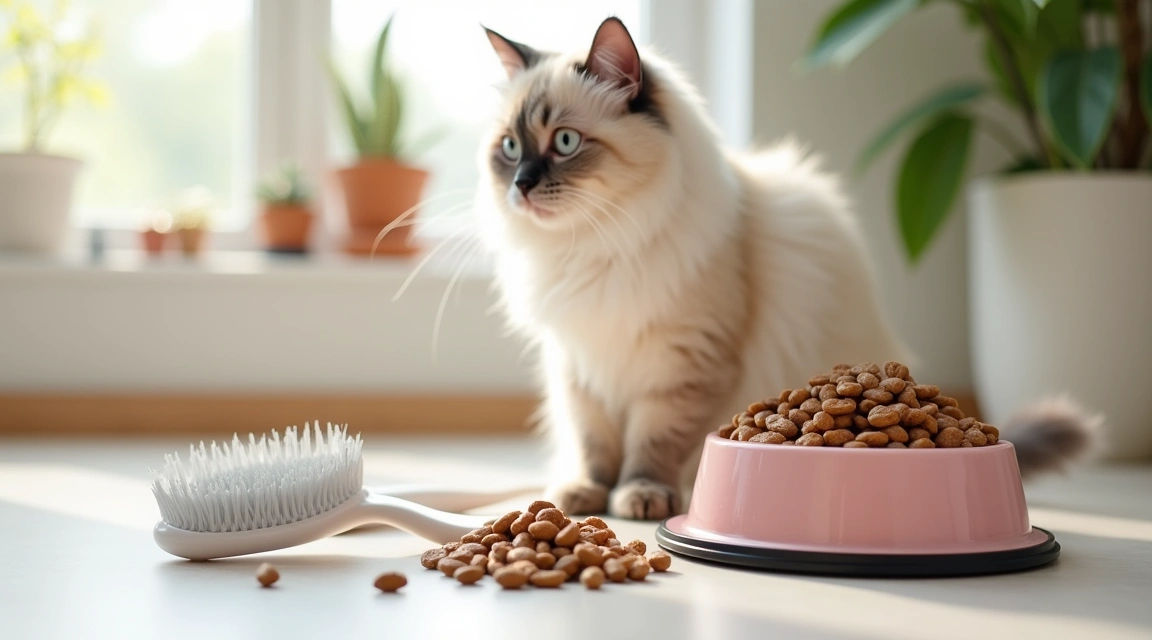
Spending more upfront can yield real benefits, both for your cat’s health and your wallet over time. Here’s what I’ve observed personally and what many cat owners report.
Better digestion and less waste. High-quality protein and fewer fillers mean your cat absorbs more nutrients and produces smaller, less frequent stools. When I upgraded my cat’s food, litter box duty became noticeably easier—less volume and less odor. Over a year, I estimate I’m using 15% less litter, which offsets part of the food cost increase.
Healthier weight and energy levels. Nutrient-dense food satisfies hunger with smaller portions. My naturally chubby cat lost two pounds over six months on a protein-rich formula without feeling deprived. Her energy increased, and she started playing again like a kitten. Preventing obesity reduces long-term vet costs related to diabetes, joint issues, and heart disease.
Shinier coat and fewer hairballs. Omega fatty acids and quality proteins improve skin and fur health. My cat’s coat went from dull and brittle to silky within two months of switching. Hairball incidents dropped from weekly to monthly, saving on cleanup and carpet treatments.
Potentially fewer vet visits. While no food guarantees perfect health, better nutrition supports immune function and organ health. I haven’t had a urinary issue or stomach upset in three years—knock on wood—compared to recurring problems on cheaper brands. That’s hundreds saved in vet bills and diagnostic tests.
Peace of mind. Knowing your cat eats food with transparent sourcing and rigorous testing reduces anxiety. I sleep better not worrying about contaminants or nutritional deficiencies. For more guidance on selecting quality options, check our Cat Food Buying Guides section.
Cons and Practical Challenges

Premium cat food isn’t perfect for every situation. I’ve hit some frustrations, and it’s worth being realistic about the downsides.
Upfront cost can strain budgets. If you’re feeding multiple cats or a large breed, premium food adds up fast. My household budget took a hit initially, and I had to cut back on other discretionary spending. Not everyone has that flexibility, and there’s no shame in choosing a solid mid-tier option that fits your finances.
Availability and stockouts. Specialty brands aren’t always in stock at local stores. I’ve driven to three stores hunting for a specific formula during a supply chain hiccup. Online subscriptions help, but shipping delays happen. I now keep a backup bag of a similar formula on hand to avoid panic.
Picky eaters waste expensive food. Cats are notorious for turning their noses up at new food. I’ve tossed half-full bags when my cat refused to eat premium brands I was excited about. Gradual transitions and sample sizes minimize waste, but it’s still frustrating when a $40 bag goes uneaten.
Marketing hype versus real value. Some premium brands charge luxury prices for marginal ingredient improvements. I’ve compared labels and found “premium” foods with nearly identical macros to mid-tier options at double the price. You need to read labels carefully and not just trust packaging aesthetics or celebrity endorsements.
Overfeeding temptation. Counterintuitively, some owners overfeed premium food because they feel guilty about the cost or want to “get their money’s worth.” I caught myself doing this until my vet reminded me that calorie control matters more than ingredient quality for weight management.
Who Should Prioritize Quality and Who Can Save
Not every cat needs the most expensive food on the market. Here’s how I’d break down priorities based on life stage and health.
Kittens and young adults benefit most from high-quality nutrition during growth. Investing in good kitten food sets a foundation for lifelong health. I’d prioritize protein quality here, even if it means spending more, because growth demands are high and you’re feeding smaller portions anyway.
Senior cats and those with health issues need specialized nutrition. My 14-year-old cat requires kidney-support food that’s pricier but non-negotiable. If your cat has allergies, urinary problems, or chronic conditions, premium therapeutic diets often pay for themselves in reduced vet intervention.
Healthy adult cats with no sensitivities have more flexibility. A well-formulated mid-tier brand with real meat as the first ingredient and AAFCO certification often suffices. I’d focus budget here on variety—rotating proteins to prevent boredom and potential allergies—rather than chasing the absolute top-shelf brand.
Multi-cat households on tight budgets might split the difference: premium food for the cat with special needs, solid mid-tier for the healthy ones. I’ve seen friends do this successfully, though it requires discipline to prevent food stealing.
Owners with unpredictable income should prioritize consistency. A reliably available mid-tier food beats sporadically affording premium, then switching back and forth. Frequent diet changes upset digestion and waste food during transitions.
Comparison Checklist for Smart Shopping
Here’s the practical checklist I use when evaluating cat food options. Print this or save it on your phone for store runs.
Ingredient Quality
- Is a named animal protein (chicken, salmon, beef, not “meat” or “poultry”) the first ingredient?
- Are there more whole ingredients than vague by-products or meals?
- Do grains or fillers appear before the fourth or fifth ingredient?
- Are artificial colors, flavors, or preservatives listed?
Nutritional Adequacy
- Does the label state “complete and balanced” with AAFCO certification?
- Is the formula appropriate for your cat’s life stage (kitten, adult, senior)?
- Does the guaranteed analysis show at least 26% protein for adults, 30% for kittens?
- Is moisture content listed (especially important for cats prone to urinary issues)?
Cost and Value
- What’s the cost per pound or per ounce, not just per bag?
- How many calories per serving? Higher density means smaller portions.
- Is the food available in bulk or subscription discounts?
- Will your cat actually eat it? (Check return policies for new brands.)
Safety and Transparency
- Where is the food manufactured? (Country and facility standards matter.)
- Does the brand have a history of recalls?
- Is there a batch number and contact information for questions?
- Are ingredient sources disclosed (e.g., “salmon from Norway” versus just “salmon”)?
Special Considerations
- Does your cat have allergies, sensitivities, or medical conditions requiring special formulas?
- Is the packaging convenient for your household (resealable bags, recyclable cans)?
- Does the brand align with your values (sustainability, ethical sourcing, local production)?
I keep this checklist as a note on my phone and reference it when comparing brands. It stops me from impulse-buying based on pretty packaging or sales pitches.
Frequently Asked Questions
Is grain-free cat food worth the extra cost?
Grain-free formulas cost 15–30% more on average, but they’re only necessary if your cat has a diagnosed grain allergy—which is quite rare. Most cats digest grains fine. I tried grain-free for a year based on marketing hype and saw no noticeable difference in my cat’s health. I switched back to a quality formula with rice and saved money without any downsides. Unless your vet recommends it for a specific reason, standard food with whole grains is perfectly healthy.
How can I afford better cat food on a limited budget?
Start by calculating cost per serving rather than per bag—a $40 bag that lasts six weeks beats a $20 bag that lasts three. Buy in bulk when sales hit, or join a warehouse club for discounts. Mix a higher-quality food with a good mid-tier option to stretch your dollar while improving nutrition. I also trim costs elsewhere: making my own treats, buying store-brand litter, and skipping unnecessary pet products marketed more for humans than cats. Small shifts add up to room in the budget for better food.
Should I rotate cat food brands or stick with one?
Both approaches have merit. Sticking with one formula provides consistency and reduces digestive upset, which I prefer for my sensitive-stomach cat. Rotating proteins every few months prevents flavor boredom and reduces the risk of developing protein-specific allergies, which I do with my younger, adventurous eater. If you rotate, keep the transitions gradual—mix 25% new food with 75% old for a few days, then 50/50, and so on. Never switch cold turkey unless directed by a vet. I rotate within the same brand family when possible to minimize formulation differences while varying protein sources.