
Persian cats are among the most beautiful and beloved breeds in the world, known for their luxurious long coats, sweet temperaments, and expressive faces. However, that stunning fur requires dedicated maintenance to keep your Persian healthy and comfortable. Creating a structured grooming routine planning system helps you stay consistent, avoid matting problems, and strengthen your bond with your feline companion. This guide walks you through building a personalized grooming schedule that works for both you and your Persian cat.
Before diving into specific grooming tasks, understanding your cat’s unique needs sets the foundation for success. Every Persian has slightly different coat density, activity levels, and tolerance for handling. Some cats adapt quickly to grooming sessions, while others need patient, gradual introduction. Taking time to observe your cat’s behavior and physical condition makes your planning more effective and less stressful for everyone involved.
Understanding Your Persian Cat’s Grooming Needs
Persian cats have double coats with a dense undercoat and long, silky outer fur that can reach several inches in length. This coat structure makes them prone to tangles and mats, especially in high-friction areas like under the legs, behind the ears, and around the collar area. Unlike short-haired breeds, Persians cannot effectively groom themselves completely, making human assistance essential rather than optional.
The flat facial structure of Persians also creates specific grooming requirements beyond coat care. Their large eyes tend to tear more than other breeds, and those tears can stain the fur around the face if not cleaned regularly. Additionally, their compressed nasal passages sometimes lead to breathing-related discharge that requires gentle daily attention.
When planning your routine, consider your cat’s age and health status. Kittens need shorter, more frequent sessions to build positive associations. Senior cats may have arthritis or other conditions that make certain positions uncomfortable. Cats with previous negative grooming experiences require extra patience and positive reinforcement strategies.
Caution: Never force a grooming session when your cat shows signs of extreme stress such as hissing, biting attempts, or trying to escape frantically. These reactions can create lasting negative associations that make future grooming increasingly difficult.
Step 1: Establish Your Daily Quick-Check Routine
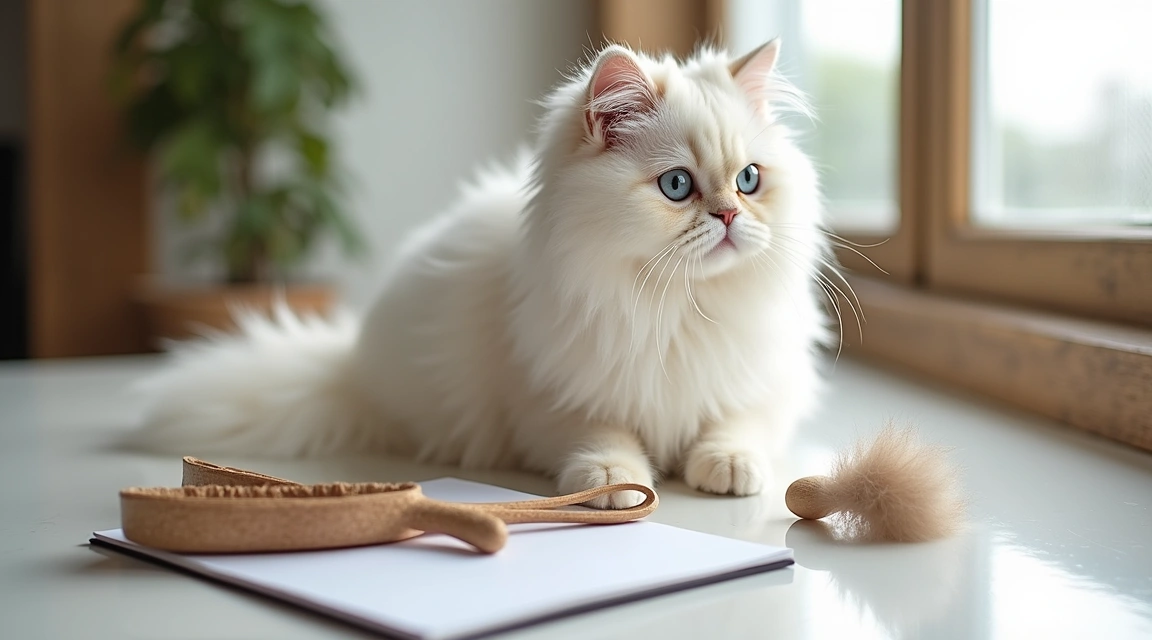
Begin with a brief daily inspection that takes just five to ten minutes. This quick check prevents small problems from becoming major issues and helps your cat become accustomed to regular handling. During this daily session, run your fingers gently through your cat’s coat, feeling for any small tangles or debris. Check the face area and gently wipe around the eyes with a soft, slightly dampened cloth or pet-safe wipe designed for facial cleaning.
Look at your cat’s rear end to ensure no fecal matter has stuck to the fur, which can happen with long-haired breeds. Inspect the ears briefly without probing deep inside, just checking the visible outer area for any unusual discharge or odor. This daily routine serves double duty as a health monitoring system, allowing you to spot potential issues like skin changes, lumps, or parasites early.
Make this daily check a pleasant experience by choosing a time when your cat is naturally relaxed, perhaps after a meal or during their usual cuddle time. Speak softly throughout the process and offer treats or praise to build positive associations. Many Persian owners find that incorporating this check into their own morning or evening routine makes consistency easier to maintain.
Caution: If you notice any unusual lumps, wounds, significant skin changes, or behavioral signs of pain during your daily check, schedule a veterinary examination rather than attempting to treat the issue yourself.
Step 2: Plan Your Weekly Comprehensive Brushing Sessions

Schedule dedicated brushing sessions two to three times per week at minimum, with many Persian owners finding daily brushing works best for preventing mats. Each session should last fifteen to thirty minutes depending on your cat’s coat condition and tolerance level. Gather all your tools before beginning: a wide-toothed metal comb, a slicker brush, a fine-toothed comb for finishing, and some cornstarch or grooming powder for stubborn tangles.
Start brushing at your cat’s head and work systematically toward the tail, then address the legs and belly areas. Use the wide-toothed comb first to gently work through the coat in sections, identifying any tangles before they become painful mats. Follow with the slicker brush to remove loose undercoat, then finish with the fine-toothed comb for a polished look.
Work in small sections rather than trying to brush the entire coat at once. Hold the fur at the base near the skin while combing through the ends, which prevents painful pulling on the skin. If you encounter a mat, sprinkle a small amount of cornstarch on it, let it sit for a moment, then gently work it apart with your fingers before using the comb.
Document your grooming sessions in a simple notebook or phone app. Note which areas had tangles, how long the session lasted, and your cat’s behavior. This record helps you identify problem areas that need extra attention and tracks whether your routine frequency is adequate. For more general care guidance, visit our Cat Care Tips section.
Caution: Never cut mats out with scissors unless you are extremely experienced, as cat skin is surprisingly thin and moves independently from the fur. Many cats suffer accidental cuts from well-intentioned owners trying to remove mats with scissors.
Step 3: Schedule Monthly Deep Grooming Tasks
Beyond regular brushing, Persians need several maintenance tasks performed monthly. These include nail trimming, ear cleaning, thorough eye area cleaning, and sometimes sanitary trims of the fur around the rear end. Setting a specific recurring date each month, such as the first Saturday, helps you remember these less frequent but important tasks.
Nail trimming prevents painful overgrowth and reduces scratching damage. Use cat-specific nail clippers and trim only the clear, pointed tip of each nail, avoiding the pink quick that contains blood vessels and nerves. If your cat has dark nails where you cannot see the quick, trim only very small amounts and do so more frequently rather than attempting to cut more at once.
Ear cleaning involves using a veterinarian-approved ear cleaning solution and cotton balls or pads. Never insert cotton swabs into the ear canal. Instead, apply the cleaning solution to a cotton pad and gently wipe the visible portions of the inner ear. Healthy ears should look pale pink with minimal debris.
The facial area requires extra attention during monthly sessions. The folds around a Persian’s nose and the areas under the eyes need careful cleaning to prevent bacterial growth and staining. Use separate cotton pads or wipes for each eye to avoid spreading any potential infection from one eye to the other.
Caution: If your cat’s ears appear red, have a strong odor, contain dark discharge, or seem painful when touched, these are signs of potential infection that require veterinary treatment rather than just cleaning.
Step 4: Determine Your Bathing Schedule
Persians typically need baths every four to six weeks, though this varies based on individual cats and whether they go outdoors. Regular bathing helps control oil buildup and prevents the coat from becoming greasy and prone to matting. However, over-bathing can strip natural oils and cause dry skin, so finding the right frequency for your specific cat is important.
Before bathing, always brush thoroughly to remove tangles and loose fur. Wet mats become nearly impossible to remove and can tighten against the skin. Prepare all supplies beforehand: cat-specific shampoo, several large towels, a non-slip mat for the sink or tub, and a handheld spray attachment or cup for rinsing.
Use lukewarm water and work systematically through the coat, ensuring the shampoo reaches the skin rather than just sitting on top of the fur. Rinse thoroughly, as soap residue can cause itching and attract dirt. Many Persian owners do two shampoo applications during each bath, the first to remove surface dirt and oils, and the second for deep cleaning.
After bathing, towel-dry as much as possible before using a blow dryer on a low, cool setting. Keep the dryer moving and maintain a safe distance from the skin to prevent burns. Brush continuously while drying to prevent the coat from drying in tangles.
Caution: Never leave a Persian’s coat to air-dry after bathing, as the dense fur takes many hours to dry naturally and the damp environment against the skin can lead to fungal infections or severe matting.
Step 5: Create a Grooming Supplies Checklist
Maintaining proper tools makes grooming more effective and efficient. Create a dedicated grooming kit that contains all necessary items in one accessible location. This preparation saves time and reduces the chance that you will skip sessions because you cannot find the right brush or notice you have run out of eye wipes.
Essential supplies include a metal wide-toothed comb, a slicker brush with coated pins, a fine-toothed finishing comb, nail clippers designed for cats, styptic powder in case of nail trimming accidents, cat-safe eye wipes or solution, ear cleaning solution, cotton pads, cat-specific shampoo and conditioner, several towels dedicated to pet use, and a blow dryer.
Optional but helpful items include grooming powder or cornstarch for mat removal, a grooming table with a non-slip surface to make standing grooming easier on your back, a grooming arm or helper to secure wiggly cats safely, and various sizes of combs for different body areas.
Check your supplies monthly and reorder items before you completely run out. Mark the date you opened bottles of liquid products, as many have limited effectiveness after opening even if the official expiration date is further out.
Caution: Never use human shampoo, conditioner, or cleaning products on your cat, as these can have pH levels inappropriate for feline skin and may contain ingredients that are toxic if ingested during grooming.
Step 6: Track and Adjust Your Routine
Grooming needs change over time based on season, age, health, and environment. What works perfectly in winter might be insufficient during spring shedding season. Keeping written records of your grooming activities allows you to identify patterns and adjust your schedule proactively rather than reactively.
Note the condition of the coat before and after each major grooming session. Record how many mats you found and where they occurred. Track your cat’s behavior during grooming, noting any areas they particularly dislike being touched or any sessions where they seemed especially stressed or especially relaxed.
Review your notes monthly to identify trends. If you consistently find mats in the same location, that area needs more frequent attention. If grooming sessions are taking longer each time, you may need to increase frequency. If your cat’s stress levels are rising, you might need to break sessions into shorter segments or reintroduce treats and positive reinforcement.
Be willing to modify your routine when circumstances change. A move to a different home, the addition of another pet, changes in your work schedule, or your cat’s aging process all justify routine adjustments. The goal is sustainable consistency, not rigid adherence to a schedule that no longer serves you or your cat well.
Caution: If your previously tolerant cat suddenly becomes resistant to grooming, especially in specific body areas, this behavior change may indicate pain or discomfort that requires veterinary evaluation rather than just modified grooming technique.
Common Persian Grooming Mistakes to Avoid
Even experienced cat owners sometimes fall into counterproductive grooming patterns. One frequent mistake is waiting until mats develop before implementing a regular routine. Prevention requires far less effort than correction, and severe matting sometimes necessitates professional grooming or even veterinary sedation for safe removal.
Another common error is inconsistent scheduling. Grooming sporadically when you remember or when the coat looks obviously tangled leads to more difficult sessions and reinforces your cat’s perception that grooming is unpleasant. Regular, predictable sessions keep the coat manageable and help your cat develop tolerance through positive repetition.
Many owners underestimate how long proper Persian grooming takes when they first adopt the breed. Allocating insufficient time leads to rushed sessions where you miss problem areas or handle your cat roughly in an attempt to finish quickly. This rushing creates negative associations and makes future sessions more difficult.
Using incorrect tools is surprisingly common. Dog brushes, human combs, or cheap pet tools that bend or break do not work effectively on Persian coats and can cause discomfort. Investing in proper metal combs and quality brushes designed specifically for long-haired cats makes an enormous difference in both effectiveness and your cat’s comfort.
Some owners focus exclusively on the visible outer coat while neglecting the undercoat, where mats actually form. Surface brushing might make the cat look fluffy temporarily, but it does not prevent the tight tangles that develop near the skin. Always ensure your comb reaches all the way through the coat to the skin level.
Building a Sustainable Long-Term Plan
Persian grooming is a long-term commitment that will be part of your routine for your cat’s entire life, potentially fifteen years or more. Creating sustainable habits matters more than perfection in any single session. Start with modest goals and build gradually rather than attempting an ideal routine immediately and burning out within weeks.
Consider your lifestyle honestly when planning frequency and timing. If you travel regularly for work, arrange for a knowledgeable pet sitter who can maintain basic grooming, or schedule professional grooming appointments to bridge gaps in your availability. If you have physical limitations that make lengthy grooming sessions difficult, shorter daily sessions might work better than marathon weekly sessions.
Some Persian owners benefit from periodic professional grooming even when maintaining a home routine. Professional groomers can provide a thorough bath and blow-dry, trim sanitary areas, and catch any developing problems. This professional support every few months supplements rather than replaces your routine home care.
Remember that grooming time also serves as quality bonding time and health monitoring. The investment in regular grooming prevents serious matting that can cause skin infections, catches health problems early when they are most treatable, and demonstrates the care and attention that deepens your relationship with your Persian companion.
By following these structured steps and maintaining consistent documentation, you create a grooming routine that keeps your Persian cat healthy, comfortable, and beautiful while fitting realistically into your daily life. The key lies not in perfect execution but in sustainable consistency that serves both you and your feline friend for years to come.