
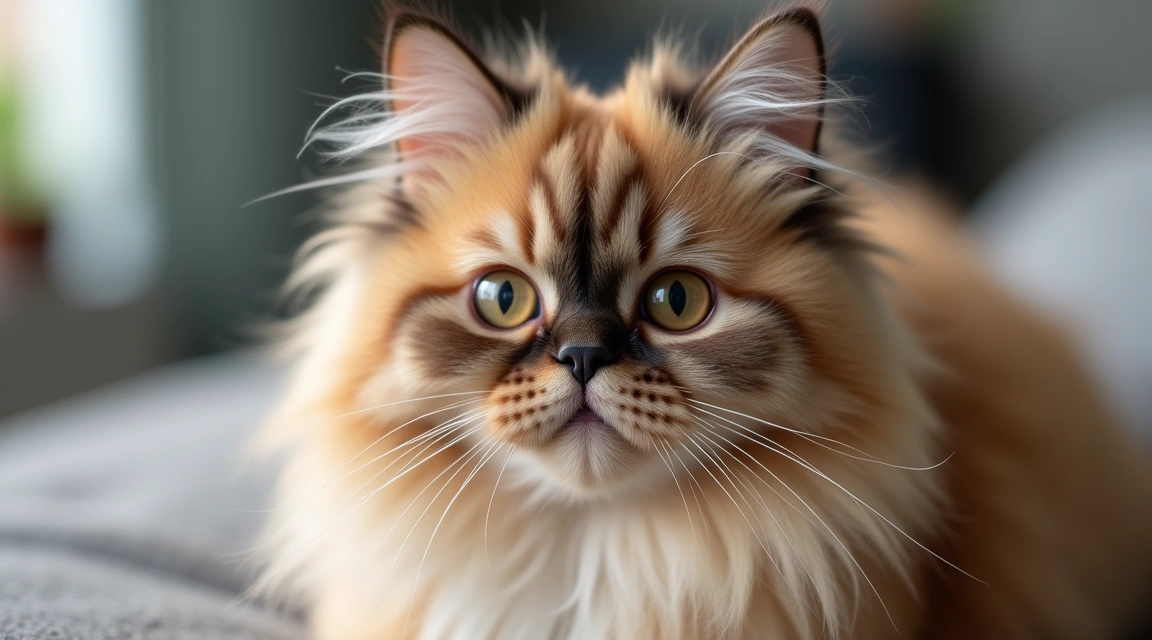
Persian cats have long captivated cat lovers with their luxurious coats and distinctive facial features. However, not all Persians look alike. The breed has evolved into two distinct facial types: the traditional doll face Persian and the modern flat face (or peke-face) Persian. Understanding these differences is essential for prospective owners, breeders, and anyone interested in this iconic breed.
This comprehensive guide explores the key differences between doll face and flat face Persian cats, covering their physical characteristics, health considerations, care requirements, and temperament. Whether you’re considering adding a Persian to your family or simply curious about breed variations, this article provides the detailed information you need to make informed decisions.
Understanding the Two Persian Types
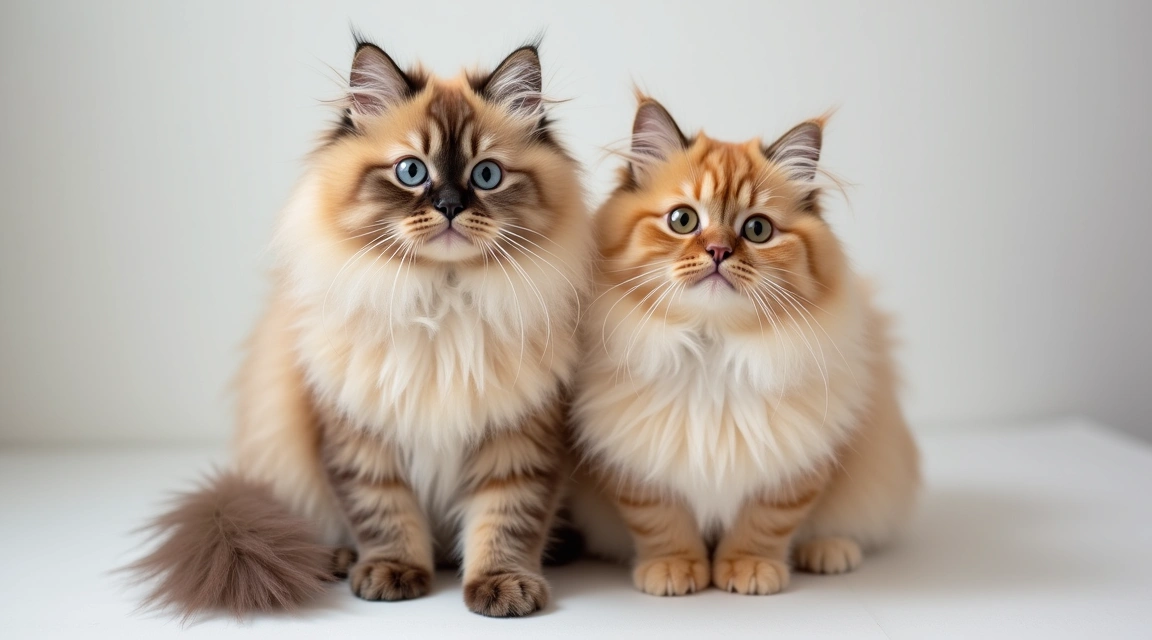
The Persian breed has undergone significant changes over the past several decades. Originally, all Persians exhibited what we now call the “doll face” or traditional look—a moderate facial structure with a slightly shortened nose but still recognizable feline proportions. Beginning in the mid-20th century, selective breeding emphasized increasingly flat facial features, eventually creating the modern flat face Persian recognized in many cat shows today.
The doll face Persian represents the breed’s traditional appearance before extreme breeding practices took hold. These cats maintain a more moderate facial structure with a nose that, while shorter than most domestic breeds, still protrudes noticeably from the face. The eyes are large and expressive but positioned more naturally within the skull. The overall head shape remains rounded yet proportionate to the body.
In contrast, flat face Persians—sometimes called “peke-face” Persians due to their resemblance to Pekingese dogs—feature dramatically compressed facial structures. The nose is extremely shortened and positioned between or even above the eyes rather than protruding forward. The face appears nearly flat in profile, with prominent, round eyes that bulge slightly. This extreme brachycephalic structure represents modern breeding standards embraced by many major cat associations.
For more information about Persian cat care and characteristics, visit our Persian Cats section.
Physical and Health Differences
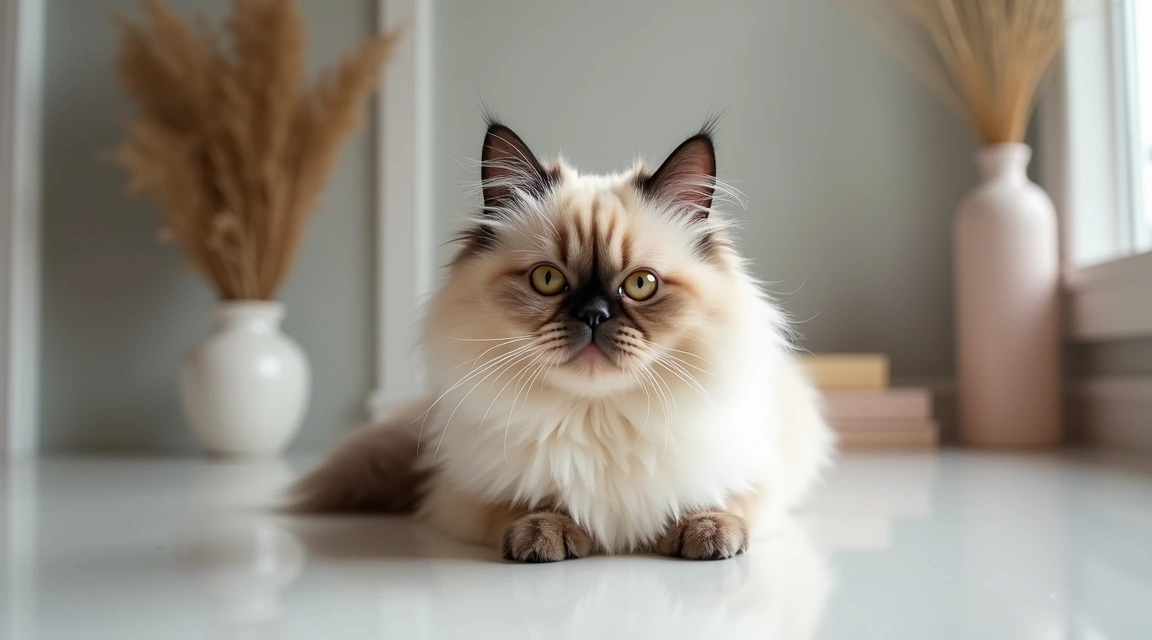
The most obvious distinction between these two types lies in facial structure, but the implications extend far beyond appearance. The degree of facial compression directly affects respiratory function, eye health, dental alignment, and overall quality of life.
Doll face Persians generally enjoy better respiratory health due to their less compressed airways. Their nasal passages remain more open, allowing for easier breathing during normal activity, sleep, and warm weather. They typically experience fewer breathing difficulties compared to their flat-faced counterparts. Their tear ducts function more efficiently, resulting in less chronic tearing and reduced risk of eye infections. The more moderate facial structure also promotes better dental alignment, with fewer crowding issues in the mouth.
Flat face Persians face several breed-specific health challenges directly related to their extreme facial compression. Brachycephalic airway syndrome is common, causing snoring, noisy breathing, exercise intolerance, and potential overheating in warm conditions. The extremely short nasal passages restrict airflow, making normal breathing more laborious. Many flat face Persians cannot tolerate moderate exercise or heat exposure as well as cats with more traditional facial structures.
Eye problems occur more frequently in flat face Persians due to their prominent, bulging eyes and shallow eye sockets. Excessive tearing is nearly universal, requiring daily facial cleaning to prevent staining and skin infections. The compromised tear duct drainage means moisture constantly runs down the face, creating a breeding ground for bacteria and yeast. Some flat face Persians experience chronic eye irritation, corneal exposure problems, and increased susceptibility to eye injuries.
Dental overcrowding is another concern in flat face Persians. The compressed jaw structure leaves insufficient space for normal tooth alignment, leading to malocclusion, retained baby teeth, and periodontal disease. Many require regular veterinary dental care beyond what most cats need.
Both types share the Persian breed’s predisposition to polycystic kidney disease (PKD), a genetic condition affecting kidney function. Responsible breeders screen for this condition regardless of facial type. However, the additional health burdens associated with extreme facial compression mean flat face Persians often require more intensive veterinary care throughout their lives.
Grooming and Daily Care Requirements
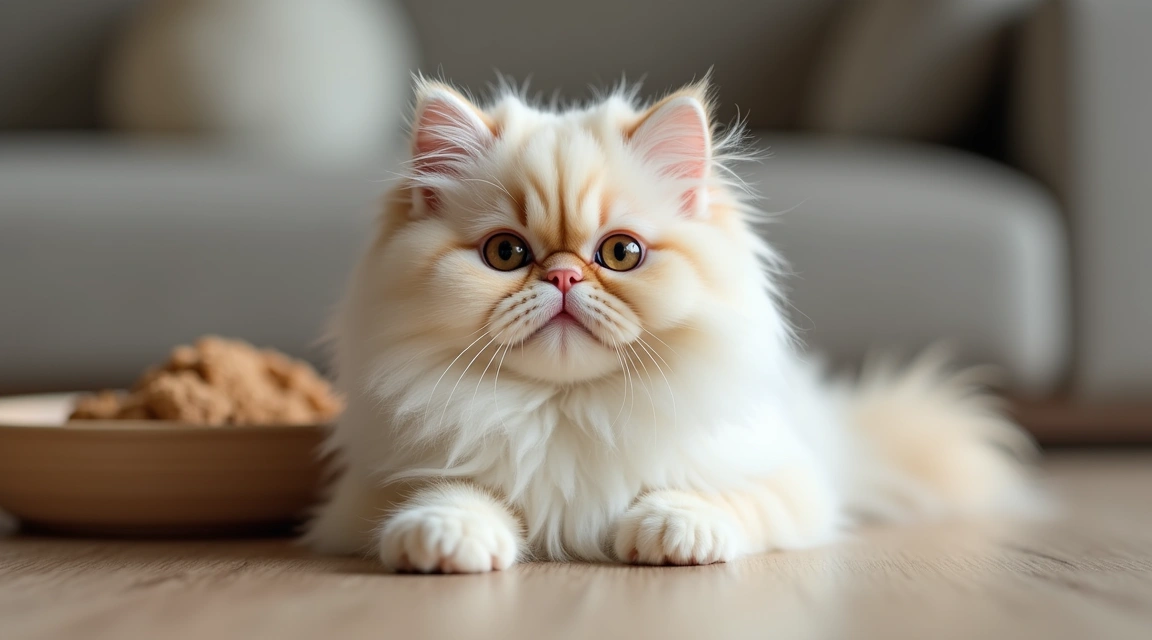
All Persians demand significant grooming commitment due to their long, dense double coats. Daily brushing is essential to prevent matting and reduce hairballs. However, facial type creates distinct care requirements that prospective owners should understand before selecting either type.
Doll face Persians require standard Persian coat care—daily combing with a metal comb to work through the undercoat, regular bathing every four to six weeks, and attention to matting-prone areas like behind the ears, under the legs, and around the tail. Their facial structure allows for relatively straightforward face cleaning, typically requiring only weekly attention to eye corners unless the individual cat produces excessive tears.
Flat face Persians need all the coat care mentioned above plus intensive daily facial maintenance. The extreme facial folds and constant tear production demand daily cleaning with pet-safe wipes or damp cloths. Neglecting this routine leads to tear staining, skin fold dermatitis, and bacterial infections. Many owners establish a twice-daily cleaning schedule to keep the face dry and healthy. The pronounced facial structure also makes eating and drinking messier, often requiring face cleaning after meals.
Both types benefit from professional grooming every six to eight weeks. Some owners opt for “lion cuts” during warm months to reduce coat maintenance and heat stress, particularly for flat face Persians who struggle with temperature regulation.
Temperament and Personality Considerations
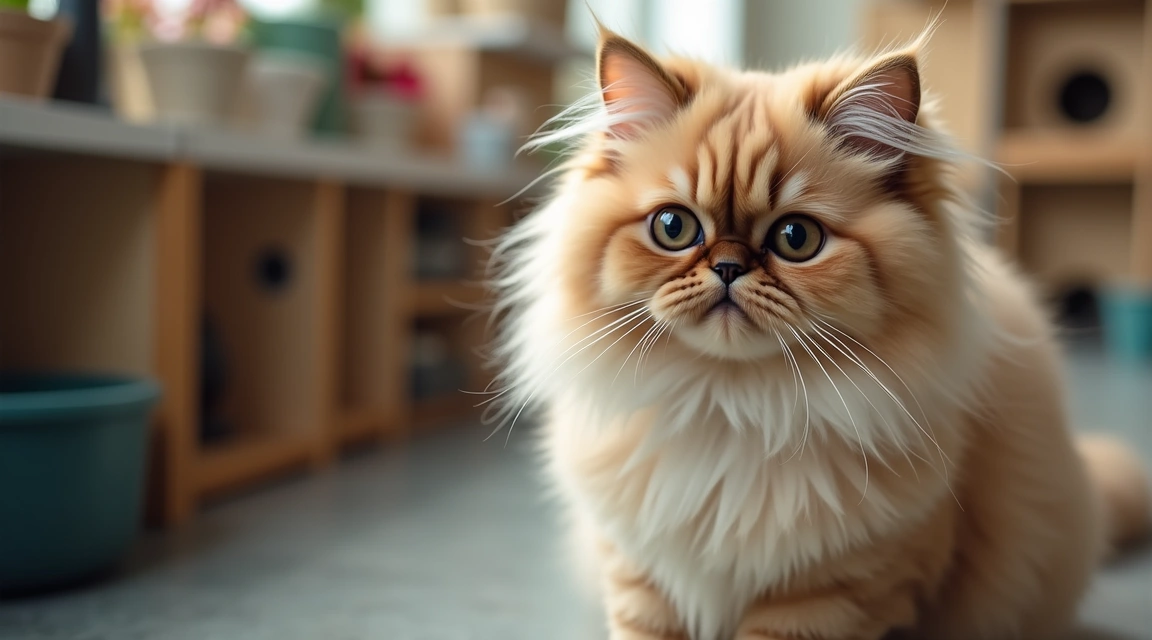
Persian cats are renowned for their calm, gentle, and affectionate personalities. Both doll face and flat face Persians typically exhibit the classic Persian temperament: quiet, laid-back, people-oriented, and content with indoor living. They generally prefer peaceful households without excessive noise or chaos.
However, the health challenges associated with flat face structure can indirectly affect behavior and quality of life. Flat face Persians may show less interest in active play due to breathing difficulties. They often avoid vigorous activity that would cause respiratory distress. Many spend more time resting and less time exploring compared to doll face Persians with easier breathing.
Doll face Persians, benefiting from better respiratory function, typically display slightly more energy and playfulness within the breed’s naturally sedate range. They may engage more readily in moderate play sessions and show greater environmental curiosity. The difference is subtle—neither type matches the activity level of breeds like Bengals or Abyssinians—but improved breathing capacity does enable more comfortable movement and exploration.
Both types form strong bonds with their families and appreciate routine. They adapt well to various living situations provided their grooming and health needs are met consistently. Neither type tolerates neglect well; Persians require regular interaction and dedicated care to thrive.
Breeding Standards and Recognition
Cat fancy organizations take different positions on Persian facial types. The Cat Fanciers’ Association (CFA) and The International Cat Association (TICA) recognize the modern flat face Persian as the breed standard for show purposes. Competition Persians in these registries typically exhibit extreme facial compression, large round eyes positioned wide apart, and nearly flat profiles.
Traditional cat associations and some international organizations maintain standards closer to the historical Persian appearance. These groups advocate for moderate facial structures that preserve breed health while maintaining Persian characteristics. Some breeders specialize exclusively in doll face Persians, marketing them as “traditional Persians” to distinguish them from show-type cats.
The breeding debate centers on animal welfare concerns. Critics of extreme breeding point to the documented health problems associated with flat faces, arguing that prioritizing appearance over function constitutes poor stewardship. Advocates for traditional Persians emphasize that cats with moderate features enjoy better quality of life while retaining the beloved Persian temperament and coat.
Prospective owners should research breeders carefully, asking specific questions about health testing, breeding philosophy, and the degree of facial compression in their lines. Responsible breeders—regardless of facial preference—screen for PKD, maintain comprehensive health records, socialize kittens properly, and prioritize long-term cat welfare over show wins or profit.
Making the Right Choice for Your Home
Choosing between a doll face and flat face Persian depends on your priorities, lifestyle, and willingness to manage breed-specific needs. Both types make affectionate companions, but they present different care requirements and health considerations.
Doll face Persians suit owners seeking Persian temperament and appearance with fewer health complications. They require less intensive facial care, experience fewer breathing difficulties, and generally incur lower veterinary costs over their lifetime. They represent a good choice for first-time Persian owners or those unable to provide the daily facial maintenance flat face Persians require.
Flat face Persians appeal to those drawn to the dramatic, ultra-flat appearance and who can commit to intensive daily care. Prospective owners must be prepared for potential breathing problems, constant facial cleaning, and likely higher veterinary expenses. These cats need climate-controlled environments—overheating poses serious risks for severely brachycephalic cats. They’re best suited to experienced cat owners who understand the breed’s special needs and can provide attentive, consistent care.
Climate considerations matter significantly. Flat face Persians struggle in warm or humid environments due to their compromised respiratory systems. Homes without reliable air conditioning may not be suitable. Doll face Persians tolerate moderate temperature variation better but still prefer cooler conditions given their heavy coats.
Time commitment is another crucial factor. All Persians need daily grooming, but flat face types demand additional facial care that cannot be skipped without consequences. Working professionals who travel frequently may find the intensive care requirements challenging unless they arrange for knowledgeable pet sitters.
Cost Considerations
Purchase prices vary based on breeder reputation, location, pedigree quality, and whether the cat is intended for show or pet homes. Generally, both types command similar initial prices from reputable breeders, with show-quality cats costing more than pet-quality kittens.
Long-term costs differ more substantially. Flat face Persians typically accumulate higher lifetime expenses due to increased veterinary visits for breathing issues, eye problems, and dental care. Specialized procedures to improve breathing function can become necessary in some cases. Daily grooming supplies for facial care add modest but ongoing costs.
Doll face Persians generally require fewer specialized veterinary interventions, though routine Persian care—including professional grooming, high-quality food, and regular health maintenance—remains significant for both types.
Pet insurance may cost more for flat face Persians due to their increased health risks. Some insurers classify brachycephalic breeds in higher-risk categories or exclude coverage for breed-related conditions. Prospective owners should research insurance options early and budget accordingly.
Comparison Summary
| Characteristic | Doll Face Persian | Flat Face Persian |
|---|---|---|
| Facial Structure | Moderate, nose protrudes slightly | Extremely flat, nose between eyes |
| Breathing Ability | Generally good, fewer respiratory issues | Often compromised, prone to airway problems |
| Eye Health | Better tear drainage, fewer infections | Excessive tearing, frequent cleaning needed |
| Daily Face Care | Minimal, weekly cleaning usually sufficient | Intensive, requires daily or twice-daily attention |
| Exercise Tolerance | Moderate for breed | Limited due to breathing difficulties |
| Heat Sensitivity | Moderate (due to coat) | High (coat plus breathing issues) |
| Veterinary Costs | Standard for breed | Typically higher due to facial-related issues |
| Show Standards | Not recognized by major registries | Meets CFA and TICA standards |
| Life Expectancy | 12-17 years with good care | 10-15 years, health-dependent |
| Temperament | Calm, gentle, slightly more active | Calm, gentle, less active |
Final Thoughts
The choice between doll face and flat face Persian cats represents more than aesthetic preference—it involves meaningful differences in health outcomes, care requirements, and quality of life for both cat and owner. While both types display the gentle, affectionate temperament that makes Persians beloved companions, the physical realities of extreme facial compression cannot be ignored.
Doll face Persians offer the classic Persian personality and luxurious coat with fewer health complications and less intensive daily maintenance. They represent a more sustainable breeding direction that prioritizes feline welfare while preserving breed characteristics. For most households, particularly first-time Persian owners, the traditional type provides a rewarding companion experience without the intensive medical management flat face types often require.
Flat face Persians appeal to those specifically drawn to the ultra-flat appearance and willing to provide the exceptional care these cats need. Prospective owners must honestly assess their ability to maintain daily facial cleaning routines, provide climate-controlled environments, and manage potential health challenges throughout the cat’s life. With dedicated, informed care, flat face Persians can live happy lives, but they undeniably face more health obstacles than their traditional counterparts.
Regardless of which type you choose, select a responsible breeder who prioritizes health testing, socializes kittens properly, and provides ongoing support. Avoid sources that cannot document health screening, refuse to show breeding facilities, or pressure quick sales. A well-bred Persian of either facial type, placed with a prepared owner, will provide years of companionship and affection.
The ongoing discussion about Persian breeding standards reflects broader conversations about animal welfare in purebred cats and dogs. As our understanding of brachycephalic health issues deepens, more breeders and organizations are reconsidering extreme features that compromise quality of life. Whether this trend will reshape breed standards remains to be seen, but informed consumers who prioritize health and welfare drive positive change in breeding practices.
Ultimately, both doll face and flat face Persians deserve homes where their needs are understood and met with consistency and care. By educating yourself about these important differences, you’re taking the essential first step toward providing the right environment for these special cats.