

Bringing a Persian cat into your home is an exciting milestone. These beautiful, long-haired companions have specific needs that differ from other breeds, and proper preparation ensures a smooth transition for both you and your new feline friend. This guide walks you through the essential steps to create a safe, comfortable environment before your Persian cat arrives.
Persian cats are known for their luxurious coats, flat faces, and calm temperaments. Their unique physical characteristics require special attention to grooming, feeding arrangements, and environmental setup. Taking time to prepare your home properly will help your Persian settle in quickly and establish healthy routines from day one.
Understanding Persian Cat Needs Before Arrival
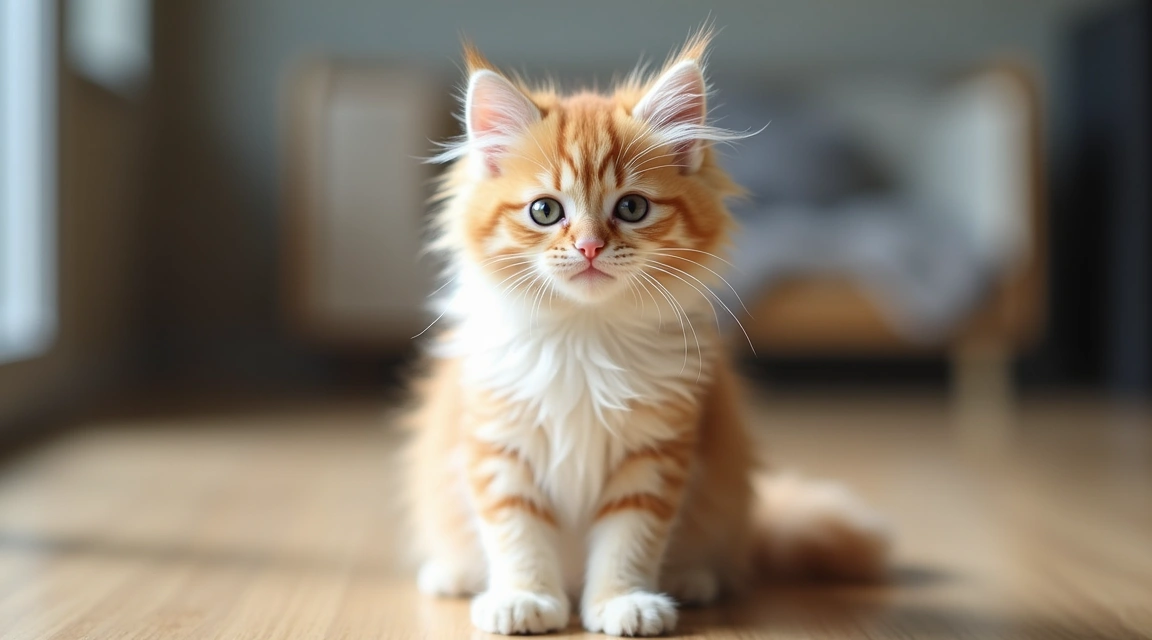
Before making any purchases or changes to your home, familiarize yourself with the specific requirements of Persian cats. Their brachycephalic (flat-faced) structure affects how they eat, drink, and breathe. Their long, dense coats require daily maintenance to prevent painful matting. Understanding these basics will guide every preparation decision you make.
Persian cats typically prefer calm, quiet environments. They are less active than many other breeds and enjoy predictable routines. Plan for dedicated grooming areas, accessible litter stations, and resting spots away from household traffic. These cats also have a tendency toward tear staining due to their facial structure, so you’ll need supplies and space for regular facial cleaning.
Caution: Persian cats are prone to breathing difficulties in hot, humid conditions. Ensure your home has adequate ventilation and climate control before bringing your cat home.
Step 1: Set Up a Safe Arrival Room
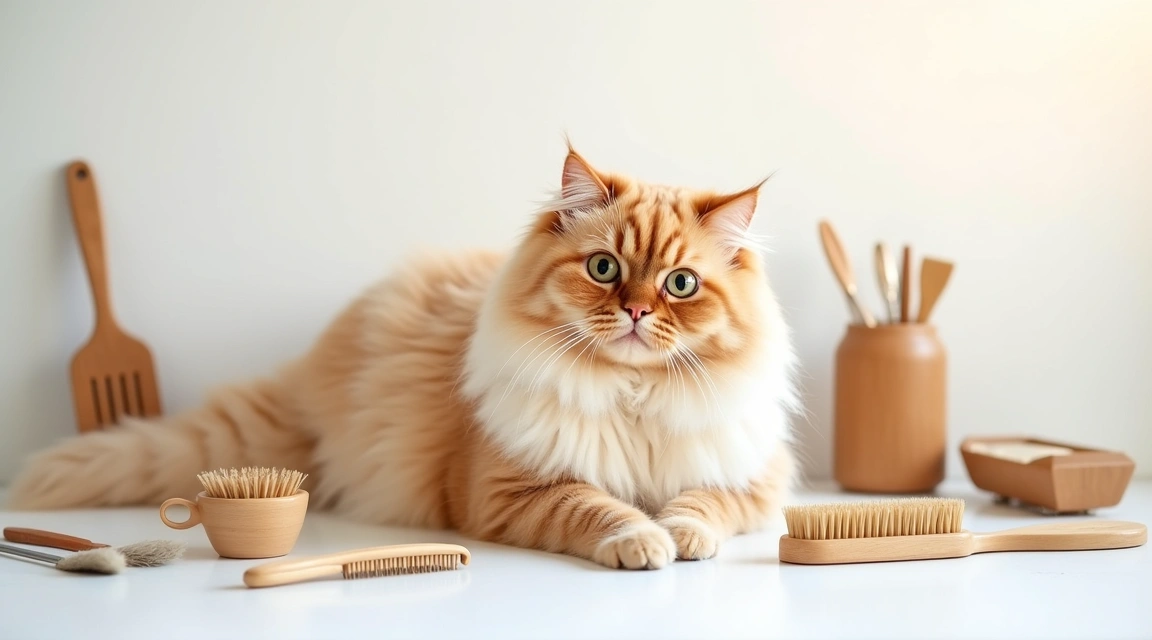
Designate one quiet room as your Persian’s initial territory. This controlled space helps reduce stress and allows your new cat to adjust gradually. Choose a room with a door that closes completely, away from loud appliances or high-traffic areas. A spare bedroom or home office works well.
Place essential items in this room before your cat arrives:
- A shallow litter box with low sides for easy access
- Food and water bowls designed for flat-faced cats
- A comfortable bed or soft blanket in a corner
- A scratching post or mat
- A few simple toys
- Hiding spots such as a cardboard box or covered bed
Keep the room at a comfortable temperature, typically between 65-75°F. Remove any small objects, toxic plants, or hazardous items before your cat explores. Check that windows are securely screened and that no gaps exist where a frightened cat could become trapped.
Caution: Never place the litter box directly next to food and water bowls. Cats instinctively avoid eliminating near their feeding areas, which may cause litter box avoidance issues.
Step 2: Choose the Right Equipment for Persian Cats
Persian cats benefit from specialized equipment designed for their unique body type. Standard bowls can be uncomfortable or messy for flat-faced breeds. Invest in wide, shallow bowls that allow your Persian to eat without pressing their face deeply into the dish. Ceramic or stainless steel options are easiest to clean and won’t harbor bacteria like plastic can.
Select a litter box with low entry sides, especially important for kittens or older cats. Persian cats have long fur that can track litter easily, so consider a larger box with higher backs and sides but a low front entrance. Place a textured mat outside the box to catch litter from paws.
Purchase grooming supplies before arrival day:
- A wide-toothed metal comb for the undercoat
- A fine-toothed comb for finishing
- A slicker brush for surface grooming
- Cat-safe eye wipes or tear stain remover
- Grooming scissors with rounded tips
- Nail clippers designed for cats
You’ll also need a sturdy cat carrier for vet visits. Choose one large enough for your Persian to stand and turn around comfortably.
Caution: Avoid self-cleaning litter boxes initially. The mechanical noise can frighten a new cat and create lasting litter box anxiety.
Step 3: Cat-Proof Your Entire Home
Once your Persian has adjusted to the arrival room, they’ll gradually explore your entire home. Cat-proofing prevents accidents and protects both your belongings and your cat. Work through your home room by room, looking from a cat’s perspective at floor level and above.
Secure all electrical cords with cord covers or tape them along baseboards. Persian cats are generally less playful than some breeds, but curious kittens may still chew on dangling wires. Remove or secure blind cords, as these pose a strangulation risk.
Check that all household chemicals, medications, and cleaning products are stored in closed cabinets. Install child-safety latches if your cat is particularly curious. Remove toxic plants from your home entirely—common dangerous plants include lilies, azaleas, sago palms, and many others. If you’re unsure about a specific plant, research it before your cat arrives or remove it to be safe.
Secure trash cans with locking lids. Close toilet lids to prevent drowning accidents and keep cats from drinking potentially contaminated water. Check that all window screens are secure and that balconies are safely enclosed if you live in an apartment.
Caution: Small objects like rubber bands, hair ties, and twist ties are common choking hazards. Persian cats may bat these items around and accidentally swallow them, leading to potentially life-threatening intestinal blockages.
Step 4: Create Multiple Comfort Zones
Persian cats appreciate having several resting options throughout your home. Their calm nature means they spend significant time napping and observing their environment. Set up comfortable spots in various rooms where your cat can retreat when they want solitude or simply watch household activities.
Place soft beds or cushioned mats in quiet corners, away from drafts and direct heat sources. Persian cats often enjoy elevated perches, though they typically prefer lower heights than more athletic breeds. A sturdy cat tree with wide platforms and plush covering works well. Avoid very tall cat trees with narrow perches that might feel unstable.
Consider your home’s temperature zones. Persian cats can overheat quickly due to their thick coats and breathing structure. Ensure rest areas are in climate-controlled spaces, never in enclosed sunrooms or near heating vents. Provide access to cooler rooms during warm months.
Add scratching posts or pads near sleeping areas and in main living spaces. Cats naturally scratch after waking, so placing scratchers strategically reduces the chance they’ll use furniture. Persian cats aren’t typically destructive scratchers, but they still need outlets for this natural behavior.
Caution: Avoid placing beds near noisy appliances like washing machines or furnaces. Sudden loud sounds can startle a resting cat and create negative associations with that space.
Step 5: Establish a Grooming Station
Daily grooming is non-negotiable for Persian cats. Their long, thick double coats mat quickly without regular brushing, leading to painful skin problems. Setting up a dedicated grooming area before your cat arrives helps establish this as a normal, positive routine.
Choose a location with good lighting where you can sit comfortably. A bathroom counter, sturdy table, or even your lap on the couch can work. Keep all grooming supplies in one accessible container so you’re never searching for tools mid-session.
Plan to spend at least 10-15 minutes daily on coat maintenance. Start grooming sessions early, even with kittens, so your cat accepts handling as normal. Pair grooming with treats or calm praise to create positive associations.
Set up a cleaning station for your Persian’s face. The breed’s flat facial structure can cause tear overflow, leaving rust-colored stains on light-colored fur. Keep facial wipes or a clean, damp cloth ready for daily gentle cleaning around the eyes. Address this before discharge dries and hardens, which makes removal more difficult and uncomfortable.
Caution: Never use scissors to cut out mats if you’re inexperienced. It’s easy to accidentally cut a cat’s thin skin, especially when the mat is close to the body. Consult a professional groomer for severe matting.
Step 6: Plan for Veterinary Care and Documentation
Before bringing your Persian home, research veterinarians in your area who have experience with brachycephalic breeds. Schedule a first appointment within the first few days after adoption to establish care and address any immediate health concerns. Having this arranged in advance reduces stress during the busy first week.
Create a file folder for your cat’s health records. Request copies of vaccination history, deworming records, and any health certificates from the breeder or shelter. Document any known health conditions, medication needs, or dietary restrictions. Keep your vet’s contact information and the nearest emergency animal hospital number easily accessible.
Purchase a first aid kit designed for cats or assemble basic supplies. While you’ll contact your vet for serious issues, having bandages, sterile gauze, and a digital thermometer on hand is sensible. Learn how to check your cat’s vital signs before an emergency occurs.
If you’re adopting from a reputable cat adoption source, confirm what medical care has been completed and what remains your responsibility. Many Persian cats are sold with initial vaccinations complete but may need boosters. Spaying or neutering may or may not have been performed depending on age and source.
Caution: Persian cats are prone to polycystic kidney disease (PKD), a genetic condition. Ask breeders for PKD test results for the parents, or discuss screening with your veterinarian if health history is unknown.
Common Mistakes When Preparing for a Persian Cat
Many new Persian owners underestimate the grooming commitment. These cats cannot maintain their coats alone. Skipping daily brushing for even a few days can result in mats that require professional removal. Be honest about whether you can commit to daily grooming or budget for professional grooming every 6-8 weeks.
Another frequent error is purchasing inappropriate feeding dishes. Standard deep bowls cause discomfort for flat-faced cats and can lead to messy eating, which then mats the facial fur. Invest in proper shallow dishes from the start rather than replacing equipment later.
New owners sometimes create overly stimulating environments, assuming all cats want extensive vertical territory and interactive toys. While enrichment matters, Persian cats typically prefer calm, predictable spaces over complex cat furniture or constant activity. Match your setup to the breed’s naturally sedate personality.
Failing to address climate control is another common mistake. Persian cats struggle in heat and humidity. If your home lacks air conditioning and you live in a warm climate, you may need to install fans, provide cooling mats, or reconsider whether this breed suits your environment.
Finally, some owners don’t cat-proof thoroughly because Persian cats seem less mischievous than active breeds. However, all cats are curious, and danger doesn’t discriminate by personality. Complete thorough cat-proofing regardless of breed temperament.
Creating a Lasting Foundation for Your Persian Cat
Proper home preparation sets the stage for years of companionship with your Persian cat. These elegant cats thrive when their specific needs are understood and addressed from day one. By creating safe spaces, investing in appropriate equipment, establishing grooming routines, and cat-proofing thoroughly, you’re building an environment where your Persian can flourish.
Remember that each cat has individual preferences within breed characteristics. Observe your Persian’s behavior after arrival and adjust your setup as needed. Some cats prefer higher perches than expected, while others never venture above floor level. Flexibility within your prepared framework ensures your home evolves with your cat’s needs.
The time invested in preparation pays dividends in reduced stress, fewer behavioral issues, and a smoother transition for everyone in your household. Your Persian cat will reward your thoughtful preparation with affection, companionship, and the unique charm that makes this breed so beloved.