
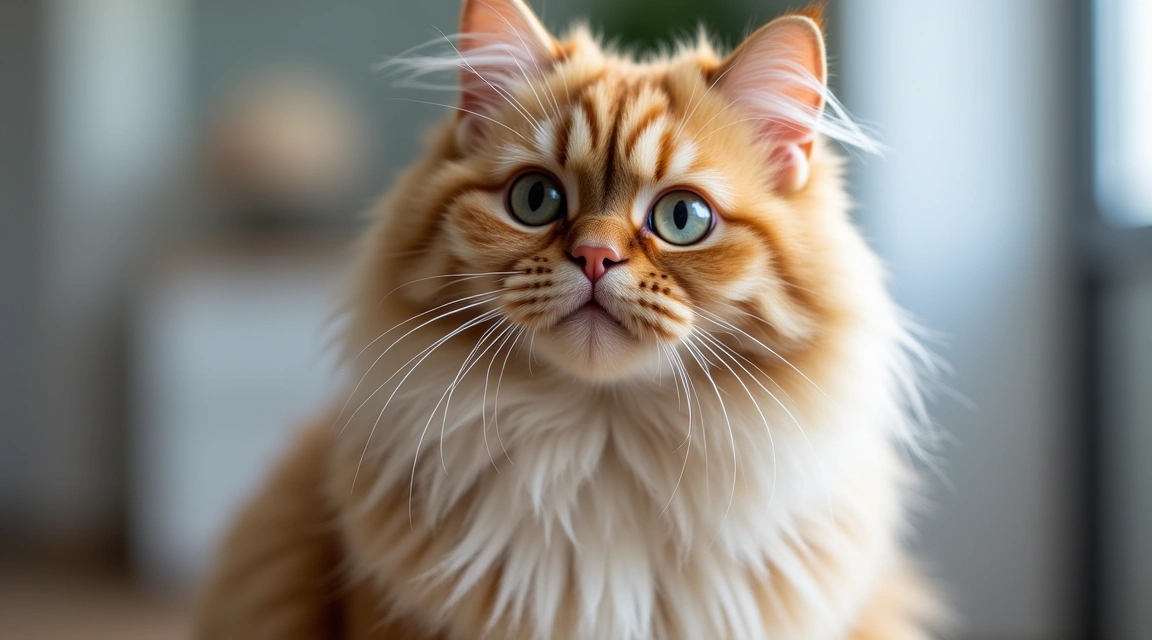
Persian cats are among the most luxurious and recognizable cat breeds, famous for their long, flowing coats and gentle personalities. However, their beautiful appearance comes with significant grooming responsibilities. Unlike short-haired breeds, Persians require daily maintenance to prevent matting, reduce shedding, and maintain skin health. Through examining real-world grooming routines from experienced Persian cat owners and professional groomers, we can identify effective strategies that balance thoroughness with the cat’s comfort and well-being.
This article explores documented case examples of successful Persian cat grooming routines, highlighting what works in practice and common pitfalls to avoid. Whether you’re a new Persian owner or looking to refine your current approach, these real-world examples provide actionable guidance for maintaining your cat’s coat and overall health.
Understanding Persian Coat Maintenance Fundamentals
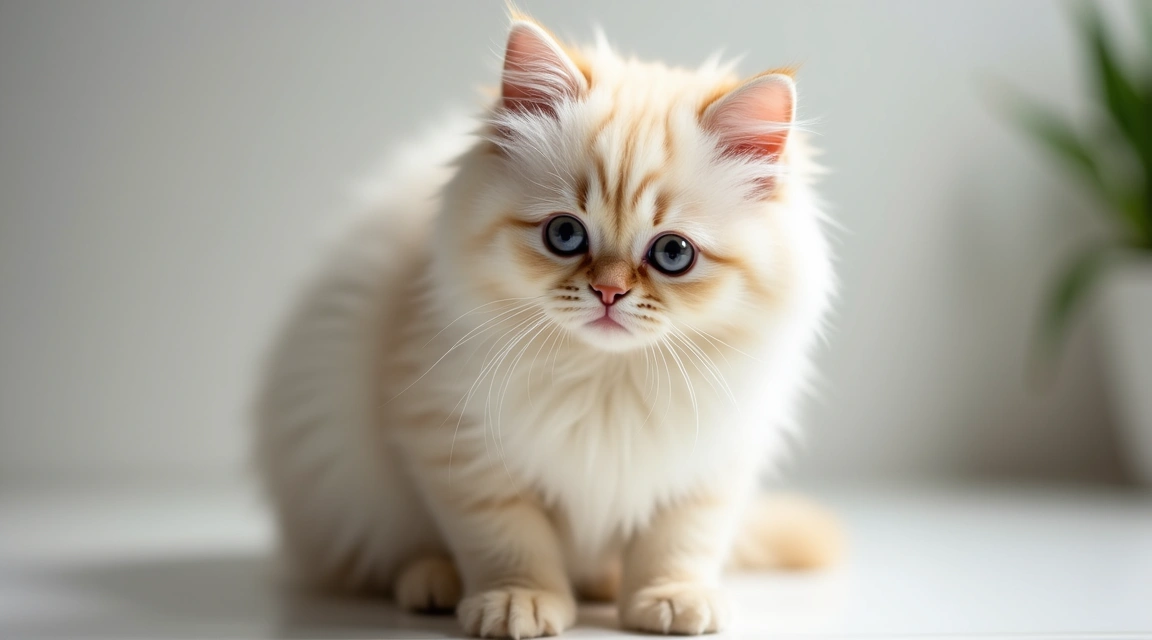
Persian cats possess a double coat consisting of a dense undercoat beneath long guard hairs that can reach several inches in length. This coat structure evolved to provide insulation, but in domestic settings it creates specific grooming challenges. Without regular attention, the undercoat tangles with the outer layer, forming mats that pull on the skin, trap moisture, and create breeding grounds for bacteria.
Professional groomers consistently emphasize that prevention is significantly easier than correction. Once mats form, especially near the skin, removal becomes painful and may require sedation in severe cases. The key distinction between successful and struggling Persian owners often comes down to consistency rather than technique sophistication.
Most documented successful routines share common elements: daily brushing sessions lasting fifteen to thirty minutes, weekly facial cleaning, monthly bathing, and quarterly professional grooming appointments. The specific tools and techniques vary, but the commitment to regularity remains constant across effective approaches.
Case Study: The Daily Maintenance Approach
Sarah, a Persian breeder with over twelve years of experience, maintains four adult Persians and rotating litters using a structured daily routine. Her approach emphasizes prevention and has resulted in cats with consistently show-quality coats and minimal veterinary issues related to skin or coat health.
Her morning routine begins with a metal comb inspection, working through each cat systematically from head to tail. She starts behind the ears, where mats form most frequently, then moves down the neck, chest, and legs before addressing the body and tail. This consistent directional approach ensures no areas are overlooked. The entire process takes approximately twenty minutes per cat.
Sarah uses a two-phase brushing system. First, she employs a wide-toothed metal comb to work through the coat in sections, identifying any tangles before they develop into mats. When she encounters resistance, she holds the hair near the skin to prevent pulling and works the tangle out with her fingers or a mat splitter for larger knots. She notes that patience during this phase prevents the negative associations many Persians develop with grooming.
The second phase uses a slicker brush to remove loose undercoat and distribute natural oils. Sarah brushes in the direction of hair growth, using gentle strokes that reach through the topcoat without scratching the skin. She particularly focuses on areas where the coat contacts surfaces during rest: the sides, haunches, and the area behind the front legs.
Facial grooming receives special attention. Persian facial structure creates folds where tear staining and debris accumulate. Sarah uses unscented, hypoallergenic wipes specifically formulated for pet facial cleaning daily, gently wiping around the eyes, nose folds, and under the chin. This prevents the brownish staining common in light-colored Persians and reduces bacterial growth in facial folds.
For those interested in comprehensive cat health maintenance beyond grooming, understanding how coat care integrates with overall wellness is essential.
Case Study: The Professional Partnership Model
Marcus, who works full-time and owns two Persian cats, developed a different but equally effective approach by partnering with a professional groomer while maintaining a simplified home routine. His case illustrates how owners with time constraints can still provide excellent coat care.
Marcus schedules professional grooming appointments every six to eight weeks. During these sessions, his cats receive full baths with breed-appropriate shampoos and conditioners, thorough blow-drying that prevents moisture from being trapped against the skin, nail trimming, ear cleaning, and sanitary trims around the hindquarters. The groomer uses high-velocity dryers that remove loose undercoat while drying, significantly reducing shedding between appointments.
At home, Marcus maintains a focused daily routine that takes approximately ten minutes per cat. Each evening, he performs a targeted comb-through focusing on high-risk areas: behind the ears, under the front legs, the belly, and the tail base. He uses a quality stainless steel comb with both wide and narrow tooth sections, starting with wide teeth for initial passes and finishing with narrow teeth to catch smaller tangles.
Marcus also incorporated environmental modifications to reduce grooming burden. He uses furniture covers on the cats’ favorite resting spots and washes them weekly, reducing the dirt and oils that transfer into the coat. He installed a humidifier in his home after his groomer explained that dry air increases static electricity, making the coat more prone to tangling. This simple addition noticeably improved coat manageability.
Between professional appointments, Marcus uses dry shampoo formulated for cats when he notices any odor or visible soiling. He applies it sparingly to affected areas, works it through with his fingers, then brushes it out thoroughly. This extends the time between full baths without allowing dirt accumulation.
Case Study: The Senior Cat Adaptation
Jennifer’s experience with her fourteen-year-old Persian, Oliver, demonstrates how grooming routines must adapt as cats age. Senior Persians often develop arthritis, making both grooming themselves and tolerating extended grooming sessions more difficult.
Oliver’s routine changed significantly after age twelve when Jennifer noticed he was no longer grooming his hindquarters effectively and became irritable during extended brushing sessions. Consulting with her veterinarian, who confirmed mild arthritis in Oliver’s hips and spine, Jennifer redesigned the grooming approach to accommodate his limitations.
She shortened grooming sessions to five-minute intervals, scheduling three or four sessions throughout the day rather than one longer session. This change dramatically improved Oliver’s tolerance. She invested in a grooming table with a non-slip surface at a height that allowed her to work comfortably without requiring Oliver to sit in uncomfortable positions.
Jennifer also switched to a shorter “pet clip” style after discussing options with her groomer. Oliver now receives a modified lion cut every three months, where the body coat is trimmed to about one inch while the mane and tail are left longer. This style significantly reduced matting while maintaining some of the breed’s characteristic appearance. The shorter coat requires only brief daily combing rather than extensive brushing.
For facial care, Jennifer uses specially warmed cloths (tested on her wrist first) because Oliver tolerates warm cleaning better than room-temperature wipes. She incorporates facial massage into the cleaning process, which Oliver enjoys and which helps reduce tension during grooming.
Jennifer added joint supplements to Oliver’s diet after veterinary approval and noticed improvement in his flexibility and tolerance for grooming within several weeks. She also scheduled grooming for mid-morning, after Oliver has warmed up from sleep but before he becomes tired later in the day.
Essential Tools and Technique Comparisons
Across all successful case examples, certain tools appear consistently while techniques show more variation. Understanding which tools deliver reliable results helps new owners invest wisely.
Metal combs with rotating teeth are universally preferred over plastic alternatives, which can create static and break hair. The rotating teeth glide through tangles more easily and reduce pulling. Most experienced owners maintain multiple combs with different tooth spacing for various coat areas and tangle sizes.
Slicker brushes with metal pins on a cushioned base effectively remove loose undercoat, but technique matters significantly. Brushing too aggressively can cause brush burn—skin irritation from excessive pressure or repeated passes over the same area. The most effective approach uses moderate pressure with the brush angled to allow pins to penetrate the coat without scraping skin.
For bathing, successful routines emphasize thorough rinsing over shampoo selection. Residual shampoo or conditioner left in the coat causes skin irritation and attracts dirt. Multiple rinses with warm water ensure all product is removed. Most experienced owners use a spray attachment or pitcher for better water control than relying on shower flow alone.
Drying technique separates adequate grooming from excellent grooming. Air drying leaves moisture trapped in the dense undercoat, creating a breeding ground for bacteria and fungus. Professional-style high-velocity dryers or at minimum a handheld dryer on a cool or warm setting (never hot) while simultaneously brushing prevents this issue. The drying process can take thirty to sixty minutes for a full adult coat.
Common Challenges and Solutions
Even experienced owners encounter periodic challenges. The most frequently reported issue is grooming resistance, where cats become stressed or aggressive during grooming sessions. This typically develops when grooming becomes associated with discomfort from mat removal or excessive session length.
Successful resolution strategies include breaking sessions into shorter intervals, using high-value treats immediately after grooming, and addressing any underlying pain that makes positioning uncomfortable. Some owners find that grooming in different locations reduces anxiety if the cat has developed negative associations with a particular spot.
Tear staining frustrates many Persian owners, particularly with light-colored cats. While facial structure contributes to this issue, successful management involves daily cleaning, ensuring water bowls are clean (bacteria in water sources can worsen staining), and sometimes adjusting diet. Some owners report reduced staining after switching to stainless steel bowls instead of plastic, which can harbor bacteria, and using filtered water.
Hairballs increase in frequency without adequate grooming. Persians ingest substantial amounts of hair during self-grooming, and insufficient coat maintenance means more loose hair is available to be swallowed. Daily brushing that removes loose undercoat before the cat ingests it substantially reduces hairball frequency. Some owners supplement with hairball prevention treats or petroleum-based lubricants that help hair pass through the digestive system.
Comparative Analysis of Grooming Approaches
| Approach Type | Daily Time Investment | Professional Frequency | Best For | Key Advantage | Main Challenge |
|---|---|---|---|---|---|
| Daily Maintenance | 20-30 minutes | Quarterly | Show cats, breeders, home-based owners | Maximum coat quality | Significant time commitment |
| Professional Partnership | 10-15 minutes | Every 6-8 weeks | Working professionals, moderate budgets | Balanced effort with expert support | Ongoing professional costs |
| Modified Clip Style | 5-10 minutes | Quarterly clipping | Senior cats, owners with physical limitations | Drastically reduced maintenance | Alters breed appearance |
| Intensive Weekly | 60-90 minutes weekly | As needed | Cats tolerating longer sessions | Consolidated time blocks | Higher mat risk between sessions |
Building a Sustainable Routine
The most effective grooming routines share a common characteristic: sustainability. Ambitious routines that owners cannot maintain consistently produce worse outcomes than modest routines performed daily. When establishing a grooming schedule, honest assessment of available time and energy is more valuable than attempting to replicate someone else’s routine.
New Persian owners should start with basic daily brushing and add complexity gradually as both owner and cat become comfortable. Beginning with just five minutes daily and extending session length incrementally is more successful than starting with thirty-minute sessions that feel overwhelming.
Grooming should occur at consistent times each day when possible. Cats respond well to routine, and scheduled grooming becomes an expected part of their day rather than an unwelcome interruption. Many owners find that grooming before or after feeding time works well, as cats are already transitioning between activities.
Documentation helps identify what works. Taking photos every few weeks provides objective feedback about coat condition and helps identify problem areas before they become serious. Some owners maintain simple logs noting grooming duration, areas requiring extra attention, and the cat’s cooperation level, which reveals patterns over time.
Conclusion and Key Takeaways
Successful Persian cat grooming routines vary in specific techniques but share fundamental principles: consistency, gentleness, appropriate tools, and realistic expectations matched to available time and resources. The case examples demonstrate that there is no single correct approach—effective grooming adapts to the individual cat’s needs, the owner’s schedule, and changing circumstances over the cat’s lifetime.
Daily attention to coat maintenance prevents the vast majority of serious grooming problems. Whether that attention comes from dedicated home grooming, professional partnerships, or modified coat styles matters less than ensuring the cat’s comfort and health. Persian ownership requires accepting that grooming is not optional but rather an essential component of responsible care for this breed.
For prospective owners, understanding the genuine grooming commitment before acquiring a Persian prevents the unfortunate situation where cats suffer neglect or end up rehomed when owners discover the maintenance requirements exceed their expectations. For current owners struggling with grooming routines, these case examples demonstrate that solutions exist—from professional support to coat modifications—that can make Persian ownership manageable even when circumstances change.
The reward for consistent grooming effort is a healthy, comfortable cat with a beautiful coat and a strong bond with their owner developed through regular positive interaction. Persian grooming, while demanding, becomes an opportunity for connection rather than a chore when approached with the right techniques and realistic expectations.