
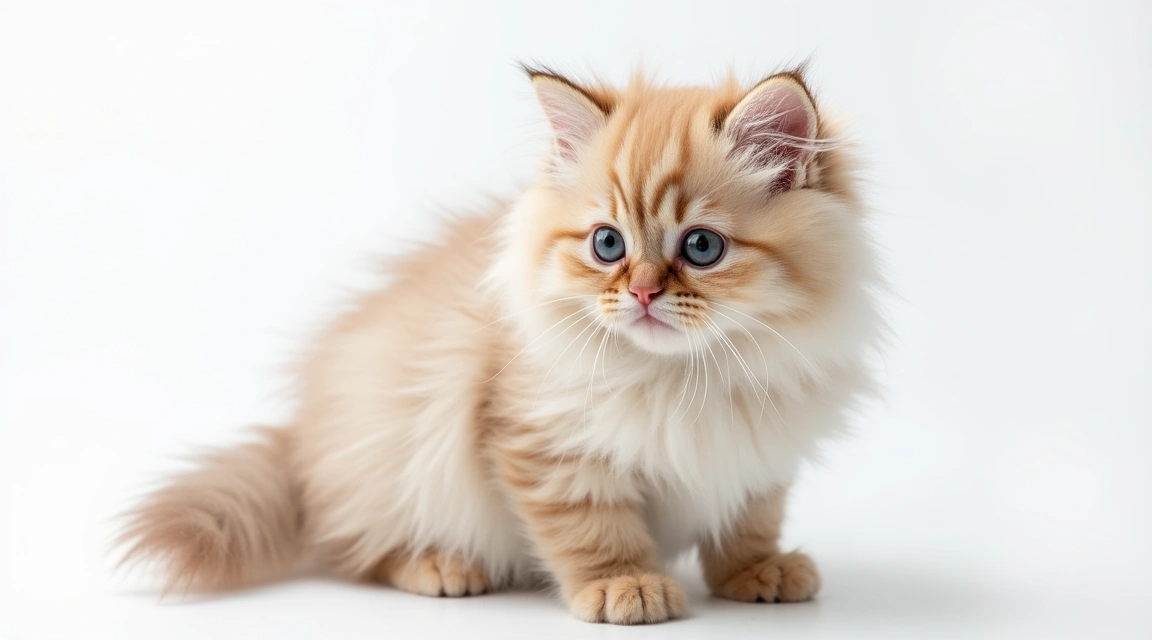
Bringing home a Persian kitten is an exciting experience, but ensuring your new companion is healthy from the start is crucial for a long, happy life together. Persian cats are known for their luxurious coats, flat faces, and gentle temperaments, but these distinctive features also mean they require careful observation to spot signs of good health. Whether you’re visiting a breeder or considering adoption through cat adoption channels, knowing what to look for can help you make an informed decision and set the foundation for proper care.
A healthy Persian kitten displays specific physical characteristics and behaviors that distinguish it from one that may be struggling with underlying health issues. This guide will walk you through the essential signs of wellness, from bright eyes and clean ears to playful energy and proper weight, so you can confidently assess your potential new family member.
Physical Appearance and Coat Condition
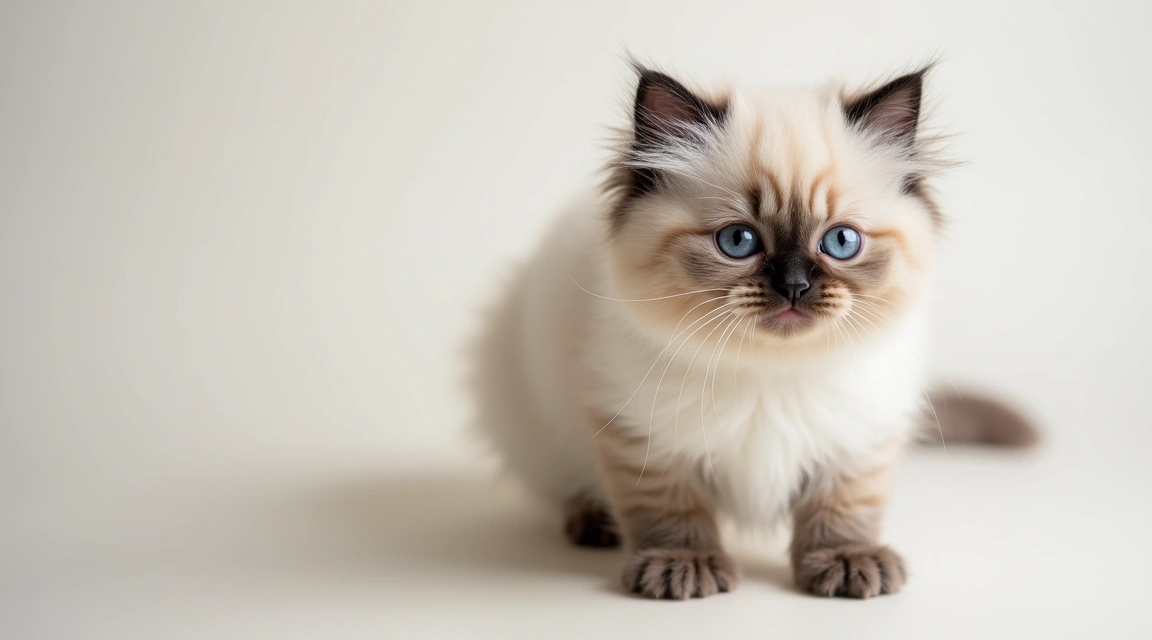
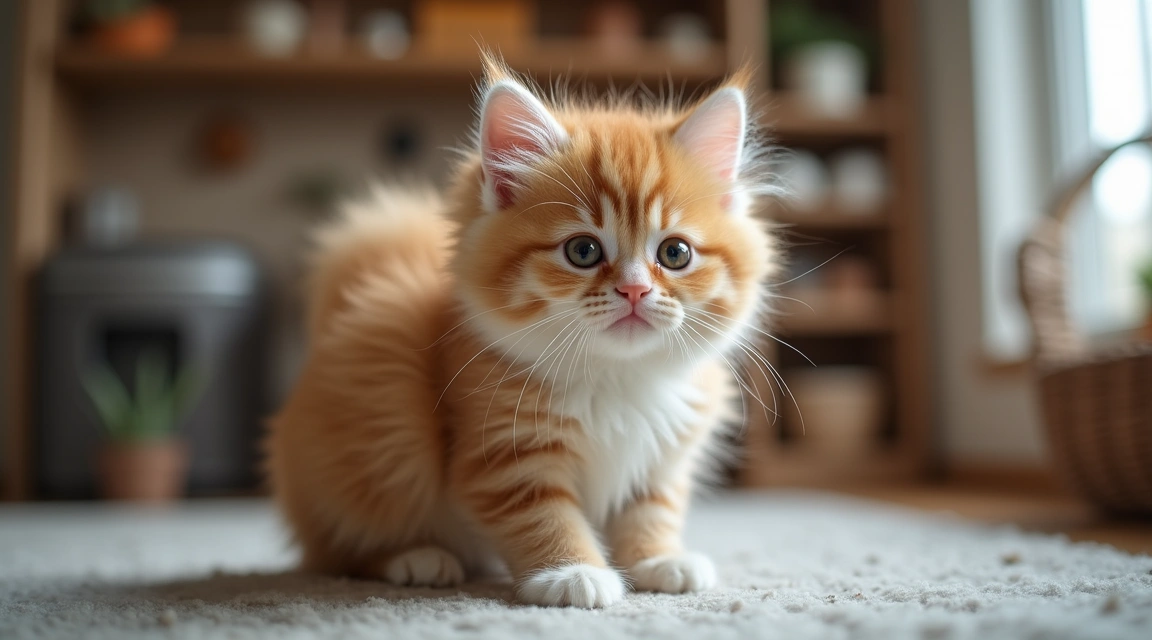
The Persian kitten’s coat is its most recognizable feature, and it serves as an excellent indicator of overall health. A healthy Persian kitten should have a soft, fluffy coat that is clean and free from mats or tangles. While the full adult coat develops over time, even young kittens should show a lustrous appearance without excessive greasiness or dryness.
Check the skin beneath the coat by gently parting the fur. The skin should appear pale pink or match the kitten’s natural pigmentation, with no signs of redness, flaking, or dark specks that might indicate fleas. Healthy skin is supple and moves easily over the body when you gently pinch it, then returns immediately to its normal position, demonstrating good hydration.
The eyes of a Persian kitten require particular attention due to the breed’s brachycephalic (flat-faced) structure. Healthy eyes should be bright, clear, and alert, with no excessive tearing, discharge, or crust buildup in the corners. While Persians naturally experience more tear production than other breeds due to their facial structure, the discharge should be minimal and clear rather than thick, yellow, or green. The third eyelid should not be visible when the kitten is alert and awake.
Examine the ears carefully. They should be clean inside with a light pink color and no strong odor. A small amount of light-colored wax is normal, but dark, crumbly debris or a foul smell may indicate ear mites or infection. The kitten should not shake its head excessively or scratch at its ears, both of which can signal discomfort.
Behavioral and Energy Indicators
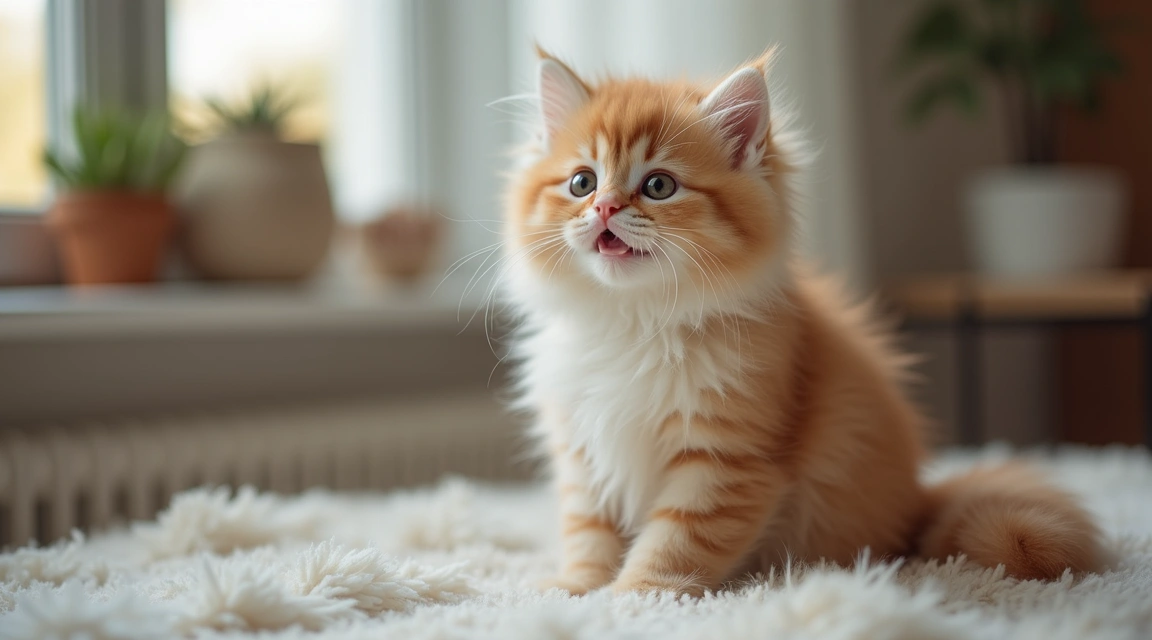
A healthy Persian kitten demonstrates age-appropriate activity levels and curiosity. While Persians tend to be calmer than many other breeds, kittens should still display playfulness, interest in their surroundings, and willingness to interact with people and other animals. Watch for these positive behavioral signs during your visit:
- Alert responsiveness: The kitten should respond to sounds, movements, and gentle handling without appearing lethargic or overly fearful.
- Playful engagement: Healthy kittens exhibit bursts of energy, pouncing on toys, stalking objects, and engaging in typical kitten play behavior.
- Normal gait: Movement should be smooth and coordinated, without limping, favoring one leg, or appearing unsteady.
- Appropriate social behavior: The kitten should not be excessively aggressive or completely withdrawn when approached calmly.
Observe the kitten’s breathing pattern. Breathing should be quiet and effortless, with a regular rhythm. Due to their flat faces, Persians can be prone to respiratory issues, so any wheezing, snorting beyond occasional normal sounds, or open-mouth breathing when at rest warrants closer examination by a veterinarian.
Pay attention to eating and drinking habits if you have the opportunity to observe them. A healthy kitten approaches food with enthusiasm and maintains a regular eating schedule. The kitten should be able to chew and swallow without difficulty. Similarly, water intake should be moderate and regular—excessive thirst can indicate underlying health problems.
Body Condition and Physical Development
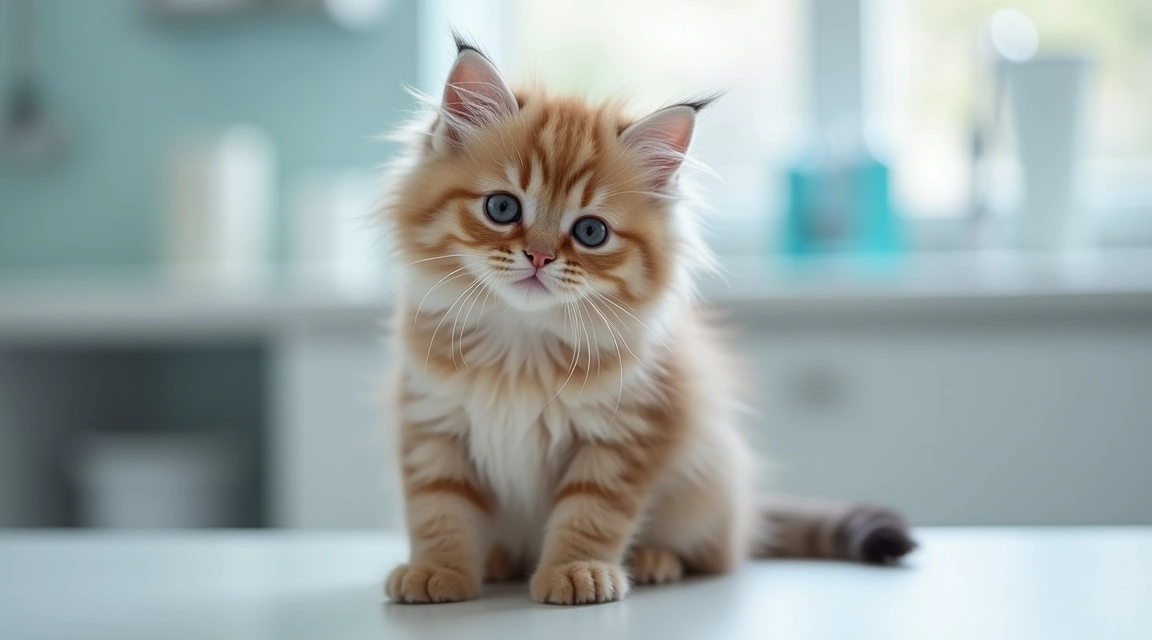
A healthy Persian kitten should feel solid and well-proportioned when you gently pick it up. The body should have appropriate weight for its age—not overly thin with prominent ribs and spine, but also not overweight with no discernible waist. You should be able to feel the ribs with light pressure but not see them prominently outlined.
The kitten’s belly should be slightly rounded but not distended or hard, which could indicate worms or other gastrointestinal issues. Examine the area around the tail and rear end; it should be clean with no signs of diarrhea, excessive redness, or irritation. The tail itself should move freely without stiffness or signs of injury.
Check the mouth and gums by gently lifting the lip. Gums should be pink and moist, not pale, white, or inflamed. The teeth should be white and clean, appropriate for the kitten’s age. Breath should not have a strong or foul odor, though kitten breath has a distinctive mild scent. The nose should be clean with no discharge or crusting, and breathing through the nose should appear comfortable.
Examine the paw pads and claws. Pads should be soft and free from cracks or injuries. Claws should retract normally and not appear overgrown or damaged. The kitten should tolerate gentle handling of its paws, though some initial hesitation is normal in young kittens not yet accustomed to regular handling.
Health Documentation and Veterinary Care
Beyond your own observations, a healthy Persian kitten comes with proper health documentation from a responsible breeder or shelter. Request and review vaccination records showing age-appropriate immunizations. Kittens typically receive their first vaccinations between six and eight weeks of age, with boosters following at specific intervals.
A reputable source will provide documentation of deworming treatments, which should occur at regular intervals starting from a young age. Ask about any health screenings performed, particularly tests relevant to Persian breed predispositions such as polycystic kidney disease (PKD). Responsible breeders often screen parent cats for genetic conditions and can provide test results.
The kitten should have been examined by a licensed veterinarian, with records showing the date of examination and any findings or treatments provided. This veterinary documentation demonstrates that the kitten has received professional health assessment and establishes a medical history you can share with your own veterinarian.
Ask about the kitten’s litter box habits. A healthy kitten should urinate and defecate regularly without straining or showing signs of discomfort. Stools should be well-formed, not consistently loose or containing blood or mucus. Regular, appropriate elimination is a fundamental sign of good digestive and urinary tract health.
Persian Kitten Health Assessment Summary
| Health Category | Positive Signs | Warning Signs |
|---|---|---|
| Eyes | Clear, bright, minimal clear discharge | Yellow/green discharge, cloudiness, visible third eyelid, excessive tearing |
| Coat and Skin | Soft, clean, lustrous fur; pink healthy skin | Mats, greasiness, bald patches, redness, flaking, parasites |
| Ears | Clean, light pink inside, no odor | Dark debris, strong smell, excessive scratching, head shaking |
| Behavior | Playful, alert, curious, responsive | Lethargy, aggression, excessive hiding, uncoordinated movement |
| Body Condition | Well-proportioned, solid feel, appropriate weight | Protruding ribs, distended belly, visible spine, extreme thinness or obesity |
| Breathing | Quiet, regular, effortless through nose | Wheezing, labored breathing, open-mouth breathing at rest |
| Mouth and Nose | Pink gums, clean white teeth, clean nose | Pale gums, foul breath, nasal discharge, crusting |
| Elimination | Regular, well-formed stools, normal urination | Diarrhea, straining, blood in stool or urine, accidents |
Conclusion
Selecting a healthy Persian kitten requires careful observation of physical characteristics, behavior patterns, and proper documentation. The combination of bright eyes, a lustrous coat, appropriate energy levels, good body condition, and complete health records indicates a kitten that has been properly cared for and is ready to thrive in your home.
Remember that even healthy kittens require prompt veterinary examination after adoption. Schedule an appointment with your veterinarian within the first few days of bringing your Persian kitten home to establish care, verify health status, and discuss the specific needs of the breed. Persian cats require regular grooming, attention to facial hygiene due to their flat faces, and monitoring for breed-specific health concerns throughout their lives.
By understanding what constitutes a healthy Persian kitten, you can make an informed decision that leads to years of companionship with a thriving, happy cat. Take your time during the selection process, ask questions, observe carefully, and trust your instincts—a healthy start makes all the difference in your journey together.