
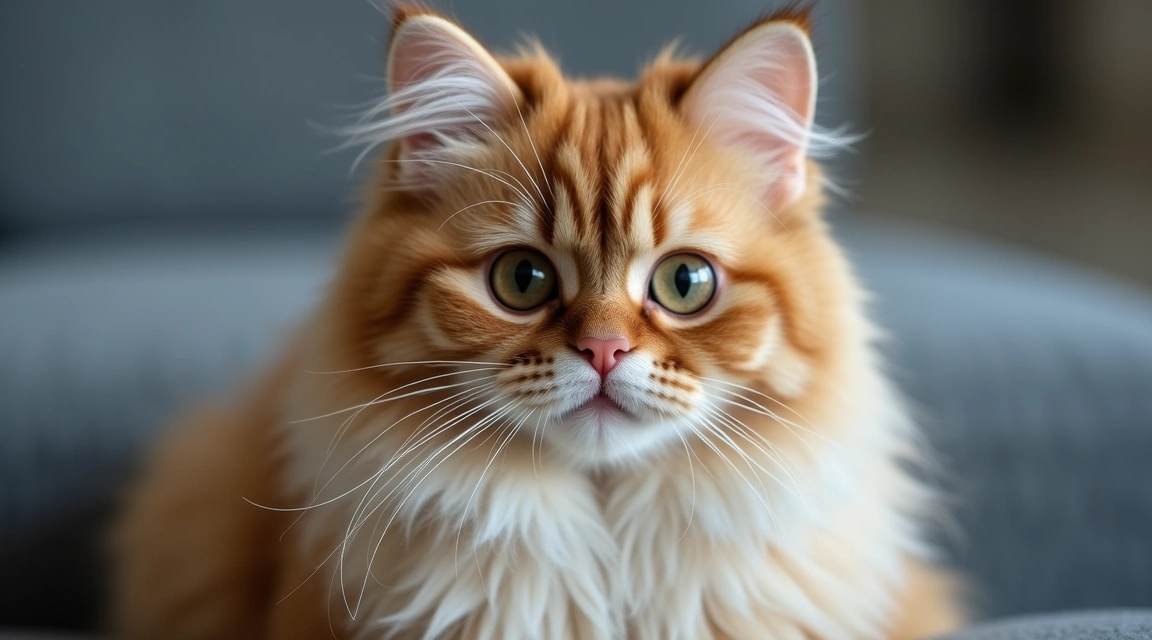
Persian cats are among the most recognizable and beloved cat breeds in the world, known for their luxurious long coats, distinctive flat faces, and calm temperaments. However, prospective owners often underestimate the financial commitment required to properly care for these beautiful felines. Understanding the full scope of Persian cat ownership costs is essential before bringing one home.
Unlike many other cat breeds, Persians require specialized grooming, veterinary care, and maintenance that can significantly impact your budget. From initial adoption fees to ongoing expenses like professional grooming sessions and breed-specific health screenings, the costs add up quickly. This comprehensive guide breaks down every expense category you’ll encounter as a Persian cat owner, helping you make an informed decision about whether this breed fits your financial situation.
Initial Acquisition Costs and Setup Expenses

The first financial hurdle in Persian cat ownership is the acquisition cost itself. Purchasing a Persian kitten from a reputable breeder typically represents a substantial investment. Quality breeders who health-test their cats, provide proper socialization, and offer health guarantees generally charge premium prices. Show-quality Persians with champion bloodlines command even higher prices than pet-quality cats.
Adoption from rescue organizations or shelters offers a more affordable alternative, often including initial veterinary care such as spaying or neutering, vaccinations, and microchipping in the adoption fee. For those specifically interested in cat adoption, this route can significantly reduce upfront costs while providing a home to a cat in need.
Beyond the cat itself, initial setup expenses include essential supplies. You’ll need a sturdy litter box, preferably one with high sides to contain litter scatter, along with a month’s supply of quality litter. Food and water bowls made of ceramic or stainless steel are recommended over plastic, which can harbor bacteria. A comfortable cat bed, scratching posts, and interactive toys round out the basic necessities.
Persian-specific supplies include a wide-toothed metal comb, a slicker brush, and a fine-toothed comb for working through tangles. Many owners also invest in a grooming table to make daily coat maintenance easier. A quality cat carrier is essential for veterinary visits, and consider purchasing a pet-safe hair dryer if you plan to bathe your Persian at home.
Ongoing Grooming and Maintenance Costs

Grooming represents one of the most significant ongoing expenses for Persian cat owners. Their long, dense coats require daily brushing to prevent painful mats and tangles. Neglecting this daily routine can lead to severe matting that requires professional removal or even sedation in extreme cases.
Many Persian owners opt for professional grooming services every four to eight weeks. Professional groomers can perform full grooming sessions that include bathing, blow-drying, complete brushing, eye cleaning, ear cleaning, and nail trimming. The frequency depends on your cat’s coat length, whether you maintain a “pet cut” or full show coat, and your ability to manage daily maintenance at home.
Eye care deserves special attention with Persians due to their facial structure. Their large, prominent eyes and shortened nasal passages lead to excessive tearing and tear staining. Daily wiping of the eye area with veterinarian-approved solutions or wipes prevents staining and infection. Some owners need to clean eye discharge multiple times daily to keep their Persian comfortable.
Litter and litter box maintenance also factor into monthly costs. Persians benefit from low-dust, clumping litters to minimize respiratory irritation and prevent litter from clinging to their long fur. Some owners trim the fur around the back legs and hindquarters to reduce litter tracking and maintain cleanliness.
Veterinary Care and Health-Related Expenses
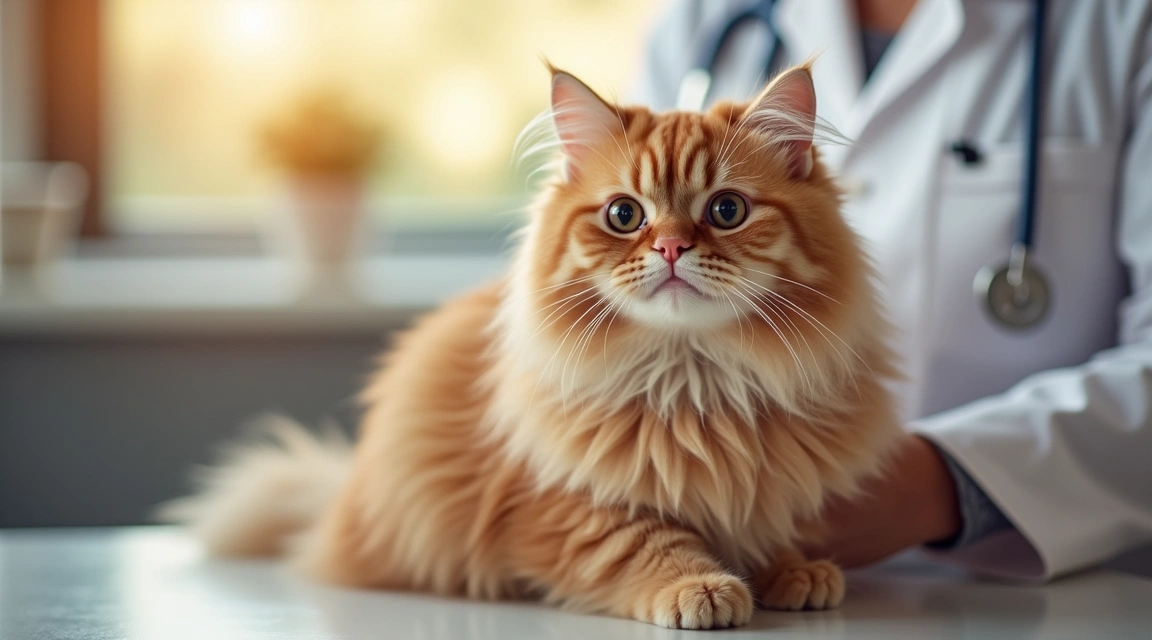
Persian cats have breed-specific health concerns that translate into higher veterinary costs compared to mixed-breed cats. Their brachycephalic (flat-faced) structure predisposes them to respiratory issues, dental problems, and eye conditions. Polycystic kidney disease (PKD) is a genetic condition common in Persians that can lead to kidney failure.
Routine veterinary care includes annual wellness examinations, core vaccinations, fecal testing, and preventive medications for fleas, ticks, and heartworms. Persians may require more frequent veterinary visits for eye examinations, dental cleanings, and monitoring of chronic conditions. Dental disease develops quickly in brachycephalic breeds due to tooth crowding, making regular dental cleanings under anesthesia necessary for many Persians.
Breathing difficulties associated with their facial structure sometimes require specialized care or even surgical intervention in severe cases. Heat sensitivity is another concern, as Persians struggle to cool themselves efficiently through panting. Air conditioning during warm months isn’t just comfort—it’s a health necessity for this breed.
Pet insurance can help manage unexpected veterinary costs, though policies vary widely in coverage, deductibles, and exclusions for pre-existing conditions or breed-specific issues. Many policies exclude hereditary conditions or impose waiting periods, so research thoroughly before selecting a plan. Some owners prefer setting aside a dedicated emergency fund rather than purchasing insurance.
Nutrition and Dietary Considerations
Persian cats require high-quality nutrition to maintain their luxurious coats and overall health. Premium cat foods formulated for long-haired breeds often contain added omega fatty acids for coat health and specialized fiber blends to reduce hairballs—a common issue for Persians due to self-grooming.
Some Persians have sensitive digestive systems or food allergies that necessitate prescription diets or limited-ingredient foods, which cost more than standard commercial options. The flat facial structure can also make eating challenging for some Persians, leading owners to invest in shallow dishes or specialized food bowls designed for brachycephalic breeds.
Wet food is often recommended to increase hydration and support kidney health, particularly important given the breed’s predisposition to kidney disease. This typically costs more than dry food alone. Fresh, clean water should always be available, and some owners use filtered water fountains to encourage drinking.
Treats and supplements represent additional costs. Many Persian owners provide hairball remedies or supplements supporting coat, skin, joint, or kidney health. While not always necessary, these products can address specific needs under veterinary guidance.
Environmental and Lifestyle Expenses
Creating a Persian-friendly home environment involves ongoing costs beyond basic supplies. These cats thrive indoors due to their limited heat tolerance, grooming needs, and generally docile nature. Climate control, particularly air conditioning in warm climates, becomes an essential utility expense rather than a luxury.
Cat furniture like towers, perches, and scratching posts requires periodic replacement as items wear out. Persians enjoy elevated spaces for observation but aren’t as athletically inclined as some breeds, so furniture doesn’t need to be extremely tall or complex. However, quality pieces that accommodate their weight comfortably and provide stable resting spots are worthwhile investments.
Many Persian owners invest in air purifiers to manage dander and improve air quality, particularly important if anyone in the household has allergies. Regular replacement of HEPA filters adds to ongoing expenses. Additionally, Persian owners often spend more on lint rollers, vacuum cleaner bags or filters, and cleaning supplies to manage the considerable shedding.
If you travel frequently, you’ll need to budget for pet sitting or boarding. Persians require care providers familiar with their grooming needs and willing to maintain daily brushing routines. Specialized cat boarding facilities or experienced pet sitters command higher rates than standard services.
Cost Summary and Budget Planning
| Expense Category | Initial Cost Range | Monthly/Annual Ongoing |
|---|---|---|
| Acquisition (Breeder) | Varies significantly by breeder quality and bloodline | One-time |
| Acquisition (Rescue/Shelter) | Lower than breeder, often includes initial vet care | One-time |
| Initial Supplies | Basic necessities plus grooming tools | One-time |
| Food (Premium) | — | Monthly expense, varies by brand |
| Litter and Supplies | — | Monthly expense |
| Professional Grooming | — | Every 4-8 weeks |
| Routine Veterinary Care | Initial vaccines/exam | Annual wellness exams, vaccines |
| Preventive Medications | — | Monthly flea/tick/heartworm prevention |
| Pet Insurance (Optional) | — | Monthly premiums |
| Emergency/Unexpected Care | — | Variable; emergency fund recommended |
| Grooming Supplies | Combs, brushes, eye wipes | Replacement as needed |
| Environmental (AC, purifiers) | Initial equipment | Increased utilities, filter replacement |
Making the Financial Decision
Persian cat ownership represents a significant long-term financial commitment that extends far beyond the initial purchase price. Prospective owners must honestly assess whether they can provide not just the monetary resources but also the time commitment required for daily grooming and attentive care throughout the cat’s lifetime, which often spans twelve to seventeen years.
The breed’s specific needs mean that cutting corners on grooming, veterinary care, or nutrition can lead to serious health and welfare issues. Matted coats cause pain and skin infections, while neglected eye care can result in chronic infections or corneal damage. Choosing a Persian means accepting responsibility for meeting these specialized needs consistently.
For those who can meet the financial and time requirements, Persian cats offer wonderful companionship. Their calm, affectionate personalities make them excellent indoor companions, and their dignified presence brings joy to many households. However, potential owners should enter the relationship with realistic expectations about the investment required.
Before committing, consider creating a detailed budget that accounts for both predictable expenses and an emergency fund for unexpected veterinary needs. Speak with Persian owners about their experiences, visit breeders or rescues to interact with the breed, and consult with a veterinarian about typical health concerns and associated costs. This preparation ensures you can provide your Persian with the quality care this magnificent breed deserves throughout its life.