
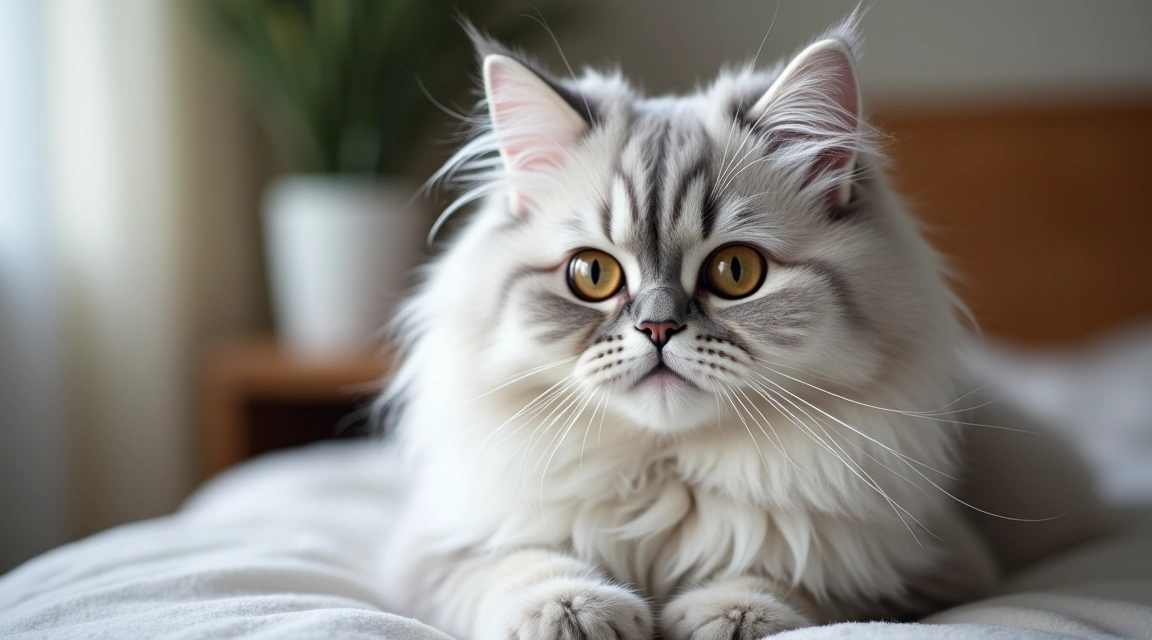
Silver Persian cats captivate cat lovers with their shimmering coats and gentle personalities. These elegant felines combine the classic Persian breed’s sweet temperament with a stunning silver coloration that ranges from pale platinum to darker charcoal tones. If you’re considering bringing a silver Persian into your home, understanding their unique characteristics and care requirements will help you provide the best possible environment for this beautiful breed.
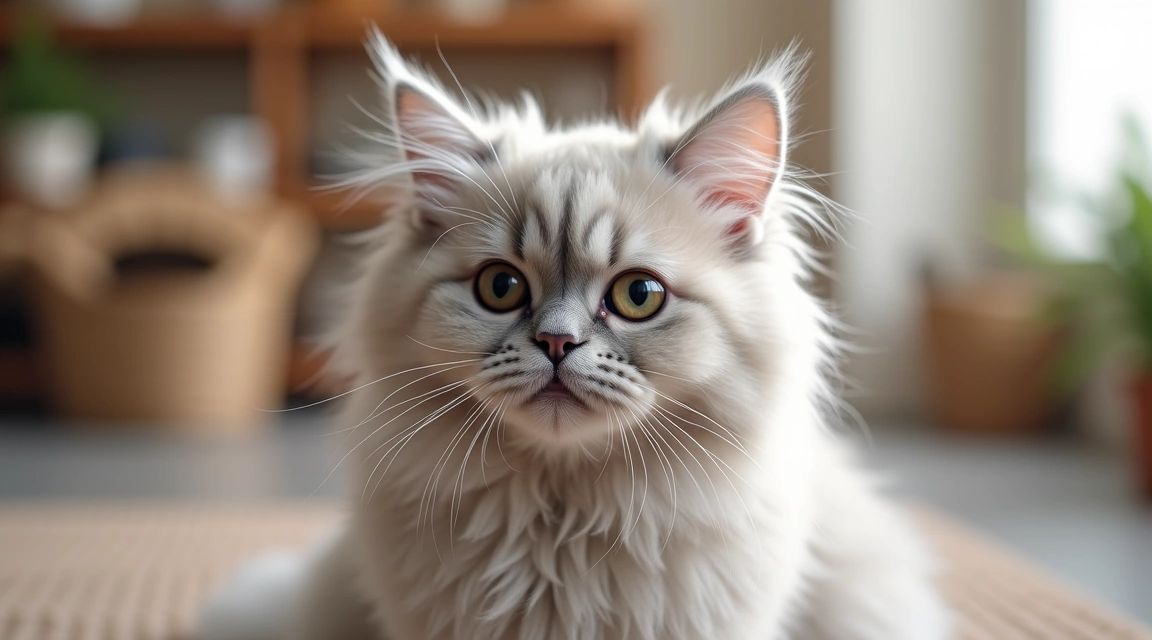
Silver Persians are not a separate breed but rather a color variation of the Persian cat. Their distinctive coat features a white undercoat with black tipping that creates the signature silver effect. This gorgeous appearance requires dedicated grooming and attention, but many owners find the effort worthwhile when they share their lives with these affectionate companions.
Understanding Silver Persian Cat Characteristics
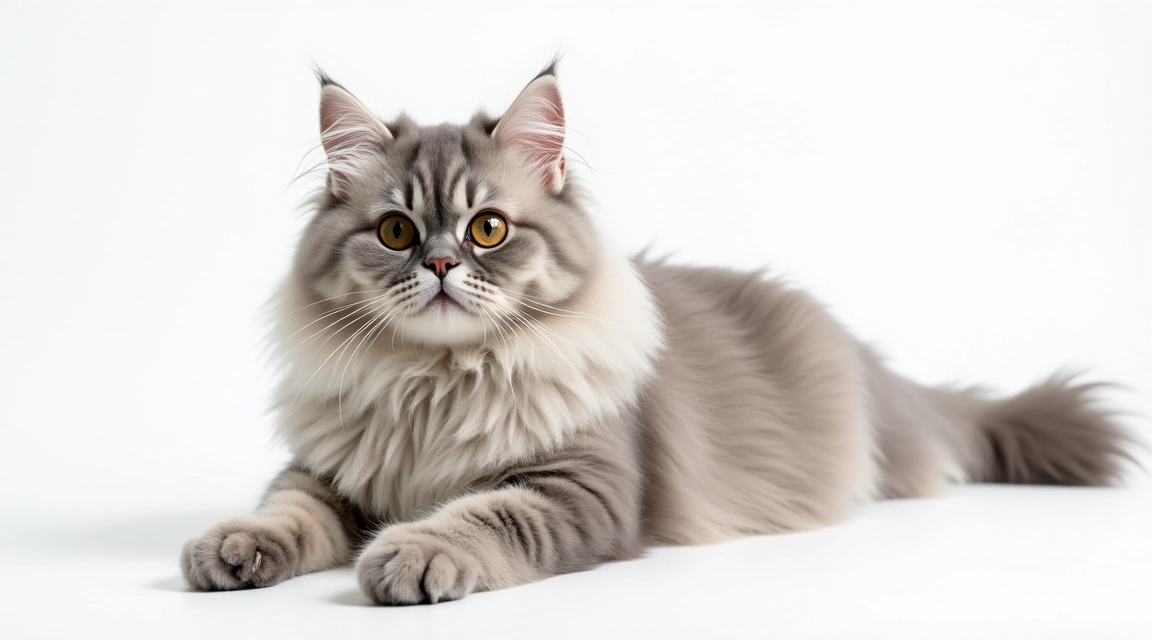
Silver Persian cats possess several distinctive physical and personality traits that set them apart from other cat breeds. Recognizing these characteristics helps you determine whether this breed suits your lifestyle and living situation.
Step 1: Examine the coat variations. Silver Persians come in several recognized patterns, including chinchilla silver, shaded silver, and silver tabby. Chinchilla silver cats display minimal tipping on each hair strand, creating a sparkling white appearance. Shaded silver Persians have more pronounced tipping that creates a darker mantle over their back and sides. Silver tabby Persians show distinct striped or marbled patterns in silver and black.
Caution: Not all gray Persian cats are true silver Persians. Blue Persians have a solid gray coat without the white undercoat and black tipping that defines the silver coloration.
Step 2: Observe their facial structure. Like all Persians, silver varieties have a distinctive flat face with a short nose, round eyes, and small ears set wide apart. Their eyes are typically green or blue-green in chinchilla and shaded varieties, which contrasts beautifully with their silver coat. This brachycephalic face shape contributes to their sweet expression but also requires special health considerations.
Caution: The flat face can cause breathing difficulties and tear duct problems. Regular face cleaning and monitoring for respiratory issues are essential.
Step 3: Assess their temperament. Silver Persians generally display the calm, gentle personality typical of all Persian cats. They enjoy quiet environments and form strong bonds with their family members. These cats prefer lounging on comfortable surfaces to vigorous play, making them ideal companions for peaceful households. They typically get along well with respectful children and other pets when properly introduced.
Caution: Silver Persians are not highly active cats. If you want an energetic, playful companion, consider a more athletic breed instead.
For more information about different cat breeds and their unique characteristics, explore our comprehensive breed guides.
Daily Grooming and Maintenance Requirements
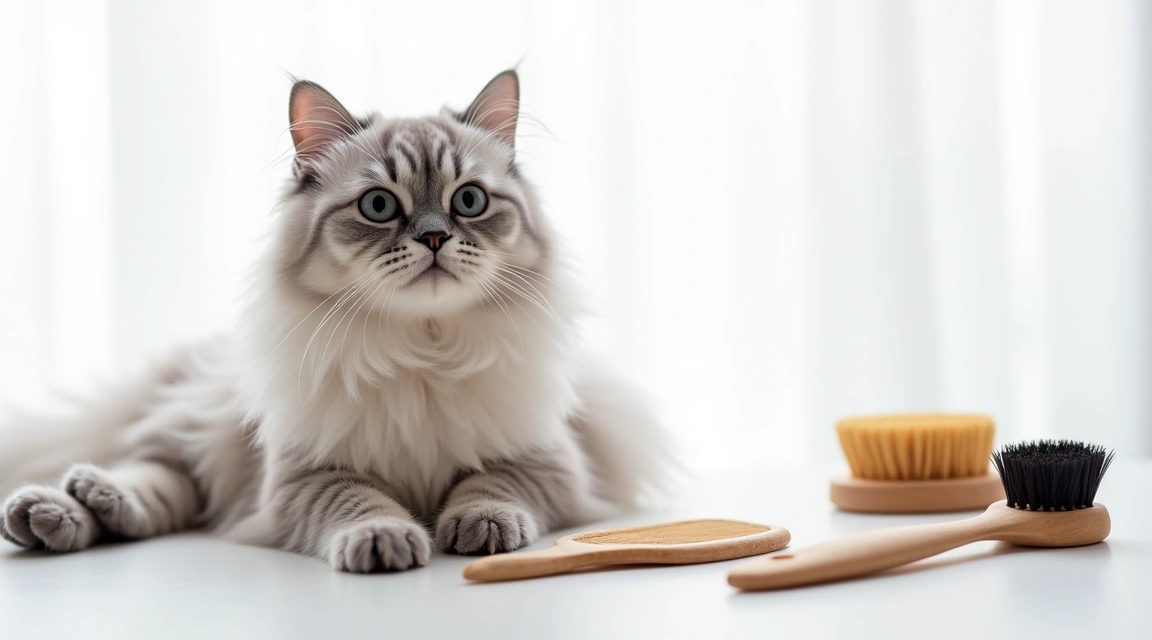
Silver Persian cats demand significant grooming commitment due to their long, dense coats. Establishing a consistent grooming routine keeps your cat comfortable and prevents serious health problems.
Step 4: Brush the coat daily. Use a metal comb with wide and narrow teeth to work through your silver Persian’s coat from skin to tip. Start at the head and work backward, gently removing tangles and loose hair. Pay special attention to areas prone to matting, including behind the ears, under the legs, and around the tail. Daily brushing prevents painful mats that can pull on the skin and create infection risks.
Caution: Never cut out mats with scissors, as you risk cutting your cat’s skin. If mats become severe, consult a professional groomer or veterinarian.
Step 5: Clean the face daily. Persian cats’ flat faces create skin folds where tears and debris accumulate. Use a soft, damp cloth or pet-safe facial wipe to gently clean around the eyes and nose every day. This prevents tear staining that can discolor the white areas of your silver Persian’s face and reduces the risk of bacterial infections in the facial folds.
Caution: Use only products specifically designed for cats. Human facial cleansers can irritate your cat’s sensitive skin and eyes.
Step 6: Maintain proper hygiene. Trim your silver Persian’s nails every two to three weeks using cat-specific nail clippers. Check and clean the ears weekly with a veterinarian-approved ear cleaner. Brush the teeth several times per week with cat toothpaste to prevent dental disease. Some silver Persians need occasional sanitary trims around their rear end to prevent fecal matter from sticking to their long fur.
Caution: If you’re uncomfortable performing any grooming tasks, schedule regular appointments with a professional groomer who has Persian cat experience.
Bathing should occur every four to six weeks to keep the coat clean and reduce oil buildup. Use a high-quality cat shampoo formulated for white or light-colored coats to maintain the brightness of your silver Persian’s coloration. Always thoroughly dry the coat after bathing, as dampness can lead to skin problems and mat formation.
Health Considerations and Veterinary Care
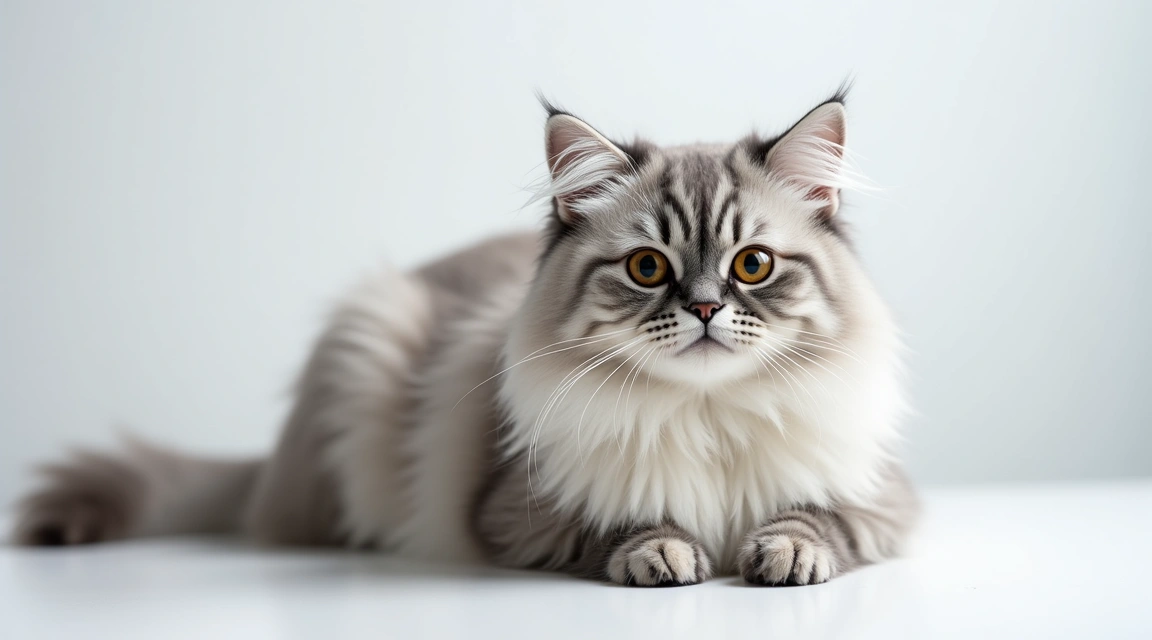
Silver Persian cats share the health concerns common to all Persian cats. Understanding these potential issues helps you provide proactive care and recognize problems early.
Polycystic kidney disease (PKD) affects many Persian cats. This inherited condition causes fluid-filled cysts to develop in the kidneys, potentially leading to kidney failure. Responsible breeders test their breeding cats for PKD to reduce the risk. When selecting a silver Persian kitten, ask the breeder for proof of PKD-negative parents.
Progressive retinal atrophy (PRA) is another genetic condition that can affect Persians. This degenerative eye disease gradually causes vision loss. Again, reputable breeders screen for this condition and avoid breeding affected cats.
The brachycephalic face structure creates several health challenges. Many silver Persians experience breathing difficulties, especially during exercise or in hot weather. They may snore or breathe noisily during sleep. Keep your Persian in a climate-controlled environment and avoid excessive heat exposure.
Tear duct abnormalities commonly occur in flat-faced cats. The shortened facial structure prevents tears from draining properly, causing them to overflow onto the face. This creates brown tear stains and increases infection risk. Daily face cleaning helps manage this ongoing issue.
Dental problems develop frequently in Persian cats due to their jaw structure. The shortened face sometimes causes teeth to crowd or misalign, creating areas where food particles and bacteria accumulate. Regular dental care and professional cleanings help prevent periodontal disease.
Hairballs present a significant concern for long-haired cats. Despite daily grooming, silver Persians ingest substantial amounts of hair during self-grooming. This can form blockages in the digestive tract. Feed a high-quality diet with adequate fiber, provide hairball remedies as needed, and watch for signs of intestinal obstruction such as repeated vomiting or constipation.
Nutrition and Feeding Guidelines
Proper nutrition supports your silver Persian’s health, coat quality, and overall wellbeing. Choose a complete and balanced cat food appropriate for your cat’s life stage.
Select foods formulated specifically for Persian cats when available. These diets often contain nutrients that support coat health, such as omega-3 and omega-6 fatty acids. The kibble shape in dry Persian formulas is designed to accommodate their facial structure and encourage chewing that supports dental health.
Protein should be the primary ingredient in your silver Persian’s diet. Cats are obligate carnivores requiring animal-based protein for optimal health. Look for named meat sources like chicken, turkey, or fish listed first on the ingredient panel.
Monitor your cat’s weight carefully. Persians tend toward obesity due to their sedentary nature. Measure food portions according to package guidelines based on your cat’s ideal weight, not their current weight if they’re overweight. Divide daily portions into two or three meals rather than free-feeding.
Provide fresh, clean water at all times. Some Persian cats prefer drinking from wide, shallow bowls that don’t touch their facial fur. Cat water fountains encourage increased water intake, which supports kidney and urinary tract health.
Creating an Ideal Living Environment
Silver Persian cats thrive in calm, stable home environments. Their temperament and care needs influence the type of living situation that works best.
These cats adapt well to apartment living provided they have vertical spaces to climb and comfortable resting spots. Install cat trees, shelves, or window perches where your silver Persian can observe their surroundings from a secure vantage point. Persians appreciate warm, sunny spots for napping.
Maintain a consistent temperature in your home. Persian cats are sensitive to temperature extremes due to their breathing limitations and thick coat. Keep the environment comfortably cool and ensure adequate air circulation without direct drafts on resting areas.
Provide multiple litter boxes in quiet locations. The general rule suggests one box per cat plus one extra. Use large boxes with low sides for easy access, as Persians sometimes have difficulty navigating high-sided boxes. Scoop daily and completely change litter weekly to maintain the cleanliness these fastidious cats prefer.
Silver Persians benefit from environmental enrichment despite their calm nature. Offer interactive toys, puzzle feeders, and regular play sessions to provide mental stimulation and prevent boredom. Rotate toys regularly to maintain interest.
Common Mistakes Silver Persian Cat Owners Make
New owners often encounter preventable problems when they underestimate the care requirements or misunderstand breed characteristics. Avoiding these common errors improves your cat’s quality of life.
Underestimating grooming time commitment: Many people choose silver Persians for their beauty without realizing the daily grooming demands. Skipping even a few days of brushing leads to painful mats that require professional removal. Before bringing a silver Persian home, honestly assess whether you can commit 15-30 minutes daily to grooming.
Ignoring early health warning signs: Persian cats sometimes hide discomfort or illness. Owners may dismiss subtle breathing changes, decreased appetite, or lethargy as normal for the breed. Establish baseline behaviors when your cat is healthy so you can recognize deviations that warrant veterinary attention.
Choosing appearance over health: When selecting a kitten, some buyers prioritize extreme facial flatness without considering health implications. Cats with more moderate facial features typically experience fewer breathing problems and tear duct issues while retaining the Persian’s sweet expression. Responsible breeders prioritize health alongside breed standards.
Neglecting dental care: Many cat owners skip dental hygiene until problems develop. By then, significant disease may have occurred. Start tooth brushing when your silver Persian is young to establish the routine. If your adult cat resists brushing, explore dental treats, water additives, or professional cleanings.
Improper socialization: While Persian cats are naturally gentle, they still benefit from early positive experiences with handling, grooming, and various household situations. Kittens not properly socialized may become anxious or resistant to necessary care procedures. Handle your kitten gently and frequently, rewarding cooperation during grooming sessions.
Skipping genetic health testing: Purchasing from breeders who don’t conduct health screenings increases the risk of genetic diseases. Always request documentation that breeding cats have been tested for PKD and PRA. Reputable breeders willingly provide this information and health guarantees.
Finding a Responsible Silver Persian Breeder
The source of your silver Persian significantly impacts their long-term health and temperament. Identifying ethical breeders protects you from supporting kitten mills or irresponsible breeding practices.
Responsible breeders conduct genetic health testing on all breeding cats and provide documentation of results. They raise kittens in their home environment with abundant socialization and handling. Quality breeders ask potential buyers questions about their lifestyle, experience, and plans for the cat’s care because they prioritize proper placement.
Visit the breeder’s facility if possible. Observe the conditions where cats and kittens live. The environment should be clean, spacious, and enriching. Adult cats should appear healthy, well-groomed, and friendly. Avoid breeders who always have kittens available, maintain multiple breeds, or pressure you to make quick decisions.
Expect to join a waiting list for well-bred silver Persian kittens. Quality breeders typically produce limited litters and have interested buyers before kittens arrive. This wait ensures you receive a healthy, well-socialized kitten rather than supporting mass production.
Request references from previous buyers and contact them about their experiences. Ask about the health of cats they purchased, the breeder’s support after purchase, and whether any genetic problems emerged as the cat matured.
Cost Considerations for Silver Persian Ownership
Silver Persian cats represent a significant financial commitment extending beyond the initial purchase price. Understanding the full scope of costs helps you budget appropriately for your cat’s lifetime care.
Well-bred silver Persian kittens from health-tested parents typically cost more than average due to the breeder’s investment in health screening, quality care, and selective breeding. This initial cost pays dividends through reduced genetic disease risk and proper early socialization.
Ongoing expenses include high-quality cat food, regular grooming supplies such as combs and brushes, and professional grooming services if you need assistance. Many silver Persian owners schedule professional grooming every six to eight weeks for bathing, nail trimming, and coat maintenance.
Veterinary care costs include annual wellness examinations, vaccinations, parasite prevention, and dental cleanings. Persian cats may require more frequent veterinary visits due to breed-specific health monitoring. Set aside funds for unexpected medical emergencies, as treatment for conditions like urinary blockages or respiratory infections can be substantial.
Pet insurance offers one approach to managing healthcare costs. Review policies carefully to understand coverage for breed-specific conditions and pre-existing problems. Some owners prefer establishing a dedicated savings account for veterinary expenses instead.
Summary
Silver Persian cats offer devoted companionship wrapped in a stunning coat that shimmers like precious metal. Their gentle temperament and affectionate nature make them wonderful family members for households that appreciate a calm, dignified feline presence. However, these beautiful cats require significant daily grooming, face special health considerations due to their facial structure, and need owners committed to providing attentive care throughout their lifetime.
Success with a silver Persian begins with selecting a healthy, well-bred kitten from a responsible breeder who conducts genetic health testing. Establish daily grooming routines immediately, maintain regular veterinary care, provide appropriate nutrition, and create a peaceful home environment suited to the breed’s personality. When you meet these needs consistently, your silver Persian will reward you with years of loving companionship and the daily pleasure of admiring one of the cat world’s most elegant breeds.