
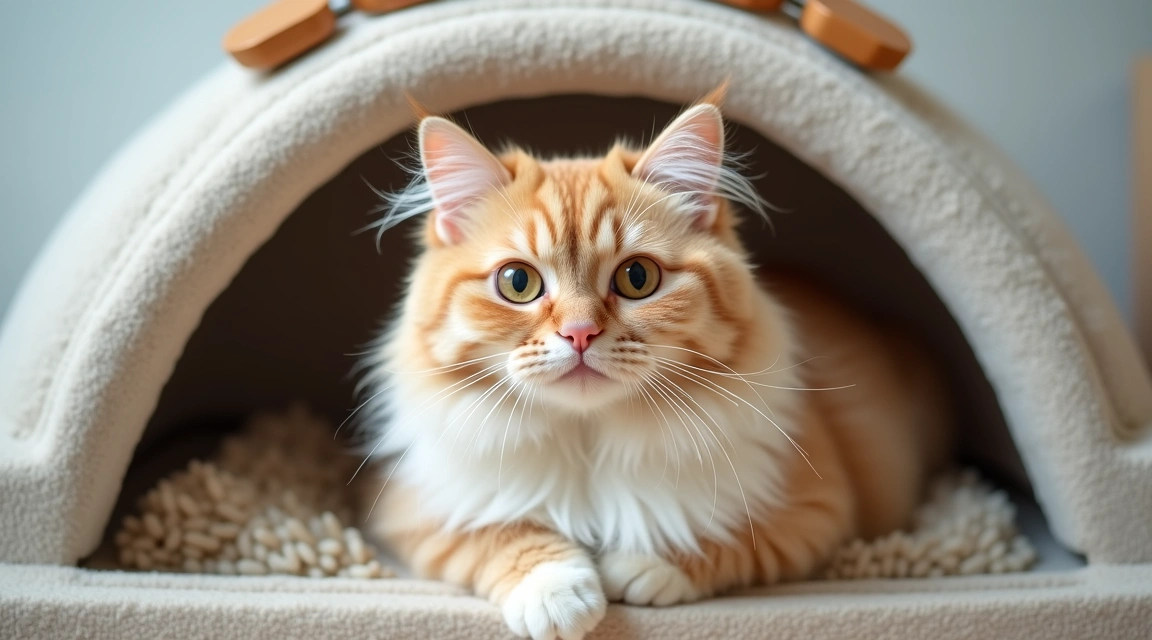
Persian cats are beloved for their luxurious coats and gentle personalities, but their unique physical features require special attention when it comes to litter box care. With their flat faces, long fur, and sometimes sensitive temperaments, Persian cats need a thoughtfully chosen and maintained litter box setup. This guide walks you through everything you need to know to create a comfortable, hygienic bathroom experience for your Persian companion.
The right litter box arrangement can prevent common problems like messy paws, litter tracking, and bathroom avoidance. Persian cats often appreciate cleanliness more than other breeds, and their long coats can trap litter particles, making your choice of box and litter particularly important. Let’s explore practical steps to set up and maintain an ideal litter box environment for your Persian cat.
Step 1: Choose the Right Size and Style of Litter Box

Persian cats typically need a larger litter box than you might expect. Look for a box that measures at least one and a half times your cat’s length from nose to tail base. This extra space allows your Persian to turn around comfortably and dig without feeling cramped.
Consider a box with lower entry sides, especially if your Persian is older or has shorter legs. Many Persian cats prefer easy access rather than having to climb over high walls. A side entrance height of three to four inches works well for most adult Persians.
Open-top boxes generally work better than covered ones for Persian cats. Their flat faces can make breathing slightly more difficult in enclosed spaces, and good ventilation helps prevent litter dust from accumulating. Open boxes also let you monitor your cat’s bathroom habits more easily.
Caution: Avoid boxes with electronic sensors or automatic mechanisms near your Persian’s head level, as these can startle cats with flat facial features who may have slightly reduced peripheral vision.
Step 2: Select Low-Dust, Non-Clumping Litter
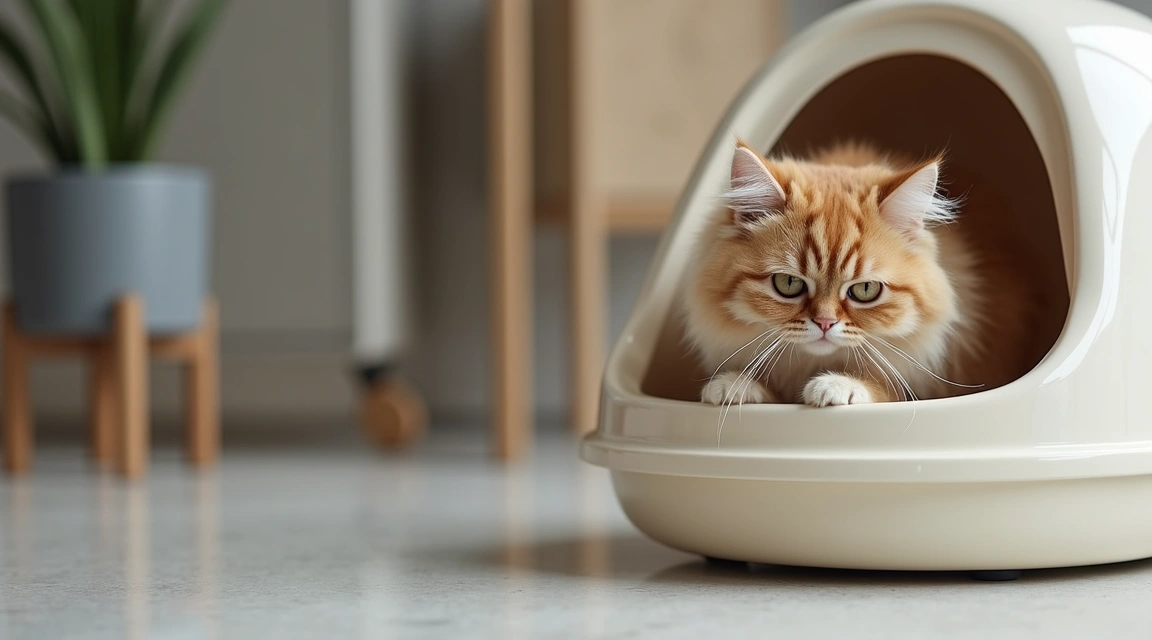
Persian cats benefit from low-dust litter formulas. Their flat faces mean their eyes and noses are closer to the litter surface, increasing exposure to any dust particles that rise when they dig or cover their waste.
Many Persian owners find success with crystal silica litters or paper-based products, which typically produce minimal dust. If you prefer clumping clay, choose premium brands labeled as low-dust and pour slowly to minimize airborne particles.
Fill the box with about two to three inches of litter. This depth gives your Persian enough material to satisfy their digging instinct without creating excessive mess. Too much litter can stick to long fur, while too little may not adequately cover odors.
Test different types if your Persian shows reluctance to use the box. Some cats have texture preferences, and switching from clay to silica or paper might resolve avoidance issues. Make any changes gradually by mixing old and new litter over several days.
Caution: Scented litters can overwhelm sensitive cats. Start with unscented options, as Persian cats may find strong fragrances unpleasant, leading them to avoid the box entirely.
Step 3: Place the Box in a Quiet, Accessible Location
Position your Persian’s litter box in a calm area away from loud appliances like washing machines or furnaces. Persian cats often prefer privacy but need to feel safe and not trapped. Avoid small closets or tight corners where your cat might feel cornered.
Keep the box away from your Persian’s food and water bowls. Cats naturally prefer separation between their eating and bathroom areas. A distance of at least several feet helps maintain this instinctive boundary.
For multi-level homes, place at least one box on each floor your Persian regularly visits. This prevents accidents when your cat can’t reach their bathroom area quickly enough, which is especially important as Persian cats age.
Ensure the path to the litter box remains clear of obstacles. Persian cats with their long fur may be less agile than short-haired breeds, so remove any items they might need to jump over or squeeze past.
Caution: Never place a litter box near heating vents or in direct sunlight, as heat can intensify odors and make the area uncomfortable for your Persian.
Step 4: Maintain a Strict Cleaning Schedule
Scoop your Persian’s litter box at least once daily, preferably twice. Persian cats are fastidious about cleanliness, and a dirty box is one of the most common reasons they’ll find alternative bathroom spots in your home.
Completely empty and wash the entire box weekly. Use mild, unscented dish soap and warm water, then dry thoroughly before refilling. Harsh chemicals or strong-smelling cleaners may leave residues that deter your Persian from using the box.
Replace the entire box every six to twelve months, as plastic develops scratches that harbor bacteria and create persistent odors even after cleaning. Signs you need a new box include visible scratches on the bottom or lingering smells that don’t disappear after washing.
Keep a supply of extra litter on hand so you’re never tempted to under-fill the box between shopping trips. Consistent depth and cleanliness help your Persian maintain good bathroom habits.
Caution: Wearing gloves while scooping protects both you and your Persian from potential parasites. Always wash hands thoroughly after handling litter, even when wearing gloves.
Step 5: Manage Long Fur Around the Litter Box
Persian cats’ magnificent coats require extra attention when it comes to litter box hygiene. Keep the fur around your Persian’s rear end and back legs trimmed short, especially during warmer months. This “sanitary trim” prevents litter from clinging and makes cleanup easier for both of you.
Place a large litter mat directly outside the box entrance. Choose a mat with deep grooves or raised nubs that catch litter particles as your Persian steps out. This significantly reduces the amount of litter tracked through your home.
Gently wipe your Persian’s paws with a damp cloth or unscented pet wipe after they use the box, especially if you notice litter stuck between their toe pads. Make this a calm, positive experience by offering a small treat afterward.
Brush your Persian daily to prevent mats and tangles, paying special attention to the areas that might contact litter. A well-groomed coat is less likely to trap and carry litter particles throughout your home.
Caution: Never use human baby wipes on your cat’s paws or fur, as some contain ingredients that are toxic to cats if ingested during grooming. Only use products specifically formulated for felines.
Step 6: Monitor Your Persian’s Bathroom Behavior
Watch for changes in how often your Persian uses the litter box. Increased urination or straining can indicate health issues that require veterinary attention. Persian cats can be prone to kidney and urinary problems, making observation crucial.
Notice whether your Persian scratches vigorously before and after using the box. Excessive digging might mean they’re trying to cover an odor from insufficient cleaning, or they dislike the litter texture. Minimal covering could signal joint discomfort or dissatisfaction with the litter.
If your Persian starts eliminating outside the box, first rule out medical causes with your veterinarian. Once health issues are excluded, evaluate the box setup: cleanliness, location, litter type, and box size. Often, adjusting one of these factors resolves the problem.
Keep a log if bathroom issues occur, noting when accidents happen, what your Persian ate that day, and any household changes. Patterns often emerge that help identify triggers, whether stress-related or environmental.
Caution: Punishing a cat for bathroom accidents always makes the problem worse. Persian cats are sensitive, and negative reactions create anxiety that leads to more avoidance behavior.
Common Mistakes Persian Cat Owners Make
One frequent error is choosing a litter box that’s too small. Even though Persian cats aren’t particularly large, their long fur requires extra space to avoid trailing through waste. Compact boxes designed for apartments often don’t provide adequate room for a Persian to maneuver comfortably.
Many owners also underestimate how much their Persian’s coat will interact with litter. Using fine-grain clay litters without addressing grooming needs leads to constant tracking and discomfort for your cat. Pairing the right litter with regular fur maintenance prevents this issue.
Placing the litter box in a basement or garage might seem practical, but Persian cats may avoid these areas if they feel too isolated or if temperature extremes make the space uncomfortable. Your cat needs to feel safe and willing to make the trip to their bathroom area.
Waiting too long between complete litter changes is another common problem. Even with daily scooping, litter breaks down and retains odors. Persian cats often refuse to use a box that smells stale to them, even if it looks relatively clean to you.
Finally, some owners switch litter types too frequently trying to find the perfect option. While experimentation is good, changing brands every few days can stress your Persian and cause them to avoid the box out of uncertainty. Test each type for at least a week before making another change.
For additional guidance on keeping your Persian healthy and comfortable, visit our Cat Care Tips section for more breed-specific advice.
Creating a Long-Term Litter Box Success Plan
Consistency is key when maintaining a litter box routine for your Persian cat. Once you’ve found a setup that works—the right box size, litter type, location, and cleaning schedule—stick with it. Persian cats thrive on predictability, and maintaining their bathroom routine reduces stress.
Consider keeping a dedicated supply closet near the litter box area. Stock it with extra litter, replacement boxes, cleaning supplies, grooming tools, and paw wipes. Having everything in one place makes daily maintenance faster and helps you stay consistent even during busy periods.
If you have multiple Persian cats, follow the general guideline of one box per cat plus one extra. Place boxes in different rooms rather than side by side, as some cats prefer not to share immediate bathroom space even when boxes are clean.
Budget for regular litter box expenses as part of your Persian cat care. Quality low-dust litter, replacement boxes, effective mats, and grooming tools are ongoing costs, but they prevent larger problems like damaged carpets or veterinary bills from stress-related health issues.
As your Persian ages, be prepared to adjust the setup. Senior cats may need boxes with even lower sides, softer litter, or boxes placed closer to their favorite resting spots. Arthritis and reduced mobility are common in older Persians, and accommodating these changes keeps them comfortable.
Review your litter box setup every few months. Ask yourself whether your Persian is using it consistently, whether you’re maintaining your cleaning schedule, and whether any household changes might be affecting your cat’s comfort. Small adjustments now prevent bigger behavioral problems later.
Remember that every Persian cat is an individual with unique preferences. The steps outlined here provide a strong foundation, but pay attention to what your specific cat tells you through their behavior. A Persian who consistently uses their litter box without hesitation shows you’ve created the right environment for their needs. With patience, observation, and regular maintenance, you can ensure your Persian cat enjoys a clean, comfortable bathroom experience for years to come.