

Persian cats are beloved for their luxurious coats and gentle personalities, but their relaxed nature and body structure make them particularly vulnerable to weight gain. Keeping your Persian at a healthy weight is one of the most important steps you can take to ensure a long, comfortable life. Excess weight puts stress on joints, increases the risk of diabetes, and can worsen breathing difficulties in flat-faced breeds. This guide will walk you through practical, beginner-friendly steps to help your Persian maintain an ideal body condition.
Before diving into weight management, it’s helpful to understand what a healthy Persian cat should look like. You should be able to feel their ribs with gentle pressure but not see them prominently. When viewed from above, there should be a visible waist behind the ribs. From the side, the belly should tuck up slightly rather than sag. If you’re unsure, your veterinarian can assess your cat’s body condition score and recommend a target weight range.
Step 1: Measure Food Portions Accurately
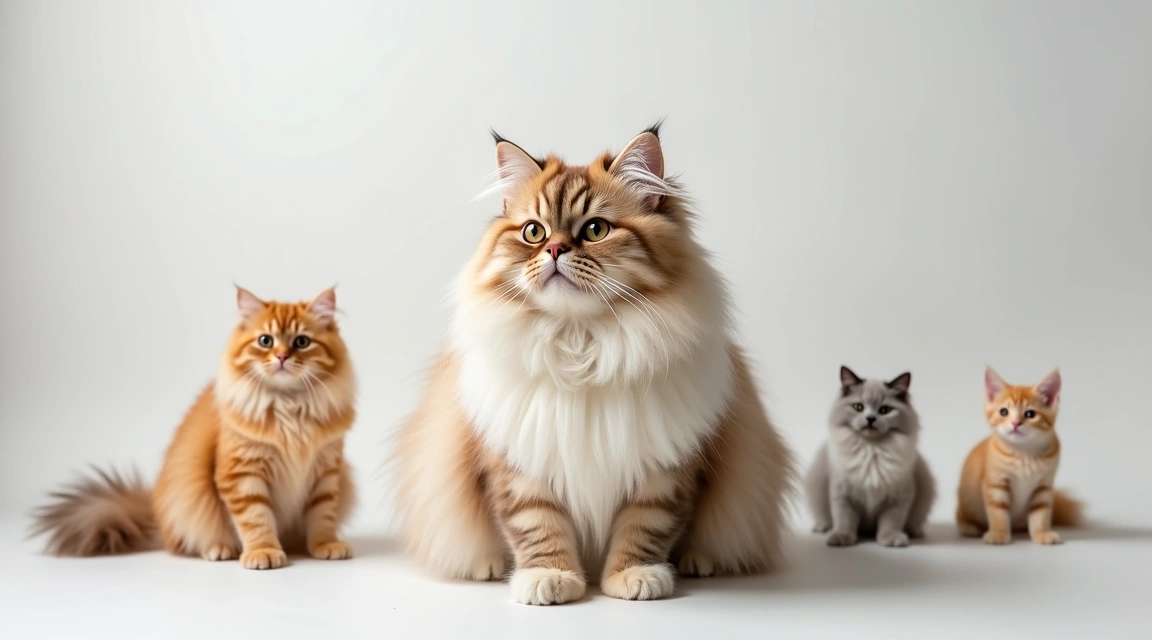
The foundation of weight management is controlling calorie intake. Many cat owners free-feed, leaving food available all day, which makes it nearly impossible to track how much your Persian actually eats. Instead, measure every meal using a standard measuring cup or, even better, a kitchen scale.
Start by checking the feeding guidelines on your cat food package. These are starting points, not absolute rules, because every cat’s metabolism differs. A typical adult Persian may need between one-quarter and one-half cup of dry food daily, split into two or three meals, but this varies based on age, activity level, and whether you also feed wet food.
Record what you feed for at least two weeks and monitor your cat’s weight weekly. If your Persian is gaining, reduce portions by about ten percent. If losing too quickly, increase slightly. Gradual change is safer than dramatic cuts.
Caution: Never reduce food by more than twenty-five percent without veterinary guidance, as rapid weight loss in cats can trigger a serious liver condition called hepatic lipidosis.
Step 2: Choose High-Protein, Low-Carbohydrate Food
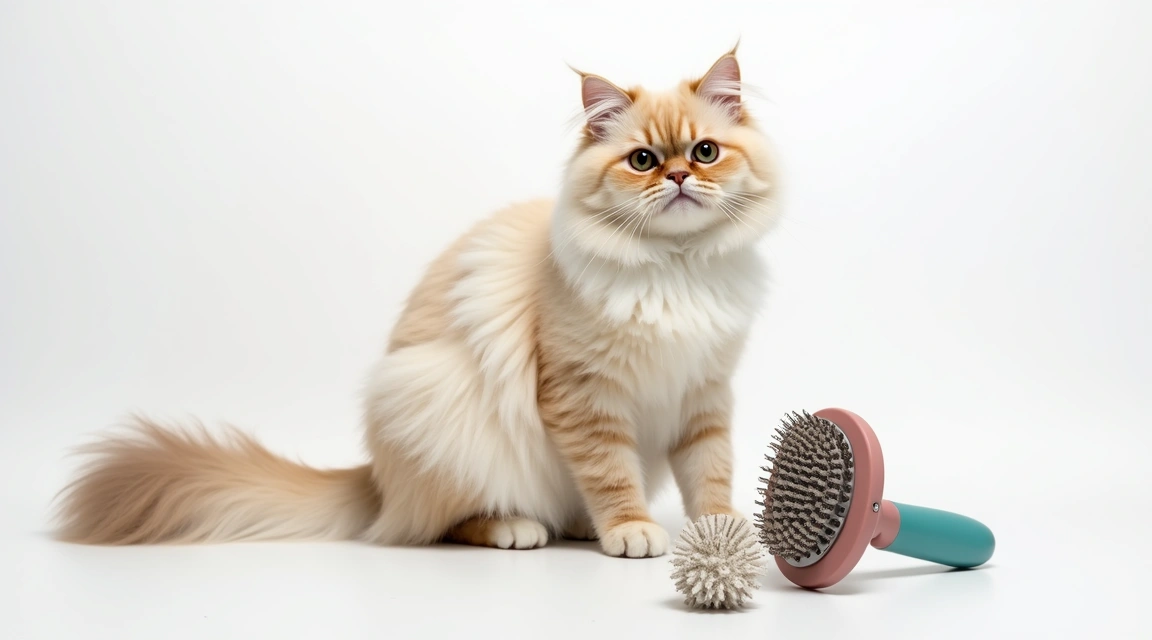
Cats are obligate carnivores, meaning their bodies are designed to run on protein and fat, not grains or fillers. Many commercial cat foods contain high levels of carbohydrates, which can contribute to weight gain and blood sugar issues. When selecting food for weight management, look for products where a named meat source appears as the first ingredient.
Wet food is often preferable for weight control because it contains more water and fewer calories per volume compared to dry kibble. A Persian eating primarily wet food will feel fuller on fewer calories. If your cat prefers dry food, consider mixing in a small amount of wet food or low-sodium chicken broth to increase satiety without adding many calories.
Prescription weight-management diets are available through veterinarians. These formulas are carefully balanced to provide essential nutrients while restricting calories. They often include higher fiber to help your cat feel full. For general cat health guidance and nutrition topics, consult with your vet about which approach suits your Persian’s individual needs.
Caution: Avoid grain-free fads unless your veterinarian recommends them for a specific medical reason, as some grain-free diets have been associated with heart health concerns in cats.
Step 3: Establish a Consistent Feeding Schedule

Routine is crucial for weight management. Feed your Persian at the same times each day, ideally two to three meals spaced evenly. Scheduled feeding helps regulate metabolism and makes it easier to monitor intake. It also prevents your cat from grazing constantly, which can lead to overeating.
Remove uneaten food after twenty to thirty minutes. If your Persian doesn’t finish a meal, resist the urge to leave it out or offer something more appealing. Cats quickly learn that holding out leads to tastier options. Consistency teaches your cat to eat at designated times.
If you have multiple cats, feed them separately to ensure each receives the correct portion. A slimmer housemate may need more food than your Persian, and free access to another cat’s bowl can sabotage weight loss efforts. Separate rooms or timed feeders can help manage multi-cat households.
Caution: If your Persian suddenly refuses food for more than twenty-four hours, contact your veterinarian, as cats can develop serious health issues when they stop eating.
Step 4: Increase Physical Activity Gradually
Persians are not known for high energy levels, but gentle play and movement are essential for weight management. Even modest increases in activity help burn calories, maintain muscle mass, and improve overall health. The key is finding activities your Persian enjoys and building them into daily routines.
Interactive toys work well for most Persians. Wand toys with feathers or ribbons can entice even lazy cats to pounce and chase. Start with just five minutes once or twice daily, then gradually extend sessions as your cat builds stamina. Some Persians enjoy chasing small balls or crinkle toys down hallways.
Puzzle feeders and food-dispensing toys turn mealtime into exercise. These devices require your cat to work for kibble, slowing down eating and adding movement. Start with easy puzzles and progress to more challenging designs as your Persian learns the game.
Environmental enrichment also promotes activity. Cat trees, window perches, and strategically placed climbing shelves encourage your Persian to move between levels. Even short climbs add up over the course of a day. Place favorite resting spots slightly elevated so your cat must make an effort to reach them.
Caution: Persians have flat faces that can make breathing during exertion more difficult. Watch for excessive panting, wheezing, or distress during play. Stop immediately if your cat shows signs of respiratory difficulty and consult your veterinarian.
Step 5: Eliminate or Reduce Treats Carefully
Treats are a common source of hidden calories. A few small treats may seem harmless, but they can add up to a significant portion of your Persian’s daily calorie needs. If your cat is overweight, treats should make up no more than five percent of total daily calories, and preferably none during active weight loss.
If you use treats for training or bonding, switch to healthier options. Small pieces of cooked chicken breast, plain cooked shrimp, or freeze-dried meat treats contain more protein and fewer fillers than commercial treats. You can also reserve a small portion of your cat’s regular food and hand-feed it as rewards.
Be mindful of well-meaning family members or visitors who may slip treats to your Persian. Educate everyone in the household about the importance of the weight management plan. Consider posting a feeding chart on the refrigerator as a reminder.
Caution: Never give your Persian human foods that are toxic to cats, including onions, garlic, grapes, raisins, chocolate, or anything containing xylitol. Even small amounts can be dangerous.
Step 6: Monitor Progress and Adjust as Needed
Weight loss should be slow and steady. A safe target is losing about one to two percent of body weight per week. For a ten-pound Persian, that means roughly one to two ounces weekly. Faster weight loss risks serious health complications.
Weigh your Persian weekly at the same time of day, preferably before breakfast. Record the weight in a notebook or spreadsheet. If weight isn’t decreasing after three to four weeks, reduce portions slightly or increase activity. If weight drops too quickly, add a small amount of food back.
Schedule regular veterinary check-ups during weight loss, especially if your Persian has other health conditions. Your vet can monitor organ function, adjust the plan if needed, and provide encouragement. Body condition scoring is more informative than weight alone, as muscle mass should be preserved while fat decreases.
Take progress photos from above and from the side every two weeks. Visual changes may be more apparent than scale numbers, and photos provide motivation when progress feels slow. Celebrate small victories, and remember that sustainable weight management is a long-term commitment, not a quick fix.
Caution: If your Persian loses more than two percent of body weight per week, or if you notice lethargy, vomiting, or yellowing of the eyes or gums, seek immediate veterinary care. These can be signs of hepatic lipidosis.
Common Mistakes to Avoid
One frequent error is cutting calories too drastically in an attempt to speed up weight loss. Cats cannot safely fast or endure severe calorie restriction the way some other species can. Their liver begins breaking down fat stores too quickly, leading to potentially fatal hepatic lipidosis. Always aim for gradual, steady weight loss under veterinary supervision.
Another mistake is focusing solely on food without addressing activity. While diet is the primary driver of weight loss, maintaining muscle mass and mental stimulation requires movement. A completely sedentary Persian on a restricted diet may lose muscle along with fat, worsening overall body condition.
Many owners also underestimate the calorie content of treats, table scraps, and “just a little bit” of extra food. These small additions can completely undermine a carefully planned diet. Everyone in the household must commit to the feeding plan without exceptions.
Failing to account for age-related changes is another pitfall. Senior Persians may need different nutrition or activity modifications than younger cats. Older cats can still lose weight safely, but the approach may need to be gentler, with careful attention to joint health and kidney function.
Finally, giving up too soon is common. Weight loss takes time, and visible changes may not appear for several weeks. Patience and consistency are essential. If you feel frustrated or unsure, consult your veterinarian rather than abandoning the plan.
Summary and Long-Term Success
Helping your Persian cat reach and maintain a healthy weight is one of the most valuable investments you can make in their quality of life. By measuring portions accurately, choosing high-protein foods, establishing feeding routines, encouraging gentle activity, limiting treats, and monitoring progress carefully, you create a sustainable framework for lifelong wellness.
Remember that every Persian is unique. What works for one cat may need adjustment for another. Regular communication with your veterinarian ensures the plan remains safe and effective. Weight management isn’t about perfection; it’s about consistent, informed choices that support your cat’s health over the long term.
The rewards extend far beyond the number on the scale. A lean Persian moves more comfortably, breathes more easily, and faces lower risks of diabetes, arthritis, and other weight-related conditions. The time and effort you invest now can add years of happy, healthy life with your beloved companion.