
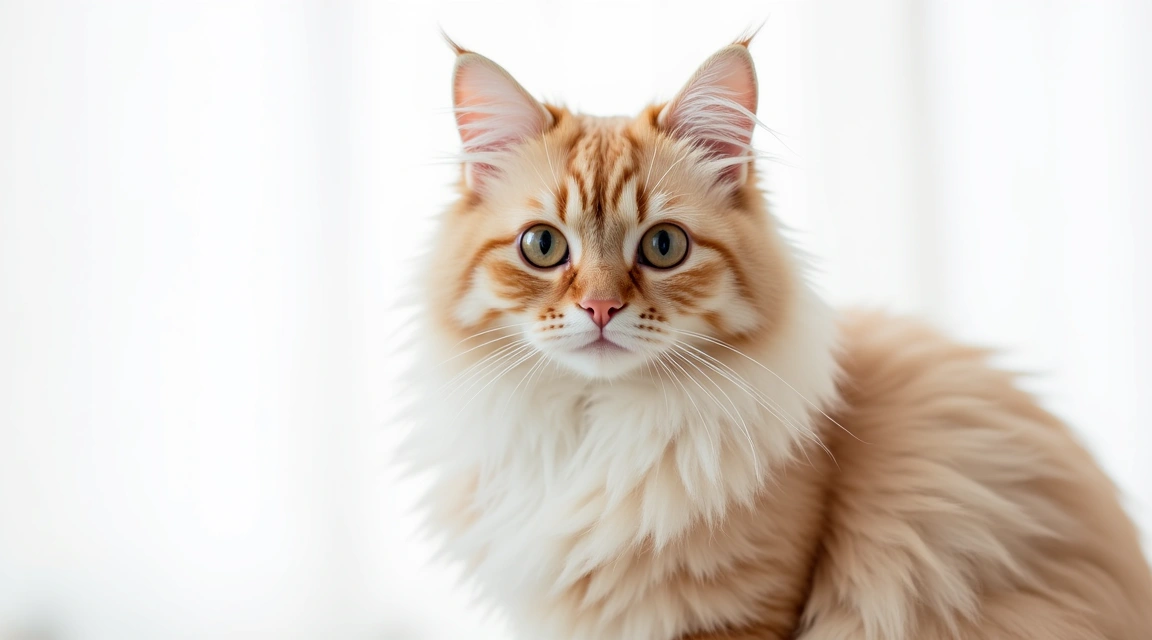
I’ve lived in apartments for most of my adult life, and for the past decade, I’ve shared that space with long-haired cats. When I adopted my first Persian mix, I didn’t fully understand what I was signing up for. But after years of experience with fluffy felines in compact living spaces, I’ve learned which breeds truly thrive in apartments and which ones might be better suited for homes with more square footage. If you’re considering a long-haired cat for your apartment, you’re in for a rewarding experience—with a few important considerations.
Long-haired cats bring elegance and companionship to any home, but apartment living adds unique factors to consider. Grooming needs, activity levels, noise tolerance, and space requirements all play crucial roles in whether a particular breed will flourish in your environment. I’ve watched friends struggle with high-energy long-haired breeds in studio apartments, while others have found perfect harmony with calm, affectionate breeds in similarly small spaces.
Why Long-Haired Breeds Can Be Perfect Apartment Companions
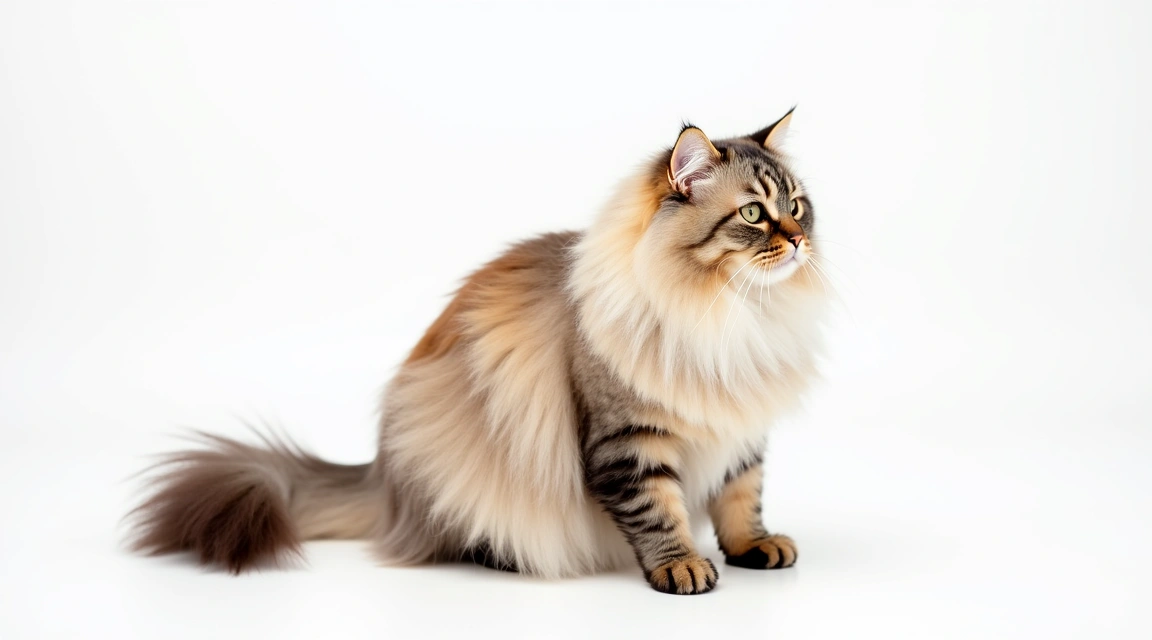
Many long-haired cat breeds were developed as companion animals, which makes them naturally suited to indoor living. Unlike some short-haired breeds that retain strong hunting instincts and crave outdoor exploration, several long-haired varieties are content to lounge on your couch and watch the world go by from a sunny window perch.
The Persian, for example, has been my personal favorite for apartment living. These cats have low to moderate activity levels and don’t typically demand large spaces to run and climb. They’re happy with a few well-placed cat trees and regular interactive play sessions. Their calm temperament means they’re less likely to race around your apartment at three in the morning, disturbing neighbors below.
Ragdolls are another excellent choice. I’ve known several Ragdoll owners in my apartment complex, and these cats seem perfectly content in smaller spaces. They’re famously docile and tend to go limp when picked up—hence the name. They follow their owners from room to room and enjoy being wherever you are, making even a small apartment feel like plenty of space when they’re by your side.
The Maine Coon, despite being one of the largest domestic cat breeds, can adapt surprisingly well to apartment life. They’re gentle giants with sociable personalities. While they do appreciate vertical space, a couple of tall cat trees can satisfy their climbing instincts without requiring a large footprint. I’ve seen Maine Coons thrive in apartments where their owners invested in quality climbing furniture.
Birmans offer a middle ground between the laid-back Persian and the more playful breeds. They’re affectionate without being overly demanding, and their semi-long coat is easier to maintain than some other long-haired breeds. In my experience, they adjust well to apartment routines and bond closely with their families.
For those interested in exploring more options, our Cat Breeds section offers detailed profiles of various breeds and their living requirements.
The Challenges You’ll Actually Face
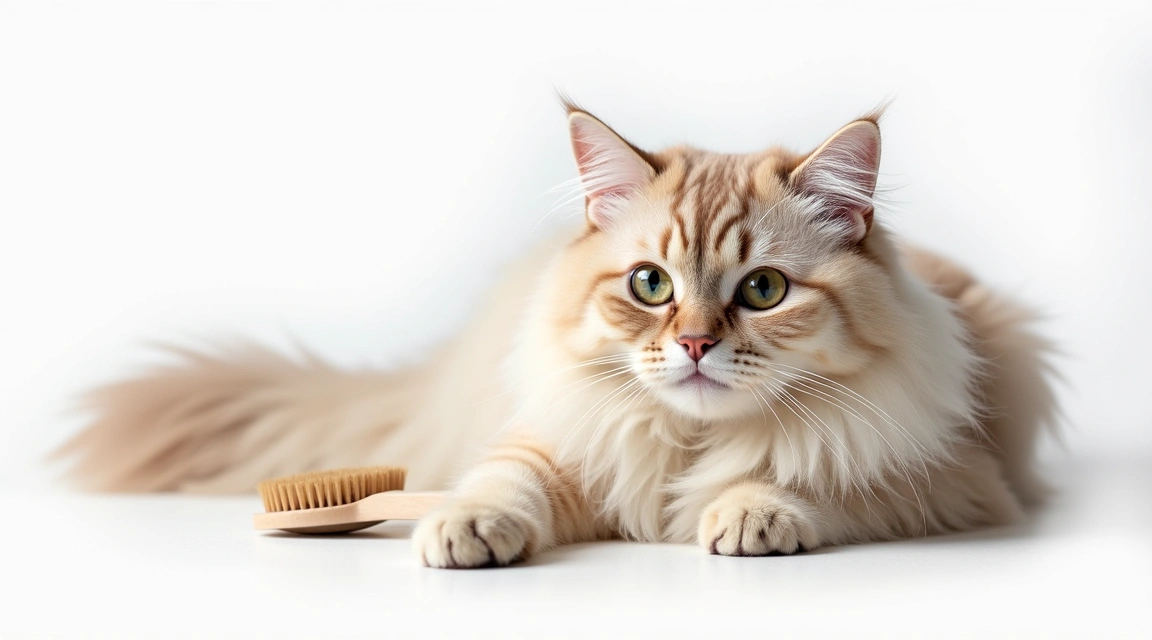
Let me be honest about the less glamorous side of keeping long-haired cats in apartments. The grooming commitment is significant and non-negotiable. I spend at least fifteen to twenty minutes every other day brushing my Persian, and during shedding season, that becomes a daily ritual. If you skip grooming sessions, you’ll quickly find fur tumbleweeds in every corner, clogged vacuum filters, and worst of all, your cat may develop painful mats that require professional removal.
Apartment bathrooms are typically small, which makes bathing a long-haired cat a logistical challenge. Some breeds need occasional baths to keep their coats healthy, and wrestling a wet, unhappy cat in a cramped bathroom is not for the faint of heart. I’ve learned to use a handheld showerhead and non-slip mats, but it’s still a workout.
Litter box maintenance becomes more demanding with long-haired cats. Fur around their back end can trap litter particles, which then get tracked throughout your apartment. I’ve found that placing a large mat under and in front of the litter box helps, but you’ll still find yourself sweeping or vacuuming more frequently than you would with a short-haired breed.
Space for grooming supplies and cat furniture adds up. In an apartment, storage is precious, but you’ll need room for brushes, combs, de-matting tools, nail clippers, and potentially grooming tables or stations. Plus, long-haired cats benefit from multiple scratching posts and cat trees to keep them entertained, which can make a small apartment feel even smaller.
Noise can be a concern in apartments with thin walls. While most long-haired breeds aren’t particularly vocal, some individuals can be talkative, especially during feeding times or when they want attention. Persians are generally quiet, but some Maine Coons and Birmans can be quite chatty.
Allergies might be worse with long-haired breeds. The myth that long-haired cats cause more allergies isn’t entirely accurate—it’s the protein in saliva and skin that triggers reactions—but the longer fur does carry more dander throughout your living space. In a small apartment, this concentration can be problematic for allergy sufferers.
Who Should Consider These Beautiful Breeds
Long-haired cats in apartments are ideal for people who work from home or have flexible schedules. These breeds often thrive on companionship and routine, and having someone around during the day provides the interaction they need. I work remotely, and my cat has become an expert at joining video calls and reminding me when it’s break time.
If you genuinely enjoy grooming and find it meditative rather than tedious, you’ll appreciate the bonding time that brushing provides. Some of my most peaceful moments come from sitting on the couch with a podcast on, gently working through my cat’s coat. It’s therapeutic for both of us.
People who prefer calm, quiet pets will love most long-haired breeds. If you’re not looking for a high-energy cat that needs constant stimulation, breeds like Persians and Ragdolls offer affection without chaos. They’re perfect for quiet evenings at home.
Conversely, these cats aren’t ideal for anyone who travels frequently without a reliable pet sitter. Long-haired cats need daily interaction and grooming; leaving them alone for extended periods or with inexperienced caretakers can lead to matting, stress, and behavioral issues.
If you’re someone who values a spotless home and finds pet hair frustrating, a long-haired cat will test your patience. Even with diligent grooming, you’ll find fur on your clothes, furniture, and occasionally in your food. It’s part of the package, and you need to make peace with it.
Budget matters too. Quality grooming tools aren’t cheap, and professional grooming services can add up if you need occasional help with mats or specialized cuts. Veterinary costs can also be higher, as some long-haired breeds have predispositions to certain health conditions that require monitoring.
Frequently Asked Questions
Do long-haired cats shed more than short-haired cats in apartments?
All cats shed, but the hair from long-haired breeds is more noticeable because each strand is longer and more visible on floors and furniture. The actual volume of shedding varies by breed and season rather than coat length. Regular brushing significantly reduces how much loose fur ends up around your apartment. I’ve found that daily brushing during peak shedding seasons and every other day otherwise keeps things manageable.
How much space does a long-haired cat actually need in an apartment?
Most long-haired breeds adapt well to apartments of any size, from studios to multi-bedroom units. Vertical space matters more than square footage—investing in cat trees, wall shelves, and window perches gives your cat territory to explore without needing a large floor plan. My Persian is perfectly content in my one-bedroom apartment because she has multiple levels to lounge on and windows overlooking different views.
Can I manage the grooming myself, or will I need professional help?
Most owners can handle routine grooming with the right tools and patience. I learned by watching online tutorials and asking my vet for tips during check-ups. However, if severe matting develops or your cat is particularly resistant to grooming, professional groomers can help. Some breeds with extremely long or dense coats may benefit from occasional professional grooming sessions, especially during seasonal coat changes. Start grooming habits early if you adopt a kitten, as it’s much easier to maintain a routine than to introduce grooming to an adult cat who’s never experienced it.