

As a Persian cat owner for over eight years, I’ve learned that dental care isn’t just about preventing bad breath—it’s about protecting my cat’s overall health and quality of life. Persian cats, with their flat faces and distinctive jaw structure, face unique dental challenges that require consistent attention. When I first brought home my cream Persian, Luna, I had no idea how important daily dental routines would become. Today, I want to share what I’ve learned through trial, error, and veterinary guidance about maintaining your Persian’s dental health at home.
Dental disease affects many cats, and recent veterinary guidelines emphasize the importance of early intervention. Persian cats are particularly susceptible to dental issues due to their brachycephalic (flat-faced) structure, which can cause teeth crowding and misalignment. Over the years, I’ve developed a practical home care routine that complements professional veterinary cleanings and keeps Luna’s teeth healthier between checkups.
Advantages of At-Home Dental Care for Persian Cats

The most significant benefit I’ve experienced is catching problems early. When you examine your cat’s mouth regularly, you notice changes quickly—a red gum line, a loose tooth, or unusual drooling. Early detection means simpler treatment and less discomfort for your pet. Luna once developed mild gingivitis, and because I spotted the inflammation during our brushing routine, we addressed it before it progressed to more serious periodontal disease.
Home dental care is also substantially more affordable than treating advanced dental disease. While professional cleanings under anesthesia remain necessary, maintaining good oral hygiene at home can extend the time between these procedures. One emergency dental extraction can be costly and stressful for both pet and owner, whereas investing in daily care tools and developing a consistent routine costs much less over time.
Another advantage is the bonding opportunity. Once Luna became accustomed to our dental routine, it transformed into quality time together. She now associates our evening brushing sessions with attention and treats, making the process smoother for both of us. This positive association took weeks to build, but the patience paid off.
Home care also gives you control over what goes into your cat’s mouth. I can choose enzymatic toothpaste formulated specifically for cats, avoiding ingredients that might upset her sensitive stomach. With Persians being prone to certain health sensitivities, this control matters.
For more comprehensive guidance on Persian cat health maintenance, you can explore our Cat Care Tips section for additional resources.
Challenges and Limitations of Home Dental Care
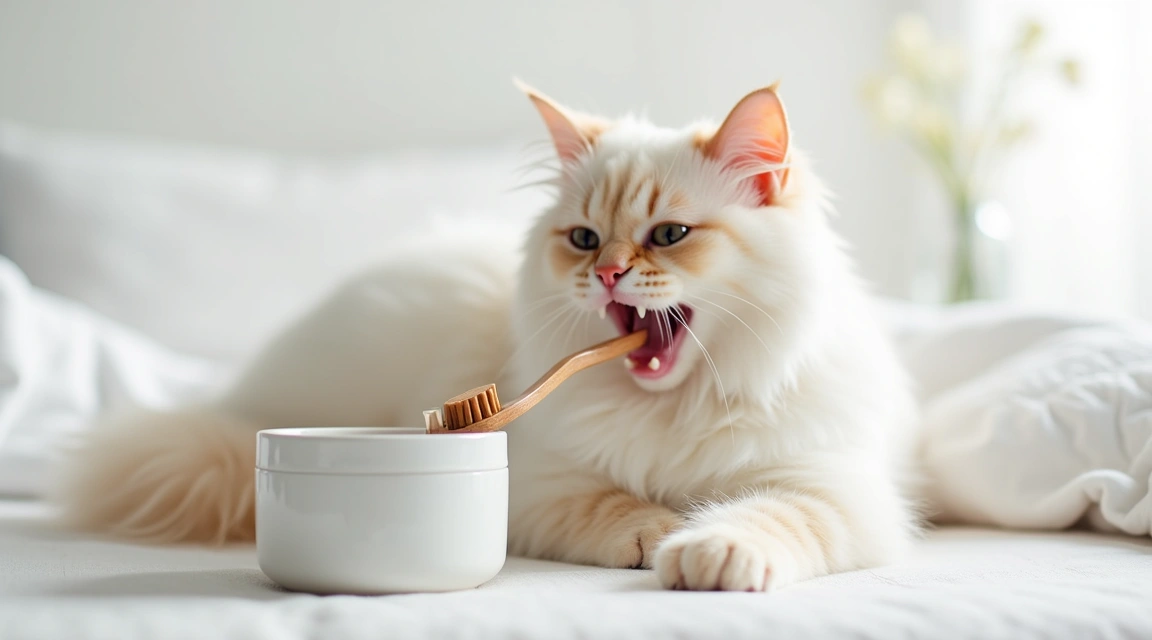
Let me be honest: starting a dental care routine with a Persian cat requires significant patience. Luna resisted for the first two weeks, squirming and batting at the toothbrush. Persians can be particularly stubborn, and their flat faces make accessing back teeth more difficult than with other breeds. I had to learn specific angles and gentle restraint techniques that wouldn’t stress her.
Home care cannot replace professional veterinary dental cleanings. No matter how diligent you are with brushing, tartar still accumulates below the gum line where you cannot reach. I learned this when Luna’s vet showed me X-rays revealing issues beneath seemingly healthy-looking gums. Professional cleanings under anesthesia remain essential for thorough examination and treatment.
The time commitment is real. Effective brushing takes several minutes daily, and you need to be consistent. I’ve had to adjust my schedule around travel and busy periods, sometimes asking family members to maintain Luna’s routine. Missing several days can allow plaque to harden into tartar, undoing your progress.
Some cats never fully tolerate brushing, despite your best efforts. I’ve known Persian owners who’ve tried for months without success, eventually relying more heavily on dental treats, water additives, and professional cleanings instead. Not every cat will accept the same level of home intervention.
The cost of quality dental care supplies adds up. Good enzymatic toothpaste, finger brushes, proper toothbrushes, and dental treats aren’t cheap. While these costs are manageable compared to treating dental disease, they’re still a regular expense to budget for.
Who Should Prioritize At-Home Persian Cat Dental Care
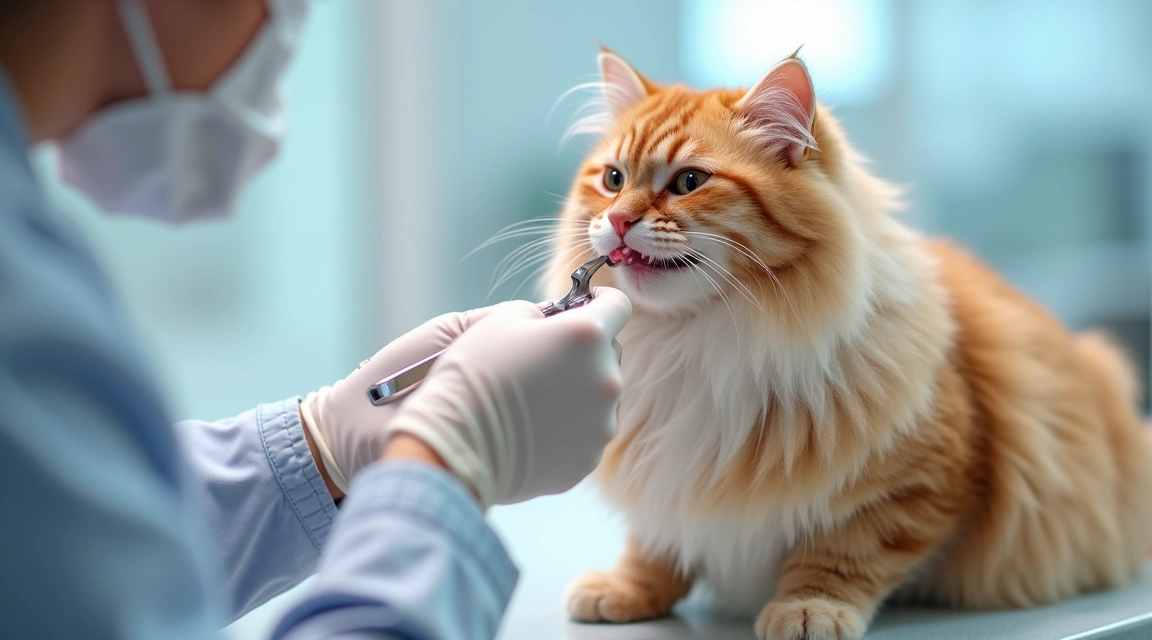
If you have a young Persian kitten, start immediately. Introducing dental care during the socialization window makes acceptance far easier. I wish I had started with Luna as a kitten rather than waiting until she was two years old. Kittens adapt to handling and new experiences more readily than adult cats.
Owners of Persians with existing dental issues should absolutely implement home care under veterinary guidance. After Luna’s professional cleaning to address her gingivitis, our vet emphasized that daily brushing was crucial to prevent recurrence. Home care became part of her treatment plan, not just prevention.
This routine is ideal for dedicated pet parents willing to invest time daily. If you’re already committed to grooming your Persian’s coat regularly—and if you own a Persian, you know daily grooming isn’t optional—adding dental care to that routine makes practical sense. Both activities require patience, consistency, and your cat’s cooperation.
Multiple-cat households might find the routine more challenging to maintain for each pet. I have friends with three Persians who’ve had to develop efficient systems and sometimes prioritize the cats with the most dental vulnerability. If you have several cats, be realistic about your capacity to provide individual dental care to each one.
Conversely, if you travel frequently for work or have an unpredictable schedule, maintaining daily dental care might prove difficult. In these situations, focusing on dental treats, specialty foods, and more frequent professional cleanings might be more realistic than attempting daily brushing you cannot sustain.
Practical Implementation Tips

Start slowly. I began by simply lifting Luna’s lip to examine her teeth, rewarding her with a treat. After several days, I introduced a finger brush with just water. Only after she tolerated that did I add cat-specific enzymatic toothpaste. Gradual desensitization is key with Persians, who can be sensitive to sudden changes.
Choose the right tools. Finger brushes worked better for me initially, giving me more control and allowing Luna to get used to the sensation. I later transitioned to a small-headed toothbrush designed for cats, which reaches back teeth more effectively. Never use human toothpaste—it contains ingredients toxic to cats.
Focus on the outside surfaces of the teeth, especially the upper molars and canines where tartar accumulates most. Your cat’s tongue naturally cleans the inside surfaces to some extent. With Luna’s flat face, I found approaching from the side rather than head-on worked better.
Combine brushing with other dental care methods. I give Luna dental treats a few times weekly and have added a water additive that helps reduce bacteria. These complement brushing rather than replacing it. Some cats respond well to dental foods with larger kibble designed to mechanically clean teeth, though Luna wasn’t impressed.
Schedule regular veterinary dental checkups. Your vet can assess whether your home care routine is effective and identify issues you might miss. Professional cleanings remain necessary—I consider home care as extending the time between these procedures rather than eliminating them.
Frequently Asked Questions
How often should I brush my Persian cat’s teeth?
Daily brushing provides the best results, just as with human dental care. However, even brushing several times per week offers benefits over no home dental care at all. I brush Luna’s teeth every evening as part of our bedtime routine. If daily brushing proves unrealistic for your household, aim for at least three to four times weekly. Consistency matters more than perfection—establishing a sustainable routine you can maintain long-term is better than attempting daily brushing for a few weeks and then giving up entirely.
Can dental treats replace toothbrushing for my Persian?
Dental treats serve as a helpful supplement but cannot replace mechanical brushing. Think of them like mints for humans—they help with breath and provide some cleaning action, but they don’t substitute for actual brushing. I use dental treats for Luna between brushing sessions and when we travel, but they’re part of a broader dental care strategy. Some treats are more effective than others, so look for products with veterinary dental health approval. That said, treats alone won’t prevent tartar buildup or address existing dental disease. They work best as one component of a comprehensive approach that includes brushing and professional cleanings.
At what age should I start dental care for my Persian kitten?
Begin as early as possible, ideally when you first bring your kitten home. Even before permanent teeth emerge, you can start getting your kitten comfortable with mouth handling. I recommend gently touching your kitten’s face and lips during play and cuddle time, then gradually progressing to lifting their lips and touching their gums with your finger. By the time your Persian is a few months old and has their adult teeth, they’ll already be accustomed to mouth handling, making the transition to actual brushing much smoother. Starting young establishes dental care as a normal part of life rather than a strange new experience imposed on an adult cat. If you have an adult Persian with no prior dental care experience, don’t worry—you can still introduce these habits, though it requires more patience and gradual desensitization.