
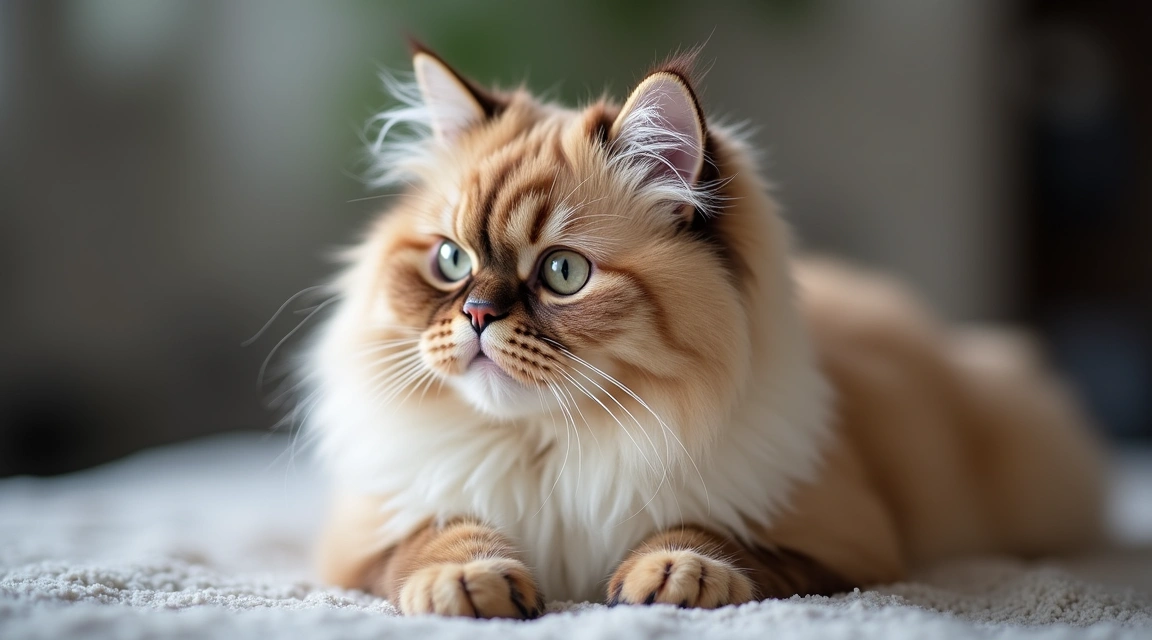
Persian cats are among the most recognizable and beloved feline companions, known for their luxurious coats and distinctive flat faces. If you’re considering adding a Persian to your household, understanding their temperament is essential to determining whether this breed aligns with your family’s lifestyle and expectations. These gentle cats possess unique personality traits that make them wonderful companions for the right homes, but they may not suit every living situation.
This guide will walk you through everything you need to know about Persian cat temperament, from their calm demeanor to their social needs, helping you make an informed decision about whether this elegant breed is the perfect match for your family.
Understanding the Core Persian Cat Personality
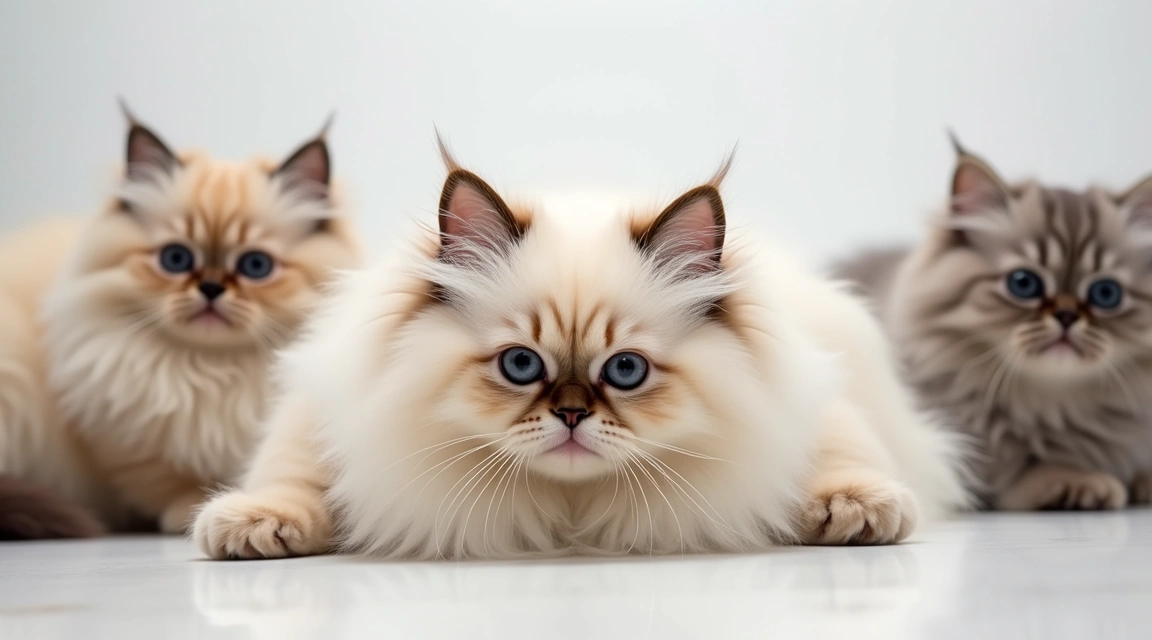
Persian cats are renowned for their sweet, docile nature and preference for peaceful environments. Unlike more active breeds that constantly seek adventure, Persians typically exhibit a laid-back approach to life that many owners find endearing and restful.
These cats generally prefer quiet households where they can lounge comfortably on a favorite cushion or sunny windowsill. They’re not typically climbers or jumpers, favoring ground-level activities and low furniture. This makes them excellent apartment cats and suitable for families who want a companion that won’t scale curtains or knock items off high shelves.
Step 1: Observe their interaction style with humans. Persian cats tend to form strong bonds with their owners but express affection differently than more demanding breeds. They often enjoy sitting near you rather than on you, and they appreciate gentle petting sessions without overwhelming physical interaction. Notice whether your Persian seeks you out for companionship but maintains a sense of independence.
Caution: Don’t mistake their calm demeanor for lack of affection. Persians show love in subtle ways and may become stressed if forced into constant handling or loud interactions.
Persian cats rarely vocalize loudly, though they may offer soft, musical meows when they need something. This quiet nature makes them ideal for noise-sensitive environments or families with members who work from home and need minimal disruptions.
Persian Cats and Family Dynamics
When evaluating whether a Persian cat fits your family structure, consider the activity level and ages of household members. These considerations will help you create a harmonious environment where both your family and your Persian can thrive.
Step 2: Assess your household’s energy level. Persian cats do best in calm, predictable homes. Families with young children who run, play loudly, or grab at pets may find that Persians retreat or become stressed. If you have energetic toddlers or preschoolers, you’ll need to teach them gentle handling and respect for the cat’s need for quiet time.
Caution: Never allow children to carry a Persian or pull on their long fur. Their flat faces also make them more vulnerable to eye injuries from rough play.
Step 3: Consider the time commitment for social interaction. While Persians aren’t as demanding as some breeds, they still need daily companionship and attention. Plan to spend time each day sitting near your Persian, offering gentle pets, and engaging in low-key play. A completely ignored Persian may become withdrawn or develop behavioral issues.
Caution: Persians left alone for extended periods regularly may not thrive. If your family is away from home more than eight hours daily, consider whether you can provide adequate companionship.
These cats typically get along well with older children who understand boundaries and can interact calmly. School-age children who’ve learned to respect animals often form wonderful bonds with Persians, enjoying quiet reading time with a purring companion nearby.
Living with Other Pets

Persian cats can coexist peacefully with other pets, though their success depends largely on the other animals’ temperament and proper introductions. Their gentle nature means they’re unlikely to start conflicts, but they also won’t defend themselves vigorously against more aggressive animals.
Step 4: Introduce new pets gradually and carefully. If you have other cats, introduce your Persian slowly over several weeks. Keep them separated initially, allowing them to smell each other under doors before visual contact. Persians generally accept other calm cats well but may feel overwhelmed by highly energetic or territorial felines.
Caution: Never leave a new Persian unsupervised with other pets until you’re confident they’ve established a peaceful relationship. Monitor feeding times especially, as food aggression from other pets can frighten a Persian.
For households with dogs, Persian cats can adapt provided the dog is cat-friendly and not overly boisterous. Calm, gentle dog breeds that respect feline space work best. High-energy dogs that chase or play roughly may terrify a Persian and create ongoing stress.
Step 5: Create safe retreat spaces. Regardless of other pets in your home, ensure your Persian has access to quiet areas where they can escape and feel secure. Cat trees with enclosed spaces, quiet bedrooms, or dedicated corners help Persians feel safe and give them control over their social interactions.
Caution: A Persian without adequate retreat options may become chronically stressed, leading to health issues or behavioral changes such as hiding excessively or refusing to eat.
If you’re interested in learning more about Persian cats and their care needs, visit our Persian Cats section for comprehensive guides and helpful resources.
Temperament Considerations for Daily Care
The Persian temperament directly impacts daily care routines, and prospective owners should understand these connections before committing to this breed. Their cooperative nature generally makes grooming easier than with more resistant cats, but the sheer frequency of required care is significant.
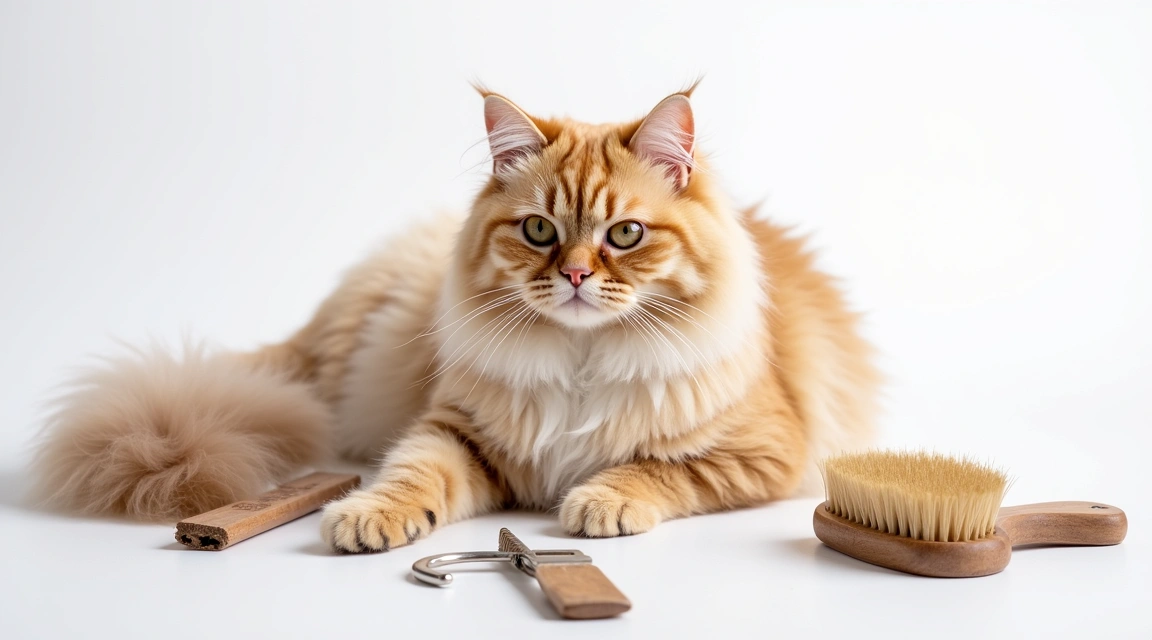
Step 6: Prepare for cooperative but frequent grooming sessions. Most Persians tolerate grooming well due to their calm temperament, but their long coats require daily brushing to prevent painful matting. This isn’t optional care—it’s essential for their comfort and health. If you find daily grooming tedious or don’t have fifteen to twenty minutes available each day, a Persian may not suit your lifestyle.
Caution: Neglected Persian coats develop severe mats that pull on skin, cause pain, and sometimes require professional grooming or veterinary intervention under sedation. Missing even a few days of brushing can create problems.
Persian cats’ flat faces require additional care that relates to their gentle temperament. They need regular eye cleaning because their facial structure promotes tear staining and discharge. Most Persians accept this care patiently when introduced gently, but you must commit to checking and cleaning their faces daily.
Their calm nature also means Persians adapt well to regular veterinary visits when properly socialized. They typically don’t fight carriers or create dramatic scenes at the vet’s office, though they may show stress through quiet withdrawal rather than obvious signs.
Activity Level and Play Needs
Persian cats have lower energy levels compared to many breeds, but they still benefit from appropriate play and mental stimulation. Understanding their activity preferences helps you provide enrichment without overwhelming them.
These cats enjoy gentle play sessions with feather wands or small toys they can bat around while remaining relatively stationary. They’re not typically interested in intense chase games or vigorous exercise. Short, calm play sessions several times daily suit them better than long, exhausting activities.
Puzzle feeders designed for slow feeding can provide mental stimulation that matches a Persian’s temperament. They’ll work through food puzzles at their own pace without the frantic energy some breeds display during mealtime enrichment.
Window perches give Persians entertainment without requiring physical exertion. They enjoy watching birds, people, or outdoor activity from the safety and comfort of their indoor space. These passive activities align perfectly with their observant but calm personality.
Common Mistakes When Choosing a Persian
Many prospective Persian owners make predictable errors when evaluating whether this breed suits their family. Avoiding these mistakes helps ensure a successful, happy relationship with your cat.
The first major mistake is underestimating grooming requirements. People fall in love with the Persian’s beautiful coat without realizing the daily commitment required to maintain it. If you’re not prepared to brush thoroughly every single day, consider a short-haired breed instead. There’s no shortcut or occasional-grooming option that works for Persians.
Another common error is assuming all cats have similar temperaments. Some families want an active, playful cat that performs tricks and constantly seeks interaction. Persian cats aren’t this type of companion. They’re observers and quiet friends, not entertainers or highly trainable performers. Expecting a Persian to behave like a more active breed leads to disappointment.
People also sometimes overlook the need for a calm environment. Bringing a Persian into a chaotic household with constant noise, visitors, or upheaval causes stress for these sensitive cats. If your home regularly hosts parties, has loud music, or experiences frequent disruption, a more adaptable breed might fare better.
Some owners fail to consider the financial commitment beyond purchase price. Persian cats may have higher veterinary costs due to their facial structure, which can contribute to breathing difficulties, dental issues, and eye problems. They also require professional grooming periodically, even with daily home care. Budget for these ongoing expenses before committing.
Finally, people sometimes choose Persians solely for appearance without researching personality fit. A cat’s temperament matters far more than looks for long-term compatibility. Ensure the Persian personality genuinely matches what you want in a feline companion, not just what you find aesthetically pleasing.
Final Considerations
Persian cats make wonderful companions for the right families—those who value gentle, quiet cats and can commit to substantial daily grooming. Their sweet, docile nature brings peace and beauty to calm households where they receive patient, respectful interaction.
Before bringing a Persian home, honestly assess your family’s lifestyle, energy level, and willingness to maintain intensive grooming routines. Consider whether your household can provide the quiet, stable environment these cats prefer. Think about whether family members, especially children, can interact gently and respectfully with a cat that prefers calm affection over vigorous play.
If your home matches these criteria, a Persian cat can become a beloved family member whose serene presence and affectionate nature enrich your daily life for many years. Their loyalty to their families, combined with their striking beauty and gentle personality, makes them uniquely rewarding companions for those prepared to meet their needs.
Take time to meet adult Persians before committing, if possible. Reputable breeders often allow visits where you can observe these cats’ temperament firsthand. This experience helps you understand whether their calm, quiet demeanor truly appeals to you and fits your expectations for feline companionship.