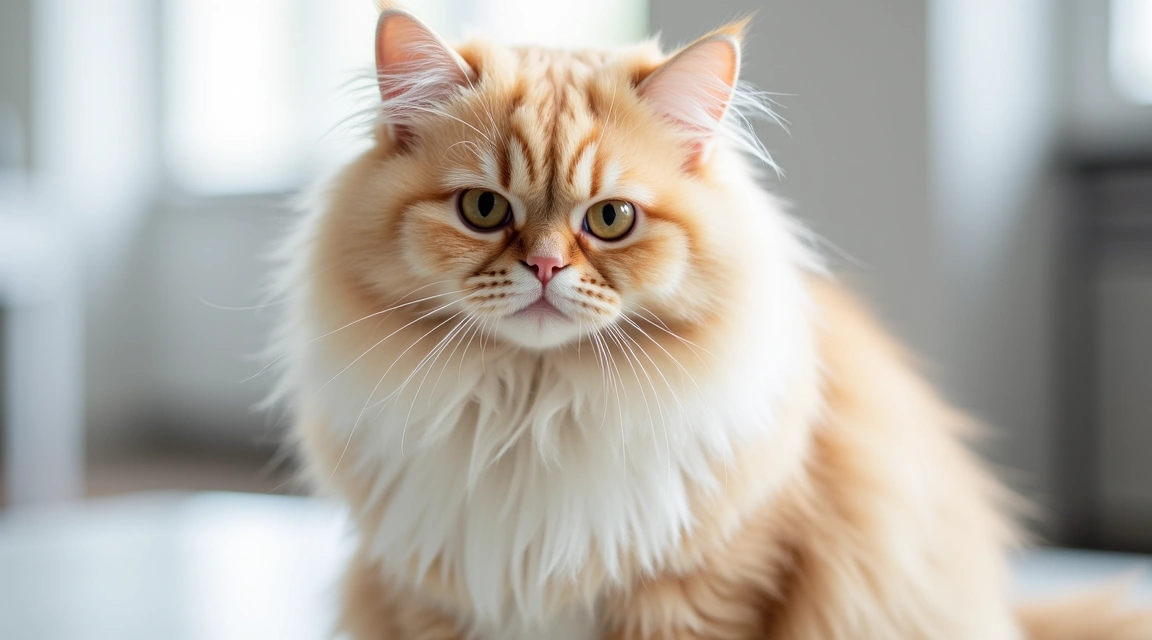
If you’ve ever lived with a Persian cat, you know that their luxurious long coat is both their signature feature and your biggest grooming commitment. I’ve been caring for Persians for over a decade, and I can tell you that establishing a solid grooming routine isn’t optional—it’s essential for their health and comfort. These elegant cats require daily attention to prevent matting, reduce hairballs, and keep their eyes and face clean. In this guide, I’ll walk you through everything I’ve learned about Persian cat grooming, including what works well, what doesn’t, and who should consider adopting one of these beautiful but high-maintenance felines.
The Benefits of a Consistent Persian Cat Grooming Routine
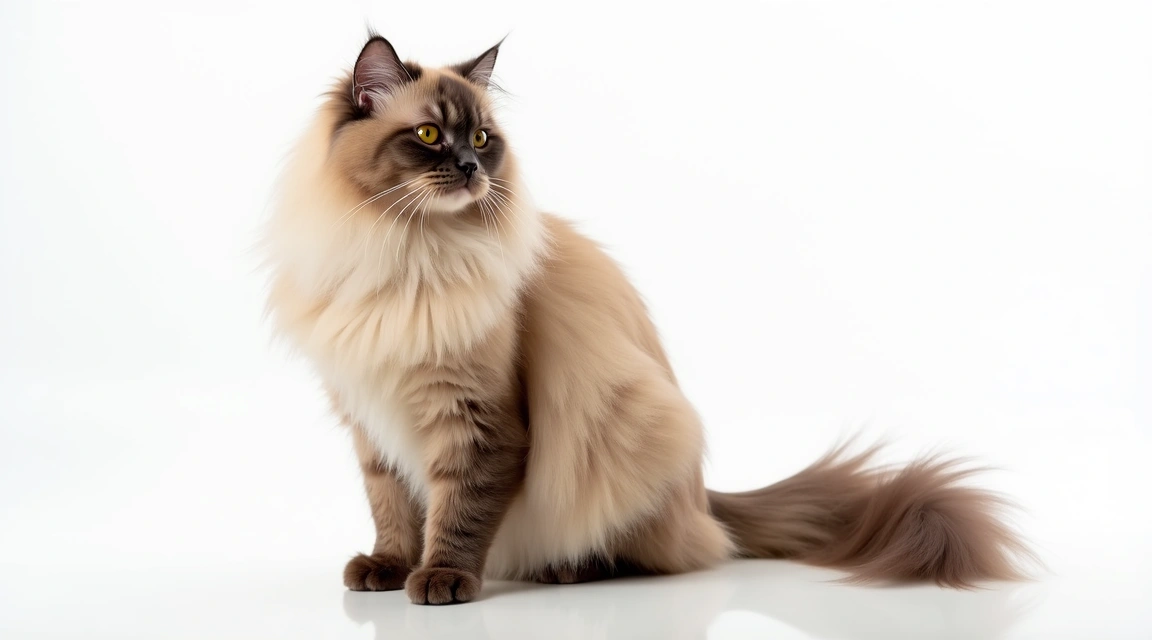
When you commit to a proper grooming schedule for your Persian, the rewards extend far beyond a beautiful coat. Regular grooming sessions strengthen the bond between you and your cat. My Persian, Luna, now associates brushing time with affection and attention, purring contentedly throughout the process.
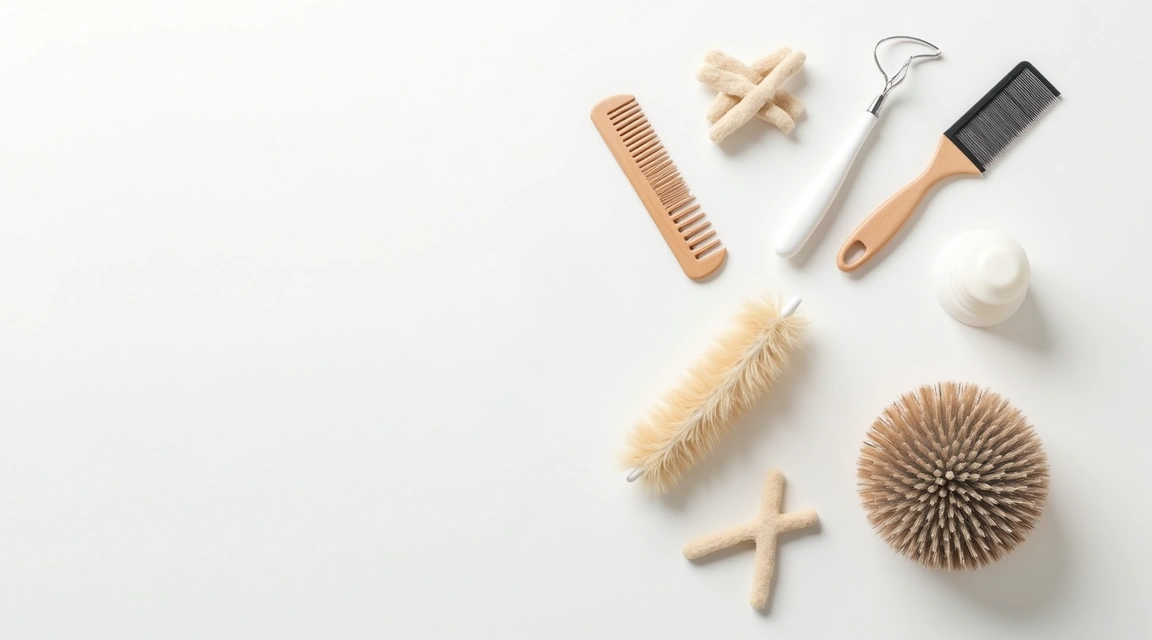
Daily brushing prevents painful mats from forming in your cat’s dense undercoat. Mats pull on the skin, causing discomfort and sometimes leading to skin infections underneath. By spending just ten to fifteen minutes each day with a quality metal comb and slicker brush, you’ll catch tangles before they become problematic. I’ve found that working in sections—starting with the belly and legs, then moving to the back and sides—makes the process manageable and thorough.
Another major advantage is reducing hairballs. Persians ingest significant amounts of fur during self-grooming, which can lead to gastrointestinal issues. When you remove loose hair with brushing, you’re preventing much of it from ending up in your cat’s stomach. I’ve noticed a dramatic decrease in hairball incidents since implementing daily grooming.
Eye care is particularly important for Persians because their flat faces cause excessive tearing. Regular cleaning of the eye area prevents tear staining and keeps bacteria from accumulating. Using a damp cotton pad or specialized pet wipe, gently clean around the eyes daily. This simple step has kept Luna’s face stain-free and healthy.
Bath time, while not daily, is another crucial element. Bathing every four to six weeks helps keep the coat clean and manageable. I use a cat-specific shampoo and conditioner, which makes a noticeable difference in coat texture. The conditioner especially helps prevent tangling between baths.
The Challenges You’ll Face with Persian Grooming
I’d be dishonest if I didn’t address the considerable time commitment required. Persian grooming isn’t something you can skip on busy days. When I’ve let it slide for even two days, I’ve found small mats forming behind Luna’s ears and under her legs. Removing these takes far longer than the daily maintenance would have.
The initial cost of proper grooming tools can be surprising. A quality metal comb runs about twenty to thirty dollars, a good slicker brush another fifteen to twenty, and you’ll want multiple types of brushes for different purposes. Add nail clippers, eye cleaning supplies, specialized shampoo and conditioner, and possibly a grooming table, and you’re looking at an upfront investment of one hundred dollars or more.
Some Persians simply don’t tolerate grooming well, especially if they weren’t accustomed to it as kittens. I’ve worked with rescue Persians who initially struggled and protested during brushing sessions. Building tolerance takes patience, short sessions, and lots of treats. One cat I fostered required three months of gradual desensitization before accepting a full grooming routine.
Professional grooming costs add up quickly if you choose that route. While I handle daily maintenance myself, I take Luna to a professional groomer twice yearly for a thorough bath, sanitary trim, and nail grinding. Each session costs between seventy and one hundred dollars in my area. Some owners prefer monthly professional visits, which can easily exceed one thousand dollars annually.
The mess is real. During shedding season, I remove enough fur daily to build another cat. Despite regular brushing, you’ll find Persian hair on furniture, clothes, and somehow inside closed cabinets. Investing in a good vacuum designed for pet hair becomes necessary.
Is a Persian Cat Right for Your Lifestyle?
Persian cats are ideal for people who work from home or have flexible schedules allowing for daily grooming sessions. If you’re frequently traveling or working long hours, maintaining the necessary routine becomes challenging. I work from home, which makes fitting in morning and evening grooming sessions manageable.
These cats suit individuals who find grooming meditative and enjoyable rather than tedious. If you genuinely like the hands-on care routine, you’ll appreciate the daily ritual. Some people discover they love the grooming process—it becomes a relaxing activity that bookends their day.
Retirees and empty nesters often make excellent Persian owners. With more time available and typically predictable schedules, they can provide the consistent care these cats require. Several Persian owners I know are retired and consider the grooming routine a pleasant structure to their day.
However, Persians aren’t the best choice for first-time cat owners who aren’t prepared for the commitment. If you’re testing the waters of pet ownership, consider starting with a short-haired breed. Families with young children should also think carefully, as Persians need quiet grooming time without interruption.
Anyone with allergies should know that Persians are heavy shedders. While no cat is truly hypoallergenic, breeds with less undercoat produce fewer allergens. I have mild cat allergies myself and manage with air purifiers and regular cleaning, but more severe allergies might make Persian ownership difficult.
Frequently Asked Questions
How often should I bathe my Persian cat?
Most Persian cats benefit from bathing every four to six weeks. Some owners stretch this to eight weeks if the cat stays primarily indoors and maintains a clean coat between baths. However, avoid bathing more frequently than every three weeks, as overwashing strips natural oils from the skin and coat. Always brush thoroughly before bathing to remove any mats—wet mats become nearly impossible to untangle and often require cutting out. I’ve found that establishing a consistent schedule helps your cat anticipate and tolerate bath time better than random bathing sessions.
What happens if my Persian cat develops mats despite regular brushing?
Small mats can sometimes be worked out gently with a metal comb and detangling spray, but never pull hard on mats as this hurts your cat. Work from the outer edge of the mat toward the skin, holding the skin side to prevent painful pulling. For larger or multiple mats, a professional groomer should handle removal. In severe cases, shaving may be necessary, though this should always be done by a professional with proper clippers designed for cats. After mat removal, increase your brushing frequency and pay extra attention to problem areas like behind the ears, under the arms, and around the hindquarters where mats commonly form.
Can I use human grooming products on my Persian cat?
No, you should never use human shampoo, conditioner, or other grooming products on cats. Human products have different pH levels than cat skin requires and can cause dryness, irritation, or allergic reactions. Cat skin is more delicate and sensitive than human skin. I’ve seen cats develop rashes and excessive scratching from well-meaning owners using human baby shampoo. Invest in quality cat-specific grooming products formulated for long-haired breeds. The difference in coat condition is noticeable, and these products are designed to be safe if your cat licks residual product from their fur during grooming.