
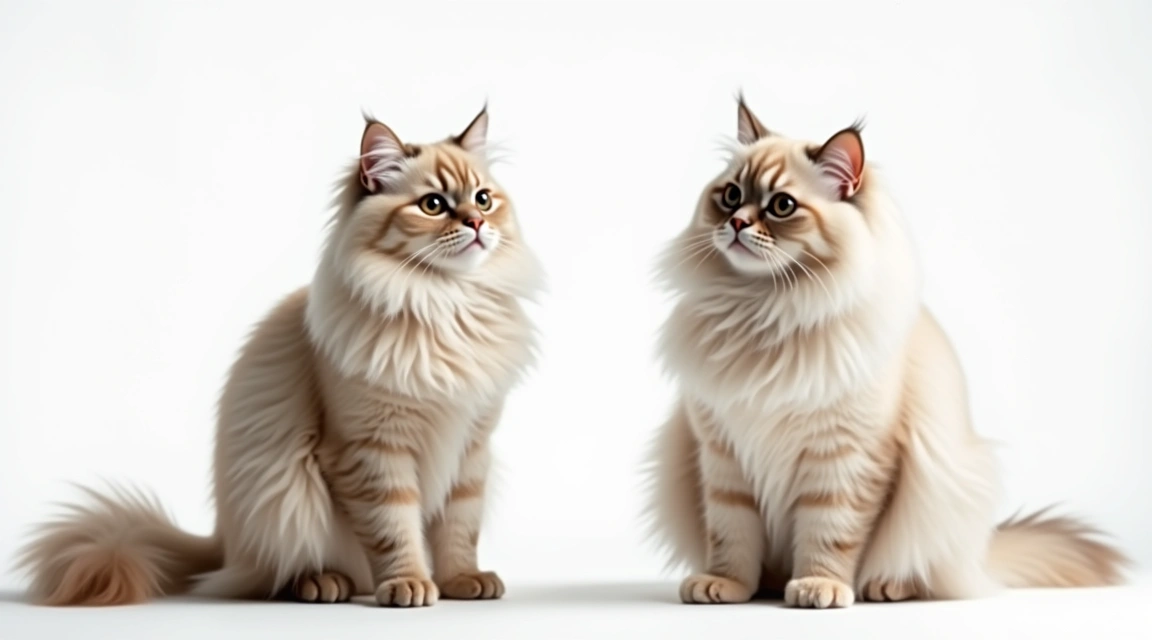
Choosing between a Persian and a Maine Coon can feel like comparing two completely different experiences. Both breeds have devoted followings across the United States, but they couldn’t be more different in personality, care requirements, and daily life. One’s a quiet lap cat who prefers stillness and routine. The other’s a playful giant who acts more like a dog than a traditional feline.
Here’s the thing : understanding these differences before you bring a cat home makes all the difference. I’ve worked with both breeds for years, and I can tell you that the right match depends entirely on your lifestyle, living space, and what you’re honestly willing to commit to. Let’s break down what living with each breed actually looks like.
Temperament and Personality Differences
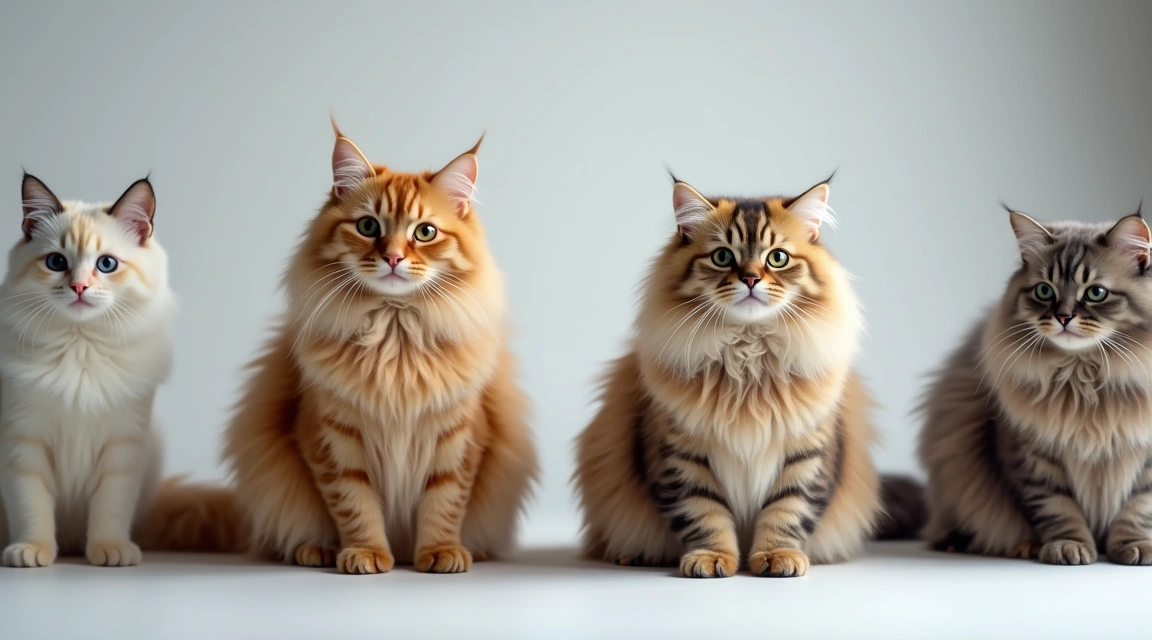
Persians are calm, gentle, and deeply affectionate without being demanding. They’re not the type to zoom around your house at three in the morning or knock things off counters for fun. Most Persians prefer a quiet lap, predictable routines, and lots of gentle attention. They bond closely with their families but aren’t usually the type to greet strangers with enthusiasm. If you want a serene companion who’s content to just be near you, a Persian fits that perfectly.
Maine Coons are the opposite in energy. They’re social, curious, and surprisingly playful well into adulthood. Don’t be surprised if your Maine Coon follows you from room to room, chirps at birds through the window, or tries to “help” with whatever you’re doing. They’re often called the dogs of the cat world because they actually enjoy interactive play and can even learn tricks. But they’re also independent enough to entertain themselves when you’re busy. If you want a cat with personality and presence, Maine Coons deliver.
Size and Physical Characteristics
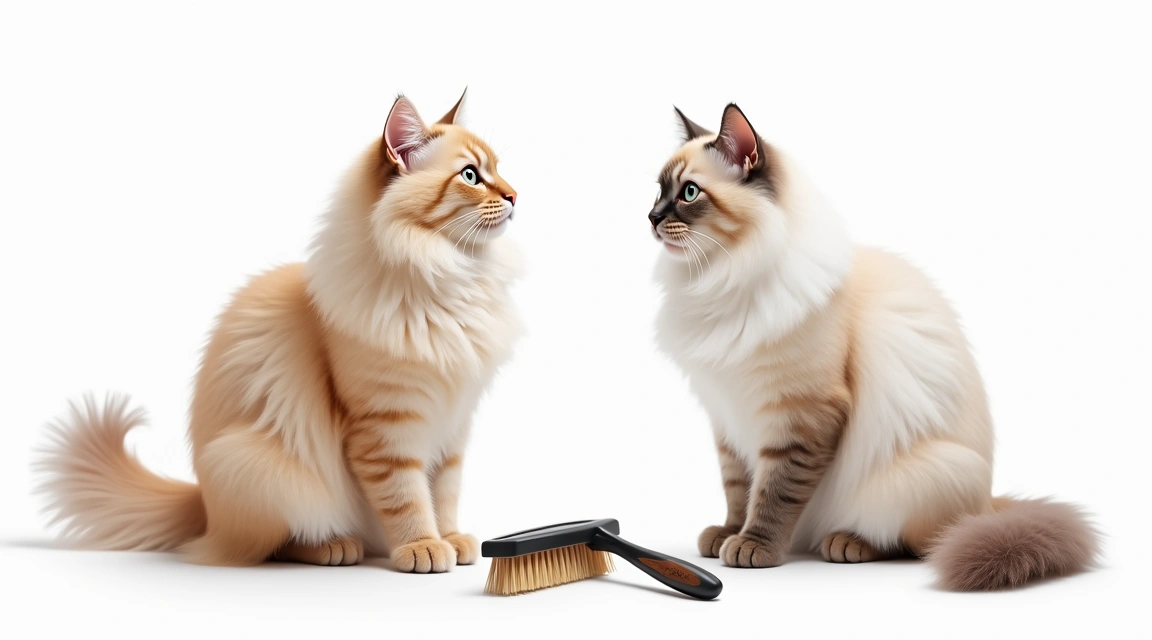
The size difference is dramatic. Persians are medium-sized cats, typically weighing between seven and twelve pounds. They have short, cobby bodies with round faces, large expressive eyes, and that signature flat nose. Everything about their build says “compact and cozy.” They’re easy to pick up, easy to hold, and don’t take up much space on your furniture.
Maine Coons are one of the largest domestic cat breeds, often reaching fifteen to twenty-five pounds. Males can be absolutely massive. They have long, muscular bodies, tufted ears, bushy tails, and a wild appearance that makes them look like they just walked out of the forest. Their size means they need more space to move around comfortably. You’ll also notice they take longer to fully mature — Maine Coons don’t reach their full size until around three to five years old, while Persians are usually done growing by two.
Grooming and Maintenance Requirements
Persians require daily grooming without exception. Their long, dense coats mat easily, especially around the neck, belly, and hindquarters. Plan on spending at least ten to fifteen minutes every day brushing with a metal comb. You’ll also need to clean their face daily because their flat facial structure leads to tear staining. Some owners keep their Persians in a shorter “kitten cut” to reduce grooming time, but even then, regular baths every four to six weeks are necessary. Honestly, if you can’t commit to this level of maintenance, a Persian isn’t the right fit.
Maine Coons also have long fur, but it’s surprisingly easier to manage. Their coat is water-resistant and doesn’t mat as readily as a Persian’s. Brushing two to three times a week is usually enough, though you’ll want to increase that during seasonal shedding periods. Their facial structure is normal, so no daily face cleaning is required. Maine Coons are generally better at self-grooming than Persians. But don’t underestimate the sheer volume of fur — you’ll still be vacuuming regularly and dealing with hairballs if you don’t stay on top of brushing.
Activity Level and Space Needs
Persians are low-energy cats that thrive in calm, stable environments. They’re perfectly happy in apartments or smaller homes as long as they have cozy spots to nap and a consistent routine. They don’t need elaborate cat trees or tons of toys. A sunny window perch and a soft bed are often enough. Persians aren’t big jumpers or climbers, so you won’t find them on top of your refrigerator. This makes them ideal for quieter households or families with older children who understand gentle handling.
Maine Coons need more space and mental stimulation. They’re natural climbers and hunters, so a tall cat tree, interactive toys, and regular playtime are essential. They do well in larger homes where they can patrol their territory and satisfy their curiosity. Maine Coons also appreciate access to windows or enclosed outdoor spaces where they can watch birds and squirrels. If you live in a tiny apartment with no vertical space, a Maine Coon might feel cramped. They’re adaptable, but they’re happiest when they have room to move.
Health Considerations and Lifespan
Persians are prone to certain breed-specific health issues, primarily related to their flat faces. Brachycephalic airway syndrome can cause breathing difficulties, especially in hot or humid weather. Polycystic kidney disease is another concern in the breed, though responsible breeders screen for this. Their eyes are also vulnerable to infections and excessive tearing. Regular veterinary checkups and staying current on preventive care are critical. With proper care, Persians typically live twelve to seventeen years.
Maine Coons are generally robust, but they have their own health risks. Hypertrophic cardiomyopathy, a heart condition, is more common in this breed than others. Hip dysplasia can also occur due to their large size. Reputable breeders screen for these conditions, so always ask about health testing if you’re adopting a kitten. Maine Coons usually live thirteen to fifteen years, though many reach their late teens with good care. Both breeds benefit from high-quality nutrition, regular vet visits, and maintaining a healthy weight.
Which Breed Fits Your Lifestyle
If you want a quiet, low-energy companion and you’re prepared for daily grooming, a Persian is an excellent choice. They’re perfect for calm households, people who work from home, or anyone who values a predictable, gentle cat. Persians don’t demand constant attention, but they do need consistency and a stable environment. If you travel frequently or have a hectic household with young kids and dogs, a Persian might find that stressful.
Maine Coons are better suited to active families or individuals who want an engaging, interactive cat. They adapt well to homes with children, other pets, and a bit of controlled chaos. If you enjoy playing with your cat, teaching them tricks, or just having a furry shadow follow you around, a Maine Coon delivers that experience. But if you’re looking for a lap cat who’s content to sit still for hours, a Maine Coon might be too energetic for your taste. They’re affectionate, but on their own terms and often in motion.
Both Persians and Maine Coons make wonderful companions when matched with the right owner. The key is being honest about your lifestyle, your time, and what you’re truly willing to commit to. Neither breed is low-maintenance, but the rewards of sharing your home with either one are absolutely worth it. Take your time, meet cats from both breeds if possible, and trust your instincts. The right cat will feel like a natural fit from day one.
Editorial Tips & Advertising Inquiries : cats@steeplechasecattery.com