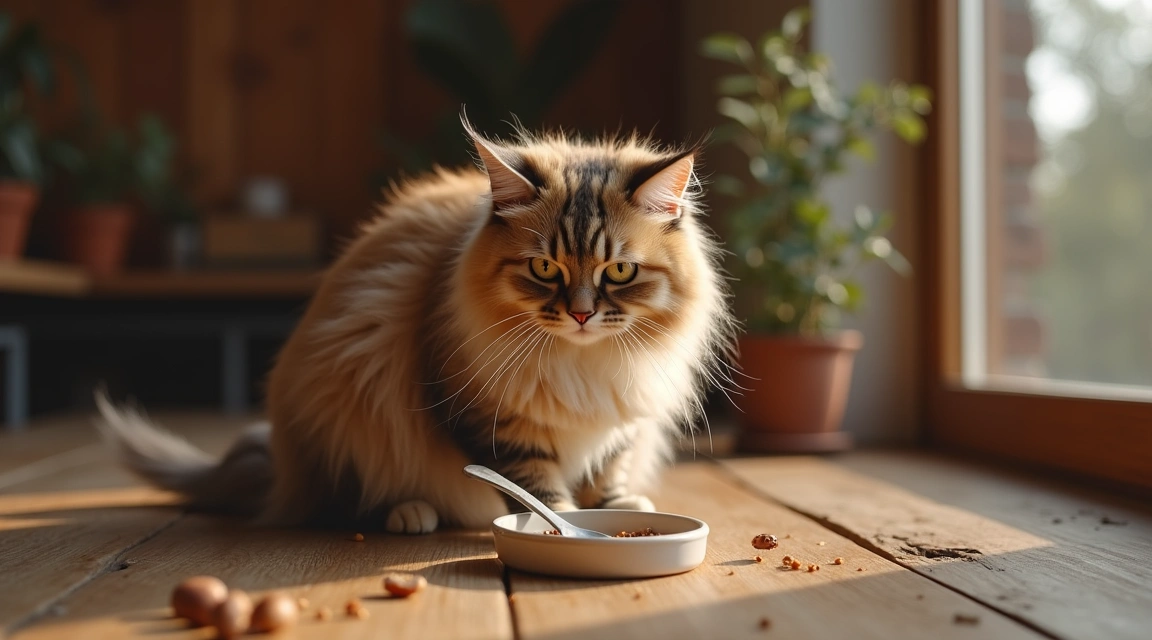
I’ve spent over a decade living with long-haired cats, from a glamorous Persian to a Maine Coon who somehow sheds more than seems physically possible. When I brought home my first fluffy feline, I quickly learned that nutrition isn’t just about filling a bowl—it’s the foundation for that luxurious coat, healthy skin, and overall wellbeing. After consulting with veterinarians, trying different diets, and watching my cats thrive (or struggle) based on what they ate, I’ve gathered practical insights that go beyond the generic advice you’ll find on most cat food packaging.
Long-haired cats have unique nutritional needs that directly impact their coat quality, digestive health, and energy levels. Whether you’re dealing with persistent hairballs, a dull coat, or just want to give your fluffy companion the best possible diet, understanding the relationship between nutrition and coat health is essential.
Why Long-Haired Cats Need Specialized Nutrition
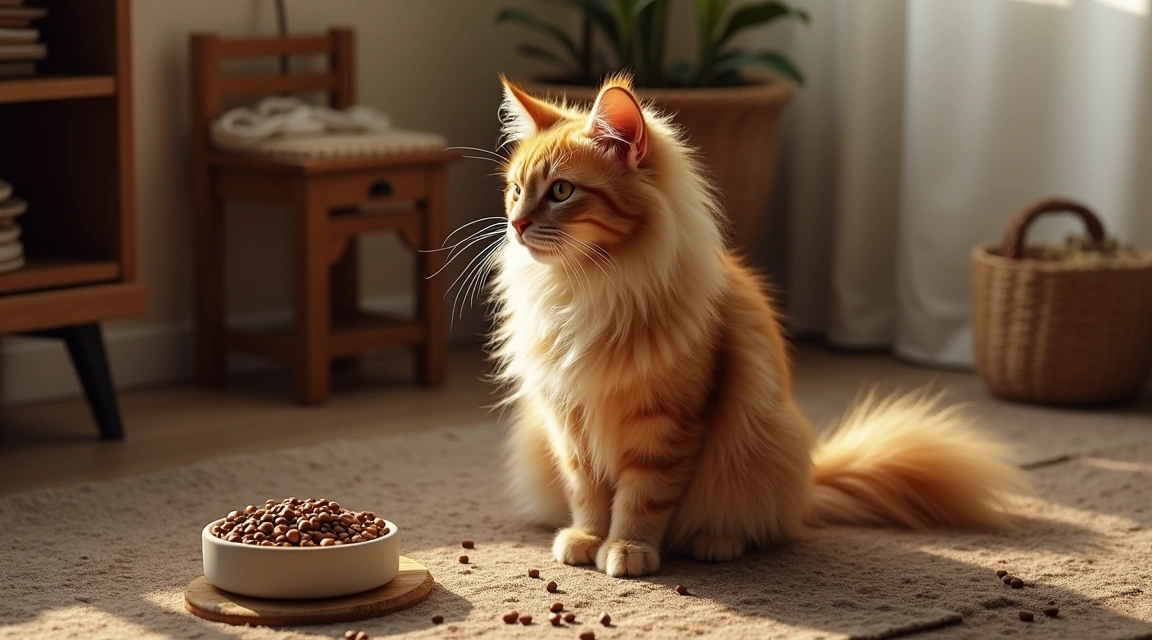
Long-haired breeds like Persians, Ragdolls, Maine Coons, and Norwegian Forest Cats face challenges their short-haired cousins don’t encounter. The most obvious is hairball formation—when cats groom themselves, they ingest significant amounts of fur that can accumulate in their digestive system. I learned this the hard way when my Persian started vomiting several times weekly until we adjusted his diet.
Beyond hairballs, long coats require specific nutrients to maintain their shine and prevent matting from the inside out. A cat’s coat is essentially made of protein—specifically keratin—so protein quality matters enormously. I’ve noticed that when I’ve tried budget foods with plant-based proteins as primary ingredients, my cats’ coats became noticeably duller within weeks. Animal-based proteins containing essential amino acids like taurine, methionine, and cysteine are crucial for coat health.
Omega fatty acids deserve special attention. Omega-3 and omega-6 fatty acids reduce inflammation, support skin health, and give coats that glossy appearance everyone admires. Fish-based formulas or foods supplemented with fish oil have consistently produced the best coat results in my experience. My Maine Coon’s coat transformed from slightly brittle to incredibly silky after switching to a salmon-enriched formula.
The Advantages of Tailored Long-Haired Cat Nutrition
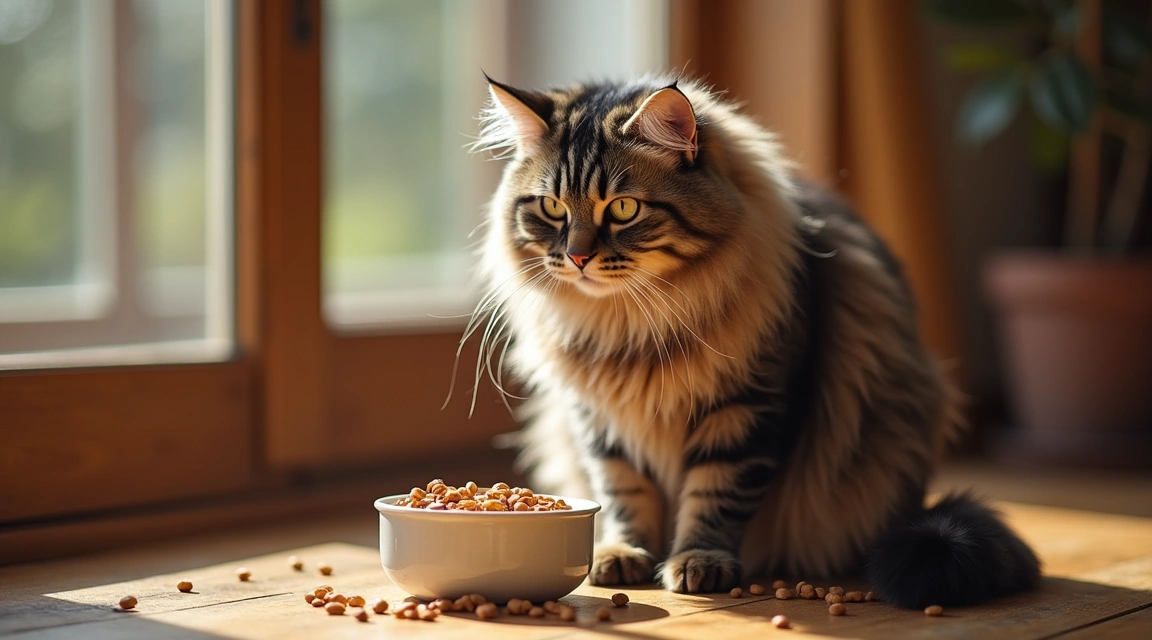
When you feed your long-haired cat properly, the benefits extend far beyond a pretty coat. The most immediate advantage I noticed was hairball reduction. Specialized formulas often include both insoluble and soluble fiber—insoluble fiber helps move ingested hair through the digestive tract, while soluble fiber can improve overall gut health. Foods with beet pulp, psyllium husk, or added vegetable fibers made a dramatic difference for my cats.
Coat quality improvement is genuinely remarkable when nutrition is optimized. Within about six to eight weeks of switching to a high-quality, protein-rich diet with adequate omega fatty acids, I saw reduced shedding, fewer mats, and significantly easier grooming sessions. The coat felt softer and looked noticeably shinier. This isn’t marketing hype—it’s visible, tangible change.
Digestive health improves considerably with the right nutrition. Long-haired cats benefit from easily digestible proteins that don’t stress their systems. Highly digestible formulas mean less waste, firmer stools, and better nutrient absorption. I’ve found that grain-free options or limited-ingredient diets work particularly well for cats with sensitive stomachs, though this varies by individual cat.
Weight management becomes easier with quality nutrition. Long-haired cats can hide weight gain under all that fluff, making obesity a sneaky problem. Nutrient-dense foods with appropriate calorie content help maintain ideal body condition without leaving your cat constantly hungry. I prefer wet food or a wet-dry combination because the moisture content helps cats feel satisfied while managing calorie intake.
The Drawbacks and Challenges
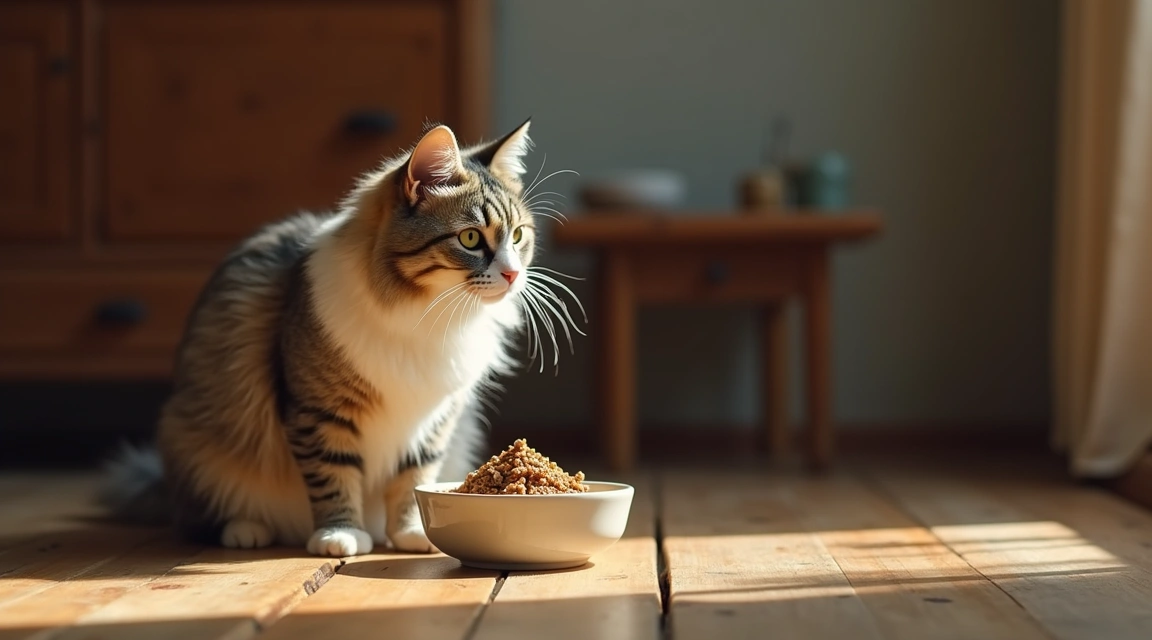
Let’s be honest—premium cat nutrition isn’t cheap. Quality long-haired cat formulas typically cost two to three times more than basic supermarket brands. When you’re feeding multiple cats, this adds up quickly. I budget around $80-120 monthly per cat for good food, which isn’t feasible for everyone. This cost factor is the most significant barrier I’ve encountered.
Transitioning diets can be frustrating. Cats are notoriously picky, and long-haired breeds seem especially prone to food preferences. I once spent three weeks gradually mixing a new, supposedly superior food into my Persian’s meals, only to have him stage a hunger strike until I relented. The gradual transition process recommended by vets (mixing 25% new food with 75% old, then slowly adjusting ratios over 7-10 days) doesn’t always work smoothly.
There’s also significant confusion in the marketplace. Every brand claims to be the best, vet-recommended, science-based, or natural. Deciphering ingredient lists requires real effort. I’ve learned to look past marketing language and focus on actual protein sources listed first, guaranteed analysis percentages, and AAFCO certification, but this learning curve is steep for new cat owners.
Some specialized formulas cause unexpected issues. Not every “hairball control” food works for every cat. I’ve had cats develop loose stools from high-fiber formulas, while others showed no improvement in hairball frequency despite claims on the packaging. Individual variation means you often need to experiment, which circles back to the cost issue.
Who Should Prioritize Specialized Long-Haired Cat Nutrition
If your long-haired cat experiences frequent hairballs—more than once weekly—investing in specialized nutrition should be a priority. This was my primary motivation, and proper diet reduced hairball incidents by roughly 70% in my experience.
Cats with dull, brittle, or excessively matting coats benefit enormously from nutritional upgrades. Before spending money on expensive grooming products or frequent professional grooming, try improving diet first. I was applying coat conditioners and supplements externally until realizing the problem started internally.
Senior long-haired cats especially need quality nutrition. As cats age, their ability to digest and absorb nutrients declines. My 14-year-old Norwegian Forest Cat maintains a surprisingly healthy coat specifically because I prioritize easily digestible, nutrient-dense food tailored to senior cats.
If you’re committed to preventive health care and willing to invest in long-term wellness over emergency vet visits, quality nutrition is foundational. I view it as health insurance—spending more on food now potentially means fewer expensive health problems later.
Frequently Asked Questions
Should I choose wet food, dry food, or a combination for my long-haired cat?
I’ve had the best results with a combination approach. Wet food provides essential moisture—most cats don’t drink enough water on their own—and tends to have higher protein content with fewer fillers. However, dry food can be more convenient and may help with dental health. I typically feed wet food twice daily and leave a small amount of high-quality dry food available for grazing. For hairball management specifically, some dry formulas designed with fiber work well, but ensure your cat drinks adequate water when eating primarily dry food.
How long does it take to see coat improvements after changing my cat’s diet?
Be patient—genuine coat improvement takes time. You’ll typically notice initial changes within 3-4 weeks, but full transformation requires 6-8 weeks or longer. This is because hair grows slowly and the hair currently visible was formed weeks ago. I track progress with monthly photos because daily observation makes gradual changes hard to notice. If you see no improvement after 10-12 weeks, the food might not suit your particular cat, or an underlying health issue might need veterinary attention.
Are grain-free diets better for long-haired cats?
This is complicated and somewhat controversial. Many long-haired cats thrive on grain-free diets, especially those with sensitivities to wheat, corn, or soy. However, recent FDA investigations into potential links between grain-free diets and heart disease in dogs (and possibly cats) have created uncertainty. I’ve personally used both grain-inclusive and grain-free formulas successfully. The key is ensuring the primary ingredients are high-quality animal proteins, not substituting grains with excessive legumes or potatoes. Consult your veterinarian about your specific cat’s needs rather than following trends. What matters most is protein quality and digestibility, not grain presence or absence alone.