
$
Introduction
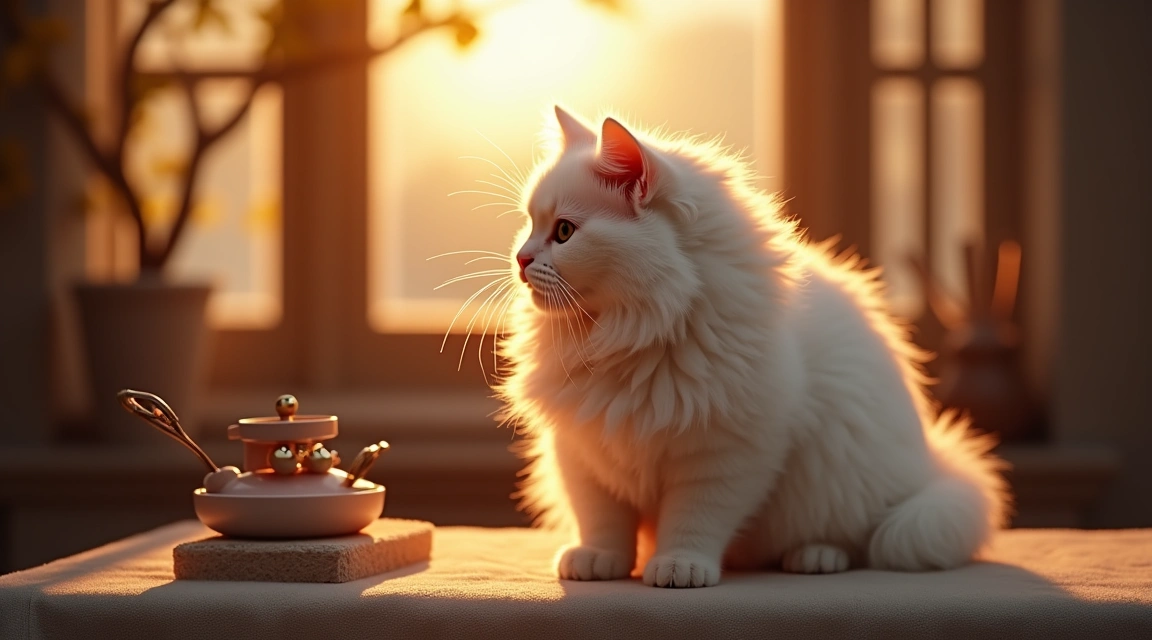
Persian cats are renowned for their luxurious, flowing coats that cascade like silk. However, this stunning feature comes with significant grooming responsibilities. Unlike short-haired breeds that require minimal maintenance, Persians demand daily attention to prevent matting, reduce shedding, and maintain skin health. Without a consistent grooming routine, their beautiful fur can quickly become tangled, uncomfortable, and even lead to health issues.
This comprehensive guide provides a practical Persian cat grooming routine designed to keep your feline companion’s coat in optimal condition while making the process manageable for both you and your cat. Whether you’re a new Persian owner or looking to refine your current approach, understanding the right tools, techniques, and frequency will transform grooming from a chore into quality bonding time.
Essential Grooming Tools and Their Purpose
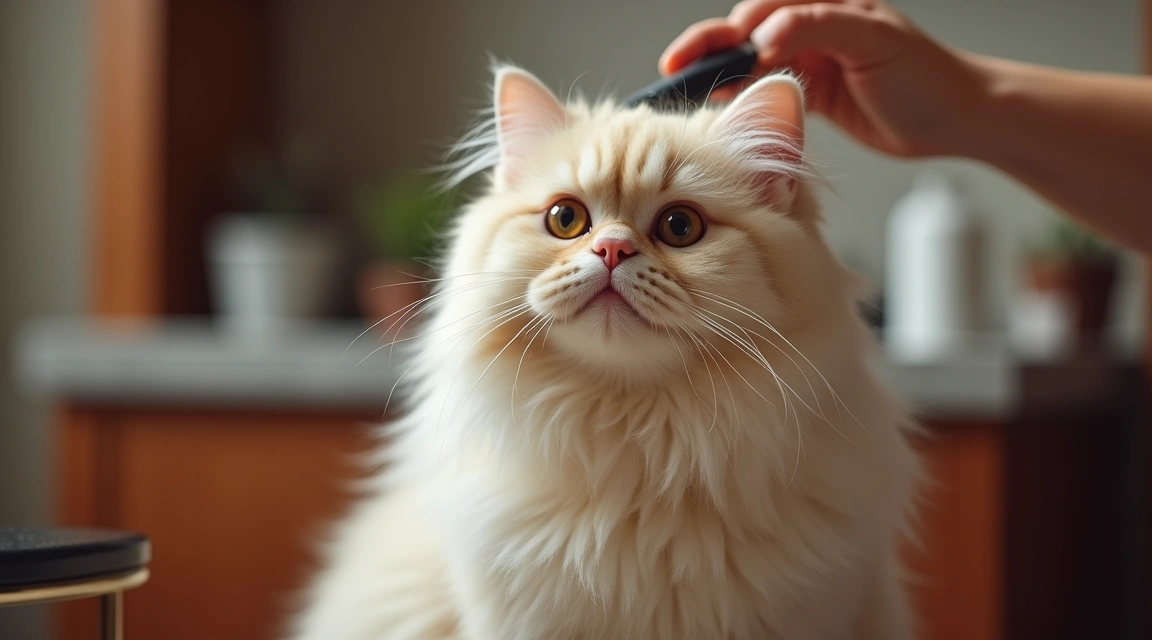
Before establishing a routine, you need the right equipment. Not all grooming tools are created equal, and choosing appropriate implements makes the difference between a pleasant experience and a frustrating struggle.
Wide-Tooth Metal Comb: This is your primary tool for Persian grooming. Metal combs with rotating teeth gently work through the dense undercoat without causing static or breakage. Start with wider spacing to tackle initial tangles, then finish with finer teeth for a polished look.
Slicker Brush: These brushes feature fine, bent wire bristles that effectively remove loose fur and distribute natural oils throughout the coat. Use gentle pressure to avoid scratching your cat’s sensitive skin. Many Persian owners report significant success with stainless steel slicker brushes that resist bacterial buildup.
Mat Splitter or Dematting Comb: Despite your best efforts, mats occasionally form, especially behind the ears, under the armpits, and around the hindquarters. A specialized mat splitter safely cuts through tangles without pulling on the skin.
Grooming Scissors with Rounded Tips: For trimming fur around the rear end and paw pads, safety scissors prevent accidental nicks. Regular sanitary trims keep your Persian cleaner and more comfortable.
Tearless Shampoo and Conditioner: Persian coats benefit from monthly bathing with products specifically formulated for cats. Look for moisturizing formulas that won’t strip essential oils while keeping the coat soft and manageable.
Daily Grooming Routine: Step-by-Step
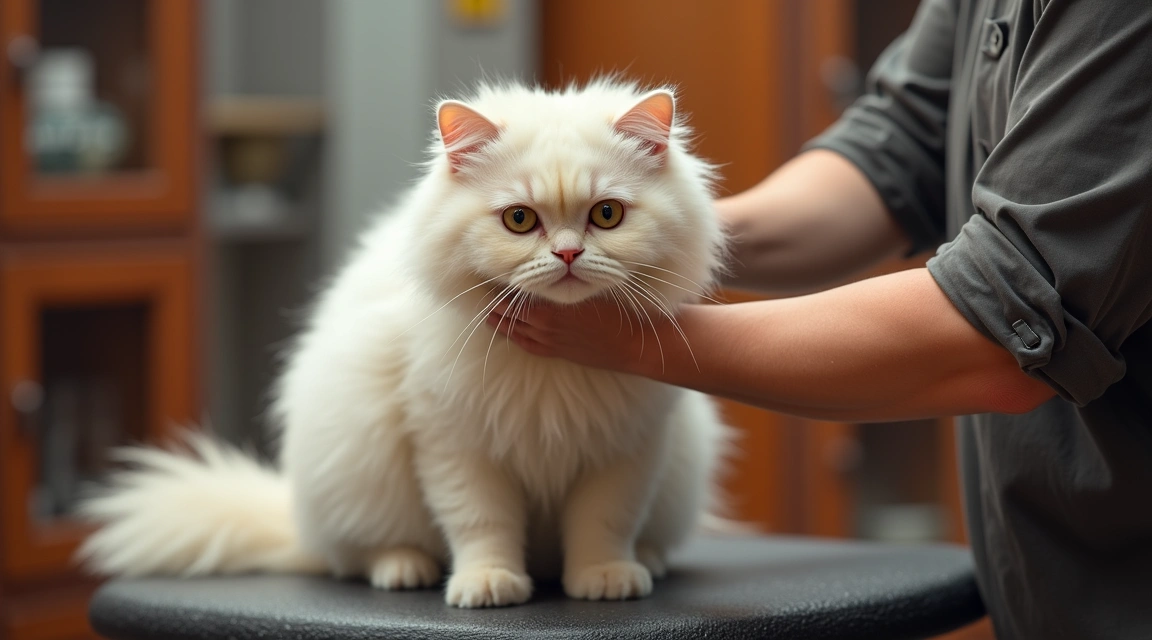
Consistency is paramount when grooming Persians. A daily routine prevents the overwhelming tangles that result from sporadic attention.
Step 1: Choose the Right Time (5 minutes) Select a moment when your cat is relaxed—often after a meal or play session. Create a comfortable grooming station with good lighting and a non-slip surface. Many owners successfully groom their Persians while watching television, turning it into a predictable daily ritual.
Step 2: Initial Inspection and Petting (2 minutes) Begin by gently petting your Persian to check for any unusual lumps, skin irritations, or existing mats. This tactile examination helps you identify problem areas before you begin brushing and keeps your cat calm through familiar, affectionate touch.
Step 3: Comb Through Sections (10-15 minutes) Divide the coat into manageable sections: chest, sides, back, belly, legs, and tail. Work methodically through each area with your wide-tooth comb, always combing in the direction of hair growth. Start at the skin and work outward to catch tangles early. Pay special attention to friction zones where mats commonly develop.
Step 4: Slicker Brush Finish (5 minutes) After combing, use the slicker brush to capture loose undercoat and give the fur a fluffy, polished appearance. Use light strokes—excessive pressure can irritate the skin and make your cat resistant to future grooming sessions.
Step 5: Face and Ear Care (3 minutes) Persian cats are prone to tear staining due to their facial structure. Gently wipe around the eyes daily with a damp, soft cloth or specialized tear stain wipes. Check ears weekly for dirt or excess wax, cleaning with a veterinarian-approved solution when necessary.
Grooming Tool Comparison
Choosing between grooming tool options can be overwhelming. Here’s an objective comparison of popular approaches:
| Tool Category | Budget Option | Mid-Range Option | Premium Option | Best For |
|---|---|---|---|---|
| Comb | Basic metal comb ($8-12) | Rotating-pin stainless steel comb ($15-25) | Handcrafted German steel comb ($35-50) | Budget: Occasional use; Mid-range: Daily grooming; Premium: Professional-quality results |
| Brush | Standard slicker brush ($10-15) | Self-cleaning slicker with ergonomic handle ($20-30) | Chris Christensen Big G slicker ($40-55) | Budget: Beginners; Mid-range: Regular home grooming; Premium: Show cats or severe shedding |
| Dematting Tool | Simple mat rake ($12-18) | Multi-blade mat splitter ($22-32) | Professional dematting comb set ($45-60) | Budget: Light matting; Mid-range: Moderate tangles; Premium: Rescue cats or neglected coats |
| Bathing Products | Generic cat shampoo ($8-12) | Specialized Persian formula ($18-28) | Bio-Groom or Isle of Dogs luxury line ($30-45) | Budget: Cost-conscious owners; Mid-range: Quality without excess; Premium: Show preparation or sensitive skin |
For New Persian Owners: Start with mid-range tools. They provide excellent results without the learning curve required for premium implements.
For Experienced Groomers: Invest in premium tools if you groom multiple cats or prepare for shows. The durability and performance justify the cost.
For Budget-Conscious Cat Parents: Budget tools work adequately if you maintain strict daily consistency. However, plan to replace them more frequently.
Weekly and Monthly Maintenance Tasks
Beyond daily brushing, certain grooming tasks require less frequent attention but remain essential for coat health.
Weekly Tasks:
- Nail Trimming: Persian cats typically need nail trims every 7-10 days. Use cat-specific clippers and trim only the translucent tip to avoid the quick.
- Sanitary Trim: Check the fur around the rear end and trim if necessary to prevent fecal matter from clinging to the coat.
- Deep Combing Session: Once weekly, spend extra time with a fine-tooth comb to catch any developing mats you might have missed during daily grooming.
Monthly Tasks:
- Full Bath: Bathe your Persian approximately once a month, or when the coat feels greasy. Use lukewarm water, work shampoo gently into the fur, rinse thoroughly, and follow with conditioner. Towel dry first, then use a low-heat blow dryer while brushing to prevent tangles as the coat dries.
- Paw Pad Inspection: Check between toe pads for matted fur or debris. Trim excess fur to prevent slipping on smooth floors.
Troubleshooting Common Grooming Challenges
Even with perfect technique, you’ll encounter occasional difficulties. Here’s how to address them:
Resistant or Aggressive Cats: Start with very short sessions (3-5 minutes) and gradually increase duration as your cat becomes accustomed to the routine. Offer treats immediately after grooming to create positive associations. If your Persian becomes truly aggressive, consult your veterinarian about anxiety-reducing techniques or professional groomer assistance.
Severe Matting: Never try to cut out large mats with regular scissors—you risk injuring your cat. Instead, work the mat splitter carefully between the skin and the tangle, or visit a professional groomer for safe removal. Severely matted cats sometimes require sedation and shaving by a veterinarian.
Excessive Shedding: While Persians naturally shed year-round, excessive hair loss may indicate dietary deficiencies, stress, or health issues. Ensure your cat receives high-quality protein in their diet and maintain consistent grooming. If shedding seems abnormal, schedule a veterinary examination.
Verdict: Building a Sustainable Routine
A successful Persian cat grooming routine balances thoroughness with practicality. The ideal approach involves:
- Daily combing and brushing: 15-20 minutes
- Weekly detailed maintenance: 30 minutes
- Monthly bathing: 45-60 minutes
This investment—approximately 2.5-3 hours weekly—prevents the matted coats, skin infections, and costly professional grooming interventions that result from neglect. More importantly, regular grooming allows you to monitor your Persian’s health, catching potential issues before they become serious.
Start your routine slowly if you’re new to Persian ownership. Consistency matters more than perfection. As you and your cat develop a comfortable rhythm, grooming transforms from obligation into an enjoyable ritual that strengthens your bond while maintaining that signature Persian magnificence.
Remember: every cat is unique. Adjust this routine based on your Persian’s individual coat texture, tolerance, and lifestyle. The goal isn’t achieving perfection but maintaining a healthy, comfortable, mat-free coat that allows your Persian to look and feel their best.