
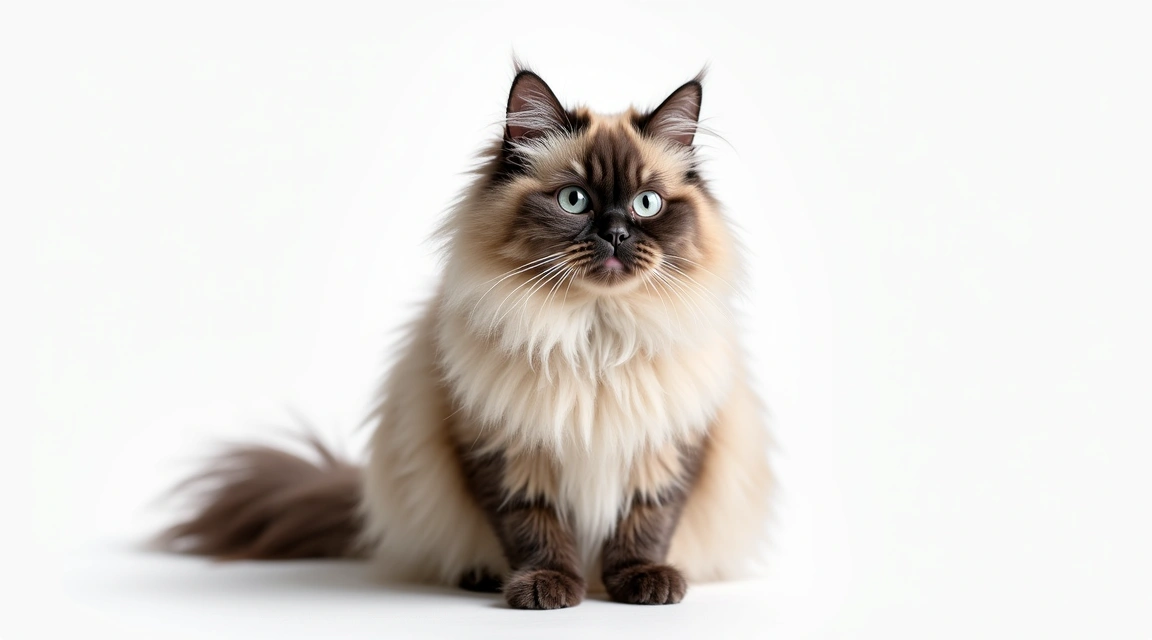
Persian cats aren’t known for complaining. They’ll sit there looking regal while dealing with discomfort you’d never guess existed. That’s exactly why knowing when to take your Persian to the vet can be tricky — and why it matters so much.
Here’s the thing : Persians face unique health challenges due to their flat faces, long coats, and genetic predispositions. What looks like a minor sniffle in another breed might signal a serious respiratory issue in a Persian. Regular vet visits aren’t just about vaccines. They’re your best defense against problems that develop quietly until they’re hard to manage.
Why Persian Cats Need Consistent Veterinary Care
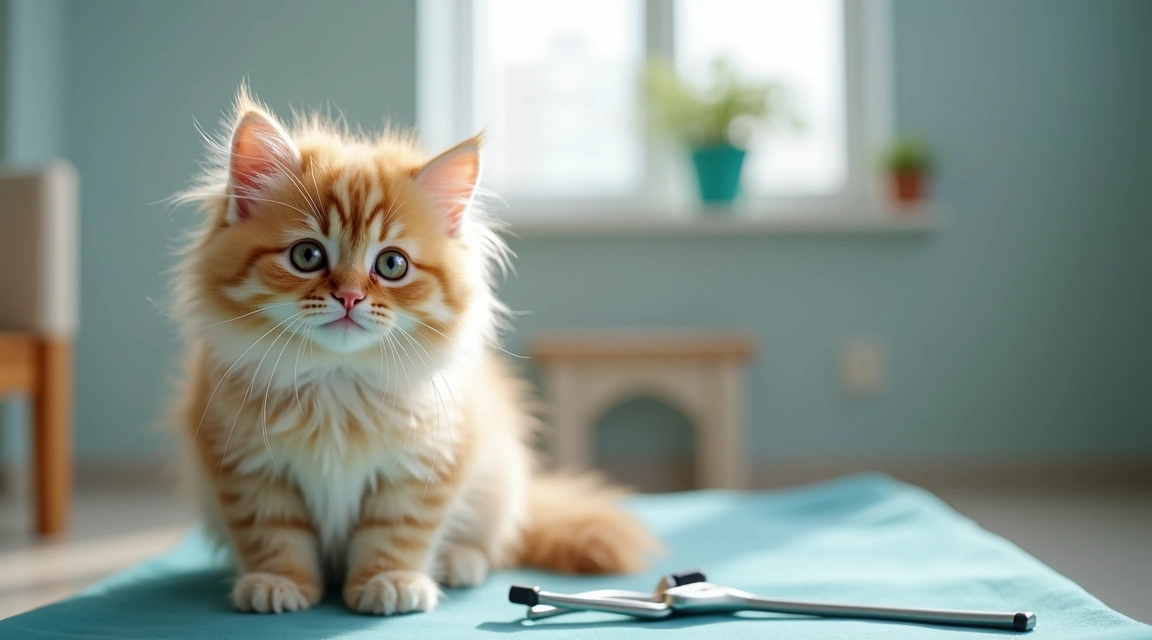
Persians are brachycephalic, which means their shortened skull structure creates specific health vulnerabilities. Their flat faces make them prone to breathing difficulties, dental crowding, and eye drainage issues. Routine veterinary monitoring catches these problems before they escalate into emergency situations requiring costly interventions.
Beyond their facial structure, Persians carry genetic risks for polycystic kidney disease, hypertrophic cardiomyopathy, and progressive retinal atrophy. You can’t spot these conditions at home. Regular blood work, kidney function tests, and cardiac screenings — typically starting around age seven — help detect issues early when management options are most effective. The earlier you catch kidney changes, the longer you can maintain quality of life through diet and medication.
What Persian Cat Owners Notice Before Vet Visits
Most Persian owners bring their cats in after noticing subtle behavioral shifts. Your Persian might eat a bit less, groom differently, or choose spots they normally ignore. These aren’t dramatic changes. They’re quiet signals that something feels off.
Respiratory changes are particularly common. Persians naturally breathe more audibly than other breeds, but increased snoring, open-mouth breathing, or discharge from the nose warrants immediate attention. Eye issues show up as excessive tearing, crusty buildup, or squinting — all signs that the shallow eye sockets are causing irritation or infection. And don’t ignore litter box changes. Straining, crying while urinating, or going outside the box can indicate anything from bladder stones to kidney problems.
Weight loss deserves special attention. Persians have thick coats that hide body condition changes. Run your hands along your cat’s spine and ribs regularly. If you’re suddenly feeling bones you didn’t notice before, schedule an exam even if everything else seems normal.
How Regular Vet Visits Protect Your Persian’s Health
Annual wellness exams aren’t just formalities. They establish baseline health data your veterinarian uses to spot trends over time. Blood pressure readings, weight tracking, and dental assessments create a health history that makes early detection possible. When you bring your Persian in yearly, your vet knows what’s normal for your specific cat.
Preventive care pays off financially and emotionally. Catching dental disease before it requires extractions saves both money and your cat’s comfort. Identifying early kidney changes allows dietary intervention that can add years of quality life. Senior Persians — those seven and older — benefit from twice-yearly exams because age-related conditions progress faster and respond better to early treatment.
Vaccinations follow standardized schedules, but your vet tailors the plan based on your Persian’s lifestyle. Indoor-only cats need fewer vaccines than those who board or show. Discuss your cat’s specific risk factors rather than assuming a one-size-fits-all approach. Rabies vaccines are legally required in most US states regardless of indoor status.
Practical Signs Your Persian Needs Immediate Veterinary Attention
Some symptoms can’t wait for the next scheduled checkup. Difficulty breathing — gasping, blue-tinged gums, or extreme effort to inhale — requires emergency care. Persians can develop acute respiratory distress faster than other breeds due to their anatomy.
Sudden lethargy combined with loss of appetite signals potential illness. If your normally social Persian hides for more than 24 hours or refuses two consecutive meals, call your vet. Cats are masters at hiding pain, so by the time they show obvious distress, the problem is already serious. Vomiting more than twice in 24 hours, especially with lethargy or diarrhea, warrants same-day evaluation to prevent dehydration.
Watch for changes in drinking habits. Increased thirst paired with increased urination often indicates kidney issues or diabetes — both manageable with early diagnosis but dangerous if ignored. Conversely, if your Persian stops drinking or seems weak, don’t wait. Dehydration progresses rapidly in cats and requires immediate fluid therapy.
Eye injuries need prompt attention. Persians’ prominent eyes are vulnerable to scratches and ulcers. If you notice sudden squinting, cloudiness, or your cat pawing at their face, get them examined within hours. Corneal ulcers can worsen quickly and threaten vision.
What to Expect During Your Persian’s Veterinary Examination
A thorough exam starts with weight and temperature checks, followed by listening to heart and lungs. Your vet will examine your Persian’s eyes for drainage issues, ulcers, or signs of progressive retinal atrophy. They’ll check teeth and gums, which is particularly important because dental disease affects overall health and is common in brachycephalic breeds.
Abdominal palpation helps detect masses, organ enlargement, or pain responses. Your vet will assess coat condition, skin health, and check for parasites or signs of excessive grooming. For senior Persians, expect recommendations for blood work to evaluate kidney function, liver enzymes, and thyroid levels — these tests catch age-related conditions before symptoms appear.
Come prepared with observations. Note any changes in eating, drinking, litter box habits, activity level, or breathing. Bring a list of questions rather than trying to remember everything during the appointment. If your Persian takes medications or supplements, bring the bottles so your vet can verify dosages and check for interactions.
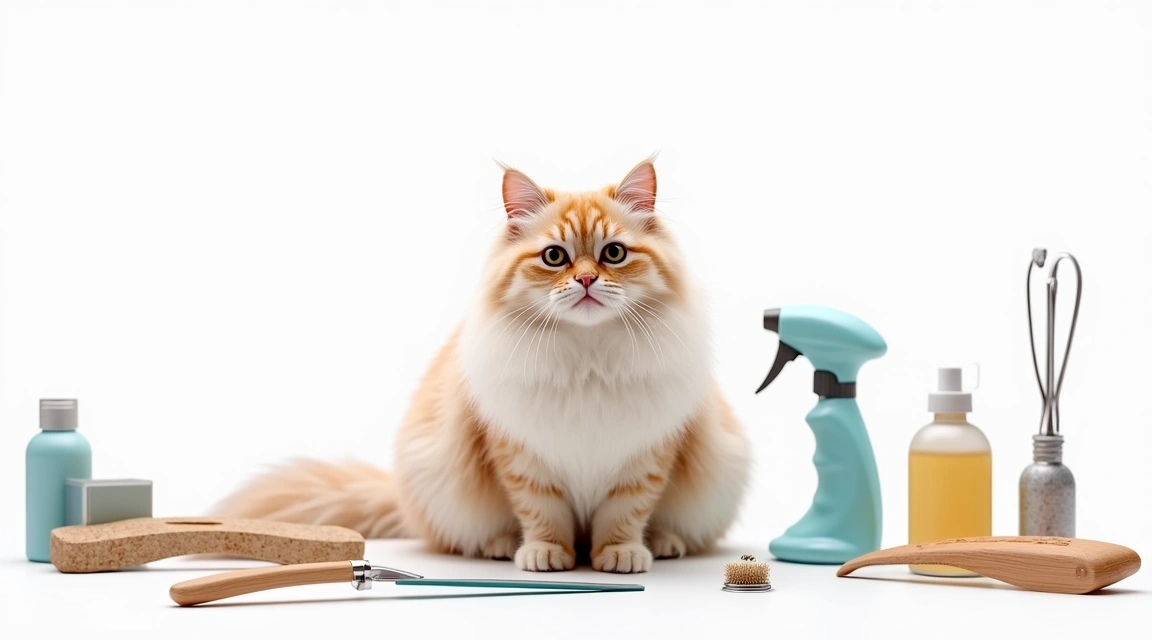
Discuss grooming challenges honestly. Matted fur isn’t just cosmetic — it causes skin infections and discomfort. Your vet can recommend solutions, from professional grooming schedules to coat-specific products. They might also spot skin issues hidden beneath all that fur.
Persian cats thrive with proactive veterinary partnerships. Annual exams catch developing problems, while knowing emergency warning signs ensures you act quickly when serious issues arise. Your vet isn’t just treating illness — they’re helping you give your Persian the longest, healthiest life possible. Pay attention to subtle changes, stick to recommended checkup schedules, and don’t hesitate to call when something feels off. That beautiful face depends on you to speak up when they can’t.
Editorial Tips & Advertising Inquiries : cats@steeplechasecattery.com