
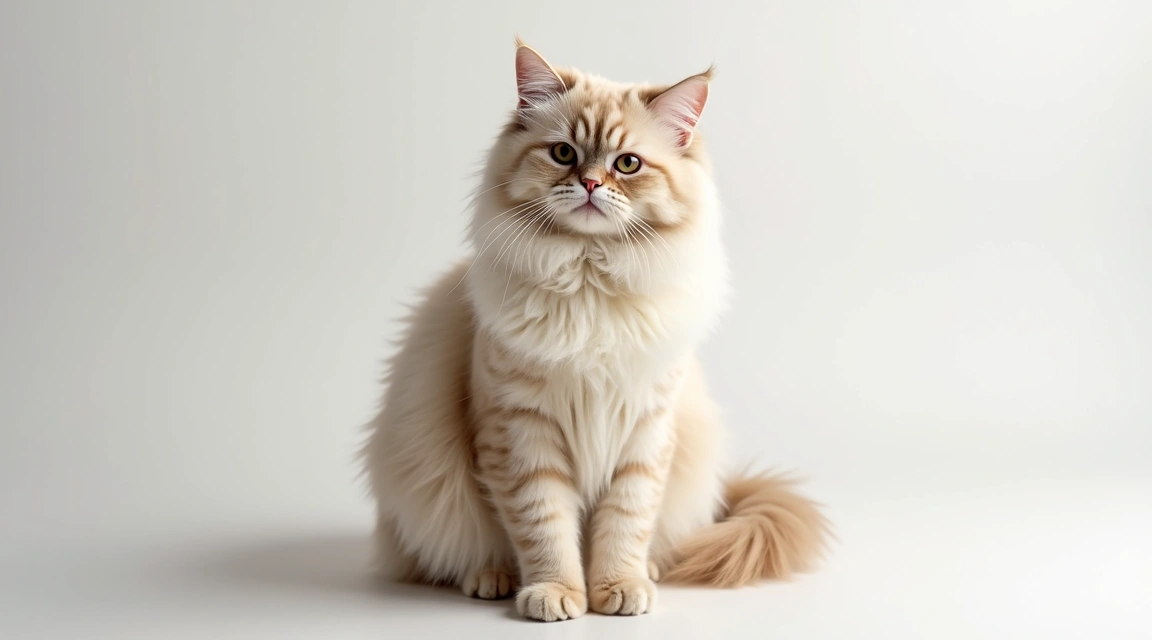
Persian cats are known for their luxurious coats and gentle temperaments, but they’re also predisposed to certain health challenges that owners need to understand. Kidney disease ranks among the most serious conditions affecting this beloved breed, and catching it early can make all the difference in your cat’s quality of life. I’ve worked with countless Persian owners over the years, and the ones who spot the warning signs early give their cats the best chance at longer, healthier lives.
Here’s the thing : kidney disease doesn’t announce itself with dramatic symptoms right away. It’s sneaky. Your Persian might seem perfectly fine until the disease has already progressed. That’s why knowing what to watch for becomes absolutely critical for anyone sharing their home with this beautiful breed.
Why Persian Cats Face Higher Kidney Disease Risk
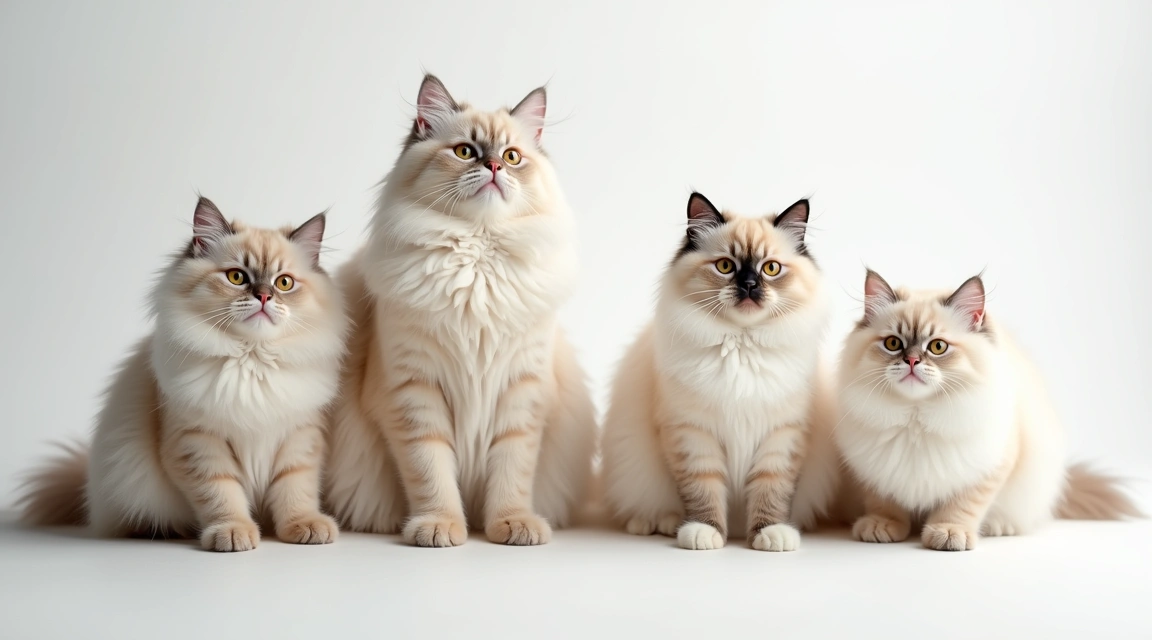
Persians carry a genetic predisposition to polycystic kidney disease, or PKD for short. This inherited condition causes fluid-filled cysts to develop in the kidneys over time, gradually destroying healthy kidney tissue. Not every Persian develops PKD, but the breed’s genetic history means they’re more vulnerable than many other cats. The condition typically shows up in middle-aged to senior cats, though symptoms can appear earlier in some cases.
Beyond PKD, Persians can develop chronic kidney disease from other causes too. Their flat facial structure sometimes correlates with other internal variations that may affect kidney function. It’s not a guarantee your Persian will face kidney problems, but awareness helps you stay vigilant. Regular veterinary checkups become your best defense, especially as your cat ages past seven years old.
Recognizing the Earliest Warning Signs
The first signs of kidney trouble are often subtle. Increased thirst is typically one of the earliest red flags. You might notice your Persian spending more time at the water bowl or seeking out faucets and sinks. Honestly, this single change should prompt a vet visit, even if everything else seems normal. Along with increased drinking comes increased urination, so you’ll be cleaning the litter box more frequently.
Weight loss that happens gradually can slip past you if you’re not paying attention. Your Persian’s thick coat hides body condition changes really well. Make it a habit to feel along your cat’s spine and ribs during grooming sessions. If you’re noticing more bone prominence than before, that’s worth investigating. Other early signs include decreased appetite, occasional vomiting, and just seeming a bit off. Maybe your Persian doesn’t greet you at the door like usual or skips playtime more often.
How Kidney Disease Progresses in Persian Cats
Kidney disease moves through stages, and the early stages are when intervention matters most. In the beginning, your cat’s kidneys might be functioning at 70-75% capacity, which sounds decent until you realize they’re silently losing ground. Cats are masters at hiding illness, an evolutionary trait that kept wild cats from appearing vulnerable to predators. Your Persian will act relatively normal even as kidney function declines.
As the disease advances, symptoms become more obvious. You might see lethargy, poor coat condition despite regular grooming, bad breath with an ammonia-like smell, and mouth ulcers. Some Persians develop high blood pressure as a secondary complication, which can lead to sudden blindness if untreated. The truth is, once you’re seeing multiple obvious symptoms, the kidneys have likely lost significant function. That’s exactly why early detection through routine bloodwork becomes so valuable.
Practical Steps for Early Detection and Management
Schedule bloodwork for your Persian starting around age seven, even if they seem perfectly healthy. A basic senior panel checks kidney values like creatinine and BUN, which reveal how well the kidneys are filtering waste. Catching elevated values early gives you time to make dietary changes and start supportive treatments before major damage occurs. I recommend annual screenings for middle-aged Persians and twice yearly for cats over ten years old.
Keep a health journal for your Persian. It sounds old-fashioned, but it works. Note their water consumption, litter box habits, weight, and appetite weekly. Changes that develop slowly over months might not register in your memory, but they’ll jump out from written records. If your Persian is genetically tested and confirmed PKD-positive, work closely with your vet to establish a monitoring schedule. Some cats with PKD never develop significant symptoms, while others need intervention earlier.
What to Expect with Treatment and Long-Term Care
If your Persian is diagnosed with kidney disease, don’t panic. Early-stage management focuses on prescription kidney diets that reduce protein waste and phosphorus levels, taking stress off the kidneys. You might also use phosphate binders, medications to control blood pressure, and subcutaneous fluids if recommended. Many Persian cats with well-managed kidney disease continue enjoying good quality of life for years after diagnosis.
The key is consistency. Kidney disease isn’t curable, but it’s manageable with dedication. You’ll become familiar with giving medications, possibly administering fluids at home, and monitoring for changes that signal the need for treatment adjustments. Some cats are cooperative patients, others not so much. But most Persians, with their generally calm temperaments, adapt pretty well to treatment routines once they realize you’re trying to help.
Kidney disease in Persian cats is serious, but knowledge puts you in the driver’s seat. Watch for those early warning signs, stay current with veterinary checkups, and trust your instincts when something seems off. Your Persian depends on you to notice what they’re working so hard to hide. With proactive care and early intervention, you’re giving your companion the best possible chance at a longer, more comfortable life. That’s what responsible Persian ownership looks like, and your cat will benefit from every bit of attention you invest in their health.
Editorial Tips & Advertising Inquiries : cats@steeplechasecattery.com
📖 Related Articles