
$
Heavy Shedding Is Normal—But Manageable with the Right Approach
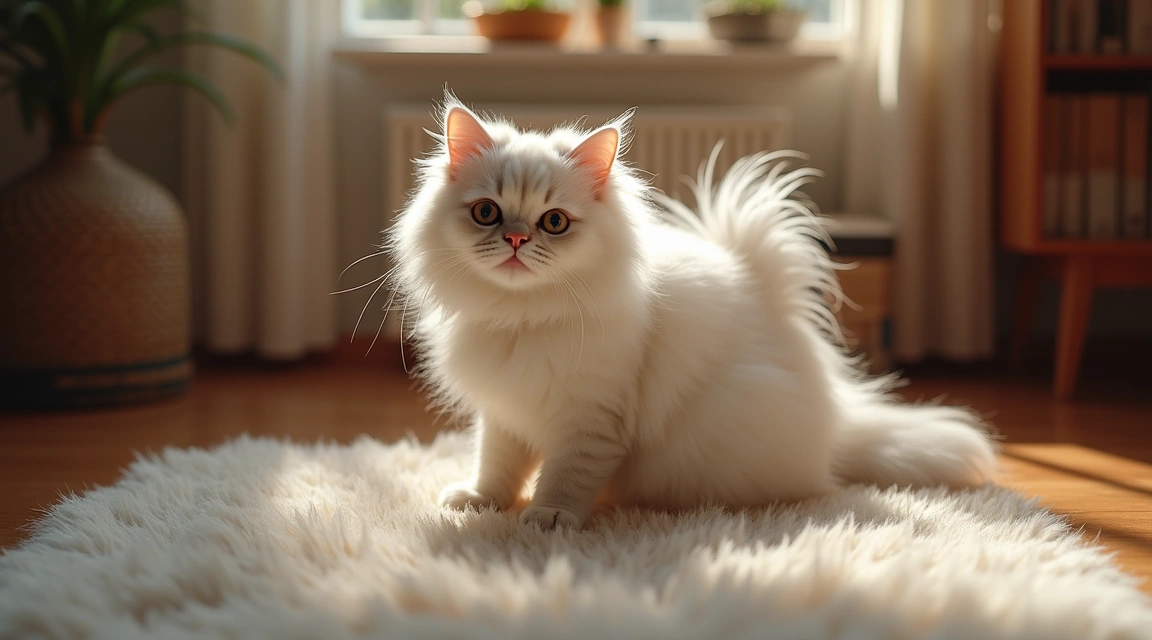
Persian cats shed year-round, producing significantly more loose fur than most breeds due to their dense, double-layered coats that can reach up to five inches in length. According to veterinary dermatologists, Persians lose hair daily as part of their natural growth cycle, with seasonal peaks in spring and fall when they transition between winter and summer coats. While you cannot stop a Persian from shedding, strategic grooming and environmental controls can reduce airborne fur by up to 80 percent, preventing matting and minimizing allergens throughout your home.
Understanding the Persian Coat Structure
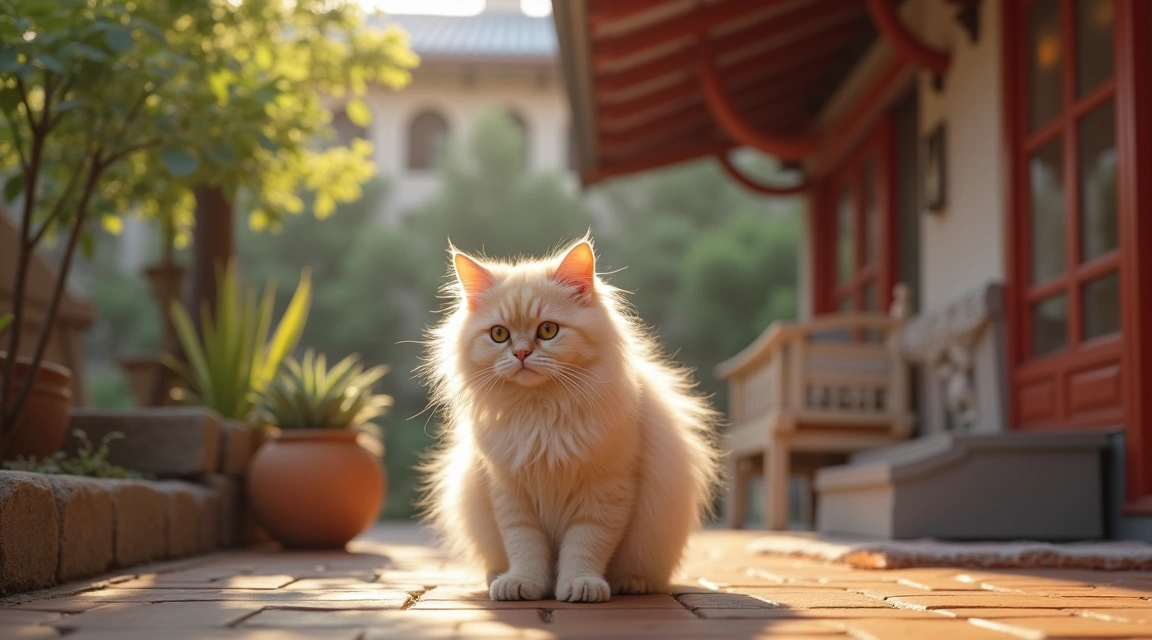
Persian cats possess one of the most demanding coat types in the feline world. Their fur consists of a soft, thick undercoat topped by longer guard hairs, creating the breed’s signature fluffy appearance. This double-layer system traps dead hair close to the skin rather than allowing it to fall naturally, which is why Persians require human intervention to remove loose fur before it forms mats or spreads throughout living spaces.
The breed’s facial structure also complicates grooming. Their flat faces and large eyes make self-grooming less effective than in other breeds, leaving owners responsible for most coat maintenance. Without consistent care, a Persian’s coat can develop painful mats within days, particularly behind the ears, under the legs, and along the belly where friction is highest.
Daily Brushing: The Foundation of Shedding Control
Invest in a metal comb with rotating teeth as your primary grooming tool. Dr. Jennifer Coates, a veterinary advisor with extensive feline dermatology experience, explains: “Daily combing is non-negotiable for Persian owners. You need to reach through that dense undercoat to remove dead hair at the skin level, not just skim the surface layer.” Start with a wide-toothed comb to work through any tangles, then follow with a fine-toothed comb to capture loose undercoat.
Establish a 10-15 minute daily routine, ideally at the same time each day so your cat anticipates and accepts the process. Work in sections—face, neck, chest, back, sides, belly, legs, and tail—using gentle strokes in the direction of hair growth. Pay special attention to high-friction areas where mats form quickly.
Bathing Schedule and Technique
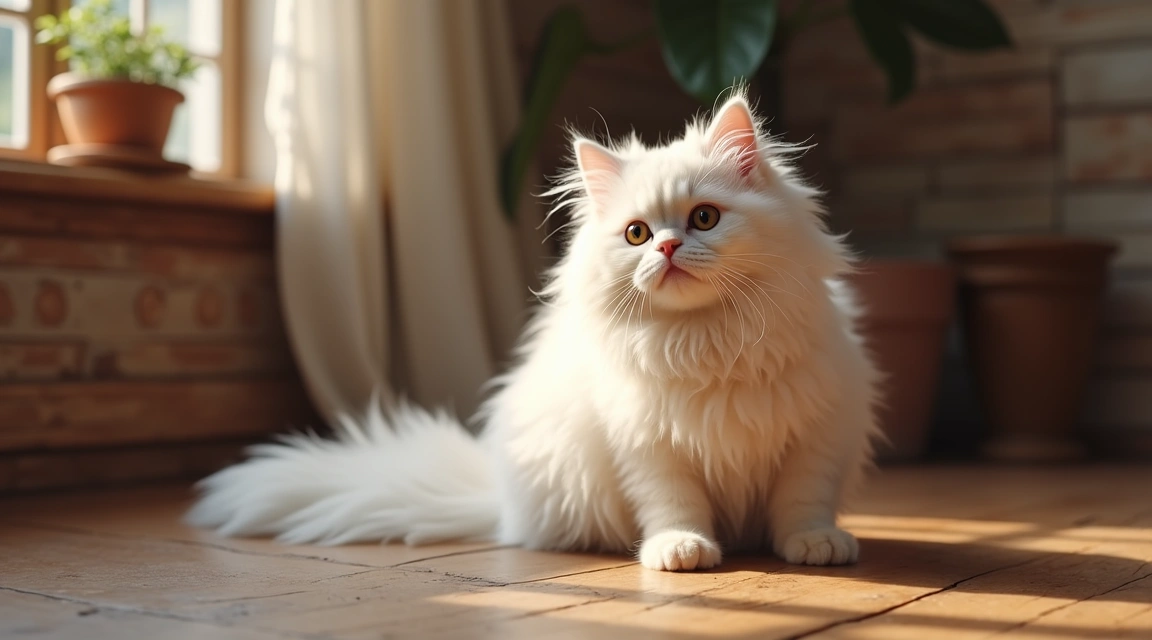
Persian cats benefit from bathing every 4-6 weeks, unlike most felines that rarely need baths. Use a moisturizing cat shampoo formulated for long-haired breeds, which helps loosen dead undercoat during the washing process. Before bathing, thoroughly comb out all tangles—water will lock mats into place, making them nearly impossible to remove without clipping.
After shampooing, apply a leave-in conditioner or detangling spray designed for cats. This reduces static electricity that causes loose hair to cling to furniture and clothing. Blow-dry on a low, cool setting while combing continuously to prevent new mats from forming as the coat dries.
Environmental and Dietary Support
High-quality nutrition directly impacts shedding intensity. Foods rich in omega-3 and omega-6 fatty acids strengthen hair follicles and reduce excessive shedding caused by nutritional deficiencies. Look for cat foods listing salmon oil, flaxseed, or fish meal in the first five ingredients.
Maintain humidity levels between 40-50 percent in your home, particularly during winter when heating systems create dry air that weakens hair shafts. A humidifier in your cat’s primary living space can reduce brittle hair breakage that contributes to excess shedding.
Vacuum twice weekly with a HEPA-filter vacuum that traps fine cat hair and dander. Washable furniture covers and air purifiers with activated carbon filters capture airborne fur before it settles on surfaces.
Professional Grooming and Health Monitoring
Consider professional grooming every 8-12 weeks, especially if your cat resists home grooming sessions. Professional groomers can perform sanitary trims, paw pad hair removal, and thorough de-shedding treatments that complement your daily routine.
Sudden increases in shedding warrant veterinary attention. Conditions including hyperthyroidism, allergies, parasites, and stress can trigger abnormal hair loss. If you notice bald patches, skin redness, or dramatic changes in shedding patterns, consult your veterinarian to rule out underlying health issues.
Long-Term Outlook
Persian cat ownership requires accepting that managing shedding is an ongoing commitment, not a problem with a permanent solution. The current trend toward professional grooming subscriptions reflects growing recognition that many owners benefit from expert assistance maintaining these demanding coats. With consistent daily grooming, appropriate bathing schedules, and environmental controls, you can significantly reduce the impact of Persian shedding while keeping your cat’s coat healthy and mat-free. The investment of 15 minutes daily prevents hours spent dealing with mats, vet visits for skin issues, and furniture covered in fur.