
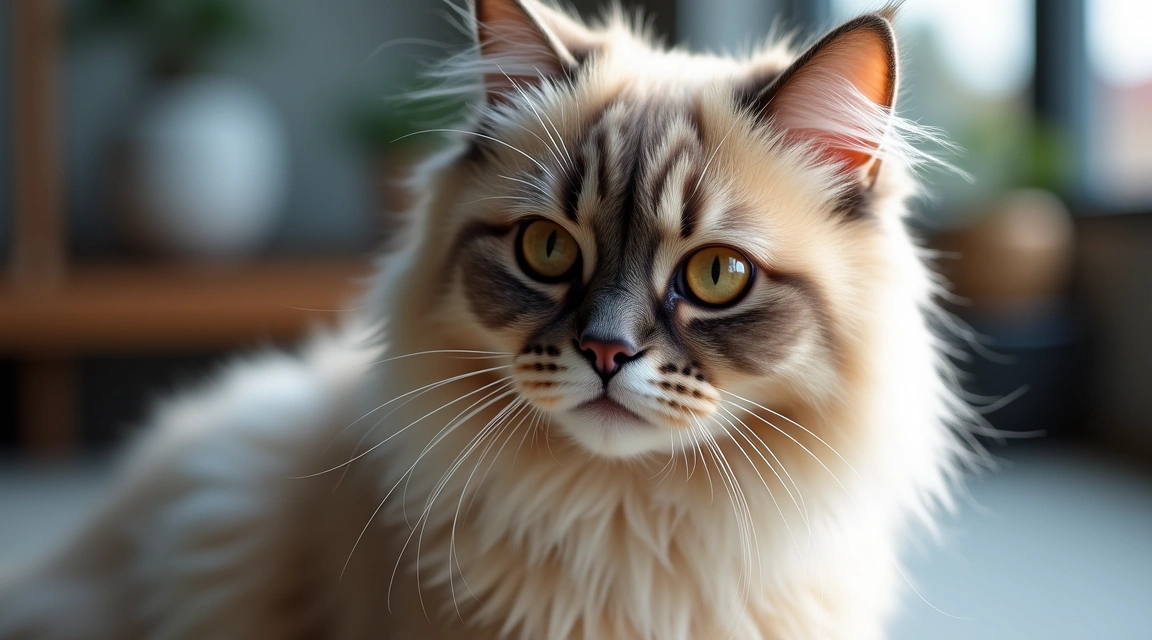
You’ve seen those gorgeous flat faces and luxurious coats. But what’s it really like living with a Persian cat? I’ve spent over fifteen years working with these stunning felines, and I can tell you their temperament is just as distinctive as their appearance. Persians aren’t your typical high-energy, constantly-exploring cats. They’re calm, gentle souls who’d rather lounge on your favorite chair than scale your kitchen cabinets.
Here’s the thing : Persian cats have earned their reputation as one of the most laid-back breeds for good reason. They’re affectionate without being clingy, playful without being destructive, and social without being demanding. But that doesn’t mean they’re right for every household. Let’s dig into what makes their personality unique and whether a Persian fits your family’s lifestyle.
The Gentle Soul Behind the Fluffy Face
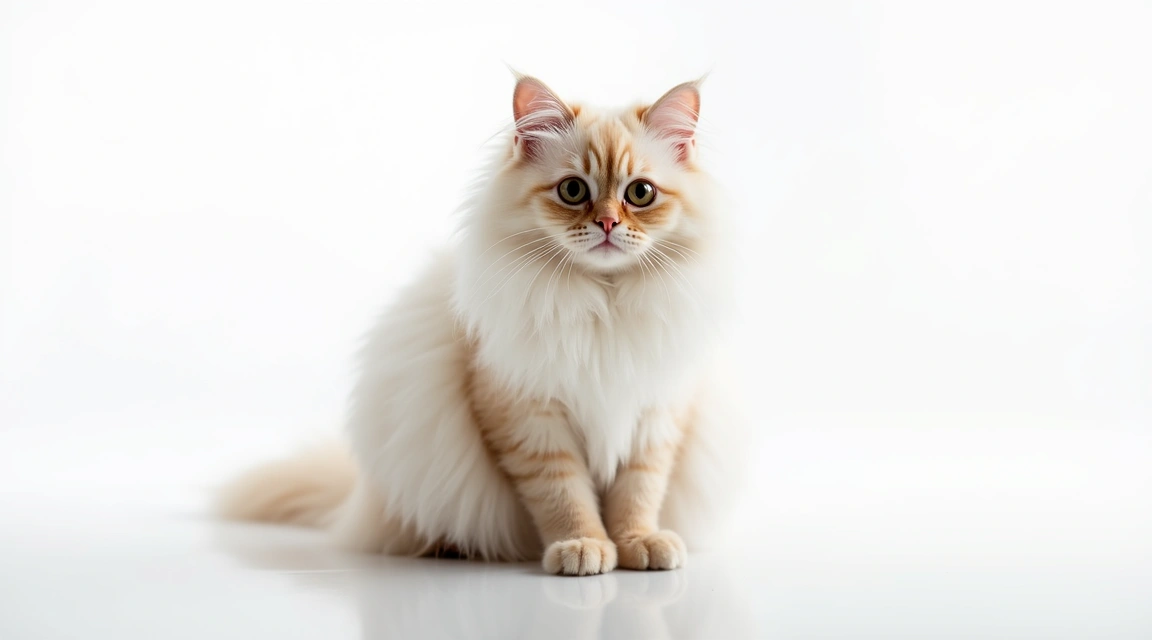
Persians are known for their exceptionally calm and docile temperament. Unlike some breeds that seem to have endless energy, Persians prefer a predictable, quiet environment. They’re not the type to race through your house at three in the morning or knock your favorite mug off the counter just to see what happens. Instead, they’ll spend hours in a sunny spot or curled up next to you while you read.
This gentle nature makes them wonderful companions for people who want a cat that’s present but not overwhelming. They enjoy human company and will often follow you from room to room, not because they need constant attention, but because they simply like being near you. It’s a subtle kind of affection that grows on you. Many Persian owners describe their cats as almost dog-like in their loyalty, though without the high-maintenance neediness.
Living with a Persian : What Daily Life Actually Looks Like
So what does it really feel like to share your home with a Persian? Most owners notice right away how adaptable and easygoing these cats are. They handle routine changes better than many breeds, though they definitely prefer consistency. If you work from home, expect your Persian to claim a spot near your desk. They’re not demanding your attention every five minutes, but they want to be part of your space.
Persians typically get along well with children who understand how to be gentle. They’re patient cats, but they won’t tolerate rough handling or loud, chaotic environments. Fair enough, right? If your household is generally calm and you can teach kids to respect the cat’s boundaries, a Persian can be an excellent family pet. They’re also fine with other pets, especially if introduced properly. I’ve seen Persians coexist peacefully with dogs, other cats, and even the occasional rabbit.
One thing that surprises new owners is how communicative Persians are without being vocal. They’re not big talkers like Siamese cats. Instead, they express themselves through soft chirps, purrs, and that classic Persian stare that somehow conveys exactly what they’re thinking. Sound familiar? If you’ve ever had a Persian give you that look when their food bowl is empty, you know exactly what I mean.
How Their Temperament Affects Daily Care
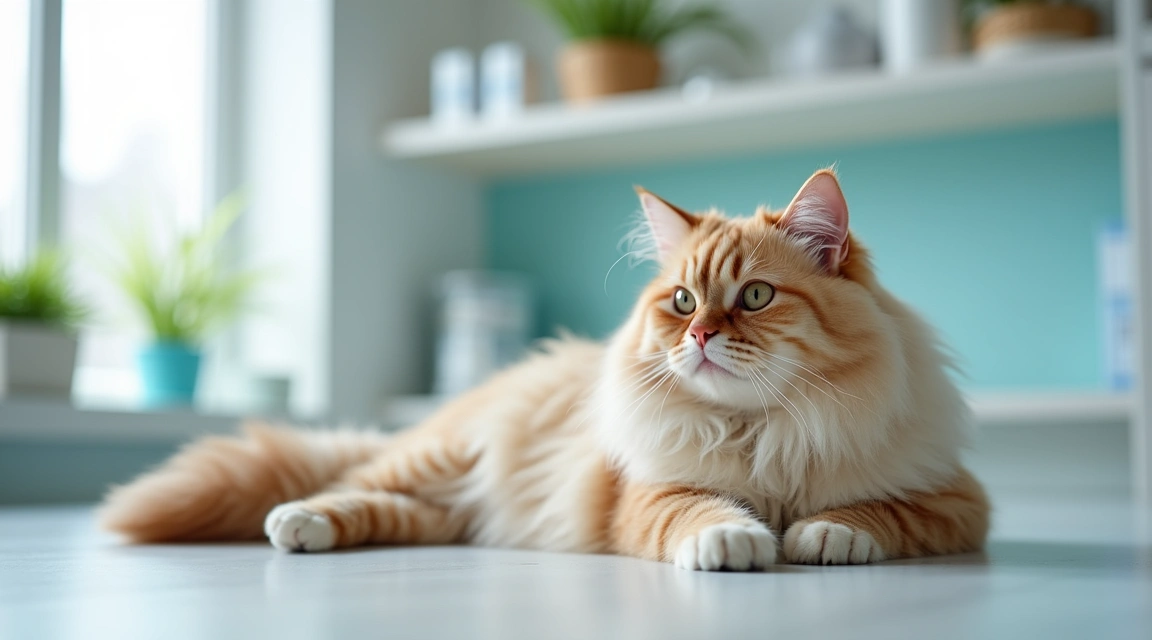
The Persian temperament actually makes some aspects of care easier and others more important. Because they’re so calm, grooming sessions tend to be more manageable than with high-strung breeds. Most Persians will tolerate daily brushing once they’re accustomed to it, especially if you start when they’re young. That said, their long coat is non-negotiable maintenance. You can’t skip grooming just because you’re busy.
Their laid-back nature means they’re perfectly content as indoor-only cats. They don’t have that burning desire to explore the great outdoors like some breeds do. This is actually ideal for their safety and health. Persians aren’t street-smart cats. Their flat faces also mean they can overheat easily and have trouble breathing in extreme temperatures, so keeping them indoors in a climate-controlled environment isn’t just convenient, it’s essential.
Mental stimulation needs are moderate. Persians enjoy interactive play, but they’re not going to demand three intense play sessions a day. A feather wand toy, some puzzle feeders, and a good window perch usually keep them content. They’re observers more than hunters, so environmental enrichment matters more than high-energy activities.
Practical Tips for Matching Persians to Your Lifestyle
Before you bring a Persian home, honestly assess your daily routine. Do you have at least ten to fifteen minutes daily for grooming? That’s non-negotiable. Can you provide a calm, stable environment? Persians don’t thrive in loud, unpredictable households. Are you home regularly, or gone for long stretches? While Persians are independent, they do bond closely with their families and can become lonely if left alone constantly.
Consider your experience level too. Persians are great for first-time cat owners in many ways because of their gentle temperament, but the grooming commitment is real. If you’re not prepared to brush daily and deal with occasional professional grooming, you might want to consider an Exotic Shorthair instead. They have the same wonderful personality in a lower-maintenance package.
Think about your future plans as well. Persians typically live twelve to seventeen years with proper care. That’s a long-term commitment. They’re not the type of cat who adapts easily to being rehomed, so make sure you’re ready for the full journey. And if you have allergies, spend time with Persians before adopting. Their long coats and the dander they produce can be challenging for sensitive individuals.
What to Expect from Different Life Stages
Persian kittens are adorable little fluffballs, but they’re still learning boundaries and social skills. Even as kittens, they’re generally calmer than other breeds, but they do have playful bursts of energy. Early socialization is crucial during those first few months. Handle them gently, introduce them to different household sounds, and establish grooming routines early. The work you put in during kittenhood pays off for years.
Adult Persians, roughly from two to ten years old, are in their prime. They’re settled into their personality, comfortable with household routines, and showing their true temperament. This is when you’ll really appreciate their gentle, affectionate nature. They’re content, predictable, and wonderfully low-drama compared to many breeds.
Senior Persians, those over ten years old, often become even more affectionate. They may slow down physically, but their loving nature intensifies. Many older Persians want nothing more than to spend their days in your lap or beside you on the couch. They may need extra veterinary care as they age, particularly for their eyes, kidneys, and teeth, but their calm temperament makes administering medication and handling health issues easier than with more resistant breeds.
The truth is, Persian cats aren’t for everyone. They need dedicated grooming, a calm environment, and owners who appreciate a gentle, quiet companion. But if that sounds like what you’re looking for, a Persian might be the perfect addition to your family. Their temperament is one of the breed’s greatest gifts, a peaceful, loving presence that transforms a house into a home. After fifteen years working with these remarkable cats, I can tell you there’s nothing quite like the bond you’ll form with a Persian who’s chosen you as their person.
Editorial Tips & Advertising Inquiries : cats@steeplechasecattery.com