
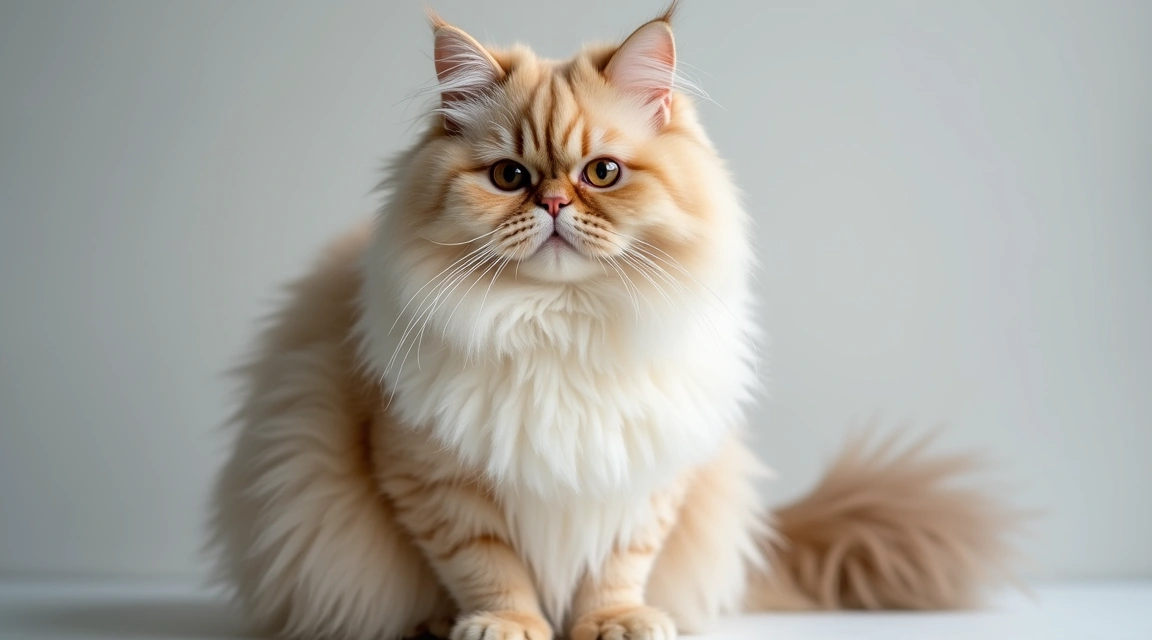
Persian cats are renowned for their luxurious, flowing coats and distinctive flat faces, but maintaining their stunning appearance requires dedicated grooming. Unlike short-haired breeds that can manage much of their own coat maintenance, Persians depend on their owners to prevent matting, skin issues, and discomfort. Understanding the essential components of a Persian cat grooming routine helps you keep your feline companion healthy, comfortable, and looking their best while strengthening the bond between you and your pet.
This guide breaks down the key takeaways every Persian cat owner needs to know, from daily brushing techniques to bathing schedules and facial care. Whether you’re a first-time Persian owner or looking to refine your current routine, these practical insights will help you establish an effective grooming schedule that works for both you and your cat.
Essential Grooming Components for Persian Cats
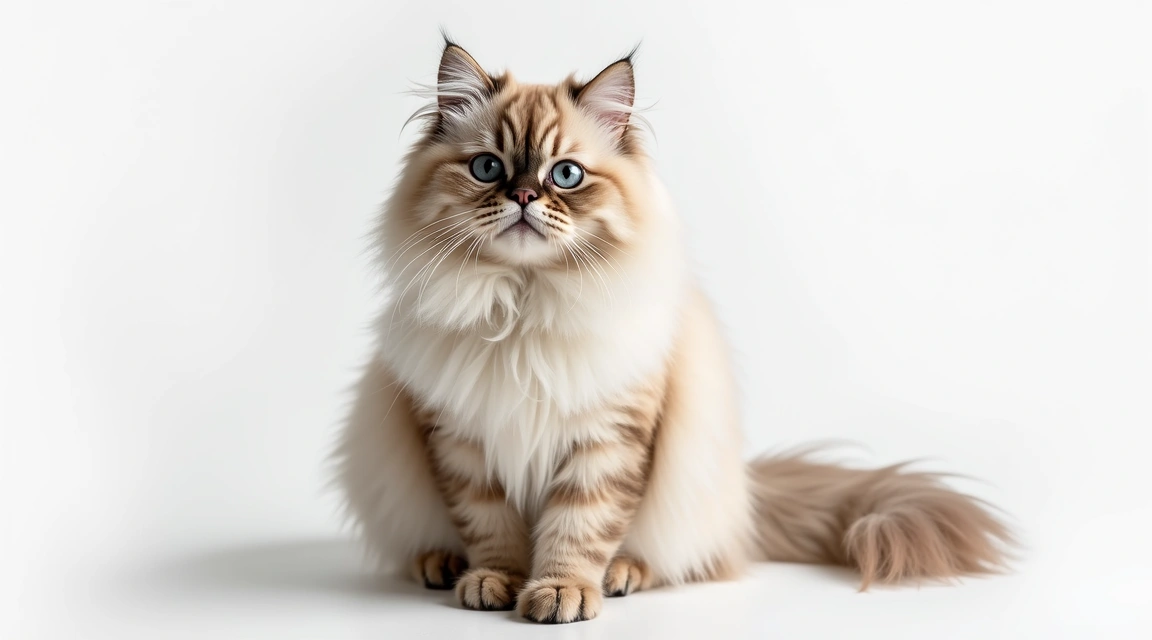
A comprehensive Persian cat grooming routine involves several interconnected elements that work together to maintain coat health and overall wellbeing. Understanding what each component addresses helps you prioritize your efforts and recognize when professional help might be beneficial.
Daily brushing forms the foundation of Persian cat care. Their long, dense double coat tangles easily, and even a single day without brushing can lead to small mats that quickly become larger problems. Using a wide-toothed metal comb followed by a slicker brush helps remove loose undercoat and prevents the formation of painful mats close to the skin.
Facial cleaning deserves special attention due to the Persian’s brachycephalic (flat-faced) structure. Their shortened nasal passages and prominent eyes often produce tear staining and discharge that can accumulate in the facial folds. Daily gentle wiping with a damp, soft cloth or specialized pet wipes prevents staining and keeps the area free from bacteria that could cause skin irritation.
Regular bathing keeps the coat clean and manageable, though frequency depends on your individual cat’s lifestyle and coat condition. Indoor Persians typically benefit from bathing every few weeks to monthly, while cats that venture outdoors may need more frequent washing. Using a cat-specific shampoo designed for long coats helps maintain natural oils while removing dirt and excess sebum.
Nail trimming and paw care should occur regularly to prevent overgrowth and splitting. Persian cats often have fur growing between their toe pads that can collect litter and debris, so carefully trimming this hair keeps their paws clean and comfortable.
Ear and eye monitoring rounds out the routine. Persians can be prone to ear wax buildup and eye discharge, so weekly checks allow you to catch potential issues early. Gently cleaning the outer ear with a veterinarian-recommended solution and monitoring for signs of infection helps maintain overall health.
For more comprehensive guidance on maintaining your cat’s wellbeing beyond grooming, visit our Cat Health section for additional resources.
Grooming Approach Comparison: Professional vs. Home Care
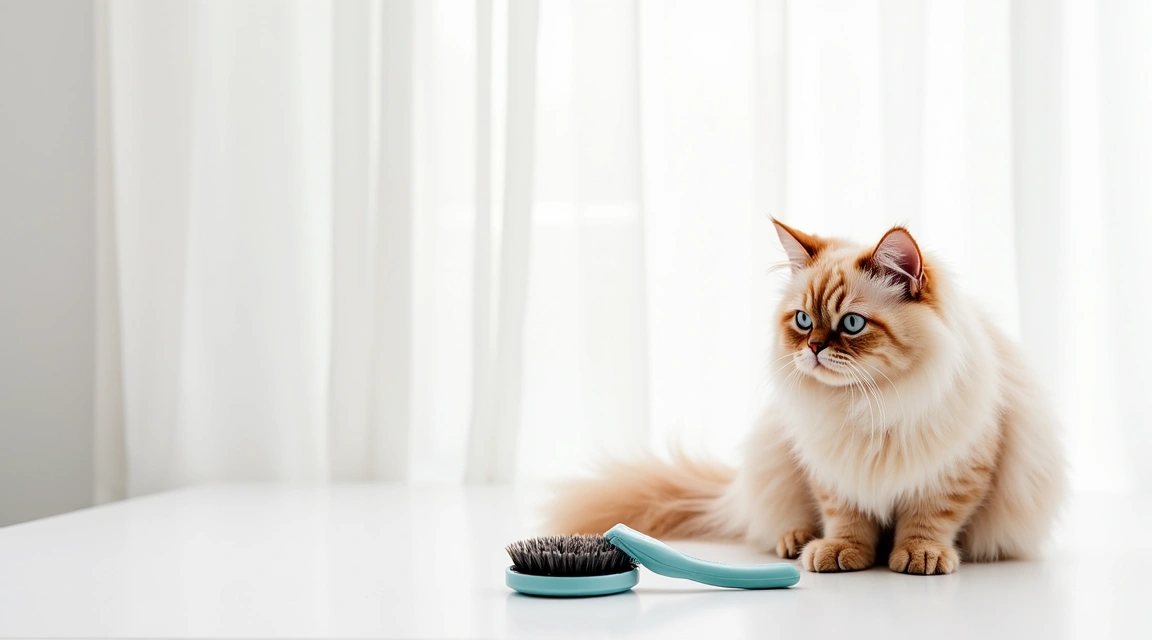
Persian cat owners face an important decision about how to manage their pet’s grooming needs. Each approach offers distinct advantages and challenges that suit different lifestyles and cat temperaments.
| Approach | Best For | Key Advantages | Important Considerations |
|---|---|---|---|
| Full Home Grooming | Experienced owners with flexible schedules; cats who tolerate handling well; budget-conscious households | Daily bonding opportunity; immediate attention to problems; complete control over products and techniques; lower ongoing costs | Requires time investment (typically 15-30 minutes daily); learning curve for proper techniques; need to acquire quality tools; physically demanding during baths |
| Hybrid Approach | Busy professionals; owners building confidence; cats with moderate grooming challenges | Balances professional expertise with owner involvement; professional handles complex tasks like sanitary trims; maintains coat health between visits; more affordable than full professional care | Requires coordination and scheduling; still needs daily brushing at home; professional visits typically needed monthly or bi-monthly; transportation logistics for appointments |
| Primarily Professional Grooming | Owners with limited mobility or time; cats with severe matting issues or anxiety during home grooming; show cats requiring specialized styling | Expert handling of difficult tasks; access to professional-grade equipment; consistent results; reduced stress for some cats in a neutral setting | Higher ongoing expense; requires finding a qualified groomer experienced with Persians; still requires basic daily maintenance at home; scheduling dependencies |
Building Your Routine: Recommendations by Owner Type
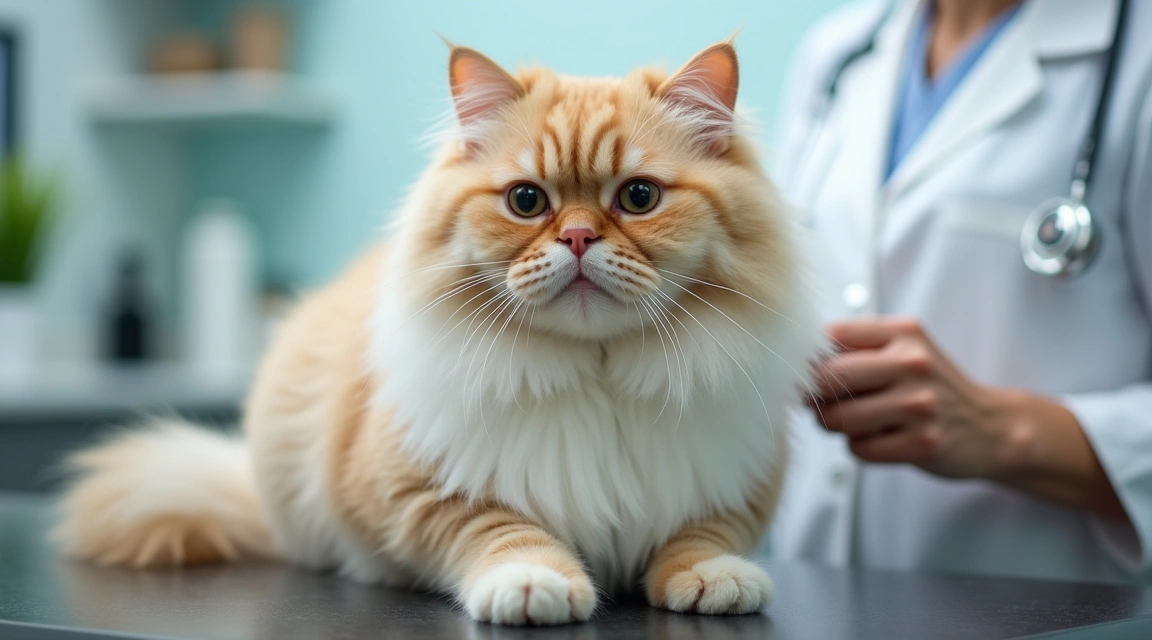
For first-time Persian owners: Start with a hybrid approach while you develop your skills and understand your cat’s specific needs. Schedule a professional grooming session early on and ask the groomer to demonstrate proper brushing techniques, show you how to safely trim around the paws and sanitary areas, and recommend specific tools. Between professional visits, commit to daily brushing and facial cleaning while gradually adding other tasks as you become more confident. This approach prevents your cat from developing severe mats while you’re learning, and many cats become more accepting of grooming when it’s introduced gradually.
For experienced cat owners new to Persians: Even if you’ve successfully groomed other breeds, Persian coats present unique challenges. Their dense undercoat mats differently than longer guard hairs, and their facial structure requires specialized care. Invest in quality tools from the start—a good metal comb, slicker brush, and grooming scissors designed for cats pay dividends in easier maintenance. Establish your daily routine immediately to prevent problems rather than correcting them. If you’re comfortable with the basics, consider professional grooming seasonally or when you notice persistent issues.
For households with multiple Persians: Efficiency becomes paramount when grooming several cats. Develop a systematic routine where each cat receives attention at the same time daily, making it a predictable part of their schedule. Some owners find that grooming one cat while others watch helps nervous cats become more accepting. Consider professional grooming for one or two cats who are particularly challenging while maintaining home care for more cooperative individuals. Batch tasks like nail trimming across all cats on the same day can make the routine more manageable.
For owners with physical limitations: Don’t let mobility or strength challenges prevent you from enjoying Persian companionship. Focus on tasks you can manage comfortably—such as gentle facial cleaning and light brushing—while delegating more physically demanding activities like bathing to professionals. Elevated grooming tables can reduce back strain, and long-handled combs minimize reaching. Some groomers offer pickup and delivery services that eliminate transportation challenges. The key is creating a sustainable routine that you can maintain consistently rather than attempting everything yourself and risking burnout or injury.
For show cat exhibitors: Professional grooming becomes essential for maintaining competition-quality presentation. Most show Persians receive professional grooming before each event, with meticulous home maintenance between shows. Work closely with a groomer experienced in breed standards who understands the specific styling requirements for Persian show coats. Even with professional support, daily home brushing remains non-negotiable to prevent any matting that could affect coat quality or show eligibility.
Creating a Sustainable Grooming Schedule
The most effective grooming routine is one you can maintain consistently over your cat’s lifetime. Persian cats can live well into their teens, meaning your grooming commitment spans many years. Rather than attempting an intensive routine that becomes overwhelming, build a realistic schedule that fits your lifestyle.
Daily tasks should include thorough brushing that reaches down to the skin, facial cleaning to remove any discharge, and a quick overall check for any new mats or skin issues. These tasks typically require fifteen to thirty minutes once you’ve established a rhythm. Many owners find that grooming right before feeding creates a positive association, as the cat learns that grooming leads to something pleasant.
Weekly tasks include more detailed inspection of ears and eyes, checking between toe pads for debris, and examining the skin for any irritation or parasites. This is also an ideal time to assess whether your daily routine is keeping ahead of mat formation or if adjustments are needed.
Monthly or bi-monthly tasks involve bathing, nail trimming, and sanitary area trimming if you’re handling these at home. Some cats tolerate these activities better when they’re spaced out rather than all occurring on the same day. If you’re using professional grooming, this is typically when you’d schedule appointments.
Cats generally respond better to grooming when it’s approached calmly and patiently. If your cat becomes stressed or resistant, shorter but more frequent sessions often work better than trying to complete everything at once. Never force grooming to the point of extreme distress, as this can create lasting negative associations. For cats who are particularly resistant, consulting with a veterinary behaviorist can provide strategies to make grooming more tolerable.
Tools and Techniques That Make a Difference
Quality grooming tools significantly impact both the effectiveness of your routine and your cat’s comfort. While professional-grade equipment can be expensive, investing in a few key items makes grooming easier and more pleasant for everyone involved.
A wide-toothed metal comb should be your primary tool, as it penetrates deep into the coat to catch developing mats before they become serious problems. Look for combs with smooth, rounded teeth that won’t scratch the skin. Follow up with a slicker brush with fine, bent wire bristles to remove loose undercoat and give the coat a polished appearance. Avoid slicker brushes with sharp tips that can irritate the skin.
For mat removal, specialized mat splitters or dematting combs can carefully separate tangled fur without resorting to scissors, which carry a risk of accidentally cutting the skin. When mats are too severe or too close to the skin, professional help is safer than attempting removal at home.
Bathing supplies should include a slip-resistant mat for your sink or tub, a handheld sprayer attachment or pitcher for rinsing, cat-specific shampoo formulated for long coats, and absorbent towels. Some owners find that a pet-specific hair dryer on the lowest heat setting helps achieve a fluffy, tangle-free coat, though not all cats tolerate blow-drying.
Final Thoughts on Persian Cat Grooming Success
Grooming a Persian cat is undeniably more involved than caring for many other breeds, but it’s also an opportunity for daily connection with your pet. The routine you establish in the first few months often sets the pattern for years to come, so investing time early to build positive associations and develop good techniques pays long-term dividends.
The choice between handling all grooming at home versus incorporating professional help isn’t about one approach being superior—it’s about finding what works sustainably for your specific situation. A hybrid approach often provides the best balance for many owners, combining the bonding benefits of daily home care with the expertise of professional grooming for more complex tasks.
Remember that even with perfect grooming technique, some mats may occasionally form, and that’s not a failure. Persian coats are simply prone to tangling, especially during seasonal shedding or in areas of high friction like under the arms and behind the ears. The goal is consistent maintenance that keeps your cat comfortable and healthy, not absolute perfection. When challenges arise that exceed your comfort level—severe matting, skin issues under the coat, or a cat who becomes extremely stressed during grooming—consulting with your veterinarian or a professional groomer experienced with Persians ensures your cat receives appropriate care while you develop your skills further.
With patience, the right tools, and a commitment to consistency, grooming your Persian can become a rewarding part of your daily routine rather than an overwhelming chore. Your cat’s comfort, the health of their coat, and the bond you build through this regular care all benefit from the effort you invest in establishing and maintaining an effective grooming routine.