

Choosing between a Persian kitten and an adult Persian cat is one of the most important decisions you’ll make as a prospective pet owner. Both life stages offer unique rewards and challenges that will shape your daily routine for years to come. This guide walks you through every factor you need to consider, from time commitment and health care to personality and budget, so you can adopt the companion that truly fits your lifestyle.
Persian cats are known for their luxurious coats, gentle temperament, and affectionate nature. Whether you bring home a fluffy kitten or a mature adult, you’ll need to understand the specific care requirements, behavioral patterns, and long-term commitments each stage demands. Let’s explore the practical differences to help you make an informed choice.
Step 1: Evaluate Your Daily Time Commitment

Persian kittens require constant supervision and hands-on care during their first year. You’ll need to feed them three to four times daily, monitor their litter box habits closely, and provide frequent playtime to support healthy development. Kittens are naturally curious and energetic, which means you’ll spend significant time kitten-proofing your home, redirecting unwanted behaviors, and establishing routines.
Adult Persian cats typically need two meals per day and have settled into predictable routines. They sleep more than kittens—often 12 to 16 hours daily—and require less active supervision. If you work full-time or travel occasionally, an adult cat adapts more easily to alone time.
Caution: Underestimating the time investment for a kitten often leads to behavioral issues. If you cannot dedicate several hours daily for the first six months, an adult cat is the safer choice.
Step 2: Understand Grooming and Maintenance Needs
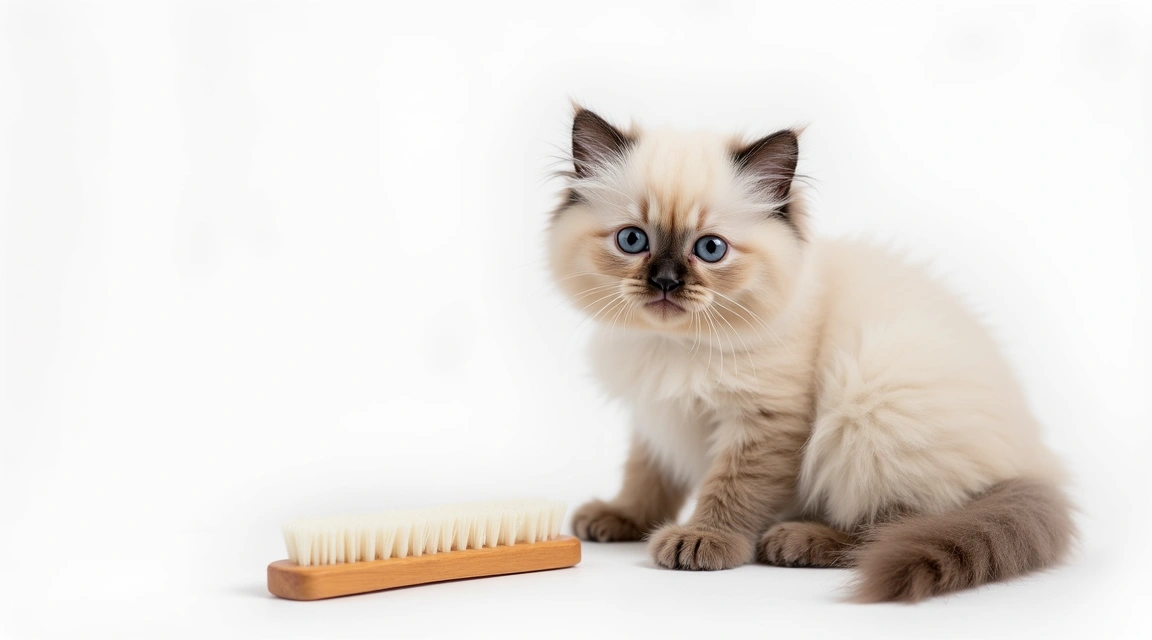
Both Persian kittens and adults have long, dense coats that mat easily without daily brushing. However, kittens need gentle handling to learn grooming tolerance early. You’ll spend 10 to 15 minutes each day brushing your kitten while teaching them to accept combing, eye cleaning, and occasional baths.
Adult Persians already have an established grooming routine—or lack one. If you adopt an adult from a reputable source, they may already be accustomed to regular brushing. If the adult was neglected, you might face severe matting that requires professional grooming or even shaving. Always ask the shelter or breeder about the cat’s grooming history.
Persian cats also need daily eye cleaning because their flat faces cause tear staining. Kittens must learn this habit gradually, while adults may resist if they weren’t trained early.
Caution: Skipping even a few days of brushing can create painful mats that pull on your cat’s skin. Budget time and possibly professional grooming costs into your decision.
Step 3: Consider Health Screening and Veterinary Costs
Persian kittens require a series of vaccinations, spaying or neutering, and frequent wellness checks during their first year. You’ll need at least three to four vet visits for core vaccines, deworming, and health monitoring. Kittens are also vulnerable to common illnesses as their immune systems develop, which may mean additional visits if they show symptoms like sneezing, diarrhea, or lethargy.
Adult Persians come with a known health history. Reputable shelters and rescues provide records showing vaccination status, spay/neuter confirmation, and any chronic conditions. This transparency helps you budget accurately. However, Persians are prone to breed-specific issues such as polycystic kidney disease (PKD), breathing difficulties due to their flat faces, and dental problems. An adult cat may already show early signs of these conditions, giving you a clearer picture of future care needs.
If you’re considering adopting an adult, ask for medical records and request a pre-adoption vet exam if possible. Many rescue organizations include this as part of their process.
Caution: Persian kittens from unverified breeders may carry genetic health problems that emerge later. Always choose breeders who test for PKD and other hereditary conditions, or consider adopting from a rescue that screens for common breed issues.
Step 4: Assess Personality and Socialization Factors
Persian kittens are blank slates. You shape their temperament through early socialization, handling, and exposure to household routines. If you invest time in positive experiences—meeting new people, hearing everyday sounds, gentle play—you’ll raise a well-adjusted adult. Kittens bond quickly with their new families and adapt to household rules more easily than older cats.
Adult Persians arrive with established personalities. You’ll know immediately whether the cat is outgoing or shy, vocal or quiet, lap-loving or independent. This predictability is a major advantage: there are no surprises about energy level or social preferences. Many adults in shelters are there due to owner circumstances—moving, allergies, life changes—not behavioral problems, so you can find affectionate, well-mannered companions ready to settle into your home.
However, some adult cats carry behavioral baggage from previous environments. A cat that wasn’t groomed regularly may resist brushing. One that lived alone may struggle with other pets. Always spend time with an adult cat before adopting to confirm compatibility.
Caution: A kitten’s sweet demeanor can change as they mature. An adult cat’s personality is stable, giving you a more reliable match for your lifestyle and preferences.
Step 5: Compare Training and Behavior Management
Training a Persian kitten means teaching litter box habits, discouraging scratching furniture, setting mealtime routines, and managing play aggression. Kittens learn quickly but require consistent, patient redirection. Expect accidents, knocked-over objects, and occasional nips during play. You’ll also need to introduce them gradually to grooming tools, nail trimming, and handling.
Adult Persians usually arrive litter-trained and past the destructive exploration phase. They understand basic household boundaries and rarely engage in the chaotic behavior typical of kittens. If an adult shows unwanted behavior, it’s often linked to stress from rehoming, and most issues resolve with patience and a stable environment.
For first-time cat owners or families with young children, an adult’s calm predictability often makes daily life smoother. Kittens can overwhelm inexperienced owners with their energy and constant need for guidance.
Caution: Adult cats with unknown histories may have ingrained habits that are difficult to change. Always ask shelters about litter box reliability, scratching preferences, and any known behavioral concerns.
Step 6: Factor in Budget and Long-Term Financial Planning
Persian kittens have higher upfront costs. In addition to the adoption or purchase fee, you’ll pay for initial vaccinations, spaying or neutering, microchipping, and starter supplies like carriers, scratching posts, and grooming tools. These first-year expenses add up quickly.
Adult Persians often come from shelters already spayed or neutered, vaccinated, and microchipped, significantly lowering immediate costs. Adoption fees for adults are frequently lower than kitten fees, and many rescues include a starter supply kit. However, older cats may develop age-related health issues sooner, requiring more frequent vet visits and potential medications as they age.
Both life stages require ongoing expenses for high-quality food, annual vet checkups, grooming supplies, and emergency medical savings. Persians benefit from premium diets that support skin and coat health, and their grooming needs may require periodic professional help.
If you’re exploring adoption options and want to learn more about the process, visit our Cat Adoption section for additional guidance on preparing your home and selecting the right companion.
Caution: Budget for unexpected veterinary emergencies regardless of age. Persians’ breed-specific health risks mean you should maintain an emergency fund or consider pet insurance to avoid difficult financial decisions during a crisis.
Common Mistakes When Choosing Between a Kitten and Adult Cat
Many prospective owners choose based on appearance alone, assuming a kitten’s cuteness guarantees a better experience. In reality, adult cats often integrate into homes more smoothly, especially for busy households or first-time owners. Overlooking an adult because they lack “kitten charm” means missing out on affectionate, low-maintenance companions.
Another frequent error is underestimating grooming demands. Some adopters believe they can skip daily brushing or learn as they go. With Persians, neglecting grooming even briefly causes painful mats and skin infections, leading to stressful vet visits and costly professional grooming interventions.
First-time cat owners sometimes assume kittens are easier to train than dogs, not realizing that young cats require just as much behavioral guidance. Without consistent training, kittens develop habits like scratching furniture, jumping on counters, or play-biting that persist into adulthood.
Finally, adopters occasionally choose adults assuming they require no adjustment period. Even well-socialized adult cats need time to decompress and adapt to new surroundings. Rushing interactions or expecting immediate affection can damage trust and prolong the settling-in process.
Making Your Final Decision
Your choice between a Persian kitten and an adult cat should align with your lifestyle, experience level, and long-term commitment. Kittens offer the joy of watching a personality develop and the opportunity to shape behavior from the start, but they demand significant time, patience, and energy. Adult cats provide predictability, established routines, and often easier integration, making them ideal for busy households or those seeking a calmer companion.
Consider your daily schedule honestly. If you work long hours, travel frequently, or have young children who need supervision, an adult Persian’s independence and stability may fit better. If you have flexible time, enjoy active engagement, and want to experience the full arc of a cat’s life from kittenhood, a young Persian can be deeply rewarding.
Health considerations also matter. Adopting an adult allows you to see existing conditions and make informed care decisions. Choosing a kitten means committing to preventive care and accepting some uncertainty about future health, especially if genetic testing wasn’t performed.
Visit shelters and meet cats at different life stages. Spend time observing their behavior, ask detailed questions about history and temperament, and imagine each cat in your daily routine. The right match will feel natural, not forced.
Whether you bring home a playful kitten or a serene adult, both offer the affectionate companionship Persians are cherished for. Your thoughtful preparation and realistic assessment of your situation will ensure a successful, loving relationship that enriches both your life and your new cat’s for many years ahead.