
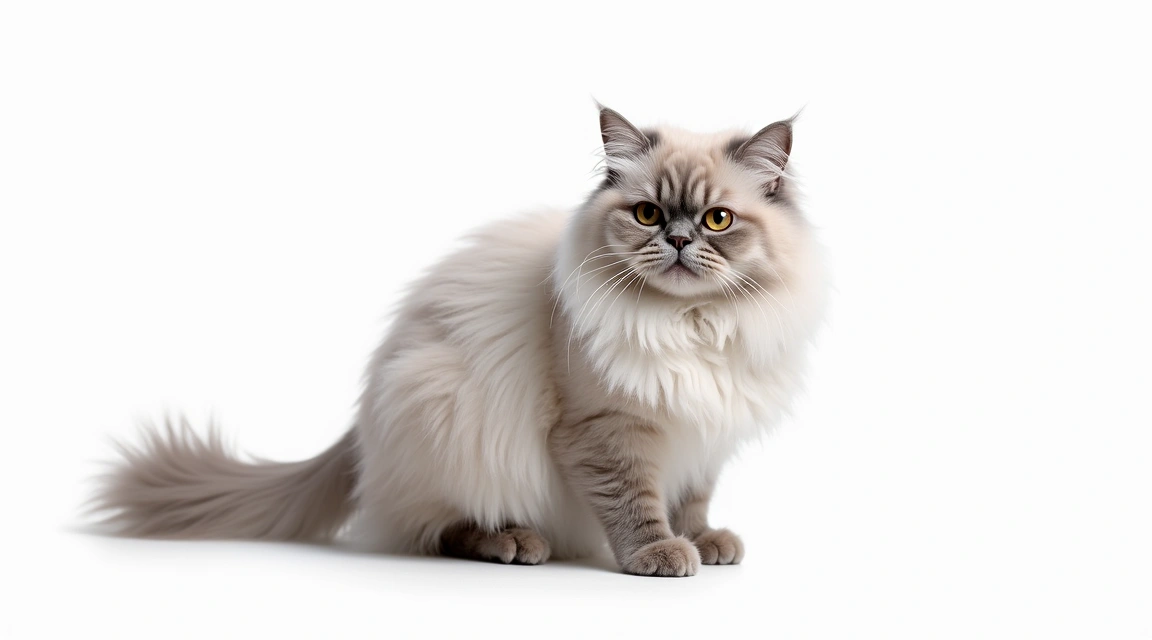
Silver Persian cats turn heads wherever they go. Their shimmering coats catch light like polished metal, and their gentle temperament makes them sought-after companions across the United States. But here’s the thing : that stunning silver coat doesn’t maintain itself, and these cats come with specific care needs that every owner should understand before bringing one home.
I’ve worked with silver Persians for over fifteen years, and I can tell you they’re among the most rewarding cats to own — if you’re prepared for the commitment. Their beauty is undeniable, but their care requirements are real. Let’s walk through what makes these cats special and what you’ll need to know to keep them healthy and happy.
The Genetics Behind That Stunning Silver Coat
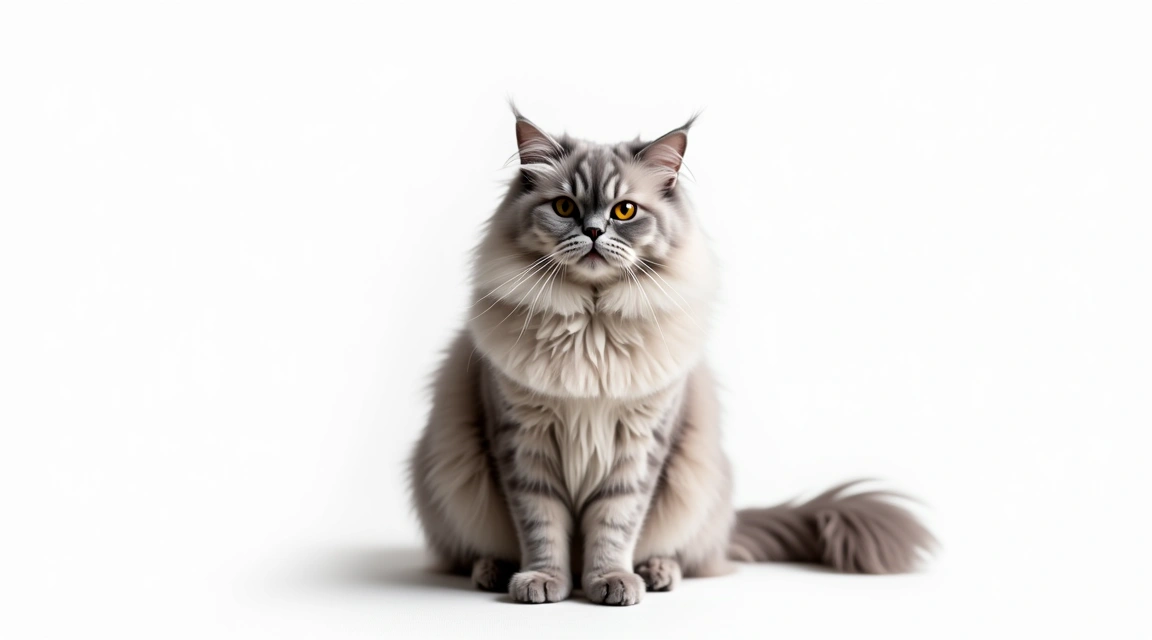
Silver coloring in Persian cats results from a dominant inhibitor gene that suppresses pigment in the hair shaft. This creates that characteristic shimmering effect you see in three main variations : chinchilla silver (lightest), shaded silver (medium), and smoke (darkest). The chinchilla variety shows tipping on just the ends of each hair, while smokes display color almost to the skin with white undercoats visible only when the cat moves.
The contrast between their silver coats and striking green or blue-green eyes creates their signature look. Not every silver Persian develops these vivid eye colors, though. Kittens are born with blue eyes that transition as they mature, typically settling into their permanent color by three to four months. Genetics determines whether those eyes will develop the preferred emerald shade breeders aim for.
What Living with a Silver Persian Actually Feels Like
Silver Persians share the typical Persian temperament : calm, gentle, and preferring predictable routines. They’re not climbers or acrobats. You’ll find yours lounging in favorite spots throughout your home, often following you from room to room without demanding constant interaction. They’re observers by nature.
Their voices are soft when they do communicate, which isn’t often. Most owners report their silver Persians save vocalizations for important matters : empty food bowls, closed doors they want open, or greeting you after work. This quiet nature makes them excellent apartment cats and ideal for households that value peace. But don’t mistake quiet for aloof — these cats bond deeply with their families and show affection on their own terms, usually through proximity and occasional head bumps.
Grooming Demands You Can’t Skip
That luxurious coat requires daily brushing without exception. Silver Persians mat faster than you’d expect, especially behind the ears, under the legs, and around the tail. Miss a few days and you’re looking at painful mats that require professional grooming to remove. I recommend a metal comb with rotating teeth for daily maintenance and a slicker brush for thorough sessions twice weekly.
Bathing becomes necessary every four to six weeks to keep the coat clean and prevent oil buildup that dulls that silver shine. Use lukewarm water and a cat-specific shampoo, working carefully around the face. Their flat facial structure means water easily enters their nose and eyes, so many owners skip the face entirely during baths and clean it separately with a damp cloth. Thoroughly dry the coat afterward — a damp Persian coat invites skin issues.
Eye care is non-negotiable. Persians’ brachycephalic faces cause excessive tearing, leaving dark stains on lighter coats that really show on silver varieties. Wipe around the eyes daily with a soft, damp cloth or pet-safe eye wipes. Some owners find switching to stainless steel or ceramic bowls reduces staining, as plastic can harbor bacteria that worsen the issue.
Health Considerations Specific to the Breed
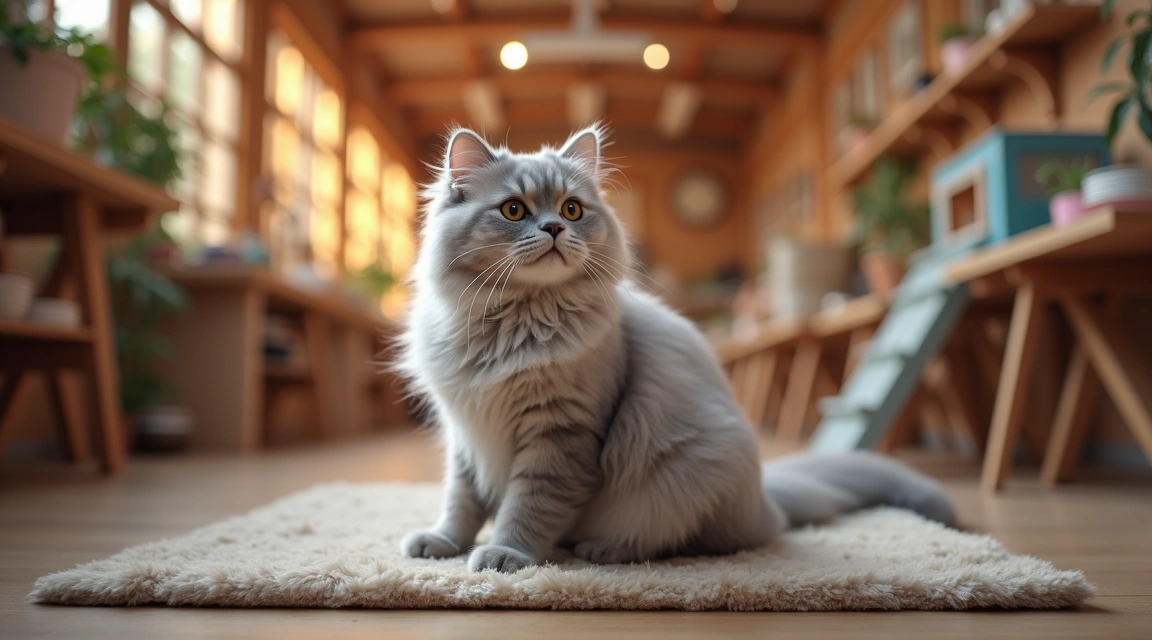
Persian cats as a breed carry predispositions to certain health conditions, and silver-colored individuals face the same risks as any other Persian. Polycystic kidney disease (PKD) affects many Persian bloodlines, though responsible breeders now screen their cats and only breed PKD-negative individuals. Always ask breeders for documentation proving parents tested negative.
Their flat faces create breathing challenges, particularly in heat and humidity. Silver Persians pant more easily than other breeds and struggle with temperature regulation. Keep your home comfortably cool, especially during summer months. Watch for signs of respiratory distress : open-mouth breathing, excessive panting, or reluctance to play. These warrant immediate veterinary attention.
Dental disease develops quickly in brachycephalic breeds due to crowded teeth. Regular dental cleanings under anesthesia, typically annually after age three, prevent painful infections and tooth loss. Between professional cleanings, offer dental treats and consider brushing their teeth several times weekly if your cat tolerates it. Fair enough if they don’t — many Persians won’t cooperate with home dental care.
Nutrition and Weight Management That Works
Silver Persians aren’t naturally active cats, which means weight gain happens easily. An adult Persian typically weighs between seven and twelve pounds, with males on the larger end. Feed measured portions twice daily rather than free-feeding, and choose a high-quality cat food formulated for their life stage.
Protein should be the primary ingredient, with named meat sources (chicken, turkey, salmon) listed first. Persians benefit from moderate fat content for coat health, but excessive fat contributes to obesity. Some silver Persians develop finicky eating habits, refusing foods they previously enjoyed. Offering variety within a consistent feeding schedule usually resolves this, though sudden appetite changes always warrant a vet check.
Hydration matters more than many owners realize. Persians can be reluctant water drinkers, increasing kidney stress over time. Provide multiple water sources throughout your home, and consider a cat water fountain — the movement often encourages drinking. Wet food contributes additional moisture and can help maintain ideal weight better than dry food alone.
Creating an Indoor Environment They’ll Thrive In
Silver Persians are strictly indoor cats. Their long coats collect debris outdoors, and their trusting nature makes them vulnerable. Create an enriching indoor space with multiple levels for observation, even though they won’t leap to the highest perch. Low cat trees, window seats, and cushioned spots in sunny areas satisfy their needs perfectly.
Litter box placement matters with Persians. Their long fur tracks litter, so position boxes in easy-to-clean areas. Many owners prefer low-sided boxes for easier entry, and some find that litter mats outside the box catch excess litter before it spreads. Scoop daily and completely change litter weekly to prevent the coat from contacting soiled litter during use.
Mental stimulation doesn’t require intense play sessions. Puzzle feeders, rotating toys, and simple games like dragging a feather wand across the floor engage their minds without demanding athletic prowess. Interactive time matters more than intensity — fifteen minutes of gentle play twice daily keeps them content and prevents boredom-related behaviors.
The truth is, silver Persians aren’t low-maintenance pets. They’re gorgeous, affectionate companions that require dedicated daily care. If you’re ready for regular grooming sessions, potential health expenses, and a cat that thrives on routine and gentle interaction, a silver Persian might be exactly what you’re looking for. Just know what you’re getting into before you fall for those emerald eyes and shimmering coat.
Editorial Tips & Advertising Inquiries : cats@steeplechasecattery.com