
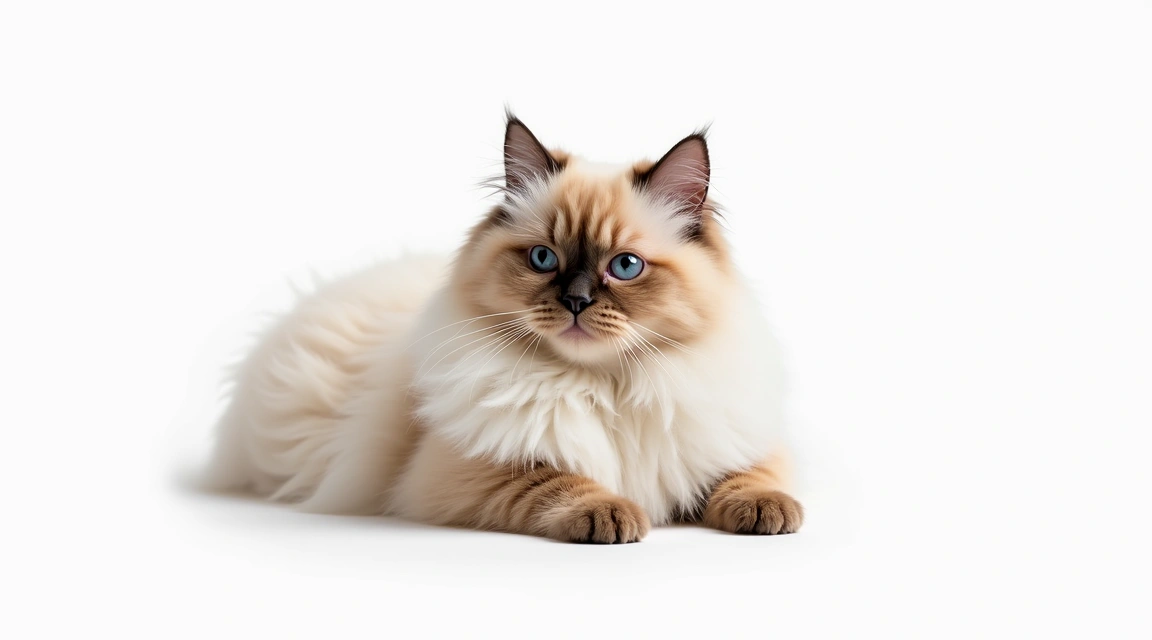
Here’s something that surprises a lot of people : the Himalayan isn’t actually a separate breed in many registries. It’s a color variation of the Persian cat, developed by crossing Persians with Siamese to get those striking blue eyes and pointed coat pattern. So when you’re looking at a Himalayan, you’re really looking at a Persian with colorpoint markings. But the relationship between these two goes much deeper than just coat color.
Understanding this connection matters if you’re considering adopting one of these gorgeous cats. They share the same body type, grooming requirements, and gentle temperament. The main difference? Those dramatic points on the face, ears, legs, and tail that make Himalayans so recognizable. Let’s break down exactly how these breeds relate and what it means for you as an owner.
The Shared History Behind Both Breeds
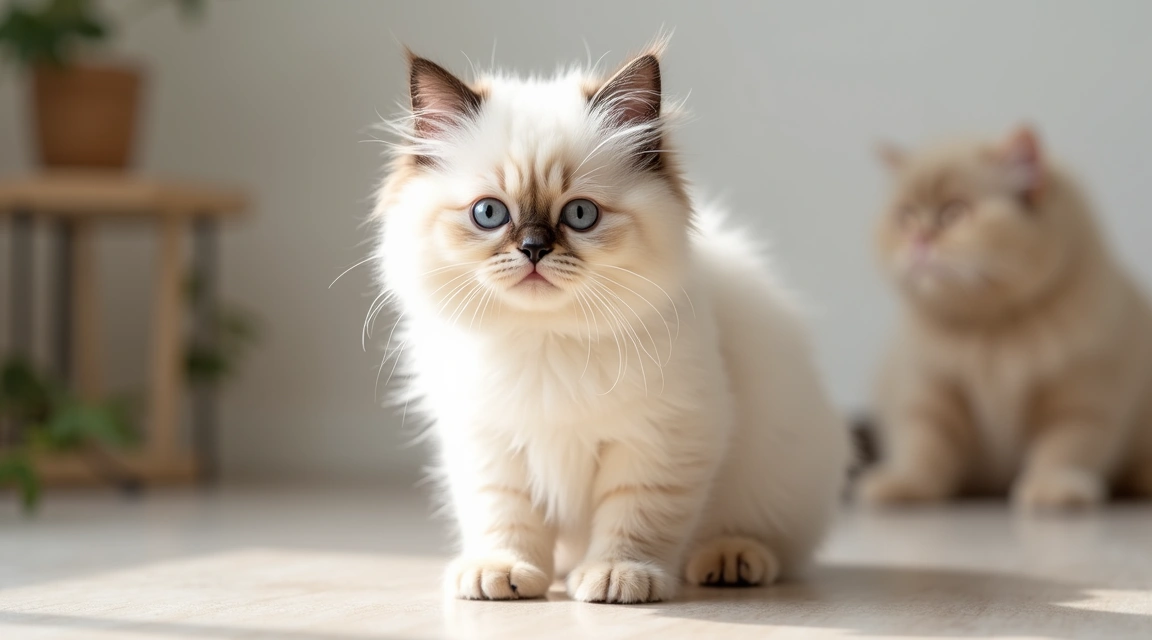
Breeders in the 1930s had a vision : combine the Persian’s luxurious coat and sweet personality with the Siamese colorpoint pattern and blue eyes. It took decades of careful breeding to achieve the look we see today. The result was a cat with Persian structure and coat texture but with the distinctive pointed coloring that darkens on the cooler parts of the body.
The Cat Fanciers’ Association and many other major registries classify Himalayans as a division of the Persian breed, not a standalone breed. Some organizations call them Colorpoint Persians. This isn’t just semantics — it reflects the fact that genetically and structurally, they’re Persians through and through. The only significant difference is that recessive gene responsible for the pointed pattern.
Physical Traits They Share
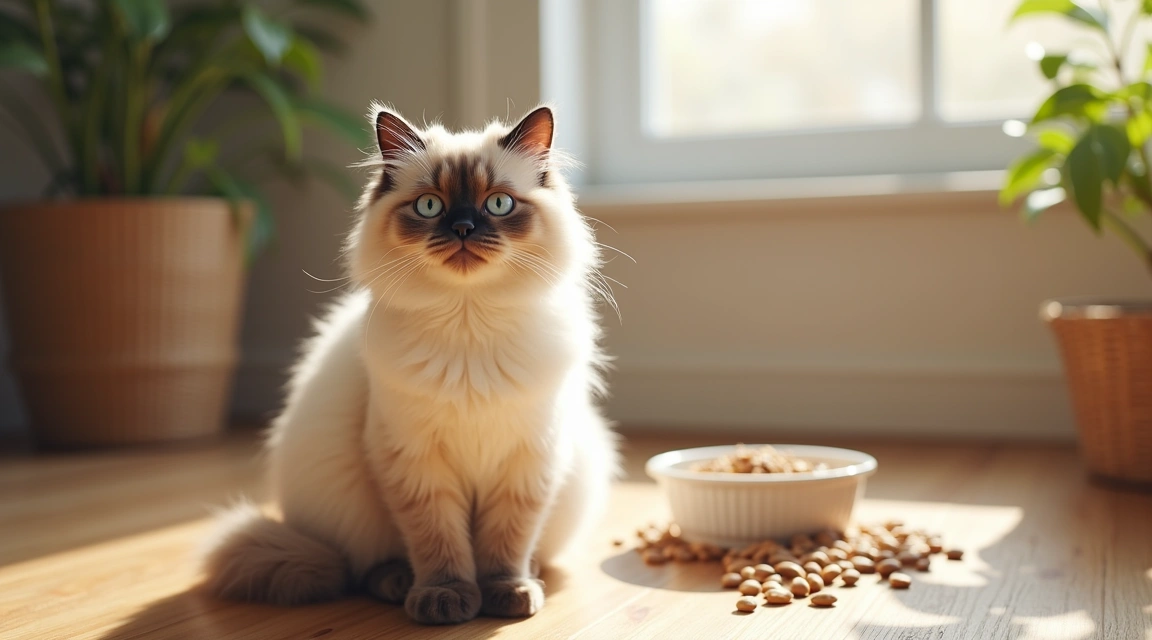
Walk up to a Himalayan and a solid-colored Persian side by side, and you’ll notice they’re built identically. Both have that signature flat face (brachycephalic structure), round head, small ears, and cobby body type. They’re medium to large cats with short legs and a thick, flowing double coat that requires serious commitment to maintain.
The coat texture is identical between the two. We’re talking dense, silky fur that mats easily without daily brushing. Both breeds have the same large, expressive eyes — though Himalayans always have blue eyes due to the colorpoint gene, while Persians can have copper, green, blue, or odd-colored eyes depending on their coat color. That flat face structure means both can experience similar breathing considerations and eye discharge that needs regular cleaning.
Temperament and Personality Overlap
If you’ve met a Persian, you already know what to expect from a Himalayan personality-wise. Both breeds are known for being calm, affectionate, and decidedly low-energy compared to more active breeds. They’re lap cats who prefer a quiet household and gentle handling. Don’t expect either breed to climb your curtains or race around at 3 AM.
Honestly, the temperament is nearly indistinguishable. Both are people-oriented without being demanding, happy to sit nearby while you work or watch TV. They bond closely with their families but aren’t typically one-person cats. Neither breed does well with chaos — loud noises, aggressive play, or unpredictable routines stress them out. They’re homebodies who thrive on routine and calm affection.
Daily Care Requirements Are Identical
Here’s where the Persian-Himalayan connection really matters for owners : you’re signing up for the exact same care routine either way. Daily brushing is non-negotiable. That gorgeous coat will mat within days without it, and mats pull on the skin and cause discomfort. We’re talking 10-15 minutes every single day with a metal comb and slicker brush.
Both breeds need regular face cleaning because of that flat facial structure. Tear staining is common, and the folds around the nose can trap moisture and debris. Many owners find themselves wiping faces daily with a damp cloth. Litter box habits are the same — both prefer large, low-sided boxes with unscented, fine-grain litter. And both benefit from a high-quality diet that supports coat health and maintains their stocky build without obesity.
Choosing Between a Himalayan and a Persian
The truth is, you’re not choosing between dramatically different breeds. You’re choosing a coat color preference. Do you want a solid, bicolor, or tabby Persian? Or do you want those striking colorpoints with blue eyes? That’s really the decision.
Keep in mind that Himalayan kittens are born nearly white and develop their point coloring over the first few weeks and months. The points darken with age and can be affected by temperature — cooler body parts develop darker coloring. If you’re drawn to the pointed look and those piercing blue eyes, a Himalayan gives you that while maintaining everything else that makes Persians wonderful companions. Both are equally affectionate, equally high-maintenance in grooming, and equally suited to calm indoor living.
Whether you bring home a Himalayan or a Persian from a reputable breeder, you’re getting a cat with the same wonderful personality, the same care needs, and the same gentle presence in your home. The Himalayan’s relationship to the Persian isn’t complicated — it’s simply a beautiful color variation of an already beloved breed, offering cat lovers one more stunning option in the Persian family.
Editorial Tips & Advertising Inquiries : cats@steeplechasecattery.com